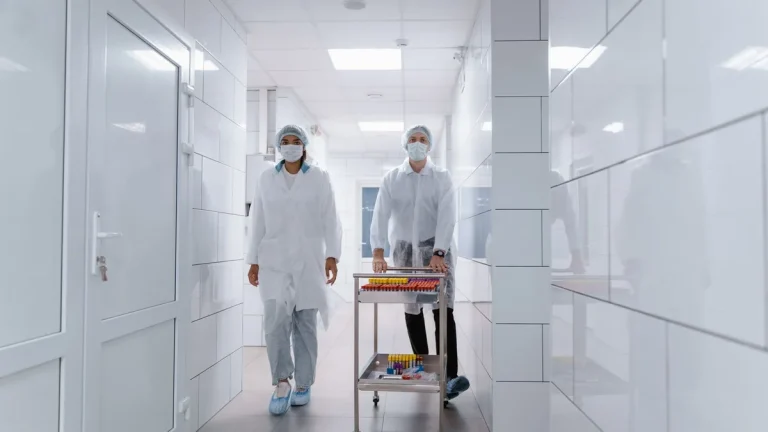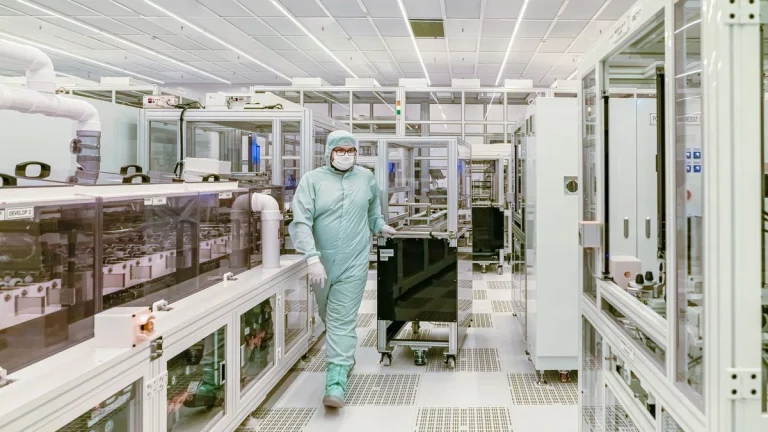
Selecting between manual vs automatic cleanroom doors represents a critical operational trade-off in pharmaceutical manufacturing, biotechnology facilities, and semiconductor fabs. Facility engineers must balance personnel cross-contamination risks, airlock pressure cascade stability, mechanical closer reliability, and long-term operating expenditures across classified environments.
Table of Contents
- Primary Operating Principles of Cleanroom Door Actuation
- Cross-Contamination Risks and Touchpoint Bioburden Control
- Pressure Differential Retention and Air Exchange Dynamics
- Hardware Reliability Maintenance and Lifecycle Cost Analysis
- Manual vs Automatic Cleanroom Doors Engineering Matrix
- Request Engineering Consultation for Cleanroom Door Automation
As contamination control architects and automation specialists, we evaluate the exact mechanical and microbiological trade-offs governing door selection. Proper automation directly streamlines cleanroom doors workflow and eliminates shift-change airlock congestion.
Traffic volume is the first of the five things to weigh when choosing a clean room door, and it is also what decides this manual-versus-automatic question.
Primary Operating Principles of Cleanroom Door Actuation
The mechanical actuation mechanism of cleanroom doors dictates how effectively the barrier maintains perimeter gasket compression against positive or negative room pressure differentials. Mechanical closers and electromechanical drive assemblies interface differently with modular partition wall systems.
Manual Mechanical Closers and Gasket Compression
Manual cleanroom swing doors rely on precision hydraulic rack-and-pinion closers engineered to EN 1154 size 3 to 5 standards. In wide equipment passages, analyzing cleanroom double swing vs single doors ensures synchronized leaf closing.
To overcome persistent 30 to 50 Pa differential air pressures across cascading airlocks, mechanical closers must deliver EN power size 3 to 5 closing torques between 18 and 26 Nm. The closer spring forces the door blade against perimeter multi-fin continuous silicone gaskets, ensuring certified EN 12426 Class 4 airtight containment.
However, high mechanical closing forces require personnel to exert noticeable manual push or pull effort during entry. In high-traffic gowning airlocks where operators carry sterile raw materials or fragile test samples, manual door operation frequently results in uncontrolled kick-plate strikes and premature hardware misalignment.
Electromechanical Operators and Touchless Sensors
Automatic cleanroom doors utilize compact electromechanical operators powered by 24V brushless DC motors. Door assemblies engineered to ASTM E283 air leakage standards maintain verified containment during automatic opening cycles.
Automated sliding doors engineered for biocontainment feature patented hermetic drop-and-slide track geometries. During the final 10mm of travel, carriage rollers drop into a 45-degree recess. This lowers the blade 10mm downward while pressing it 8mm inward against the frame rebate.
This dual-axis mechanical motion uniformly compresses four-sided continuous non-shedding silicone gaskets. For high-frequency material transfer bays, facility managers often pair automatic swing doors with rapid cleanroom high speed doors.
Cross-Contamination Risks and Touchpoint Bioburden Control
In sterile pharmaceutical compounding suites and biological safety containment facilities, physical touchpoints represent the primary vector for micro-organism transfer. Evaluating cleanroom door automation options requires rigorous microbiological bioburden analysis.
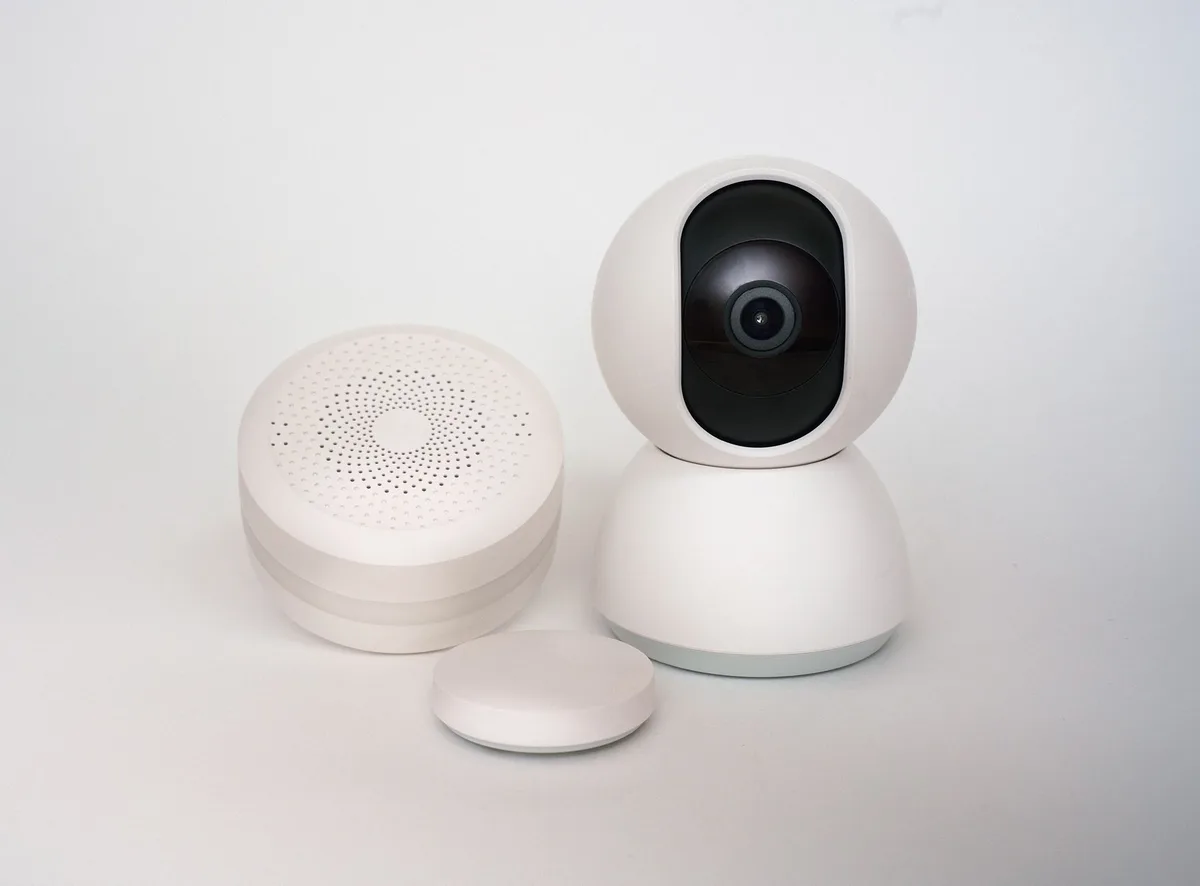
Glovery Touchpoint Contamination Vectors
Manual cleanroom doors require personnel to physically grasp stainless steel pull handles or push plates on every passage. In high-throughput gowning airlocks experiencing 200 to 400 transit events per shift, handles accumulate significant microscopic residue and chemical disinfectant film.
Microbiological swabbing studies reveal that gloved hands can transfer between 12 and 18 Colony Forming Units (CFU) per contact event onto manual door hardware if glove sanitization protocols are skipped. When an operator moves from an ISO Class 8 staging room into an ISO Class 7 preparation airlock, contaminated handles create a persistent bioburden bridging vector.
Even with rigorous cleaning protocols, physical handles require frequent wipe-down sanitization using aggressive sporicides like sodium hypochlorite. Over time, chemical residues can cause micro-abrasions that trap bacterial spores, complicating environmental monitoring compliance.
Touchless Wave and Foot Switch Activation
Automatic cleanroom doors eliminate physical contact vectors entirely by employing touchless optical infrared wave sensors or microwave Doppler radar units. Optical wave sensors detect hands or elbows within an adjustable range of 50mm to 300mm, triggering immediate opening without mechanical contact.
Sensors are housed in smooth 316L stainless steel plates bonded flush with wall panels to prevent particulate accumulation. In sterile suite applications, microwave presence sensors or pneumatic foot switches allow operators carrying heavy trays or pushing mobile trolleys to pass effortlessly.
Touchless automation guarantees zero touchpoint microbial transfer between separate cleanroom grades. This hands-free workflow significantly improves personnel gowning integrity and directly supports compliance with international ISO cleanroom classification guidelines and cGMP Annex 1 mandates.
Pressure Differential Retention and Air Exchange Dynamics
Maintaining positive pressure cascades between adjacent cleanroom suites protects sterile zones from unclassified particulate ingress. When evaluating manual vs automatic cleanroom doors, door open-dwell duration represents the single largest variable governing airlock pressure collapse.
Open-Cycle Dwell Times and Air Loss Rates
When any cleanroom door opens, air rushes across the opening in accordance with the standard orifice pressure relationship:
$$Q = C_d \cdot A \cdot \sqrt{\frac{2 \cdot \Delta P}{\rho}}$$
Here, Q represents volumetric airflow rate and Cd is the discharge coefficient (0.60 to 0.65). Variable A denotes opening area, Delta P is differential pressure, and rho represents air density.
Unmonitored manual doors exhibit erratic open-dwell cycles averaging 15 to 25 seconds per passage. Inattentive operators frequently prop manual doors open during material transfer or pause in the doorway, causing complete pressure cascade collapse and triggering facility HVAC alarms.
Automatic cleanroom doors govern transit times with programmable microprocessors. The door opens rapidly at 0.5 m/s and holds for a 3 to 5 second dwell period. Rapid automatic closing reduces air volume exchange by up to 60% compared to manual doors.
Automated Rapid Closing vs Manual Operator Inattention
In multi-door airlocks, automated doors integrate directly with programmable logic controllers (PLCs) to enforce strict interlock logic. When Door A opens, Door B remains electrically deadlocked, preventing bypass air currents.
Automatic systems also feature programmable purge timers that delay second-door release until the airlock HVAC recovers validated particulate levels. Manual interlocks rely on magnetic shear locks and indicator LEDs, but cannot physically prevent personnel from pulling handles against locked frames.
For facilities requiring tight contamination control, specifying automated cleanroom doors ensures repeatable, validated pressure recovery cycles after every transit.
Our engineers provide submittal packages and sensor integration.
Hardware Reliability Maintenance and Lifecycle Cost Analysis
Long-term operational costs diverge significantly between manual and automated cleanroom door systems. When assessing cleanroom door actuation systems, facility planners must weigh initial capital equipment expenditure against recurring maintenance and energy overhead.
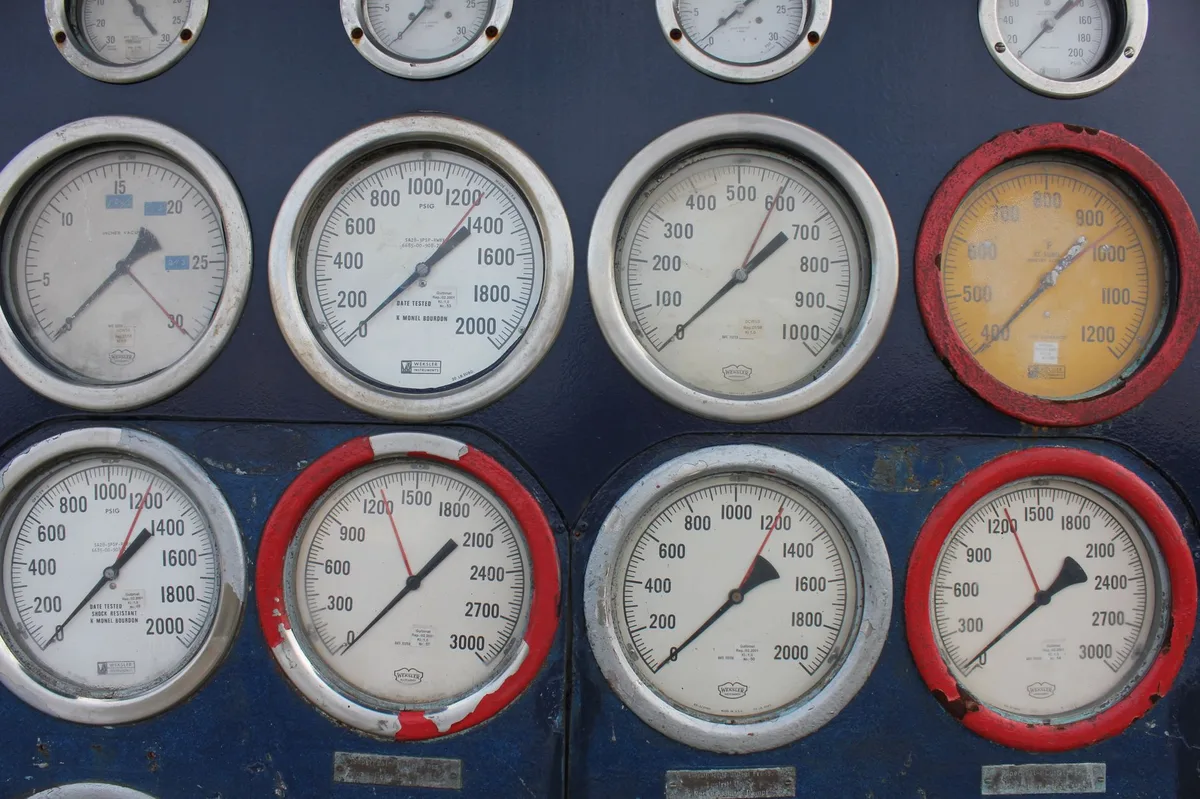
Motor and Drive Belt Mechanical Fatigue
Automatic sliding cleanroom doors incorporate moving mechanical elements including brushless DC servo motors, cogged timing belts, precision track rollers, and optical presence sensors. In clean environments, all drive belts must be manufactured from non-shedding polyurethane reinforced with steel or Kevlar tension cords.
According to EN 16005 industrial safety standards, automatic operators require semi-annual inspection of drive belt tension, safety light curtains, and emergency battery backup modules. In microelectronics cleanrooms, drive assemblies must comply with ISO 14644-14 particulate emission limits down to Class 4.
Conversely, manual cleanroom swing doors feature minimal moving components. A heavy-duty concealed hydraulic door closer and precision 316L stainless steel hinges can easily achieve 1,000,000 operational cycles per EN 1191 with minimal periodic adjustment of latching speed valves.
Initial Capital Investment vs Long-Term Operating Costs
Initial procurement costs for automatic cleanroom sliding doors are typically 2.5 to 3.5 times higher than manual swing assemblies. The operator header, optical sensors, safety light curtains, and dedicated electrical feeds add substantial upfront capital expense.
However, when evaluating manual vs automatic cleanroom doors on a ten-year total cost of ownership (TCO) basis, automated doors often generate superior net economic returns in high-throughput corridors. By reducing airlock dwell times from 20 seconds to 4 seconds, automatic doors minimize conditioned HVAC makeup air losses, saving thousands of kilowatt-hours annually.
In sterile manufacturing suites, avoiding a single batch contamination event caused by touchpoint microbial transfer or airlock pressure loss easily justifies the initial investment in door automation.
Manual vs Automatic Cleanroom Doors Engineering Matrix
The following cleanroom door actuation engineering comparison matrix evaluates mechanical, contamination control, and economic parameters across configurations.
Eight-Point Performance and Specification Comparison
| Engineering Parameter | Manual Cleanroom Doors | Automatic Cleanroom Doors |
|---|---|---|
| Touchpoint Contamination Risk | High (physical handle contact required) | Zero (100% touchless wave sensor activation) |
| Average Open-Dwell Cycle | 15 to 25 seconds (operator dependent) | 3 to 5 seconds (microprocessor regulated) |
| Pressure Cascade Retention | Moderate (vulnerable to human inattention) | Superior (rapid closure restricts CFM air loss) |
| Airtightness Rating (EN 12426) | Class 4 (<0.5 m3/h·m with hydraulic closer) | Class 4 (<0.5 m3/h·m with hermetic drop track) |
| Interlock Automation Integration | Magnetic shear lock with indicator lights | PLC logic with purge delays and radar inhibit |
| Mechanical Wear & Maintenance | Very low (hydraulic closer and hinges only) | Moderate (annual belt and sensor inspection) |
| Electrical Power Dependency | Zero power required (fail-safe mechanical) | 24V DC motor with battery backup module |
| Relative Capital Cost | Baseline (1.0x) | 2.5x to 3.5x higher initial procurement |
Cleanroom Grade Suitability and Traffic Scheduling
Cleanroom cleanliness standards establish clear application boundaries for door actuation:
- ISO Class 7 and 8 Low-Traffic Corridors (Manual Suitability): In maintenance access rooms, secondary packaging bays, and low-frequency utility rooms, manual swing doors provide dependable, cost-effective containment with zero power demand.
- ISO Class 5 and 6 Aseptic Processing Airlocks (Automatic Mandate): In personnel gowning airlocks, sterile vial preparation suites, and material transfer pass-through corridors, automatic sliding doors with touchless wave sensors are mandatory to eliminate contact contamination and maintain pressure cascade stability.
Frequently Asked Questions About Cleanroom Door Actuation
What are the main benefits of automatic cleanroom doors over manual doors?
Automatic cleanroom doors eliminate touchpoint microbial transfer via touchless sensors and enforce standardized 3-5 second dwell times, minimizing differential pressure loss and HVAC air volume disruption across cascading airlocks.
Can manual cleanroom doors achieve EN 12426 Class 4 airtightness?
Yes, manual doors achieve Class 4 airtightness using concealed hydraulic closers (EN size 3-5). These exert 18-26 Nm of closing torque against four-sided silicone gaskets.
How do touchless sensors prevent cross-contamination in cleanrooms?
Touchless optical infrared sensors trigger door opening when an operator waves a hand within 50-300mm, eliminating physical handle contact and preventing the transfer of surface bioburden between cleanroom suites.
What happens to automatic cleanroom doors during a power outage?
Automatic cleanroom doors incorporate emergency battery backup modules that ensure continuous operation or command an automatic fail-safe release, allowing personnel to push the door open easily for emergency egress.
Are automatic cleanroom doors compliant with ISO Class 4 requirements?
Yes, certified cleanroom automatic operators utilize brushless DC motors and non-shedding polyurethane drive belts that comply with ISO 14644-14 particulate emission limits suitable for ISO Class 4 cleanroom operations.
Request Engineering Consultation for Cleanroom Door Automation
Specifying the optimal balance of manual vs automatic cleanroom doors requires a thorough engineering review of your facility’s personnel traffic volume, pressure differential hierarchy, and cGMP compliance needs.
Contact our technical engineering specialists to receive comprehensive submittal packages, airlock interlock wiring schematics, and automated opening schedules tailored to your facility.