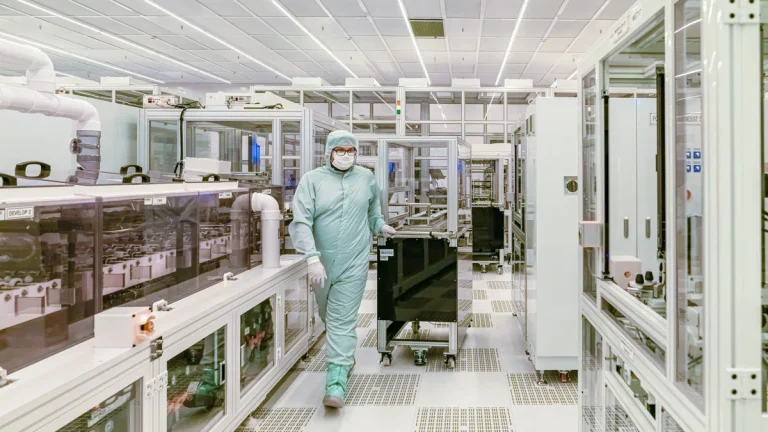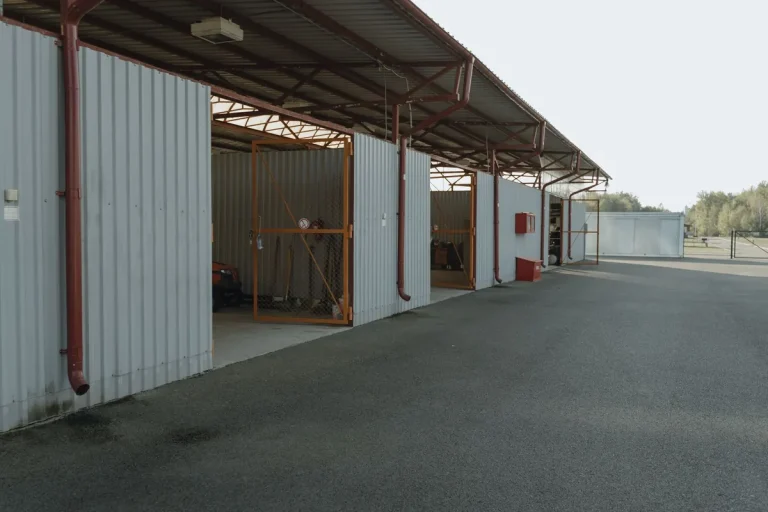
Evaluating what is a cleanroom high speed door requires examining high-throughput material transit and contamination control. Exploring specialized cleanroom high speed door solutions reveals how rapid roll curtains safeguard differential pressure cascades.
Table of Contents
- Defining Cleanroom High Speed Roll Up Door Architecture
- Minimizing Differential Air Loss and Pressure Infiltration
- Particulate Non-Shedding Compliance and cGMP Washability
- High-Throughput Material Transfer Airlock and AGV Integration
- Cleanroom High Speed Doors Engineering Selection Matrix
- Request Engineering Consultation for Cleanroom High Speed Solutions
As cleanroom envelope automation architects and contamination control specialists, we evaluate aerodynamic exposure, dynamic seal friction, and motor acceleration mechanics. This engineering analysis guides your facility team to specify compliant cleanroom high speed door assemblies across pharmaceutical, semiconductor, and medical device environments.
Defining Cleanroom High Speed Roll Up Door Architecture
Industrial cleanroom facilities require specialized barrier closures that handle thousands of automated cycles daily without generating airborne particulates. Conventional industrial roll-up doors utilize metal hinges, exposed drive chains, and grease-lubricated tracks that release metallic dust into cleanroom corridors.
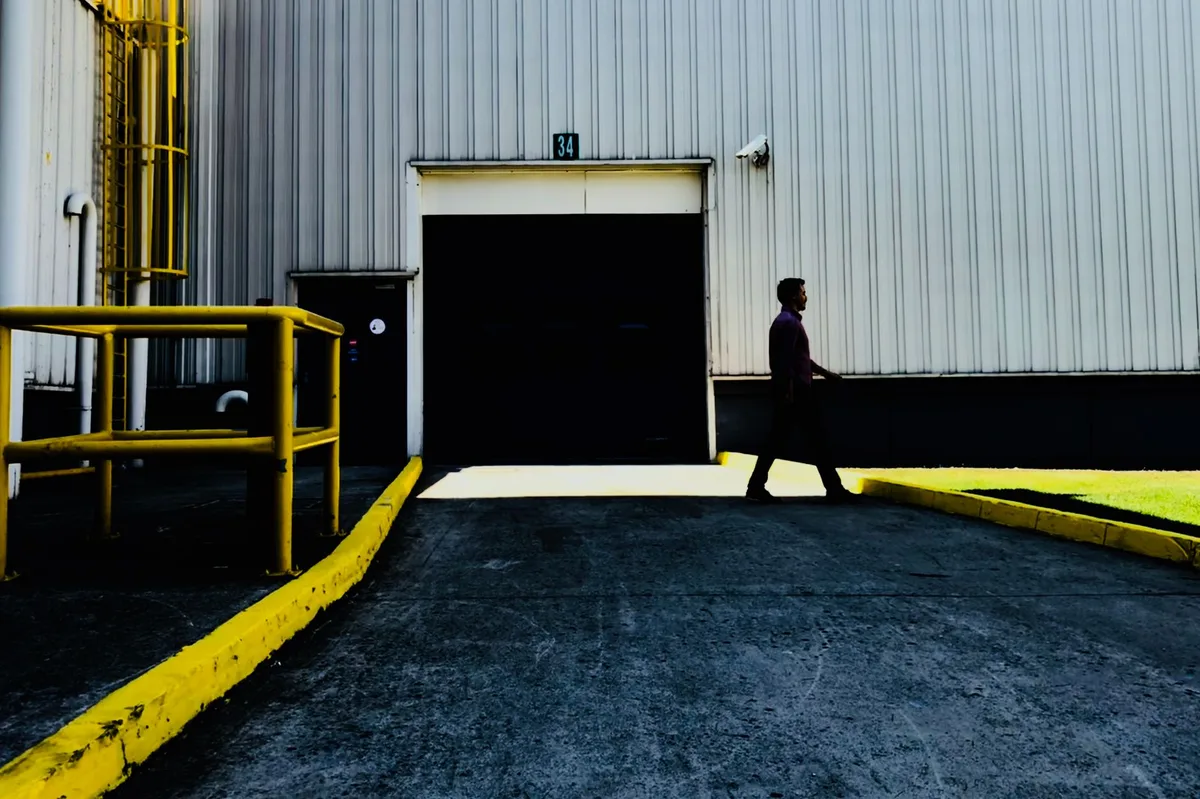
High-Speed Roll Up Curtain Construction and Materials
Cleanroom rapid roll curtains utilize dense multi-filament woven polyester cores encapsulated inside non-porous polyvinyl chloride (PVC) or thermoplastic polyurethane (TPU) jackets. Curtain thicknesses range from 0.8mm to 1.2mm, providing substantial tensile strength while maintaining exceptional flexibility around overhead winding barrels.
Curtain polymers must resist continuous chemical wipe protocols. Formulations tolerate daily contact with isopropyl alcohol (IPA), quaternary ammonium disinfectants, and vaporized hydrogen peroxide (VHP) without micro-crazing or plasticizer leaching. Curtains also incorporate welded anti-static lateral stiffener rods. These composite rods prevent curtain billowing when subjected to severe 50 Pa positive differential air pressure across pharmaceutical containment airlocks.
To eliminate static charge accumulation, the curtain incorporates interwoven conductive carbon fiber filaments. Continuous surface grounding prevents electrostatic attraction of airborne micro-particulates during rapid rolling friction.
Curtain blades feature radio-frequency (RF) welded transparent PVC vision windows. These full-width vision sections provide clear line-of-sight for crossing personnel while preserving a seamless, crevice-free surface.
Variable Frequency Drive Speeds Up to 2.5 Meters
Rapid roll performance relies on advanced vector-controlled variable frequency drive (VFD) motors. Systems accelerate curtain movement up to 2.5 meters per second during opening cycles, then smoothly decelerate into overhead hoods.
Direct-drive vector systems eliminate traditional external drive chains and counterweight sprockets. This enclosed configuration removes mechanical pinch points and prevents wear particle generation across controlled environments.
During closure, drives operate at controlled speeds between 0.8 m/s and 1.0 m/s. S-curve acceleration profiles prevent mechanical jerk and mechanical backlash, protecting structural wall anchors and minimizing partition vibration.
Precision digital rotary encoders monitor door blade elevation continuously. Controllers track position without physical limit switches that wear down or shed micro-particulates over extended service intervals.
Heavy-duty cleanroom drive units support over 2,000 automated cycles daily. High thermal dissipation ratings prevent motor overheating during continuous peak-shift material transfer operations.
Minimizing Differential Air Loss and Pressure Infiltration
Maintaining air pressure cascades between adjoining suites represents the fundamental purpose of cleanroom physical barriers. Infiltration of unclassified air risks catastrophic product contamination and regulatory non-compliance.
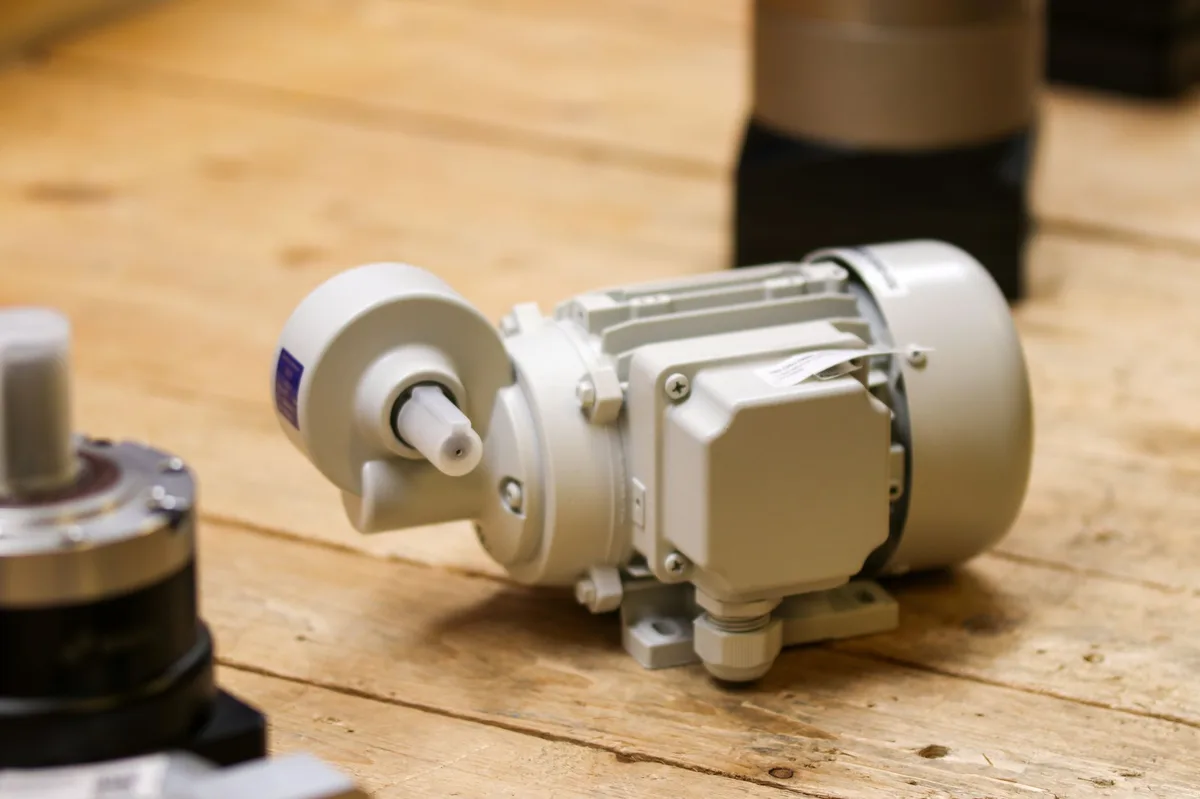
Cycle Time Duration and CFM Infiltration Physics
Doorway open exposure duration directly governs the volume of air transferred between adjacent rooms. Comparing manual vs automatic cleanroom doors highlights why high-speed roll barriers minimize air exchange in busy transit airlocks.
A high-speed roll-up door completes a full open, dwell, and close sequence in less than 4 seconds. This rapid cycling compresses open exposure time by over 80%, substantially reducing conditioned air loss.
Differential air leakage obeys orifice flow equations where flow rate Q equals discharge coefficient times doorway area and square root of pressure differential. Minimizing exposure time directly conserves HVAC energy and preserves suite cleanliness.
In suites operating with 30 Pa pressure differentials, rapid cycling prevents HVAC air handlers from suffering severe pressure recovery surges. Clean air volumes remain stable across sensitive compounding and sterile filling zones.
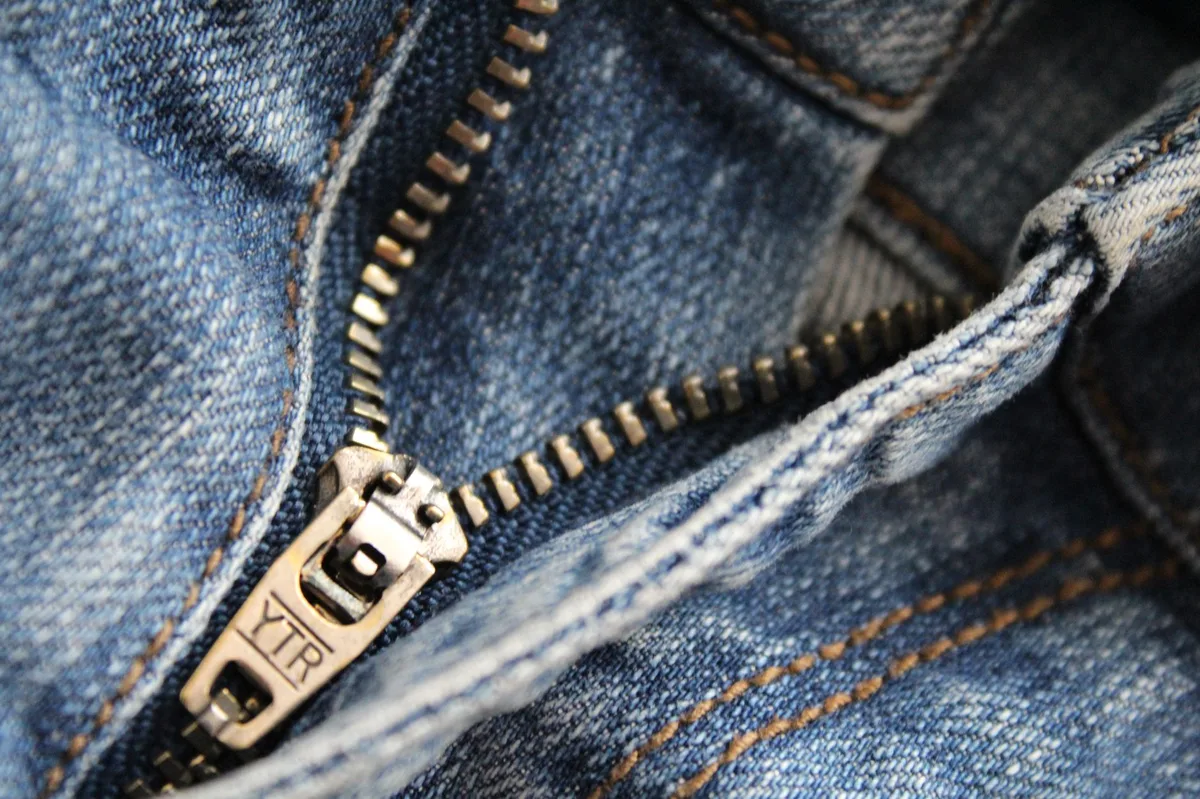
Continuous Side Column Zipper Sealing Mechanisms
Standard roll doors incorporate loose metal slats and clearance gaps along side tracks that leak substantial air volumes. Cleanroom high-speed doors utilize continuous polymer zipper guide tracks.
High-density plastic teeth molded along curtain edges engage continuously inside ultra-high-molecular-weight polyethylene (UHMW-PE) side channels. This interlocking geometry forms an airtight vertical labyrinth seal along the entire opening height. During differential pressure exposure, the flexible zipper teeth deflect into contoured retention lips inside the polyethylene channels. This mechanical engagement tightens the seal as differential pressure rises, preventing edge blow-out.
Assemblies achieve certified EN 12426 Class 4 airtightness ratings, restricting perimeter leakage below 0.5 cubic meters per hour per meter at 50 Pa differential pressure. The polymer track operates completely dry without grease or oil lubricants.
In the event of accidental vehicle impact, the flexible zipper teeth disengage cleanly from side channels without tearing the fabric. On the subsequent upward cycle, guide funnels automatically re-insert the curtain into side tracks without tools.
Particulate Non-Shedding Compliance and cGMP Washability
Cleanroom environments mandate strict adherence to airborne particulate limits defined by cGMP Annex 1 and ISO 14644-1. Mechanical door components must not generate friction dust or harbor biological contamination.
ISO 14644-14 Certified Non-Shedding Drive Systems
Mechanical assemblies undergo rigorous testing under ISO 14644-14 protocols to assess suitability for cleanroom installation. Airborne particle counters measure emissions adjacent to moving tracks, winding barrels, and motor couplings during continuous operation.
During laser particle counter testing, emission probes placed 50mm from the rotating barrel recorded zero particles larger than 0.5 micrometers per cubic meter across 50,000 continuous test cycles.
Certified cleanroom doors utilize brushless AC synchronous or permanent-magnet motors that eliminate carbon brush friction dust. Internal drive gears run inside hermetically sealed oil baths with food-grade synthetic lubricants.
The winding barrel features precision-balanced anodized aluminum tubes that roll the curtain without fabric rubbing or mechanical scuffing. Assemblies maintain particle cleanliness compliant with ISO Class 5 cleanrooms.
Acoustic insulation inside motor hoods dampens operational noise below 68 dBA. Quiet operation protects laboratory staff working in adjacent testing and inspection suites from repetitive mechanical distraction.
Smooth Monolithic PVC Fabric and Stainless Columns
Hygienic architectural detailing prevents microbial harborage and facilitates rapid sanitization. Side guide columns are fabricated from Grade 304 or 316L stainless steel with satin surface finishes ground to Ra below 0.8 micrometers.
Overhead barrel hoods feature a 30-degree sloped top geometry. This sloped profile eliminates horizontal dust collection shelves and prevents operators from placing temporary items or tools on top of the door header.
Removable stainless steel inspection covers provide toolless access for sanitization. All exposed fasteners utilize flush button-head stainless screws that resist chemical corrosion during aggressive biocide wipe-down routines.
For automated processing suites requiring certified barrier reliability, specifying high-performance high speed doors ensures compliant pressure retention and verifiable particle containment.
Our technical team provides EN 12426 Class 4 data sheets and custom opening drawings.
High-Throughput Material Transfer Airlock and AGV Integration
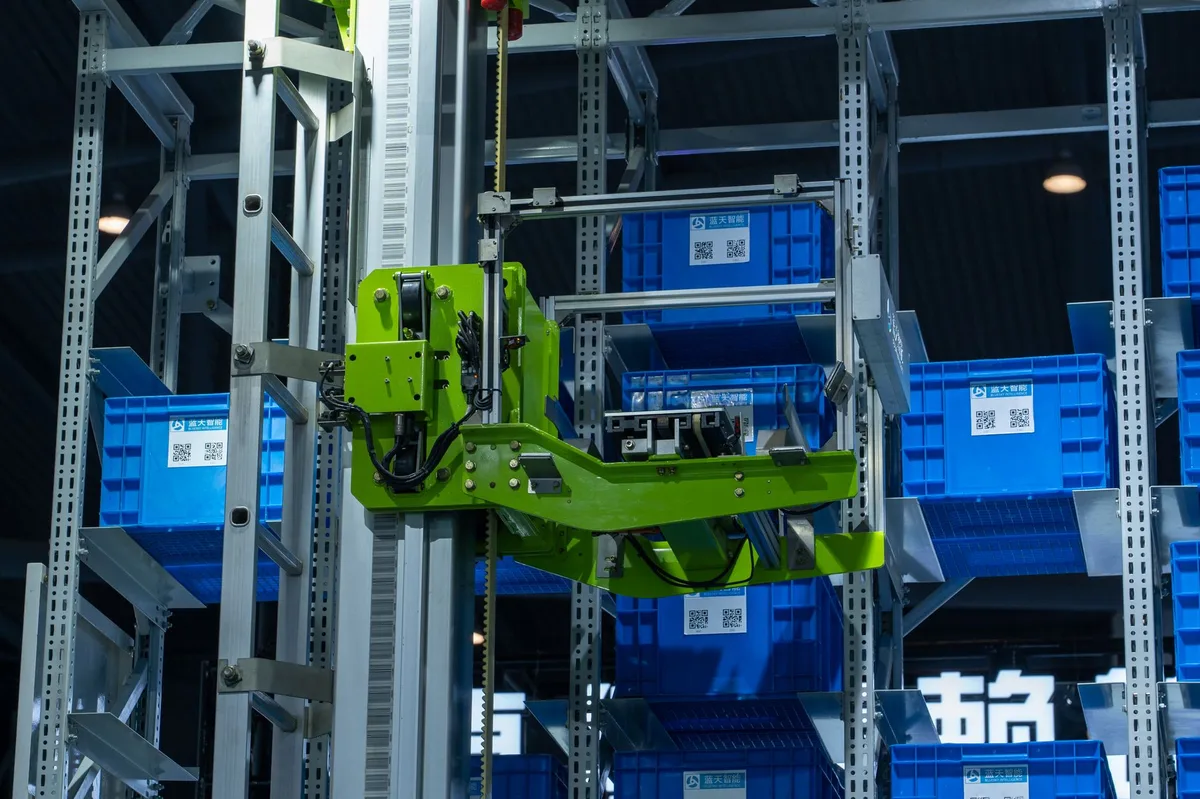
Modern pharmaceutical and electronics plants rely increasingly on Autonomous Mobile Robots (AMRs) and Automated Guided Vehicles (AGVs). Integrating high-speed roll doors directly enhances cleanroom doors workflow by enabling hands-free automated dispatch.

Automated Guided Vehicle Radar and Infrared Activation
Autonomous transport vehicles cannot operate manual handles or touch push buttons. High-speed cleanroom doors interface directly with facility fleet management networks through industrial I/O relays, industrial Ethernet, or wireless radio frequencies.
As an AGV approaches an airlock entrance, wireless sensors transmit an opening request to the door controller at distances between 8 and 12 meters. The door opens at 2.5 m/s, allowing the vehicle to transit smoothly without stopping.
Overhead microwave radar and passive infrared motion sensors detect approaching vehicles while ignoring cross-traffic moving parallel to the doorway. Optical light curtains integrated into side guide tracks provide continuous safety detection across the opening plane.
If an obstruction breaks the infrared safety grid during closing, the drive controller instantly reverses curtain direction in less than 100 milliseconds. Soft bottom edges prevent impact damage to expensive autonomous robotic chassis.
Sequential Airlock Interlocking and HEPA Purge Coordination
Material transfer airlocks isolate higher-grade cleanrooms from lower-grade corridors. Doors on opposite ends of the airlock must never open simultaneously.
Programmable controllers enforce hardware interlocks between outer and inner high-speed doors. When the outer door opens for incoming cargo, the inner door remains electronically locked in the closed position.
Once the cargo enters the airlock and the outer door seals completely, high-velocity HEPA blowers initiate an air purge cycle. The controller maintains door closure until purge sensors confirm particle counts satisfy target cleanliness limits.
Integrating engineered cleanroom doors into airlock cascades ensures compliance with international ISO cleanroom standards and cGMP contamination protocols.
Cleanroom High Speed Doors Engineering Selection Matrix
Evaluating cleanroom door configurations requires balancing cycle velocity, airtightness, physical footprint, and capital expenditure.
Eight-Point Performance and Material Comparison
| Engineering Parameter | Standard Cleanroom Swing Door | Cleanroom High Speed Roll Up Door |
|---|---|---|
| Operating Opening Velocity | Manual opening (approx. 0.3 m/s) | Variable VFD drive up to 2.5 m/s |
| Doorway Open Cycle Duration | 15 to 25 seconds per passage | 3 to 5 seconds total cycle time |
| Airtightness Rating (EN 12426) | Class 4 (<0.5 m³/h·m at 50 Pa) | Class 4 (<0.5 m³/h·m at 50 Pa) |
| Side Guide Sealing Technology | Continuous perimeter silicone gasket | Continuous polymer zipper track |
| Curtain Blade Composition | Rigid stainless steel or HPL panel | Multi-ply anti-static PVC / TPU fabric |
| Collision Self-Repair Ability | Permanent blade or hinge damage | Automatic zip break-away and reset |
| AGV Fleet Automation Handshake | Requires external motorized swing arm | Native dry-contact PLC / RF protocol |
| Particle Emission Rating | ISO Class 4 compatible | ISO Class 5 certified (ISO 14644-14) |
Industrial Application Mapping Across High-Classification Suites
Facility zoning dictates opening mechanisms across different manufacturing operations:
- Pharmaceutical Packaging Airlocks: Moving finished sterile vials from primary filling into secondary cartoning requires high-cycle barriers. Rapid roll doors maintain suite differential pressure while accommodating high cart frequency.
- Semiconductor Wafer Fab Material Interlocks: Automated overhead hoist transport (OHT) and robotic carts demand rapid non-shedding doors. Brushless drives prevent microscopic silica contamination.
- Medical Device Assembly Suites: High-frequency operator and trolley traffic benefit from hands-free touchless activation, preventing cross-contamination between gowning and production rooms.
Frequently Asked Questions About Cleanroom High Speed Doors
What is the primary benefit of a cleanroom high speed door?
High-speed cleanroom doors open at velocities up to 2.5 m/s, reducing doorway open exposure by over 80% to protect suite differential pressure cascades and lower HVAC energy loss.
How do cleanroom roll up doors maintain airtightness without wind bars?
Curtains utilize continuous polymer zipper teeth running inside precision-machined polyethylene guides. This unbroken seal satisfies strict ASTM E283 air permeance standards under continuous operating pressures.
Do high-speed doors generate airborne particulates during operation?
No, certified cleanroom doors use brushless vector motors, dry non-shedding polymer tracks, and sloped stainless steel hoods compliant with ISO 14644-14 particle emission standards down to ISO Class 5.
What happens if a cart or forklift strikes the roll-up curtain?
Flexible zipper teeth disengage from side tracks without fabric damage. On the subsequent upward cycle, guide funnels automatically re-insert the curtain into the track without manual maintenance intervention.
Can high-speed doors integrate with cleanroom automated guided vehicles?
Yes, door controllers support wireless radio, microwave radar, and dry-contact PLC handshakes, opening automatically for approaching AGVs and interlocking sequentially with HEPA airlock purges.
Request Engineering Consultation for Cleanroom High Speed Solutions
Specifying high-speed cleanroom roll-up doors requires evaluating opening dimensions, pressure gradients, vehicle speeds, and sanitization protocols.
Contact our technical engineering department to review your airlock layouts, request certified EN 12426 Class 4 test reports, and customize automated high-speed closures for your manufacturing facility.
For where that hardware goes once the definition is clear, see our industry mapping of high speed doors for pharmaceutical cleanrooms.