Selecting glass vs metal cleanroom doors forces facility engineers to reconcile two competing objectives. The operational demand for supervisory line-of-sight and architectural aesthetics conflicts with stringent cGMP mandates for pressure cascade containment, sporicidal washdown resistance, and physical impact durability.
Table of Contents
- Comparing Full Glass vs Metal Cleanroom Door Construction
- How Airtightness and Pressure Cascades Differ Between Materials
- Evaluating Chemical Resistance to VHP and Sporicidal Washdown
- Mechanical Impact Durability and Acoustic Insulation Performance
- Glass vs Metal Cleanroom Doors Specification Matrix
- Request Engineering Consultation for Cleanroom Door Selection
As contamination control specialists, we evaluate key mechanical and chemical trade-offs between door systems. Specifying certified ISO compliant cleanroom doors ensures selected profiles comply with particulate cleanliness classifications.
Comparing Full Glass vs Metal Cleanroom Door Construction
The structural anatomy of cleanroom door leaves determines how the barrier performs when subjected to differential air pressure, repetitive high-frequency cycling, and chemical sanitation. Material selection dictates the permissible hinge mechanisms, frame interlocks, and automated drive assemblies that can be integrated.
Frameless Toughened Glass Structural Assembly
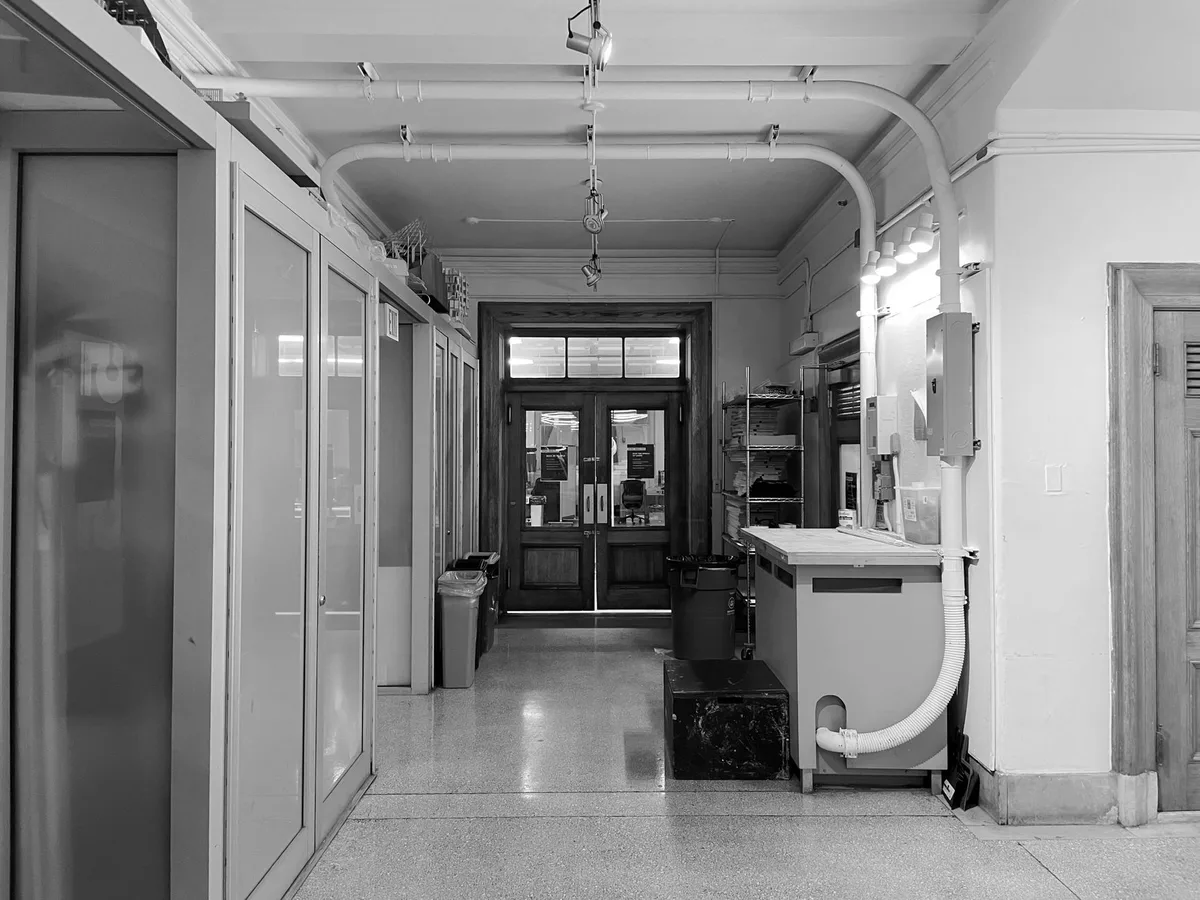
Full glass cleanroom doors incorporate 10mm or 12mm monolithic thermally toughened safety glass. For wider pallet access routes, specifiers compare single leaves against cleanroom double swing doors to avoid leaf deflection under pressure.
Structural mounting relies on precision-machined top and bottom clamping patch fittings or full-height slimline anodized aluminum rails. Because the door blade contains no internal cavity, pivot hinges, magnetic latch pins, and drop seals must be clamp-fixed directly to the polished glass edges. This exposes mounting hardware to potential particulate accumulation if clamping profiles lack flush silicone transitions.
In sterile packaging suites and gowning viewing corridors, full transparency allows supervisors to verify cleanroom protocol adherence. Operators can observe automated filling operations and confirm personnel safety without repeatedly entering validated airflow zones.
Stainless Steel and Powder-Coated Metal Blades
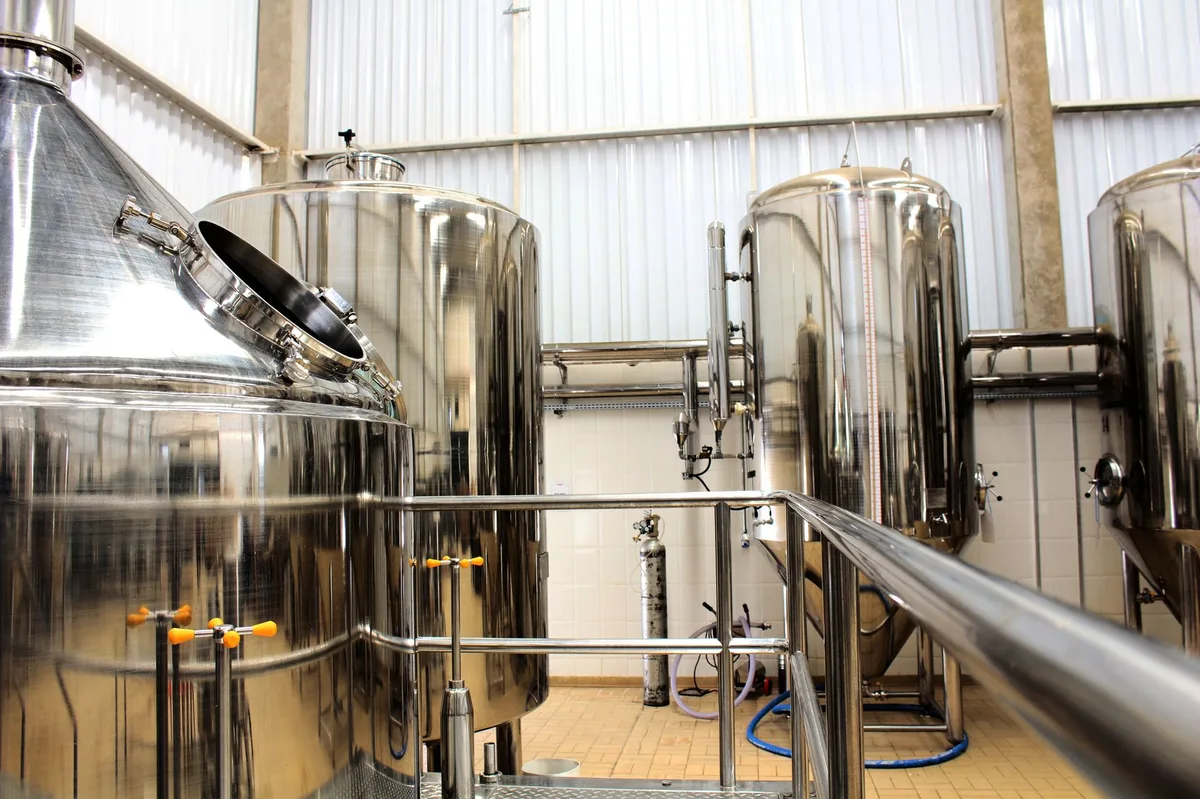
Metal cleanroom doors utilize a fully bonded 50mm sandwich construction comprising twin metal facing skins and a high-density stabilization core. The external skins are fabricated from either 1.0mm to 1.2mm grade 304 or 316L stainless steel, or electro-galvanized steel finished with a 60-80 micron anti-microbial polyester powder coating.
Inside the blade, an expanded aluminum honeycomb core with compressive strength exceeding 3.0 MPa per ASTM C365 or high-density rigid polyurethane foam is hot-pressed using thermosetting polyurethane adhesives. This composite structure produces extraordinary torsional rigidity, preventing blade twist and bowing across extreme temperature or humidity differentials.
The enclosed 50mm profile allows all operating mechanisms to remain fully concealed within the door leaf. For chemical synthesis zones requiring passive fire separation, specifiers install systems meeting cleanroom fire doors standards.
How Airtightness and Pressure Cascades Differ Between Materials
Controlled environments depend on strictly maintained room differential pressures, typically 10 to 25 Pa across adjacent zones, to prevent cross-contamination. When comparing glass vs metal cleanroom doors, the containment barrier leakage rate directly dictates HVAC makeup air volumes and energy consumption.

EN 12426 Class 4 Perimeter Sealing Comparison
High-performance cleanroom doors should achieve Class 4 airtightness under EN 12426. Rigorous testing under ASTM E283 proves that perimeter silicone seals resist continuous 50 Pa pressure differentials.
Metal cleanroom doors achieve EN 12426 Class 4 compliance with consistent reliability. The rigid metal leaf compresses multi-fin continuous co-extruded silicone or EPDM gaskets against three sides of the aluminum subframe with uniform pressure distribution. Under a 50 Pa pressure cascade, the 50mm sandwich leaf deflects less than 1.2mm, maintaining constant gasket compression along the full jamb height.
A 10mm frameless glass leaf exhibits significant mechanical flexure under the same pressure. A standard 2100mm by 900mm glass blade can deflect 3.5mm to 5.0mm along its unsupported vertical strike edge. This deflection unevenly relieves gasket compression, creating local micro-gaps that increase air leakage beyond Class 4 thresholds.
Dynamic Drop Seals on Frameless Glass Leaves
Isolating the floor gap without introducing raised thresholds is essential for trolley cart transit. Both door categories utilize automatic mechanical drop-down seals actuated by a brass push plunger on the hinge side.
On metal doors, the drop-seal mechanism sits entirely concealed within the bottom edge of the 50mm leaf. When the door closes, an internal scissors mechanism drives a heavy-duty silicone rubber gasket downward by up to 20mm, compensating for uneven epoxy flooring while remaining invisible and fully protected.
On frameless glass doors, the drop seal must be housed within a surface-clamped bottom aluminum shoe. This clamp increases base weight and limits vertical sealing stroke to 10-14mm. The exposed transition joint between the bottom clamp and the glass pane requires meticulous aseptic caulking to prevent chemical trapping during floor washdowns. For mission-critical ISO 5 airlocks, engineers specify engineered cleanroom doors with flush concealed drop mechanisms.
Evaluating Chemical Resistance to VHP and Sporicidal Washdown
Pharmaceutical cleanrooms undergo rigorous decontamination cycles involving vaporized hydrogen peroxide gassing and daily manual wipedowns with concentrated biocides and sporicidal agents. Door materials must resist chemical etching, pitting, and optical degradation over decades of continuous exposure.
Vaporized Hydrogen Peroxide and Chlorine Resistance
In automated bio-decontamination chambers utilizing VHP at concentrations of 1000 to 1500 ppm, glass demonstrates exceptional chemical inertness. Silicate glass exhibits zero reaction with oxidizing hydrogen peroxide radicals, maintaining pristine surface properties without chemical breakdown or gas adsorption.
Stainless steel doors perform exceptionally well in VHP environments when fabricated from electropolished 316L stainless steel with surface roughness Ra below 0.4 micrometers per ASME BPE. Electropolishing removes free iron and enriches the chromium-to-iron oxide ratio in the passive surface layer, preventing discoloration.
Facilities relying on aggressive chlorine-based sporicides with greater than 500 ppm active chlorine present corrosion challenges for standard grade 304 stainless steel. Chloride ions penetrate the passive chromium oxide film if disinfectant residues dry without an immediate purified water rinse, initiating microscopic pitting corrosion.
Scratch Resistance and Optical Transparency Degradation
Manual wipe protocols often introduce abrasive airborne particulates that abrade door surfaces during cleaning. Toughened silicate glass possesses a Mohs mineral hardness of 6 to 7, rendering it virtually immune to scratches from microfiber mops, synthetic scour pads, or quartz dust.
Austenitic stainless steel has a Mohs hardness of only 4 to 5. Repeated abrasive scouring produces directional micro-scratches on stainless steel and acrylic vision panels. In aseptic processing rooms, micro-scratches become microbiological harborage sites that trap bacterial spores and compromise cleanability during surface RODAC plate sampling.
Our engineering team provides customized submittal packages, pressure cascade analysis, and CAD detailing for classified suites.
Mechanical Impact Durability and Acoustic Insulation Performance
Cleanroom logistics corridors experience frequent transit of heavy stainless steel material handling carts, pallet jacks, and automated guided vehicles. Physical impact resilience represents a critical differentiator when evaluating glass vs metal cleanroom doors for logistics corridors.
Trolley Cart Collisions and Catastrophic Shatter Risks
The failure modes of glass and metal doors under mechanical collision are fundamentally divergent:
- Metal Sandwich Door (Plastic Deformation): When a loaded 400 kg pallet jack impacts a metal door blade at 1.0 m/s, the metal skin absorbs kinetic energy through localized plastic deformation. A dent or crease may form in the outer skin, but the composite core maintains structural integrity, the hinges remain functional, and the containment envelope remains 100% sealed.
- Glass Door (Catastrophic Fragmentation): Thermally toughened glass withstands substantial distributed face loads but remains vulnerable to high-velocity point impacts from sharp trolley corners or stainless steel wheel hubs. If localized stress exceeds the tensile core threshold of 15 to 20 Joules, the entire panel instantly shatters into thousands of small blunt fragments per EN 12150 fragmentation kinetics.
A shattered glass door leaf represents a catastrophic contamination event in a pharmaceutical facility. Airborne glass particulates, loss of room differential pressure, and contamination of sterile batches enforce an immediate facility shutdown, requiring comprehensive re-cleaning, HEPA filter inspection, and multi-day environmental re-qualification.
Acoustic Transmission Loss and Thermal Performance
Cleanroom HVAC recirculating fans, chillers, and automated packaging equipment generate high continuous noise levels often between 72 to 82 dBA. Acoustic isolation between production rooms and quiet control offices is essential for worker safety.
Metal cleanroom doors incorporating a 50mm high-density core and dual flush double-glazed vision panels achieve sound reduction indices of Rw 38 to 42 dB per ISO 10140-2. The multi-layered composite structure effectively dampens low-frequency airborne vibration.
Monolithic 10mm or 12mm glass cleanroom doors provide an acoustic rating of only Rw 31 to 33 dB. Sound readily transmits through the single rigid pane, while perimeter micro-clearances around clamping rails allow acoustic flanking paths that transmit machinery hum into adjacent observation corridors.
Glass vs Metal Cleanroom Doors Specification Matrix
The following glass vs metal cleanroom doors engineering matrix compares the mechanical, environmental, and operational capabilities across eight critical parameters.
Eight-Point Engineering Parameter Comparison
| Engineering Parameter | Full Glass Cleanroom Doors | Insulated Metal Cleanroom Doors |
|---|---|---|
| Door Blade Core Construction | 10-12mm monolithic toughened glass (EN 12150) | 50mm aluminum honeycomb or PU sandwich core |
| Airtightness Rating (EN 12426) | Class 2 to Class 3 | Class 4 (<0.5 m3/h per linear meter at 50 Pa) |
| Surface Hardness | Mohs 6-7 (superior scratch resistance) | Mohs 4-5 (prone to hairline micro-scratching) |
| VHP & Sporicidal Resistance | 100% inert to VHP, chlorine, and quats | Excellent (316L Ra <0.4 um required for bleach) |
| Impact Failure Mode | Catastrophic fragmentation upon sharp strike | Plastic deformation (dents without envelope breach) |
| Acoustic Attenuation (Rw) | Rw 31-33 dB (higher noise transmission) | Rw 38-42 dB (excellent acoustic damping) |
| Hardware & Interlock Integration | Clamped surface hardware, exposed drop seal | 100% concealed closures, interlocks, and drop seals |
| Fire Resistance Rating | Non-rated (standard toughened glass) | Up to 60-120 minutes (UL 10C / EN 1634-1) |
Application Suitability Across ISO Classifications
Cleanroom cleanliness classifications dictate door selection boundaries:
- ISO Class 7 to Class 8 Secondary Zones: In gowning airlocks, personnel transfer corridors, analytical testing laboratories, and university cleanrooms, full glass doors provide unmatched transparency, enhanced natural lighting, and architectural elegance without compromising cleanliness.
- ISO Class 5 to Class 6 Core Processing Suites: In aseptic vial filling suites, sterile compounding chambers, biological safety containment laboratories, and active pharmaceutical ingredient synthesis bays, insulated metal doors are mandatory for Class 4 airtight containment under 25-50 Pa cascades.
Frequently Asked Questions About Cleanroom Door Materials
Can full glass cleanroom doors achieve EN 12426 Class 4 airtightness?
Full glass cleanroom doors rarely achieve Class 4 airtightness because unreinforced glass panels deflect 3-5mm under 50 Pa pressure cascades, causing seal leakage. They typically achieve Class 2 or Class 3 ratings.
Which door material resists sporicidal cleaning chemicals better?
Toughened glass is completely inert to chlorine and peroxide disinfectants. Stainless steel performs excellently under VHP, but grade 304 can experience micro-pitting from bleach if not rinsed, requiring electropolished 316L steel.
Why are metal cleanroom doors preferred for material transfer airlocks?
Metal cleanroom doors absorb heavy pallet cart and trolley impacts through minor plastic denting without breaching the containment envelope, whereas glass leaves risk catastrophic shattering and immediate facility contamination shutdown.
Do glass cleanroom doors provide adequate acoustic insulation?
Single-pane 10mm glass doors achieve only Rw 31-33 dB acoustic rating. Insulated 50mm metal doors achieve Rw 38-42 dB, providing superior dampening against loud cleanroom HVAC and manufacturing machinery noise.
Can electric interlocks be integrated into frameless glass doors?
Yes, but glass doors require exposed magnetic locks with surface raceways. In contrast, metal doors conceal all interlock solenoids and wiring within the frame.
Request Engineering Consultation for Cleanroom Door Selection
Specifying the optimal cleanroom door envelope requires a rigorous engineering audit of your process cleanliness, differential pressure cascades, material flow logistics, and chemical washdown protocols.
Contact our technical engineering team to obtain comprehensive architectural submittal packages, pressure decay simulations, and customized BIM opening schedules.