Carriage house garage doors represent a desirable upgrade for suburban residences and craftsman homes. Homeowners encounter two distinct manufacturing options: stamped steel vs overlay garage door panels. Choosing between stamped and overlay construction dictates long-term curb appeal, maintenance, and hardware durability.
This technical guide provides an engineering comparison of stamped vs overlay garage door panels across aesthetics, weight, and costs. Based on factory manufacturing standards across 24V DC belt operators, precision doors deliver quiet operation below 45 dB. They ensure dependable performance across 25,000 continuous duty cycles.
What Is the Difference Between Stamped and Overlay
The core distinction between stamped and overlay garage door panels lies in the industrial manufacturing and bonding processes used during section assembly:
Stamped Steel Panel Fabrication
Stamped carriage house panels are manufactured using heavy industrial hydraulic stamping presses. Continuous coils of hot-dipped G90 galvanized steel are embossed with carriage panel profiles, faux vertical woodgrain textures, and beveled edge borders in a single automated pressing cycle.
Because the decorative profile is an integral part of the outer steel skin, stamped panels feature a completely seamless exterior. There are no applied trim pieces that can crack, delaminate, or separate from the steel substrate over decades of extreme weather exposure.
Applied Composite Overlay Fabrication
Overlay garage doors utilize a multi-tier manufacturing process. The foundation consists of a smooth, heavy-duty three-layer steel sandwich door insulated with continuous injected polyurethane foam. Technicians then permanently bond precision-machined decorative overlay boards onto the steel exterior face using structural industrial adhesives and mechanical fasteners.
Overlay trim boards are typically crafted from cellular PVC, dense extruded composite polymers, or architectural hardwood. These applied battens replicate historic crossbuck framing (X-buck, V-buck, or vertical stiles), creating authentic three-dimensional physical depth.

Stamped vs Overlay Specification Comparison Matrix
Review this comprehensive engineering specification matrix comparing stamped steel and applied overlay garage door construction across performance, weight, thermal resistance, maintenance, and relative pricing:
| Engineering Parameter | Stamped Steel Carriage Panels | Applied Overlay Composite Panels |
|---|---|---|
| Manufacturing Method | Hydraulic stamped monolithic steel skin | Polyurethane steel base + applied trim |
| Visual Depth & Shadow Relief | Subtle stamped relief (3mm to 6mm) | Deep three-dimensional relief (12mm to 25mm) |
| Average Curtain Dead Weight | 10 to 14 kg per square meter (Standard) | 18 to 28 kg per square meter (Heavy) |
| Spring Torque Requirement | Standard residential torsion springs | High-torque commercial-grade springs |
| Thermal Insulation (R-Value) | R-0 (Single) to R-16.0 (Sandwich) | R-16.0 to R-20.4 (High-Density PU) |
| Maintenance Demands | Very Low (Occasional soap and water wash) | Moderate (Cleaning trim crevices and caulk) |
| Relative Price Band | $ (Affordable Budget Friendly) | $$$ – $$$$ (Premium Architectural Luxury) |
Why Overlay Doors Deliver Richer 3D Shadow Depth
The visual difference between stamped and overlay panels becomes apparent when viewing the garage entrance from varied angles and lighting conditions:
Subtle Stamped Contouring
Stamped steel panels feature decorative embossments that typically press 3mm to 6mm into the steel face. While this creates clean rectangular borders and subtle shadow accents, the surface remains relatively flat when viewed from an angle.
Stamped doors look attractive on standard suburban homes with clean, understated exterior siding. However, when paired with deeply textured natural stone veneer or heavy architectural timber framing, stamped panels can appear visually lightweight.
Pronounced Three-Dimensional Shadow Relief
Overlay composite boards project 12mm to 25mm outward from the base door skin. This substantial thickness casts bold, dramatic shadow lines that replicate the authentic weight and craftsmanship of 19th-century timber barn doors.
Architects specify overlay doors for luxury residences, modern farmhouses, and historic preservation districts where entrance portals serve as major focal points. The physical depth ensures the door holds its own visually alongside heavy porticos and masonry arches.
We manufacture precision-stamped steel panels, heavy-duty composite overlay sections, and whisper-quiet 24V DC belt operators. Direct factory export with certified hardware.
How Door Weight Affects Springs and Motor Sizing
When comparing stamped vs overlay garage door panels, physical dead weight represents the most critical mechanical consideration for long-term system reliability:
Stamped Door Lightweight Efficiency
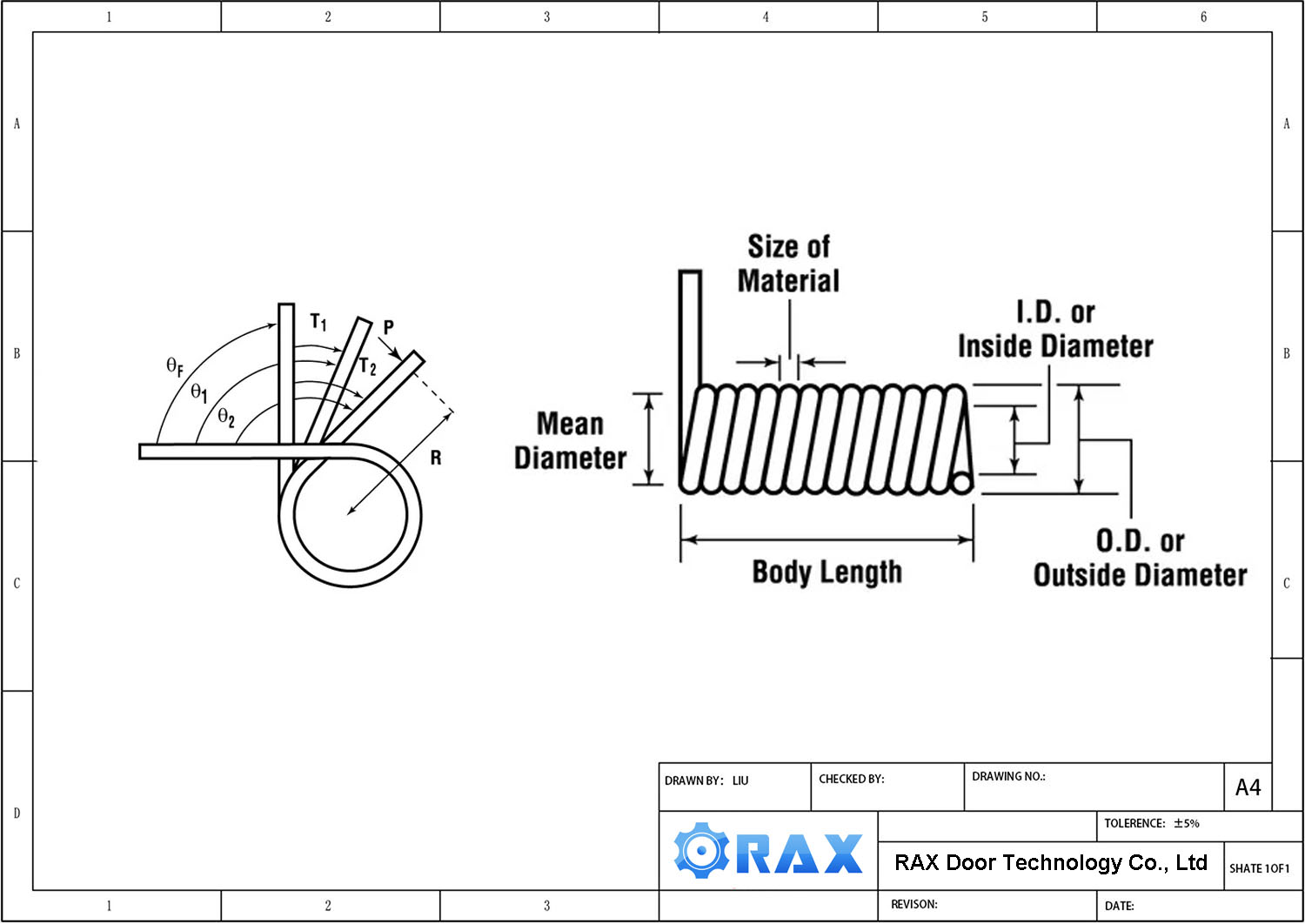
Because stamped doors contain no secondary exterior materials, a standard double-car (16×7 foot) three-layer insulated stamped door weighs between 75kg and 95kg. This standard weight allows the use of economical 1/2 HP operators and standard residential torsion springs rated for 10,000 to 20,000 cycles.
The lower curtain mass places minimal mechanical stress on nylon rollers, horizontal track radiuses, and lifting cables, resulting in lower long-term component wear.
Overlay Door Heavy Mass Demands
Adding solid composite or polymer overlay boards increases total curtain mass by 40 to 60 percent. A 16×7 foot overlay carriage door frequently weighs between 135kg and 180kg.
Managing this heavy dead load requires upgrading to commercial 2-inch track brackets and solid steel shafts. Installers must specify high-torque 24V DC operators rated for 800N to 1000N lifting force. To calculate panel mass and verify spring calibration, consult our guide on aluminum rolling shutter weight.
Long-Term Maintenance: Stamped Steel vs Composite Trim
Long-term maintenance requirements differ significantly between seamless stamped steel and multi-component overlay construction:
Stamped Steel Weather Resistance
Stamped steel panels feature a monolithic exterior surface treated with baked-on polyester enamel finishes. With zero joints or applied trim pieces, rainwater, melting snow, and windblown debris flow smoothly off the surface without collecting in crevices.
Routine maintenance consists solely of an annual rinse with mild automotive soap and semi-annual lubrication of hinges and roller bearings.
Overlay Trim Crevice Maintenance
Overlay doors feature multiple horizontal, vertical, and diagonal joints where trim boards interface with the steel base skin. Over time, road dust, pollen, and moisture can accumulate along these recessed edges.
Homeowners in high-humidity or coastal climates must periodically inspect trim perimeter caulking to prevent water infiltration behind overlay boards. Using soft-bristle brushes during washing keeps composite trim clean and prevents mold or mildew staining.

Cost Comparison and Curb Appeal Resale Value
Evaluating stamped vs overlay garage door panels requires balancing initial purchase budgets against long-term architectural curb appeal and home resale valuation:
Stamped Panels: Maximum Cost Efficiency
Stamped steel carriage house doors deliver outstanding value for budget-conscious homeowners. They provide the classic carriage aesthetic at a price point comparable to standard raised panel doors, making them the preferred choice for starter homes and rental properties.
Their lower initial cost allows homeowners to invest remaining renovation capital into high-performance belt-drive operators and smart home IoT access controls.
Overlay Panels: Luxury Architectural ROI
Overlay carriage house doors command two to three times the price of basic stamped models due to intensive hand-assembly and composite materials. However, on upscale custom residences, overlay doors dramatically elevate facade prestige.
According to national remodeling benchmarks, custom architectural carriage doors consistently return over 95 percent of their installed cost in added home resale value.
Which One Should You Choose: Stamped vs Overlay
When choosing between stamped vs overlay garage door panels, follow these definitive selection criteria:
- Choose Stamped Steel If: You want a classic carriage house aesthetic with minimal maintenance, lighter spring loads, and budget-friendly pricing for standard residential facades.
- Choose Composite Overlay If: You own a luxury custom home, modern farmhouse, or historic residence where three-dimensional shadow depth and architectural authenticity are top priorities.
Always partner with an ISO 9001 certified manufacturer to guarantee certified hardware, precision composite bonding, and durable export crating.
To verify portal rough opening dimensions before ordering, read our detailed guide on how to measure a garage door opening. To choose the right operator horsepower, review our guide on how to choose a garage door opener.
Need assistance choosing between stamped steel profiles and custom composite overlays? Our technical engineering team provides complimentary CAD elevation drawings, door mass calculations, and spring torque specifications.
Frequently Asked Questions About Stamped vs Overlay
What is the main difference between stamped and overlay garage doors?
Stamped doors feature designs pressed directly into the steel surface, while overlay doors feature separate composite trim boards bonded onto the steel base.
Are overlay garage doors heavier than stamped doors?
Yes. Overlay doors weigh 40 to 60 percent more due to applied composite trim boards, requiring heavy-duty torsion springs and high-torque motors.
Do stamped garage doors look cheap compared to overlay doors?
No. Quality stamped steel doors feature realistic woodgrain embossments and look excellent on traditional homes, though they have shallower shadow lines.
Can overlay trim boards fall off over time?
Quality manufacturers use industrial structural adhesives and mechanical fasteners. Periodic inspection of perimeter caulking prevents moisture issues.
Which carriage door style is better for extreme cold climates?
Both styles perform well when equipped with three-layer polyurethane insulation. Overlay doors often feature higher R-values up to R-20.4.