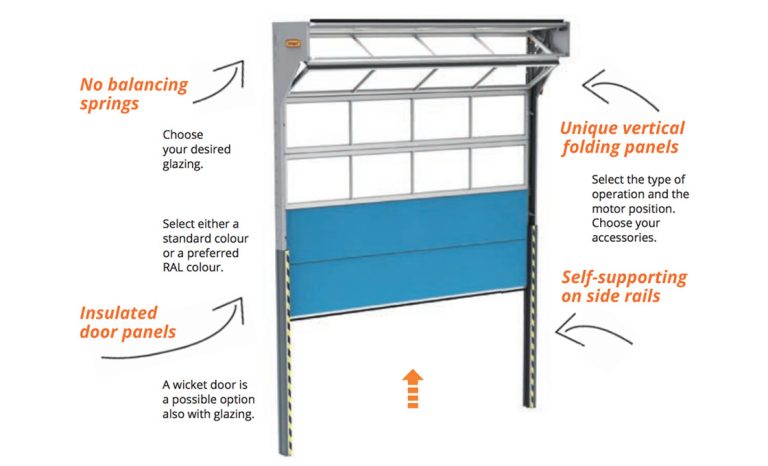
Choosing the right garage door opener is one of the most critical decisions for any residential homeowner, commercial building manager, or installation contractor. A garage door is typically the largest and heaviest moving object on a property, operating 1,500 to 2,500 cycles per year. Selecting the wrong opener mechanism can result in excessive living space noise, premature motor burnout, or costly installation clearance conflicts.
With modern garage automation advancing rapidly into ultra-quiet brushless DC motors, integrated Wi-Fi telemetry, and emergency battery backup systems, navigating the market requires a structured decision process. This comprehensive 2026 buyer’s guide breaks down the five essential steps to choosing the perfect opener: selecting your drive type, sizing motor horsepower, evaluating AC versus DC motors, verifying ceiling clearances, and complying with modern safety mandates.
The 5-Step Selection Framework:
- 1. Drive Mechanism: Choose a steel-reinforced belt drive for bedrooms overhead, a roller chain drive for uninsulated detached shops, or a wall-mount jackshaft to free overhead ceiling storage.
- 2. Motor Horsepower: Specify 1/2 HP (600N) for single-car doors, 3/4 HP (800N) for insulated double-car doors, and 1 to 1-1/4 HP (1000N–1200N) for solid timber or commercial sectionals.
- 3. Motor Technology: Choose 24V Brushless DC (BLDC) for whisper-quiet soft-start/stop and native battery backup capability.
- 4. Spatial Clearance: Ensure at least 2 inches of headroom above the door’s high point of travel for ceiling rails, or 8 inches of sideroom for wall jackshafts.
- 5. Safety & Code Compliance: Confirm dual-reversal UL 325 compliance and integrated battery backup systems required by California SB 969.
Step 1: Choose the Right Drive Type (Belt, Chain, Screw, or Jackshaft)
The drive mechanism is the mechanical linkage that transfers rotational motor torque to the sliding trolley carriage along the central ceiling boom rail. Selecting the right drive type determines the acoustic footprint, maintenance demands, and structural durability of your garage automation system.
1. Belt-Drive Openers (The Quiet Home Standard): Belt drives utilize a high-tensile molded polyurethane belt embedded with continuous flexible steel tension cords. Because there is no metal-on-metal contact, belt drives operate at a whisper-quiet sound level below 50 dBA. The elastomeric belt absorbs motor vibrations before they can transfer into ceiling framing. Belt drives require zero routine lubrication, making them the universal recommendation for attached garages with living space directly overhead.
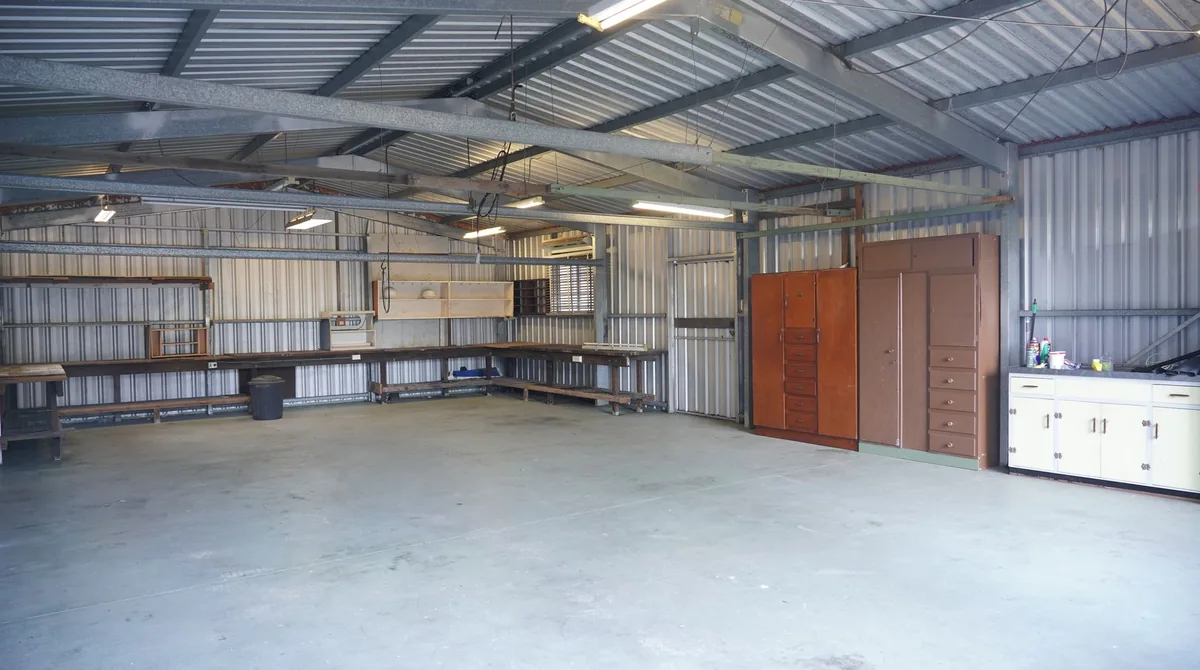
2. Chain-Drive Openers (The Heavy-Duty Workhorse): Chain drives utilize an industrial ANSI carbon-steel roller chain riding over steel sprockets. While chain drives generate an audible mechanical rattle (68 to 72 dBA) and require annual white lithium grease lubrication, they offer unmatched tensile strength (up to 1,500 lbs breaking strength). Chain drives are the most economical choice for uninsulated detached garages, commercial workshops, and heavy solid-core timber carriage doors.
3. Screw-Drive Openers (Direct-Drive Simplicity): Screw drives utilize a direct threaded steel rod housed inside the aluminum rail chassis. As the motor spins the rod, a threaded plastic/bronze carriage moves the door directly. With fewer moving parts than a chain or belt, screw drives offer fast opening speeds and simple maintenance, though they are sensitive to freezing temperatures when lubricated with heavy grease.
4. Wall-Mount Jackshaft Operators (Space-Saving Direct Drive): Jackshaft operators mount directly to the wall adjacent to the garage door opening, coupling directly to the solid or hollow torsion spring shaft. By eliminating overhead ceiling rails entirely, jackshaft openers free up precious ceiling height for overhead storage racks, car lifts, or cathedral ceiling aesthetics while operating virtually silently.
| Drive Type | Acoustic Rating | Maintenance Needs | Ideal Application |
|---|---|---|---|
| Belt Drive (Steel-Reinforced) | Ultra-Quiet (<50 dBA) | Zero lubrication required | Attached garages with bedrooms or offices directly above |
| Chain Drive (Full Roller) | Moderate (68 – 72 dBA) | Annual chain lubrication & tensioning | Detached garages, heavy custom wood doors, budget builds |
| Screw Drive (Direct Thread) | Moderate (60 – 65 dBA) | Periodic lithium grease on steel rod | Regions with steady moderate climates; wide double-doors |
| Wall-Mount Jackshaft | Ultra-Quiet (<48 dBA) | Minimal (Direct shaft coupling) | High-lift tracks, cathedral ceilings, car lifts, overhead storage |
Step 2: Select the Correct Motor Power (Horsepower & Newton Force Sizing)
Selecting the correct motor rating ensures your opener operates smoothly without thermal strain, extending gear and motor lifespan.
| Door Type & Dimensions | Door Weight (lbs) | Minimum Horsepower Rating | Recommended Force Rating |
|---|---|---|---|
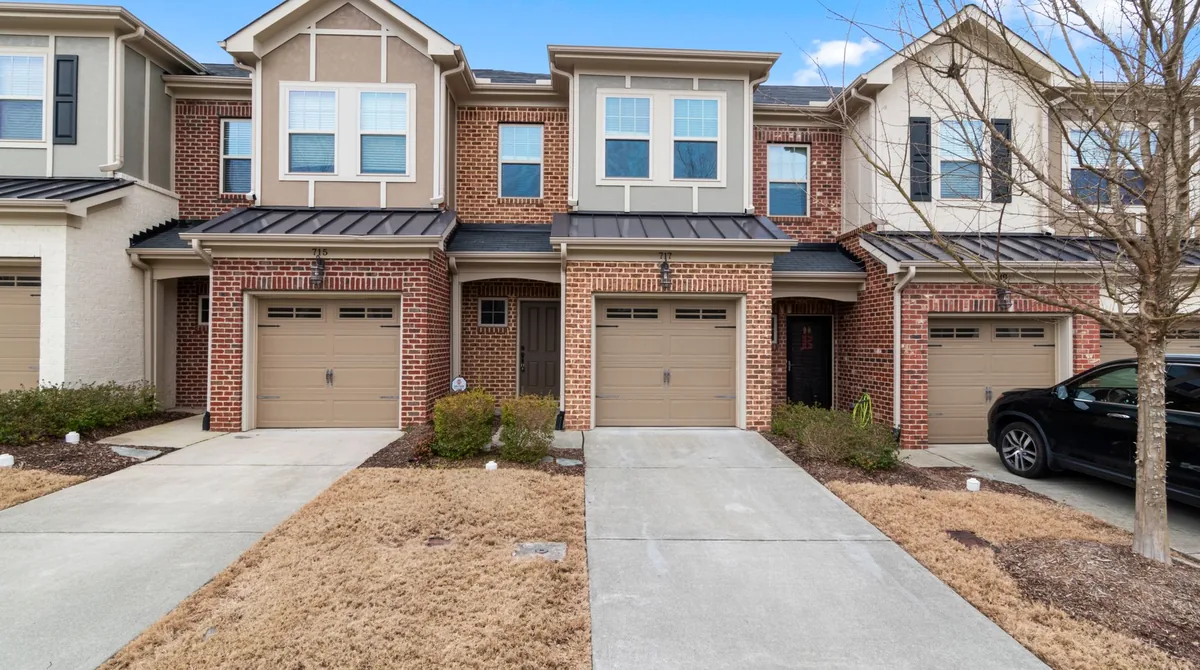
| Single-Car Steel (8×7 or 9×7 Uninsulated) | 75 – 120 lbs | 1/3 HP to 1/2 HP | 500N – 600N DC |
| Double-Car Insulated Steel (16×7 or 16×8) | 150 – 240 lbs | 1/2 HP to 3/4 HP | 800N DC (Soft-Start) |
| Solid Timber Carriage House Door | 300 – 450+ lbs | 3/4 HP to 1-1/4 HP | 1000N – 1200N DC |
| Commercial Sectional / Rolling Steel | 400 – 1000+ lbs | 1.5 HP to 2+ HP | Continuous-Duty 3-Phase Operator |
The Counterbalance Principle: Remember that a garage door opener is not designed to deadlift a 300-pound door. In a properly balanced system, high-tension torsion springs counterbalance 90% of the door weight. The motor only exerts 10 to 20 pounds of physical pulling force to guide the door. However, higher horsepower ratings (such as 3/4 HP or 1-1/4 HP) utilize heavier gearboxes and larger motor windings that run cooler and last years longer.
Step 3: Pick Your Motor Technology (AC Induction vs. 24V DC Brushless)
When shopping for an opener, you will encounter two primary motor architectures: traditional AC induction motors and modern 24V Brushless DC motors.
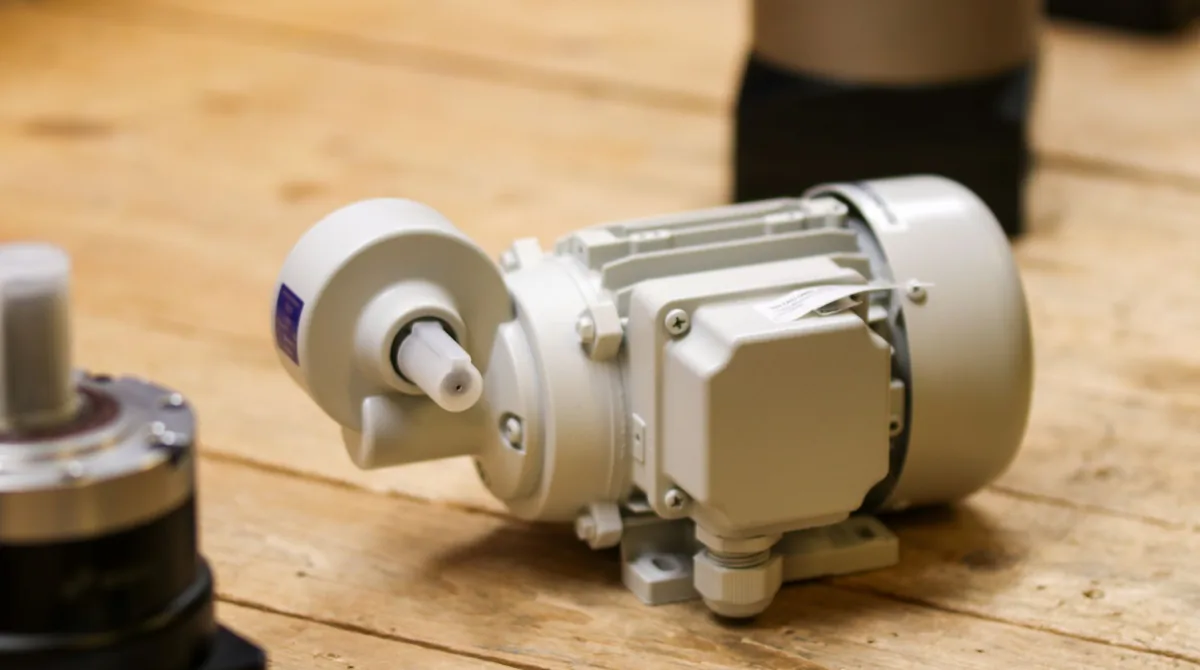
- AC Induction Motors: Proven, simple, and economical for standard residential use. However, AC motors run at a single fixed rotational speed, starting with an abrupt mechanical jerk and stopping suddenly at the limit switch. They produce a noticeable electromagnetic hum and structural vibration through ceiling joists into upstairs bedrooms.
- 24V Brushless DC (BLDC) Motors: Modern DC motors represent the current global engineering standard. They offer digital variable-speed control with gradual soft-start acceleration and smooth soft-stop deceleration. They run substantially quieter (<50 dBA), reduce mechanical wear on door hinges, rollers, and torsion cables, and connect smoothly with integrated battery backup systems.
Step 4: Check Ceiling Height & Spatial Clearances (Headroom & Backroom)
Before purchasing an opener, take three physical measurements inside your garage to ensure mechanical compatibility.

- Headroom (Header to Ceiling): Standard ceiling-mounted trolley openers require at least 2 inches (50 mm) of clearance between the highest point of door travel and the ceiling. If you have low headroom (less than 10 inches total from door header to ceiling), you may need low-headroom quick-turn brackets or a wall-mount jackshaft opener.
- Backroom (Depth into Garage): A standard trolley opener requires the door height plus roughly 4 feet of ceiling depth (approx. 10 to 11 feet of clear ceiling depth for a standard 7-foot high door). Check for obstructions such as overhead beams, HVAC ductwork, or attic access hatches.
- Sideroom (For Wall-Mount Jackshafts): Wall-mounted operators mount directly beside the torsion spring tube and require at least 8 inches of clear wall space beside the door opening, along with an electrical outlet within 6 feet.
Step 5: Mandatory Safety Codes & Features (UL 325 & Battery Backup Laws)
Garage door openers are governed by strict federal and regional safety standards to protect occupants and property.

- UL 325 Federal Entrapment Protection: Mandates two independent safety reversal mechanisms: non-contact infrared safety photo eyes mounted 4 to 6 inches above the floor, and contact auto-reversal that reverses door travel within 2 seconds of striking a 1.5-inch obstacle on the ground.
- California SB 969 Compliance: Requires all residential openers sold or installed in California to feature an integrated battery backup system, ensuring operation during wildfire electrical outages.
- Rolling-Code Radio Security: Protects against code-grabbing scanners by generating a dynamic, single-use cryptographic security code from billions of permutations with every remote button press.
Step 6: Smart Home Ecosystems, Security Cameras, and Accessories
Modern garage door openers serve as high-security smart access terminals. Evaluating smart features and accessories ensures convenient daily operation for the entire household.
- Integrated Wi-Fi & Smartphone Apps: Built-in Wi-Fi platforms (such as myQ or Aladdin Connect) allow you to check door open/close status, receive instant push notifications if the door is left open, and set automatic closing timers at night.
- Integrated HD Security Cameras: Many premium DC belt openers feature built-in 1080p wide-angle cameras with motion detection and two-way audio, providing real-time video surveillance of your garage interior.
- Exterior Wireless Keyless Entry: Weatherproof digital keypads mounted to the exterior door jamb allow family members, service workers, or children returning from school to enter using a private 4-digit PIN code without carrying keys.
- Smart Home Integration: Compatibility with Apple HomeKit, Amazon Alexa, Google Home, and home automation systems allows automated geofencing routines that open the door as your car approaches the driveway.
Master Comparison & 5-Year Total Cost of Ownership Matrix
To select the best long-term investment, evaluate initial purchase price alongside five-year total operating costs.
| Opener Category | Retail Price (Unit Only) | Installed Cost (Pro) | 5-Year Maintenance | Best Value Recommendation |
|---|---|---|---|---|
| Basic Chain Drive (1/2 HP AC) | $150 – $190 | $300 – $380 | $40 (Lube & tension) | Best budget option for detached garages |
| Smart Belt Drive (3/4 HP DC with Battery) | $240 – $340 | $420 – $550 | $35 (Battery replacement) | BEST OVERALL FOR HOMES |
| Wall-Mount Jackshaft (1-1/4 HP DC) | $380 – $520 | $600 – $800 | $35 (Battery replacement) | Best for high-lift, car lifts & ceiling space |
Frequently Asked Questions: Garage Door Opener Selection & Sizing
What is the best type of garage door opener for a residential home?
For homes with attached garages, a steel-reinforced belt-drive opener powered by a 24V brushless DC motor is the best overall choice. It delivers whisper-quiet sound levels (<50 dBA), smooth soft-start acceleration, smartphone app control, and battery backup support.
What horsepower garage door opener do I need for a 2-car garage?
A standard double-car insulated steel door (16×7 or 16×8 feet) weighing 150 to 240 lbs requires a 3/4 HP (or 800N DC) motor. This rating provides ample power for smooth operation without straining internal gears.
When should I choose a wall-mount jackshaft opener?
Choose a wall-mount jackshaft opener if your garage has cathedral ceilings, high-lift vertical tracks, overhead storage racks, or vehicle parking lifts where ceiling-mounted rails would create a clearance conflict. Jackshafts require standard sectional doors with torsion springs.
Is a battery backup system necessary on a garage door opener?
Yes, a battery backup is highly recommended for security and safety. In California, it is legally mandated by SB 969. A battery backup ensures you can open your garage door during electrical blackouts, severe storms, or natural disasters without manual lifting.
How much headroom clearance is needed for an overhead garage door opener?
Standard ceiling trolley openers require at least 2 inches (50 mm) of clearance above the highest point reached by the door during travel. If ceiling clearance is less than 2 inches, low-headroom track adapters or a side-mount jackshaft opener are required.