Vehicle bumper impacts, severe hail, and track binding frequently damage residential overhead garage doors. Homeowners face a critical dilemma when choosing between garage door panel replacement vs full door replacement. Ordering a single section for an obsolete door leads to mismatched joint profiles and unbalanced spring tension.
This technical guide evaluates panel replacement versus full replacement across structural integrity, aesthetics, and counterbalance dynamics. Based on factory manufacturing standards across 24V DC belt operators, precision assemblies deliver quiet performance below 45 dB. They ensure reliable operation across 25,000 continuous duty cycles.
How Sectional Garage Door Panels Are Replaced
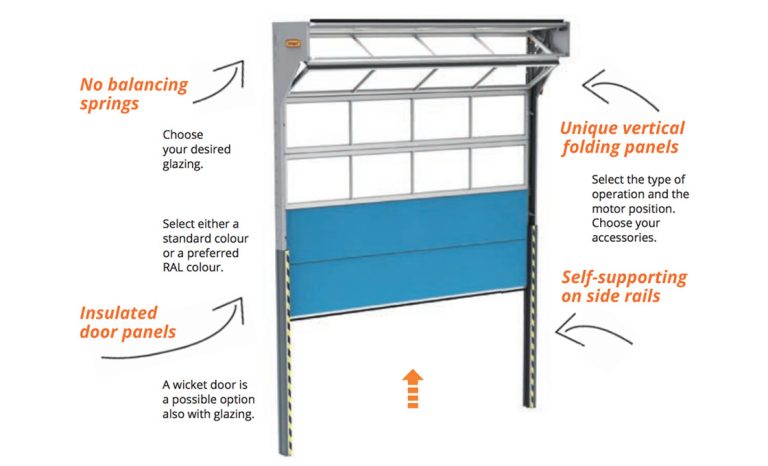
Modern sectional garage doors consist of three to five independent horizontal panels interconnected by heavy-duty galvanized steel hinges and roller brackets. Understanding the mechanical interface between these sections determines whether targeted panel replacement is physically feasible:
Modular Hinge and Roller Attachment
Because each panel operates as an autonomous structural unit, professional technicians can isolate and unbolt intermediate end hinges and center hinges. Technicians secure the overhead torsion spring assembly before releasing track tension. Individual damaged panels are then unfastened and slid out horizontally without dismantling the entire ceiling framework.
However, extracting panels requires strict mechanical safety protocols. The bottom panel directly anchors the lower corner brackets, which hold the high-tension counterbalance aircraft cables. Disconnecting these brackets while the torsion spring is under tension can cause violent hardware release and severe physical injury.
Structural Interlocking Joint Profiles
Horizontal panel edges utilize precision roll-formed tongue-and-groove or patented pinch-resistant shiplap joints fitted with continuous EPDM rubber weatherstripping. These interlocking joints provide weather resistance against driving rain and prevent exterior wind infiltration.
When sourcing a replacement panel, the tongue-and-groove joint geometry must match the existing adjacent panels down to exact millimeter tolerances. Even a two-millimeter difference in profile curvature prevents the panels from nesting securely, resulting in air leakage, panel binding, and premature motor powerhead gear wear.

Panel Repair vs Full Replacement Comparison Table
Review this decision matrix comparing individual panel repair against complete door replacement across key operational and financial metrics:
| Decision Factor | Single Panel Replacement | Full Door Replacement |
|---|---|---|
| Recommended Damage Scope | 1 isolated section with minor dent | 2+ creased sections or frame warping |
| System Age Threshold | Doors under 10 years old | Doors over 15 years old |
| Aesthetic Color Uniformity | May exhibit minor UV fading variance | 100% uniform factory baked finish |
| Mechanical Warranty Scope | Covers replaced section only | Full comprehensive multi-year warranty |
| Thermal Efficiency Upgrade | Maintains existing baseline R-value | Enables upgrade to premium R-18.4 PU |
| Track & Spring Condition | Reuses existing tracks and springs | Includes brand-new tracks, springs & rollers |
| Installation Downtime | 1.5 to 2.5 hours | 3.5 to 5.0 hours complete installation |
When to Replace Individual Panels
Replacing individual garage door panels is the most economical and efficient solution when physical damage is strictly localized and the surrounding system remains mechanically sound:
Isolated Minor Impact Damage
When evaluating garage door panel replacement vs full door replacement, the most common scenario involves a vehicle backing into the bottom or second panel at low speed. If the impact dents the metal skin without bending vertical tracks or twisting overhead rails, replacing that single panel restores structural integrity. It also completely restores exterior cosmetic appearance.
In this situation, the upper sections, counterbalance torsion spring assembly, vertical tracks, and electric motor operator remain in excellent operating condition. Swapping the damaged panel costs significantly less than a full system overhaul and can be completed in less than two hours by a certified technician.
Newer Doors with Available Parts
If your garage door is under 10 years old and was manufactured by an established brand with active production lines, sourcing an identical replacement panel is straightforward. Manufacturers maintain cataloged stamping dies and standardized paint codes (such as standard white, almond, bronze, and charcoal gray).
Ordering a factory-original panel guarantees that the horizontal stamping lines, window insert dimensions, and insulation density match your existing door sections perfectly, preserving uniform exterior curb appeal.
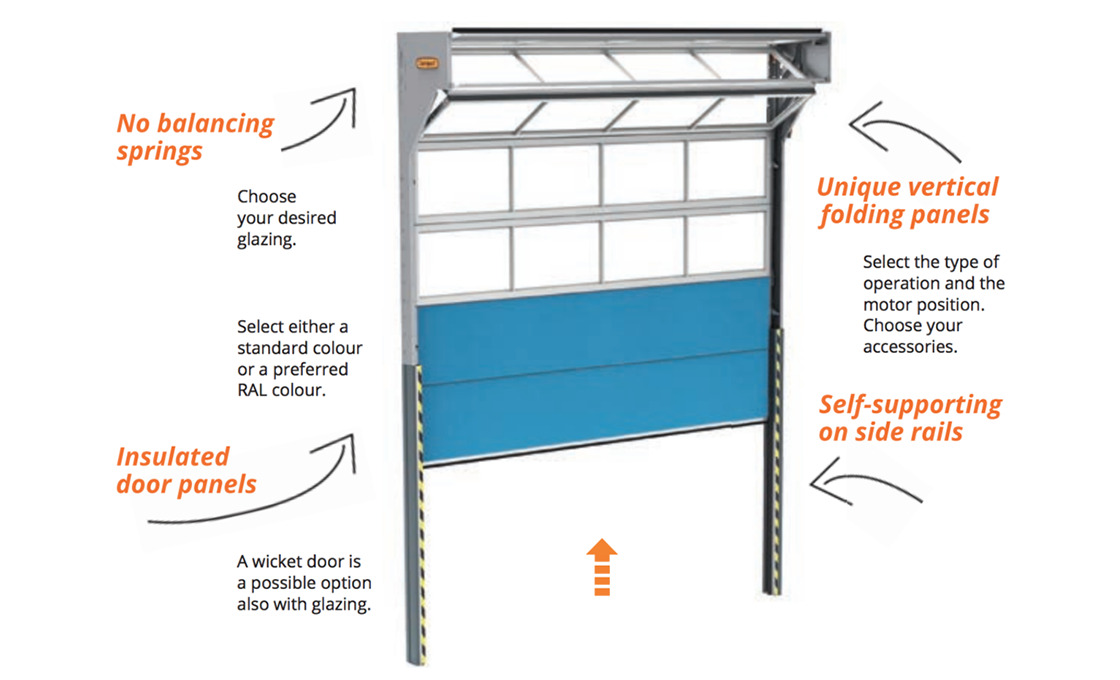
We supply custom-fabricated polyurethane insulated panels, heavy-duty 2-inch tracks, and whisper-quiet 24V DC belt operators. Direct factory export with certified hardware.
When Full Door Replacement Is Mandatory
When analyzing garage door panel replacement vs full door replacement, repairing individual panels is often mechanically impractical, structurally unsafe, or financially wasteful. Several clear diagnostic indicators mandate replacing the complete overhead entrance system:
Multiple Damaged Sections and Creasing
When an impact damages two or more adjacent panels, the overall vertical alignment of the door is permanently distorted. Severe horizontal creases weaken the structural steel skin, causing the panels to sag in the middle when fully open. Bent panels bind against track walls as the door articulates through curved track radiuses. This mechanical binding triggers automatic motor reversals and strips internal powerhead drive gears.
Furthermore, bent sections break the thermal seal between panels, allowing drafty air and moisture to infiltrate the garage interior and degrading climate control in attached living areas.
Aged Systems Exceeding 15 Years
Garage door systems operating for over 15 years suffer from cumulative metal fatigue across all mechanical subsystems. Decades of continuous cycling cause cable fraying, track channel wear, roller bearing degradation, and internal torsion spring micro-fractures.
Investing significant funds to install new panels onto an aged, fatigued tracking system leaves the door vulnerable to unexpected component breakdowns. Installing a complete modern door system ensures full mechanical compatibility, upgraded safety reversal sensors, and comprehensive factory warranty protection.

The 50 Percent Financial Decision Rule
Professional garage entrance contractors utilize the 50 Percent Rule to guide homeowner investment decisions during repair evaluations:
Calculating Repair vs Replacement Cost
The 50 Percent Rule provides a practical financial benchmark. If total repair costs, specialized freight shipping, and labor exceed 50 percent of a new door price, choose complete replacement.
Ordering a single non-insulated panel is economical. However, ordering two premium polyurethane insulated sections with custom paint frequently reaches 70 percent of a new door price. Spending that proportion on an older door represents poor financial stewardship.
Hidden Costs of Multiple Panel Repairs
Replacing multiple panels often introduces secondary repair expenses. Older torsion springs cannot adequately balance new, denser insulated panels, requiring mandatory spring replacement. To calculate panel dead weight accurately and select proper spring ratings, consult our technical guide on aluminum rolling shutter weight.
Additionally, complete new doors incorporate modernized high-efficiency polyurethane foam cores (R-16 to R-18.4), providing long-term thermal energy savings that offset initial purchase costs over several seasons.
Spring Rebalancing and Track Alignment
Replacing sectional garage door panels is not merely a cosmetic repair; it directly alters the mechanical balance and physics of the entire entrance:
Counterbalance Torsion Spring Recalibration
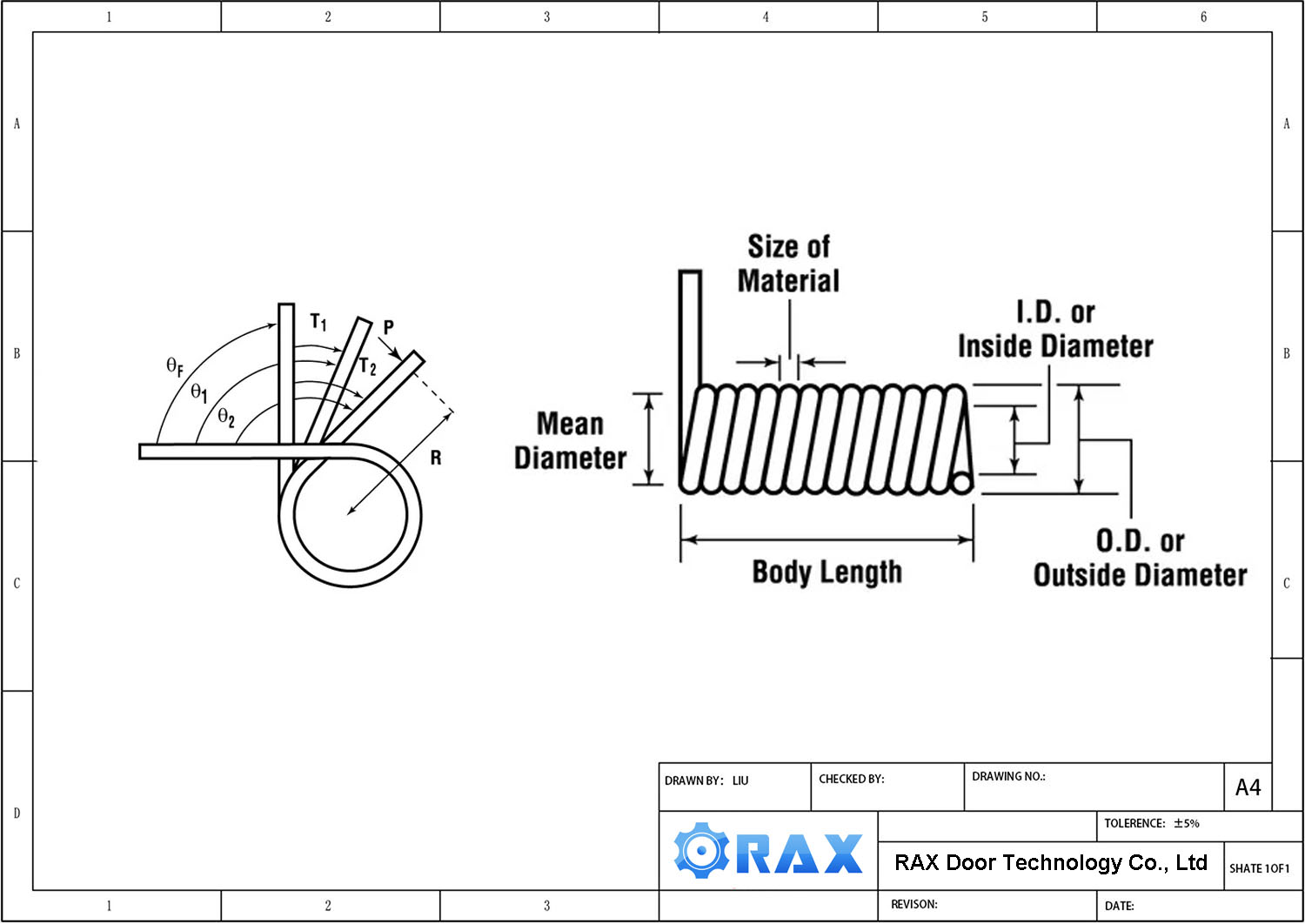
Garage door torsion springs are engineered according to ASTM counterbalance standards to precisely offset the exact physical mass of the door curtain. When an old wood or waterlogged panel is replaced with a modern polyurethane sandwich panel, the overall door weight changes.
An unbalanced door places severe strain on the electric opener motor powerhead, leading to stripped nylon drive gears, blown logic boards, or motor overheating. Certified technicians calculate rotational torque using standard torque formulas. They re-tune spring winding turns until the door floats effortlessly at mid-travel during manual testing.
Vertical Track Plumb and Spacing Checks
Impacts that crush garage door panels frequently transfer kinetic energy into vertical track brackets, pushing the tracks out of plumb. Technicians must verify vertical track plumbness within strict 3mm tolerances and adjust track spacing to ensure smooth roller travel without binding.
Which One Should You Choose: Panel vs Full Door
When deciding between garage door panel replacement vs full door replacement, carefully evaluate immediate budget limits against long-term operational safety and energy efficiency. For newer doors with isolated cosmetic damage, sourcing a single OEM replacement panel provides maximum cost savings.
Always partner with an ISO 9001 certified manufacturer to guarantee certified hardware, precision roll-formed joint tolerances, and comprehensive structural testing. Certified manufacturing ensures seamless panel interlocking and durable performance.
For complete installation steps, read our guide on garage door opener installation guide. To verify rough opening dimensions, check our manual on how to measure a garage door opening. To choose the right operator horsepower, review our guide on how to choose a garage door opener.
Unsure whether your damaged garage door requires a single panel replacement or full replacement? Our technical engineers provide complimentary photo audits, CAD profile verification, and replacement section sourcing.
Frequently Asked Questions About Panel Replacement
Can you replace just one panel on a garage door?
Yes. If damage is isolated to a single section and the model is active, replacing just that panel is fast and cost-effective.
How much does it cost to replace a single garage door panel?
A single replacement panel typically costs a fraction of a full door, depending on insulation density, steel gauge, and freight delivery.
Will a new replacement panel match the color of my old door?
New panels feature factory-fresh paint. If your existing door has been exposed to years of sunlight, slight fading differences may occur.
Can I replace a garage door panel myself?
Replacing the bottom panel is dangerous because it connects directly to high-tension torsion cables. Professional installation is strongly recommended.
When is it better to replace the whole garage door?
Replace the full door if two or more panels are damaged, the door is over 15 years old, or repair costs exceed 50 percent of a new door.