When choosing an automatic garage door opener, the most fundamental mechanical decision you will make is selecting between a chain-drive and a belt-drive system. These two drive mechanisms represent over 85% of all residential and light commercial garage door opener installations worldwide.
While both drive types utilize an electric motor powerhead mounted to a central ceiling boom rail, their mechanical construction, noise profiles, maintenance requirements, and upfront costs differ dramatically. Choosing the wrong drive mechanism can result in unwanted structural vibration waking up family members in bedrooms above the garage, or an under-powered belt struggling to lift an oversized solid timber carriage door. This detailed engineering comparison examines noise decibels, tensile strength, long-term maintenance, five-year total cost of ownership (TCO), and architectural layout factors.
Quick Comparison Summary:
- Noise Level: Belt drives operate at a whisper-quiet 48 to 52 dBA (similar to rainfall). Chain drives produce 65 to 72 dBA with audible metal-on-metal vibration.
- Best for Living Spaces: Belt drives are essential for attached garages with bedrooms or home offices located directly above or adjacent to the garage.
- Lifting Strength: Full-roller steel chains deliver unmatched tensile durability for heavy uninsulated double doors, solid timber carriage doors, and high wind-load doors exceeding 350 lbs.
- Maintenance: Belts require zero lubrication and do not stretch. Chains require annual lubrication and periodic turnbuckle tension adjustments to prevent slack sag.
Chain Drive vs. Belt Drive: How the Two Mechanisms Compare
The primary difference between these two systems lies in the flexible drive medium that transfers rotational motor torque to the sliding trolley carriage.
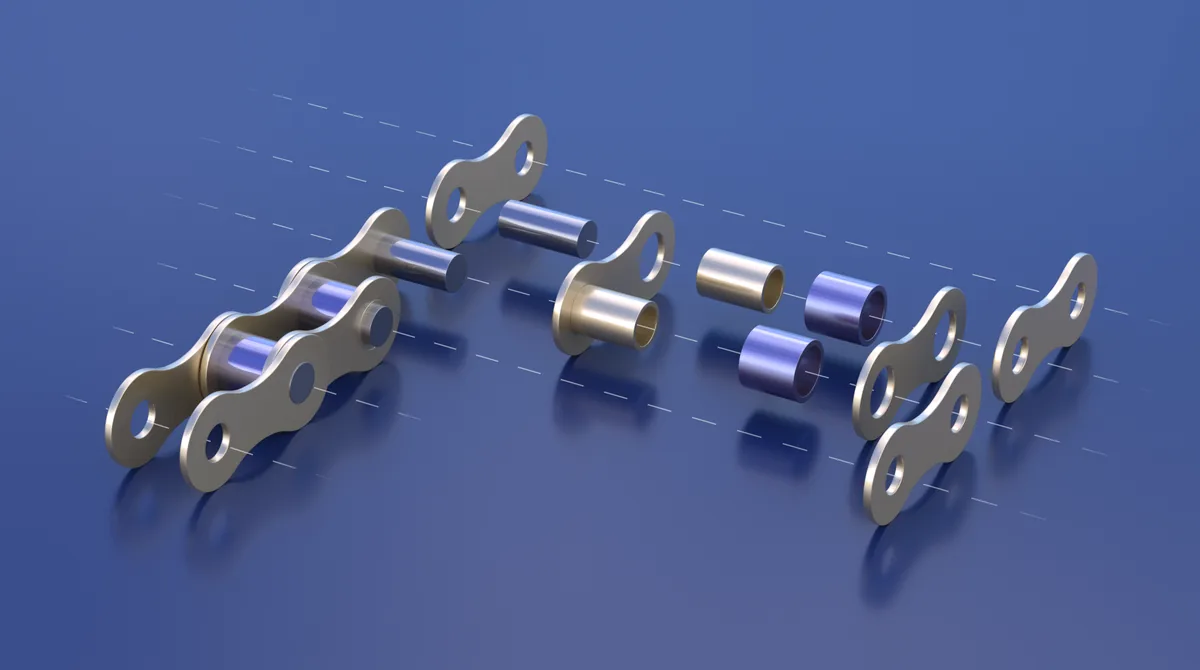
Chain-Drive Openers: Chain drives utilize a classic heavy-duty steel roller chain (typically ANSI #41 or #48 bicycle-style linkage) wrapped around a motor drive sprocket at the powerhead and an idler sprocket at the front header bracket. As the motor turns, the interlocking steel chain pulls the carriage trolley back and forth along the steel T-rail. The direct metal-to-metal engagement delivers extraordinary mechanical grip and tensile strength, but produces acoustic rattle as steel links ride over the metal boom.
Belt-Drive Openers: Belt drives replace the metal chain with a seamless molded polyurethane or thermoplastic elastomer belt embedded with internal high-tensile steel tension cords. The underside of the belt features molded gear teeth that mesh smoothly with a grooved drive pulley on the motor shaft. The flexible elastomeric belt acts as a natural vibration dampener, absorbing motor harmonics and eliminating metal-on-metal contact entirely.
| Feature / Specification | Chain-Drive Opener | Belt-Drive Opener |
|---|---|---|
| Operating Sound Level | 65 – 72 dBA (Audible mechanical rattle) | 48 – 52 dBA (Whisper quiet) |
| Drive Material Construction | Heat-treated carbon steel roller chain | Steel-reinforced polyurethane belt |
| Tensile Pulling Strength | Extremely High (Up to 1,500 lbs breaking strength) | High (Up to 1,000 lbs breaking strength) |
| Ongoing Maintenance | Requires annual white lithium lubrication & tensioning | Zero lubrication required; self-tensioning spring |
| Average Equipment Cost | $160 – $250 (Economical) | $230 – $380 (Premium) |
| Expected Operating Lifespan | 12 to 18 Years | 10 to 15 Years (Belt warranty often lifetime) |
Acoustic Noise and Vibration: Decibel Ratings and Living Space Impact
Acoustic performance is frequently the single most decisive factor for homeowners when choosing between chain and belt garage door openers. In modern two-story home architecture, bonus rooms, nurseries, and master suites are commonly constructed directly above the garage framing.
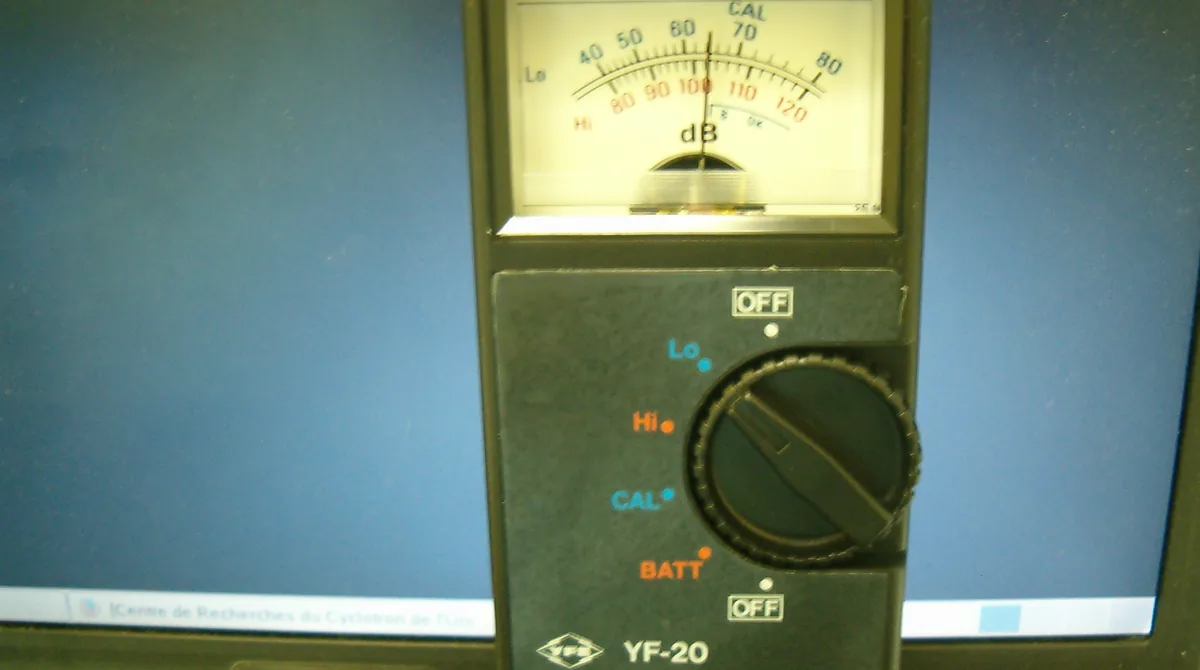
Noise generated by an opener travels through two distinct physical pathways:
- Airborne Noise (Acoustic Pressure): The direct sound of the electric motor spinning, the individual chain links clattering over metal drive sprockets, and steel rollers traveling in tracks. Traditional chain drives produce roughly 68 to 72 dBA of airborne sound, while modern belt drives emit only 48 to 52 dBA. Because the decibel scale is logarithmic, a 10 dBA increase represents a perceived doubling in sound volume. A chain drive is audibly twice as loud as a belt drive.
- Structure-Borne Vibration: When a chain drive operates, the heavy metal roller chain slaps intermittently against the steel boom rail under dynamic motor pulses. This mechanical vibration transfers directly through the steel ceiling hanging brackets into the wooden ceiling joists and subflooring of living areas overhead, creating a low-frequency rumble that can vibrate bed frames and walls. Belt drives act as elastomeric shock absorbers, isolating the ceiling framing from vibrational transfer.
Lifting Power and Durability: Matching Drive Type to Door Weight
While both chain and belt openers can automate standard residential doors, heavy architectural doors and extreme environmental climates place distinct physical demands on the drive mechanism.
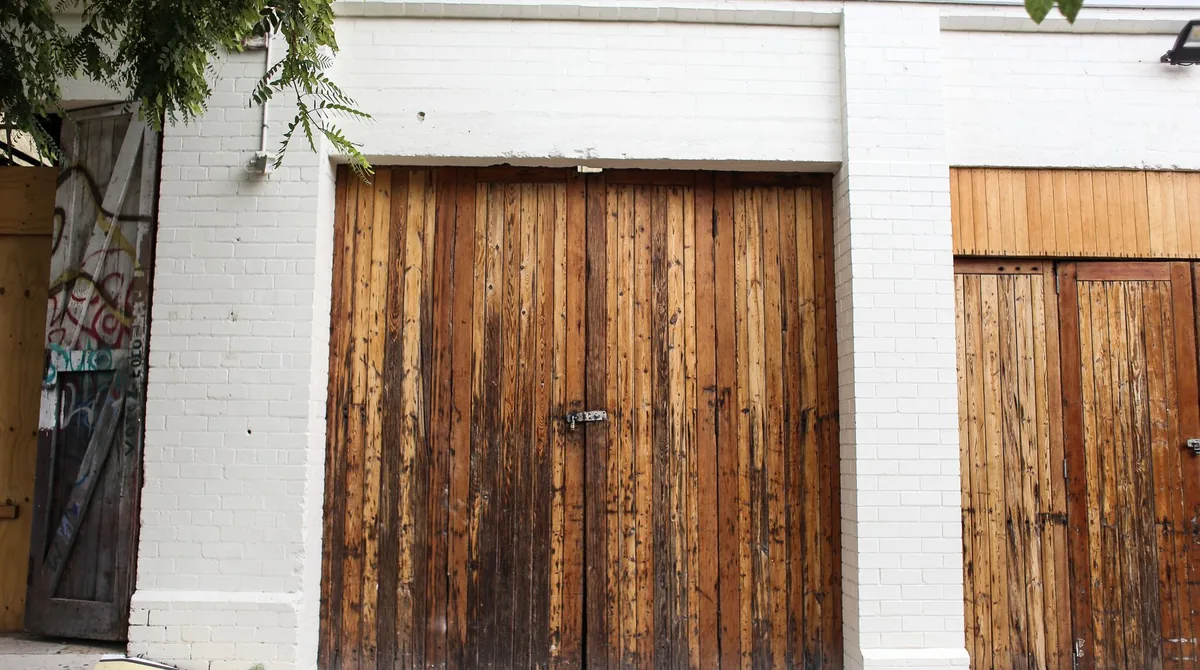
When Chain Drives Excel: Heavy solid-core carriage house doors made of mahogany, cedar, or oak often weigh between 300 and 450+ pounds. In extreme northern climates where winter temperatures drop below -20°F (-29°C), or unheated commercial workshops subjected to freezing frost, heavy roller chains offer zero risk of tooth shearing or stiffness. A 3/4 HP or 1-1/4 HP chain drive provides maximum brute-force mechanical reliability, capable of breaking through frozen floor seals without drive medium distortion.
When Belt Drives Excel: Modern insulated polyurethane steel doors (such as R-16 double-car sectionals weighing 160 to 240 lbs) are perfectly matched to 3/4 HP DC belt drives. The internal continuous steel tension cords in premium belts prevent stretching and tooth stripping, allowing the opener to lift double-car doors effortlessly while maintaining whisper-quiet operation. In coastal environments with high salt-fog air, polyurethane belts will never corrode or rust, unlike standard carbon steel chains that require frequent anti-rust coatings.
Drive Tension and Maintenance: Lubrication, Sag, and Turnbuckle Adjustments
Long-term maintenance requirements represent a major practical difference between chain and belt drives.
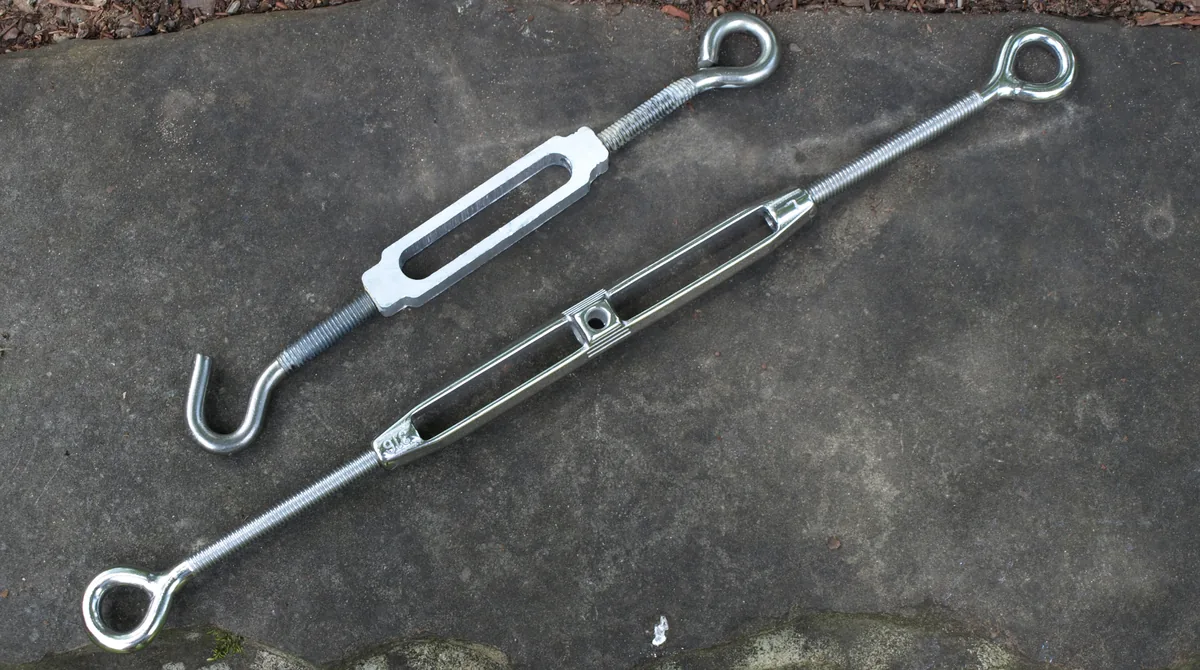
Chain Maintenance Checklist (Every 12 Months):
- Annual Lubrication: Apply non-greasy white lithium spray lubricant or specialized non-tacky garage door chain spray to all roller links and the powerhead drive sprocket annually. Avoid heavy motor oil, WD-40, or automotive chassis grease, which attract abrasive road dust and airborne sawdust into link pins.
- Sag Calibration & Turnbuckle Adjustment: Over time, microscopic link pin wear causes the metal chain to elongate (sag). If the chain droops more than 1/2 inch below the bottom edge of the rail chassis, use two 7/16″ open-end wrenches to adjust the tension nuts on the trolley turnbuckle until the chain rides exactly 1/4″ to 1/2″ above the rail base. Do not overtighten, as excessive tension increases lateral load on motor drive bearings.
- Sprocket Alignment Check: Inspect the teeth on the drive and idler sprockets for hooked or rounded wear patterns, ensuring the chain runs straight along the center axis of the T-rail without rubbing against the side flanges.
Belt Maintenance Checklist (Completely Lubrication-Free):
- Zero Lubrication Required: Drive belts must remain completely dry and clean throughout their operating life. Never apply grease, silicone spray, or petroleum solvents to a polyurethane belt, as chemical additives dissolve elastomer binders and cause premature tooth failure.
- Auto-Tensioning Spring Inspection: Premium belt openers feature a calibrated compression spring seated against the trolley tensioner rod that automatically compensates for thermal expansion and contraction during extreme seasonal temperature shifts. Verify annually that the spring coils remain under nominal compression without bottoming out.
5-Year Cost Breakdown & Total Cost of Ownership (TCO)
Evaluating the true financial difference between chain and belt openers requires factoring in initial purchase cost, professional installation, and ongoing maintenance over five years of operation.

| Cost Component (5-Year Window) | Chain-Drive Opener (1/2 – 3/4 HP) | Belt-Drive Opener (3/4 – 1-1/4 HP DC) |
|---|---|---|
| Hardware Purchase Price | $170 – $240 | $250 – $380 |
| Professional Installation Labor | $150 – $220 | $150 – $220 |
| Lubrication & Maintenance Supplies | $40 (Lithium grease & cleaner) | $0 (Maintenance-free belt) |
| Backup Battery Replacement (Year 4) | $0 (Most basic chains lack backup) | $35 – $50 (Replacement 12V cell) |
| 5-Year Total Cost of Ownership | $360 – $500 | $435 – $650 |
Over five years, a premium belt drive costs roughly $75 to $150 more in total than a chain drive—equating to less than $2.50 per month for near-silent operation and zero routine lubrication hassle.
Architectural Decision Guide: Attached vs. Detached Garages
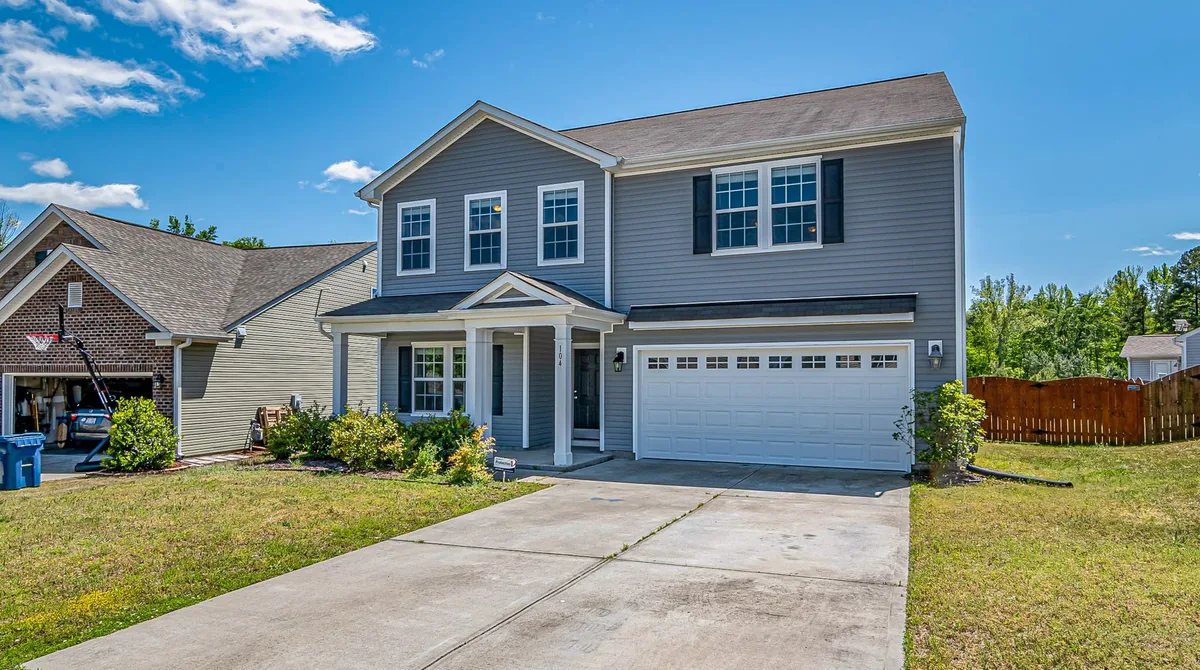
Your home’s floor plan and structural layout provide the ultimate guide for selecting between chain and belt drives.
| Home & Garage Layout | Recommended Drive Type | Primary Engineering Rationale |
|---|---|---|
| Bedroom, Nursery, or Office Directly Above Garage | Belt Drive (Mandatory) | Prevents low-frequency structure-borne vibration from traveling up floor joists into living spaces during late-night or early-morning departures. |
| Attached Garage with Single-Story Layout (No Rooms Above) | Belt Drive (Preferred) or Chain Drive | Belt is preferred for quiet home comfort; chain drive is acceptable if garage walls are well-insulated and sound transmission is not a concern. |
| Detached Garage, Workshop, or Outbuilding | Chain Drive (Best Value) | Noise does not affect living quarters. Steel roller chain delivers maximum heavy-duty durability at the lowest upfront hardware cost. |
| High-Lift Track / Vaulted Cathedral Ceiling | Wall-Mount Jackshaft (Direct Drive) | Eliminates ceiling drop brackets and long rail sag entirely, mounting directly beside the torsion spring shaft on the wall. |
Frequently Asked Questions About Chain vs. Belt Openers
Which is better: a chain drive or belt drive garage door opener?
Belt drives are superior for attached homes due to their whisper-quiet operation (<52 dBA), zero lubrication needs, and vibration dampening. Chain drives are the best budget-friendly option for detached garages or heavy solid wood doors where noise is not a factor.
Do garage door opener belts break or stretch over time?
Modern opener belts are molded from polyurethane reinforced with embedded continuous steel tension cords. They do not stretch, slip, or snap under normal residential use and frequently come backed by lifetime manufacturer warranties.
How much quieter is a belt drive than a chain drive?
A belt drive operates around 48 to 52 dBA, while a chain drive operates at 68 to 72 dBA. Because the decibel scale is logarithmic, a belt drive is perceived as roughly half as loud as a traditional chain drive with virtually zero structural vibration.
How often should you lubricate a chain drive garage door opener?
Chain drives should be lubricated once a year using a specialized spray-on white lithium grease or non-tacky garage door lubricant. Drive belts should never be lubricated, as oils degrade polyurethane materials.
Can you convert a chain drive garage door opener to a belt drive?
Some manufacturers (such as Chamberlain and LiftMaster) offer belt rail conversion kits for compatible AC/DC motor powerheads. However, because older chain powerheads still produce motor hum, replacing the entire unit with a modern 24V DC belt opener is more cost-effective.