Coastal marine atmospheres expose commercial facilities and beachfront properties to airborne sea salt spray, high humidity, and intense solar ultraviolet radiation. Traditional steel closures frequently corrode rapidly under these conditions.
When studying why aluminium is best for coastal and harsh environments, facility engineers observe how 6063-T6 architectural aluminum naturally resists severe chloride chemical attacks. Drawing from our factory manufacturing standards across marine-grade aluminum roller doors, anodized storefront closures, and storm wind-lock systems, this technical guide explains coastal metallurgy. We examine self-healing oxide chemistry, salt spray testing, and galvanic isolation.
Coastal Door Materials: Engineering Comparison Matrix
Before reviewing chemical passivation physics, examine this comprehensive matrix comparing coastal door materials:
| Door Material & Treatment | Salt Spray Resistance (ASTM B117) | Weight & Motor Strain Rating | Estimated Installed Cost Range |
|---|---|---|---|
| Hard-Anodized 6063-T6 Extruded Aluminum (20μm) | 3,000+ hours with zero pitting or blistering | Lightweight (2.70 g/cm³), minimal motor fatigue | $1,600 – $3,600 per commercial opening |
| PVDF Fluoropolymer Coated Aluminum Slat | 4,000+ hours, exceptional UV color retention | Lightweight, 20+ year architectural warranty | $2,200 – $4,800 per coastal bay |
| Heavy Storm-Rated Wind-Lock Aluminum Shutter | 3,500+ hours, resists >130 km/h ocean storm winds | Structural reinforcement with cast-steel locks | $2,800 – $6,500 per exterior bay |
| Standard G90 Galvanized Carbon Steel | Red rust appears within 300 to 500 hours | Heavy (7.85 g/cm³), high motor torque demand | $1,100 – $2,400 per standard doorway |
| 316 Marine Stainless Steel Roll-Up Door | 5,000+ hours, extreme acid and chloride resistance | Very heavy, premium specialty industrial cost | $6,500 – $14,000 per custom opening |
| Polyurethane Insulated Marine Aluminum Door | 3,000+ hours, R-9.5 thermal barrier against heat | Balanced weight, prevents interior condensation | $2,400 – $5,200 per commercial bay |
| Solid Marine Teak or Hardwood Sectional Door | High rot resistance, requires annual varnish | Medium-heavy, subject to moisture swelling | $4,500 – $11,000 per luxury portal |
Why Aluminium Excels in Coastal and Harsh Marine Environments
When analyzing why aluminium is best for coastal and harsh environments, understanding atmospheric corrosion chemistry is essential:
The Marine Salt Spray Challenge
Ocean waves generate microscopic airborne salt droplets containing concentrated sodium chloride. As wind carries this sea mist inland, chloride ions settle on building facades, acting as an aggressive electrolyte.
On carbon steel, chloride ions penetrate porous zinc galvanizing, initiating destructive iron oxide flaking. Within three years, steel door tracks develop red rust, leading to roller seizure and motor failure.
The Aluminum Metallurgical Advantage
Aluminum does not contain iron, completely eliminating the possibility of red rust. Its unique atomic structure creates an impermeable barrier against airborne chloride penetration.
The Self-Healing Aluminum Oxide Passive Layer (Al2O3)
Aluminum possesses a natural chemical defense mechanism that operates continuously:
Instantaneous Passivation Chemistry
When freshly cut aluminum contacts ambient oxygen, it reacts immediately to form a 4-nanometer transparent film of aluminum oxide (Al&sub2;O&sub3;). This amorphous ceramic layer binds tightly to the metal substrate.
Unlike rust, which expands and flakes away, this passive oxide barrier prevents further oxygen and chloride diffusion. It halts ongoing atmospheric corrosion completely.
Spontaneous Self-Repair Mechanism
If windblown sand or equipment scratches the door surface, exposed aluminum atoms re-oxidize within milliseconds upon contacting atmospheric oxygen. The protective shield self-heals without requiring repainting.
We manufacture custom 6063-T6 marine aluminum roller doors, hard-anodized storefront shutters, and storm wind-lock systems. Factory-direct global supply with 20-year coastal corrosion warranties.
Salt Spray ASTM B117 Testing: Aluminum vs Galvanized Steel
Accelerated laboratory testing verifies long-term coastal endurance under standardized protocols:
The ASTM B117 Testing Standard
Under ASTM B117 chamber testing, metal specimens endure continuous exposure to a 5% sodium chloride fog at 35°C. This brutal environment simulates decades of harsh oceanfront salt spray exposure.
Laboratory Performance Results
Standard G90 galvanized carbon steel specimens show red rust blistering within 300 to 500 hours. In contrast, 20-micron hard-anodized 6063-T6 aluminum exceeds 3,000 hours without structural pitting or surface discoloration.
High-Performance Surface Coatings: Anodizing vs PVDF Baked Finishes
Commercial coastal doors utilize two primary architectural surface treatments:
Architectural Hard Anodizing (20 Microns)
Anodizing is an electro-chemical acid bath process that converts the outer aluminum surface into an ultra-hard aluminum oxide layer. Meeting AAMA 611 Class I specifications, 20-micron anodizing cannot peel or flake because it forms an integral part of the metal.
PVDF Fluoropolymer Coatings
For custom architectural colors, 70% Kynar 500 PVDF coatings baked at 240°C provide impenetrable moisture resistance. Satisfying AAMA 2605 standards, PVDF finishes resist intense coastal UV fading for over two decades.
For additional cleanroom barrier insights, explore our overview of clean room doors. To evaluate rolling door weights, consult our manual on aluminum rolling shutter weight. For door frame clearance rules, check our guide on how to measure a garage door opening.
Preventing Galvanic Corrosion: 316 Stainless Fasteners and EPDM Isolation
In analyzing why aluminium is best for coastal and harsh environments, proper hardware isolation is critical:
The Galvanic Couple Hazard
When dissimilar metals touch in the presence of conductive salt moisture, an electrical galvanic couple forms. If zinc-plated carbon steel screws are driven directly into aluminum, the aluminum sacrifices itself, causing severe local corrosion.
316 Marine Stainless and EPDM Washers
Our coastal door assemblies utilize premium 316 marine-grade stainless steel fasteners. Non-conductive EPDM isolation bushings prevent direct electrical contact between frame members, eliminating galvanic degradation.
Storm Wind Load Resilience: 6063-T6 Extrusions and Windlocks
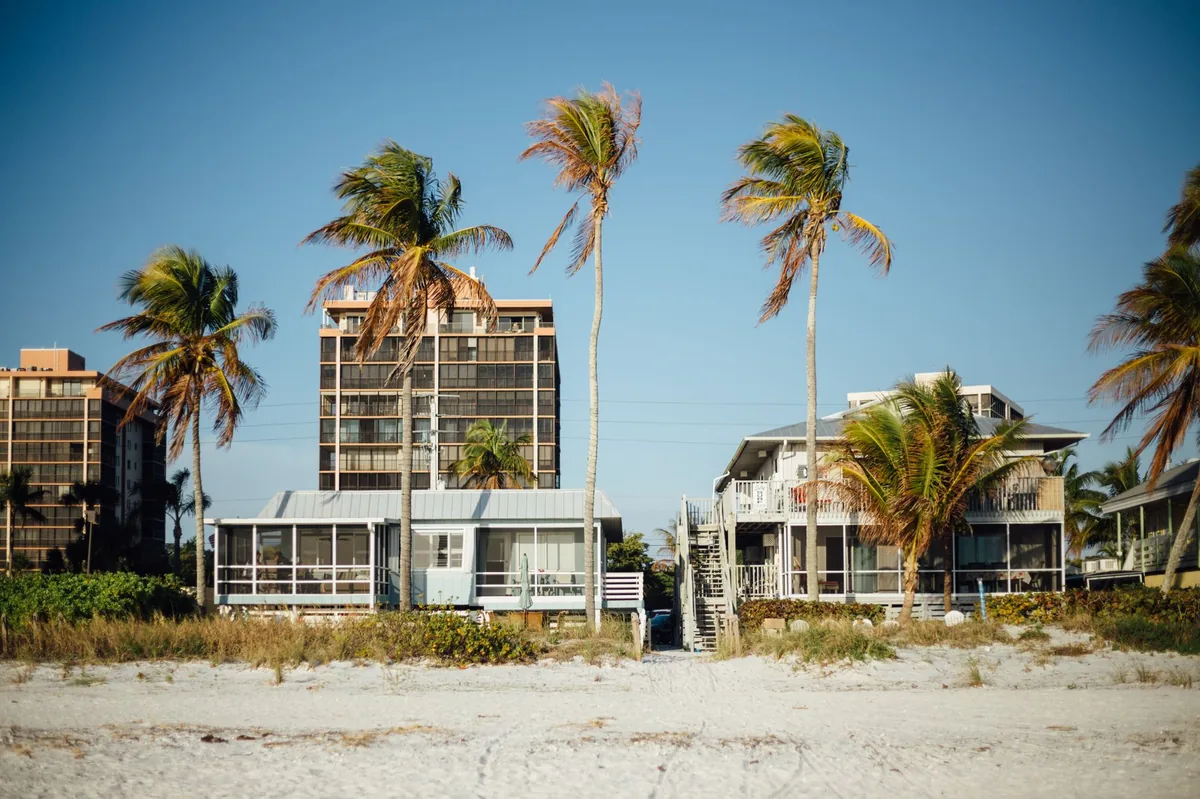
Coastal regions frequently experience severe tropical cyclones and hurricanes:
- 6063-T6 Tensile Strength: Extruded aluminum slats deliver minimum tensile yield strength exceeding 170 MPa, resisting violent storm pressures without permanent deformation.
- Cast Wind-Lock Security: Alternating slats feature heavy cast-steel endlocks that lock inside guide tracks, resisting wind speeds over 130 km/h (EN 12424 Class 4/5).
- Lightweight Mechanical Reliability: Aluminum doors weigh 50% less than steel, allowing rapid motorized closing before severe coastal storm surges hit.
- Budgeting Standards: While standard anodized aluminum doors cost $1,400 to $3,500 for standard anodized models, while heavy storm-rated PVDF wind-lock systems range from $2,800 to $6,500+ installed.
For essential hardware inspection guidelines, read our technical overview of essential garage door parts & accessories. For motor sizing guidelines, review our comparison of automatic vs manual garage doors.
Coastal Maintenance Protocols and Long-Term Facility ROI
Maximizing thirty-year coastal door lifespans requires simple routine care:
Quarterly Fresh-Water Rinsing SOP
Rinse door slats and guide rails quarterly with low-pressure fresh water to wash away concentrated dry salt crusts. Never use aggressive alkaline or acid chemical cleaners.
Dry PTFE Lubrication Guidelines
Apply dry PTFE lubricant to side guide channels twice yearly. Avoid sticky wet grease that traps windblown beach sand and accelerates mechanical wear.
Always partner with an ISO 9001 certified manufacturer to guarantee certified metallurgical standards and dependable global export warranty coverage.
Need assistance specifying coastal wind-lock ratings, selecting 20-micron anodized finishes, or engineering 316 stainless isolation hardware? Our engineering team provides complimentary CAD drawings, structural calculations, and direct factory export pricing.
Frequently Asked Questions About Coastal Aluminum Doors
Why is aluminium superior to steel for coastal building doors?
Aluminium contains no iron, eliminating red rust completely. Its self-healing oxide film and anodized coatings resist decades of marine salt spray.
How long do anodized aluminum roller doors last near the ocean?
High-quality 20-micron anodized or PVDF-coated 6063-T6 aluminum doors typically deliver 20 to 30+ years of service life near the coast.
What causes galvanic corrosion on coastal aluminum doors?
Galvanic corrosion occurs when carbon steel fasteners contact aluminum in salt air. Using 316 stainless steel fasteners with EPDM washers prevents it.
How should coastal aluminum roller doors be maintained?
Rinse the door curtain quarterly with clean fresh water to remove dry salt crusts, and apply dry PTFE spray to side guide channels twice yearly.
Can coastal aluminum doors withstand severe tropical hurricanes?
Yes. Heavy extruded 6063-T6 slats fitted with cast-steel wind-lock endlocks satisfy EN 12424 Class 4/5 standards, resisting winds above 130 km/h.