Warehouse managers face a high-stakes decision when equipping a facility for maximum efficiency and security. Choosing the right industrial door means finding the perfect balance between rigid security and flexible speed. Making the wrong choice can lead to severe operational bottlenecks, massive energy loss, and skyrocketing maintenance costs.
The debate comes down to physical containment mechanics: rigid aluminum spiral doors versus flexible PVC fabric doors. Plant engineers must evaluate specific environmental thresholds, including Class 3 or 4 wind load resistance for exterior openings, thermal bridging effects on cold storage efficiency, and the critical requirement for self-repairing zipper tracks in high-traffic forklift zones.
Navigating this complex landscape requires a deep understanding of structural integrity, motor precision, and long-term cost implications. By diving into the technical specifications of both options, facility operators can make a strategic investment that maximizes their return on investment.
Quick Comparison: Aluminum vs. PVC High Speed Doors
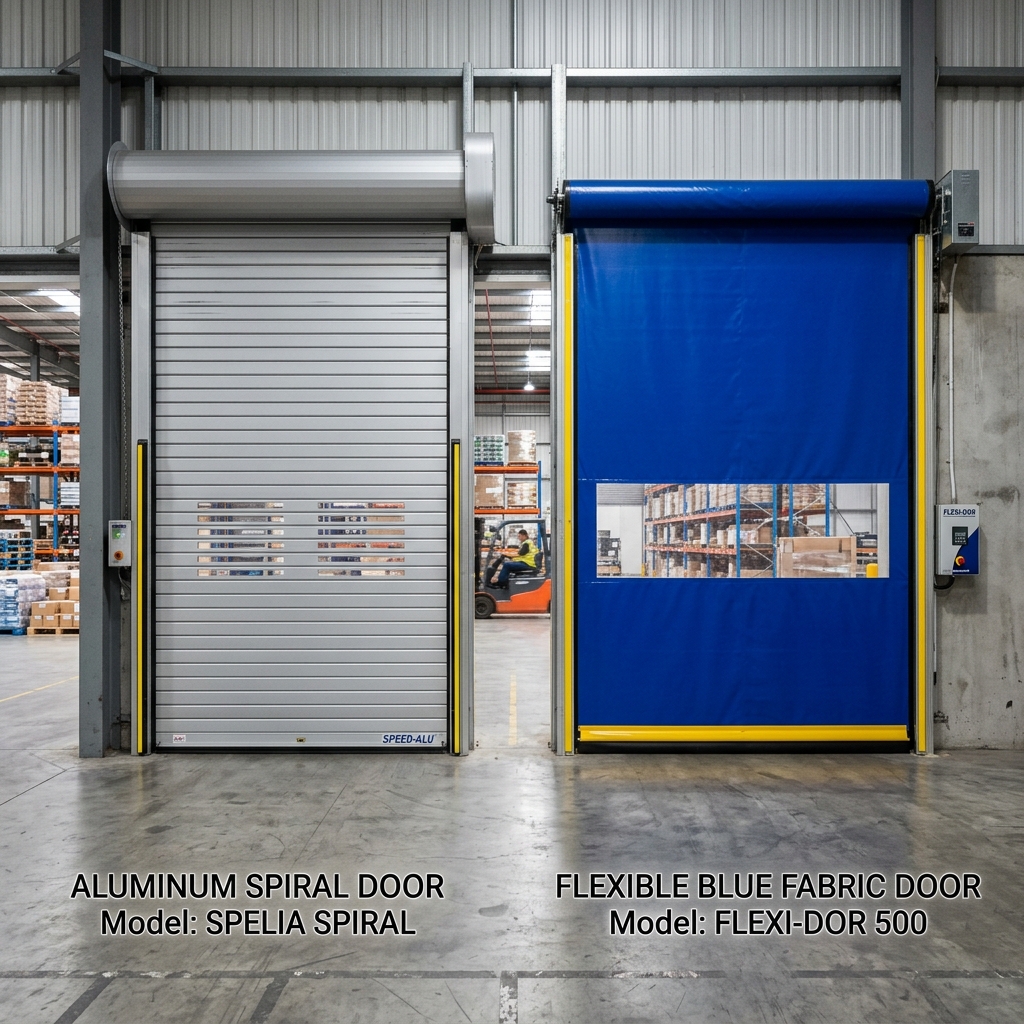
Understanding the fundamental differences between these two door types is crucial for optimizing your warehouse infrastructure. Aluminum models are engineered as an exterior fortress, prioritizing absolute security and extreme weather resistance. In contrast, flexible PVC fabric doors are designed for seamless interior flow, providing rapid separation between distinct climate zones.
| Feature | Aluminum High Speed Doors | PVC High Speed Doors |
|---|---|---|
| Primary Application | Exterior openings, high security zones | Interior zoning, rapid material flow |
| Structural Design | Rigid metal slats with thermal core | Flexible synthetic fabric curtain |
| Wind Resistance | Exceptional, withstands extreme storms | Moderate, relies on windbars |
| Initial Investment | High upfront cost | Budget-friendly capital expense |
When evaluating high-speed spiral doors versus PVC high speed doors, the primary use case dictates the optimal choice. Exterior openings facing the elements require the structural rigidity of metal. Interior thresholds where forklifts constantly pass demand the forgiving flexibility of fabric.
Structural Integrity and Wind Resistance
The Ultimate Exterior Fortress
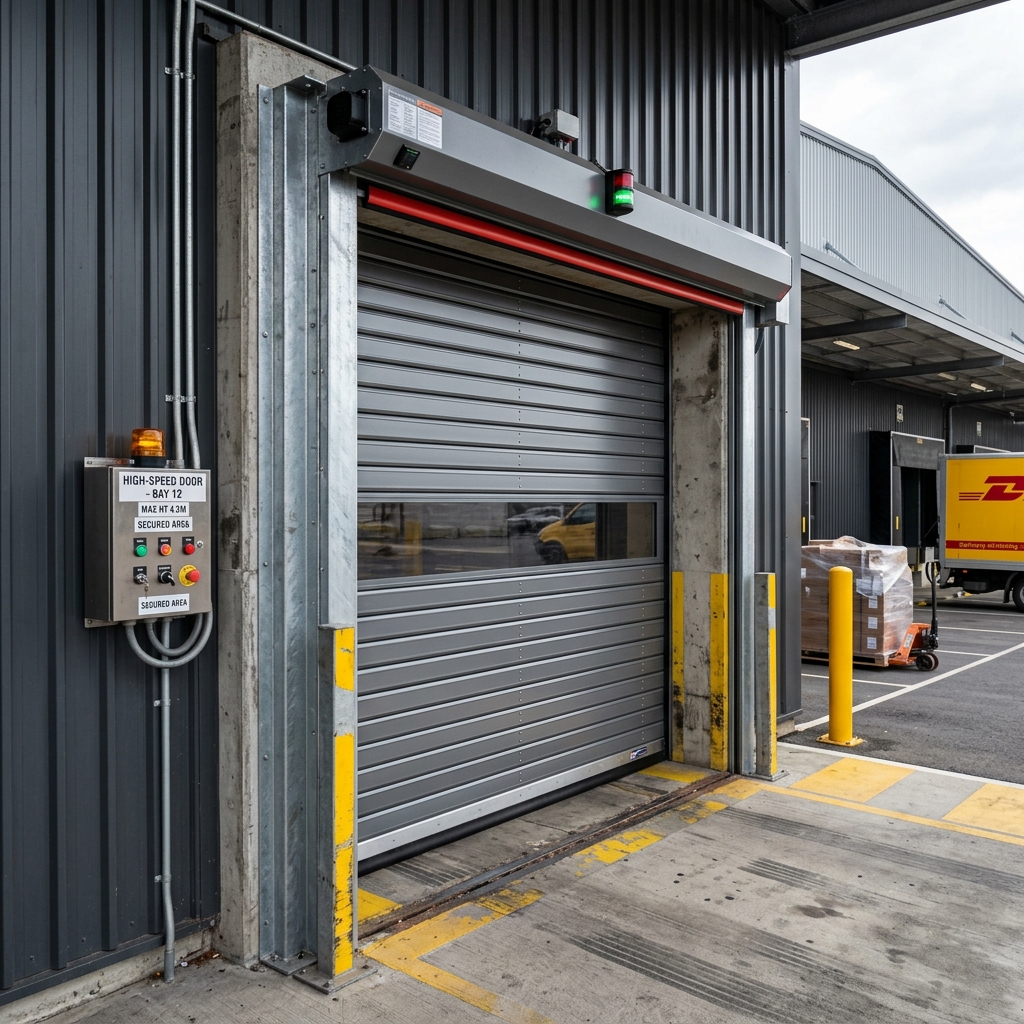
Aluminum high-speed doors deliver unparalleled structural integrity, acting as an impenetrable barrier against unauthorized access. Their robust metal slats interlock securely, creating a rigid shield that deters intrusion attempts and withstands severe impacts. This fortress-like design is essential for exterior logistics bays that store high-value inventory.
Handling High Wind Loads Without Blowouts
A common buyer pain point with flexible barriers is the tendency for PVC curtains to blow out of their side tracks during extreme weather. High winds create massive negative pressure, forcing inferior fabrics out of their guide rails and exposing the facility. This leads to immediate energy loss, compromised security, and urgent maintenance calls.
Conversely, premium aluminum doors are specifically engineered to handle intense wind loads without structural failure. Their rigid profile remains firmly anchored within heavy-duty guide tracks, regardless of barometric pressure shifts. By eliminating the risk of catastrophic blowouts, these robust systems ensure continuous operation during severe storms.
Energy Efficiency and Temperature Control
Thermal Breaks and HVAC Savings
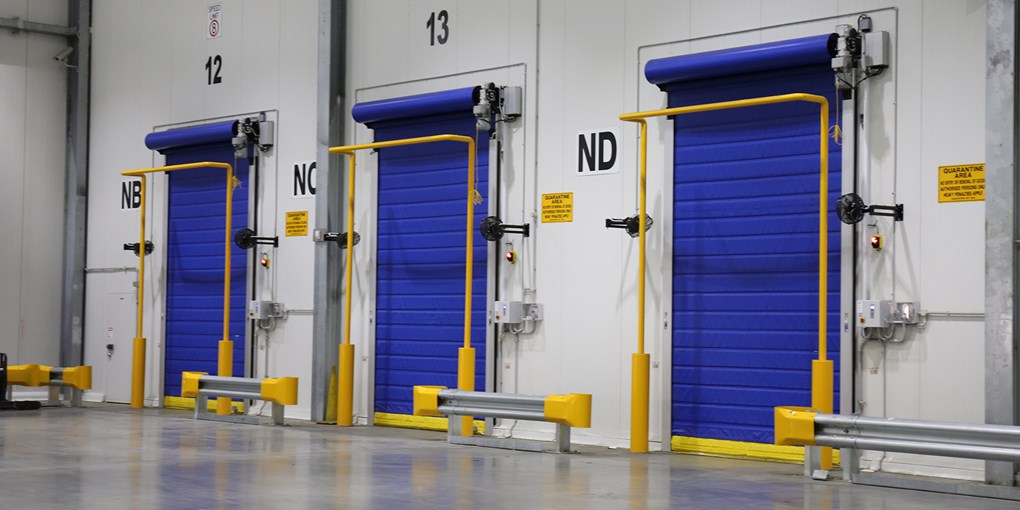
Standard PVC fabrics often suffer from poor insulation properties, leading to substantial heat or cold loss across designated climate zones. Uninsulated material acts as a thermal bridge, forcing HVAC systems to work overtime to maintain baseline temperatures. This constant energy hemorrhage results in massively inflated utility bills over the fiscal year.
Insulated aluminum panels combat this inefficiency by utilizing integrated thermal breaks and high-density polyurethane foam cores. These advanced panels severely restrict thermal transfer, effectively sealing the controlled environment against external temperature fluctuations. The resulting HVAC savings can be monumental, particularly for cold storage facilities operating under strict regulatory requirements.
Minimizing the Exposure Window
Regardless of the door material, the speed of operation plays a critical role in overall energy conservation. Fast opening and closing cycles drastically reduce the time an opening remains exposed to the outside environment. Combining rapid mechanics with superior insulation yields the highest possible defense against atmospheric contamination and energy waste.
Traffic Flow and the Velocity Dividend
The Servo-Motor Advantage
Modern industrial doors utilize advanced servo-motor technology, which prioritizes absolute precision over raw, uncontrolled power. These highly calibrated motors provide smooth, variable speed control, accelerating rapidly and decelerating gently before reaching terminal limits. This intelligent motion profile extends the mechanical lifespan while facilitating incredibly fast opening speeds.
Intelligent Triggering and Radars
Optimizing warehouse traffic requires more than just a fast motor; it demands intelligent sensory integration. Microwave radars and induction loops detect approaching forklifts, triggering the door to open precisely before the vehicle arrives. This creates a frictionless passage, eliminating the need for operators to stop, wait, and restart their momentum.
Ready to Optimize Your Warehouse Traffic?
Discover how our advanced servo-motor high-speed doors can eliminate bottlenecks and improve your operational efficiency.
The resulting velocity dividend translates directly into higher throughput and improved overall productivity. When equipment moves seamlessly between zones, idle time evaporates, and logistical bottlenecks are completely eradicated.
Durability and Impact Recovery Strategies
Addressing Forklift Impacts and Downtime
A persistent nightmare for facility managers is the inevitable forklift collision that damages the bottom edge of a door. When rigid metal systems take a direct hit, the resulting damage often requires complete panel replacement and significant operational downtime. This vulnerability makes traditional steel roller shutters a liability in high-traffic, fast-paced logistics hubs.
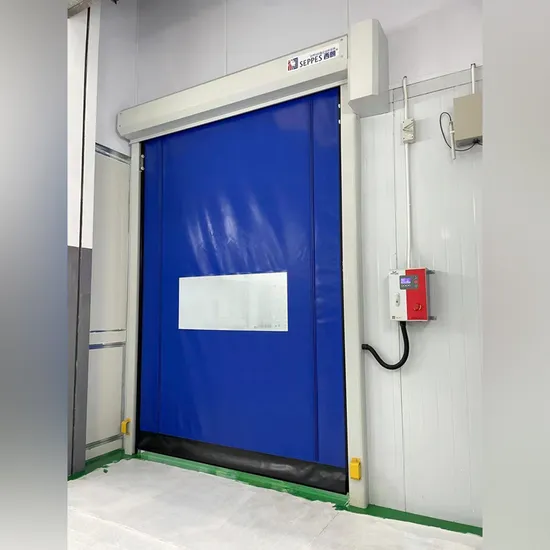
Flexible PVC doors combat this reality through ingenious self-repairing zipper features and breakaway bottom edges. Upon impact, the flexible curtain safely dislodges from the side tracks without tearing or sustaining permanent structural damage. The system then automatically realigns itself during the next opening cycle, virtually eliminating costly repair downtime.
The Turbine Advantage for Cycle Life
Aluminum systems employ a different strategy to ensure extreme longevity and continuous performance. High-end models utilize a specialized spiral turbine mechanism that guides the metal slats without allowing them to touch. This frictionless operation prevents the abrasive wear and tear typically associated with conventional rolling doors.
Active Safety Features and Equipment Protection
Transitioning to Active Defense
Historically, sensor failures have been a major pain point, occasionally causing doors to close directly on valuable equipment or personnel. Modern engineering has shifted from passive safety measures to proactive, active defense networks that blanket the opening. These advanced systems are mandatory for maintaining a secure and hazard-free operational environment.
The Zero-Contact Mandate
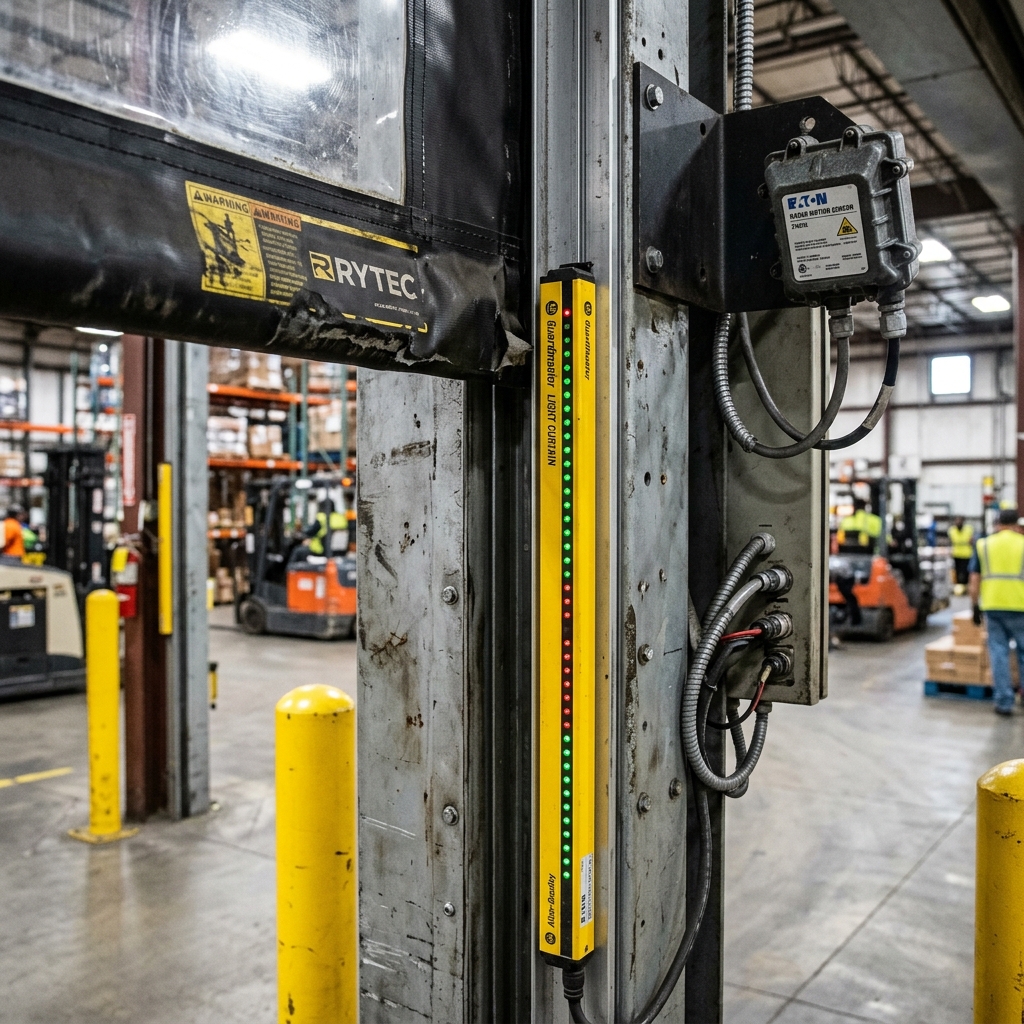
Today’s premium doors integrate dense, multi-point light curtains that span the entire vertical plane of the guide tracks. If the invisible grid is breached by even a fraction of an inch, the closing mechanism immediately reverses course. This zero-contact mandate ensures that the heavy panels never physically touch a vehicle, load, or worker.
Complementing these light curtains are sophisticated microwave radars that predict movement trajectories rather than merely detecting static presence. By calculating the speed and direction of approaching traffic, the intelligent control board dynamically adjusts the door’s behavior. This multi-layered sensor matrix guarantees absolute protection while maintaining peak logistical velocity.
ROI and Total Cost of Ownership Calculation

Understanding the Initial Price Gap
Procurement teams are often deterred by the significantly higher upfront cost of an aluminum spiral system compared to basic PVC. Metal doors require precision-engineered extrusions, advanced thermal cores, and heavier-duty motors, driving the initial capital expenditure considerably higher. However, evaluating these assets based solely on their purchase price is a fundamentally flawed financial strategy.
Calculating Your Break-Even Point
A comprehensive Total Cost of Ownership calculation reveals a vastly different financial reality over a ten-year operational lifespan. You must factor in the massive HVAC energy savings generated by insulated aluminum panels in climate-controlled facilities. Additionally, the near-zero maintenance requirements of the frictionless turbine mechanism drastically reduce ongoing service expenditures.
By tracking these monthly operational savings, facility managers can accurately project their exact break-even point. Eventually, the premium option effectively pays for itself, transforming a heavy capital expense into the ultimate long-term cost-saver. Smart investments always prioritize extended lifecycle value over superficial, short-term budget constraints.
Maintenance, Visibility, and Aesthetics
Maintaining Clear Vision Panels
A critical yet overlooked issue with flexible curtains is the gradual degradation of their transparent vision panels. Scratched, clouded, or yellowed PVC windows severely impair a forklift driver’s visibility, creating a dangerous blind spot at thresholds. Regular cleaning and eventual replacement of these degraded panels become a frustrating, recurring maintenance requirement.
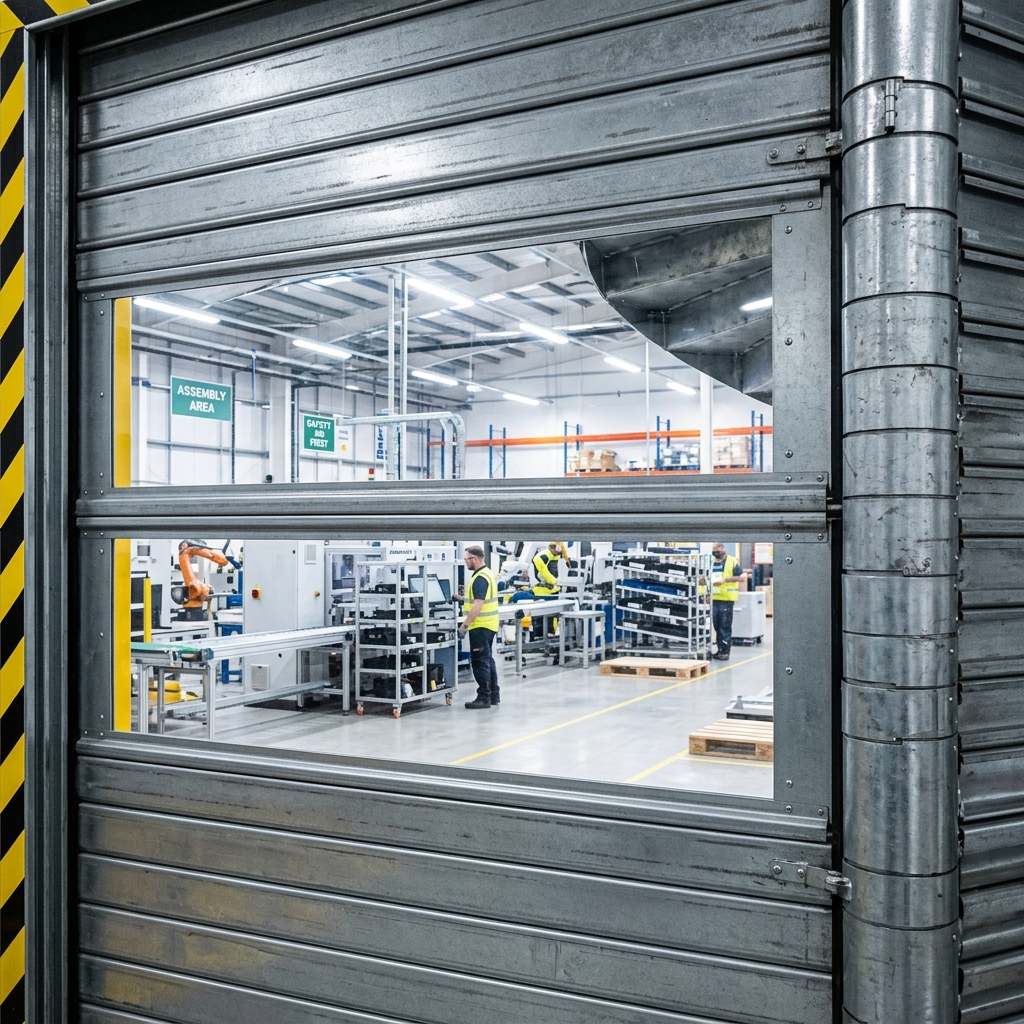
Aluminum systems utilize rigid, scratch-resistant polycarbonate windows that maintain pristine optical clarity over millions of cycles. These durable panes require only basic wipe-downs and do not suffer from the abrasion caused by wind-driven debris. Clear, unobstructed lines of sight are essential for preventing collisions and ensuring a safe, efficient working environment.
Installation Timelines and Eco-Impact
Consult an industrial door maintenance guide to understand the long-term upkeep of these complex systems. While PVC options offer faster initial installation timelines, they often require more frequent material recycling due to shorter component lifespans. Aluminum variants boast a more robust ecological profile, as their metal components are highly recyclable and rarely require replacement.
Final Verdict: Making the Strategic Choice
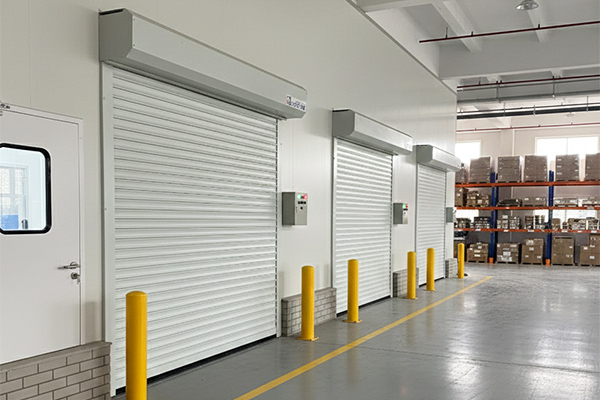
Selecting the optimal high-speed door requires a rigorous analysis of your facility’s unique operational demands and environmental challenges. Both aluminum and flexible fabric technologies offer distinct engineering solutions that cater to very specific logistical workflows. Misapplying either technology will inevitably lead to compromised efficiency and inflated operational costs.
For seamless interior zoning and rapid, high-frequency material handling, the flexible PVC fabric door remains the undisputed, budget-friendly champion. However, for exterior access points requiring absolute security, extreme wind resistance, and maximum thermal insulation, the aluminum spiral door is unmatched. By strategically deploying both systems where they excel, operators can forge an incredibly efficient and secure industrial facility.
Are PVC high speed doors suitable for exterior use?
While possible with special windbars, PVC doors are generally best for interior zoning. Aluminum doors provide far superior security and wind resistance for exteriors.
How much more expensive is an aluminum high speed door compared to PVC?
Aluminum spiral doors typically cost 2 to 3 times more upfront. However, their superior durability and energy savings often result in a lower Total Cost of Ownership over time.
Can a PVC high speed door survive a forklift impact?
Yes, modern PVC doors feature breakaway bottom edges or self-repairing zipper tracks that automatically realign after an impact, minimizing downtime and repair costs.
Which door type provides better insulation for cold storage?
Aluminum high speed doors with insulated panels and thermal breaks offer significantly better temperature control and HVAC savings compared to uninsulated PVC fabric curtains.
How long do industrial high speed doors typically last?
PVC doors can last 1-3 million cycles depending on the environment. Aluminum spiral doors, utilizing a frictionless turbine design, often exceed 3 million cycles with minimal wear.