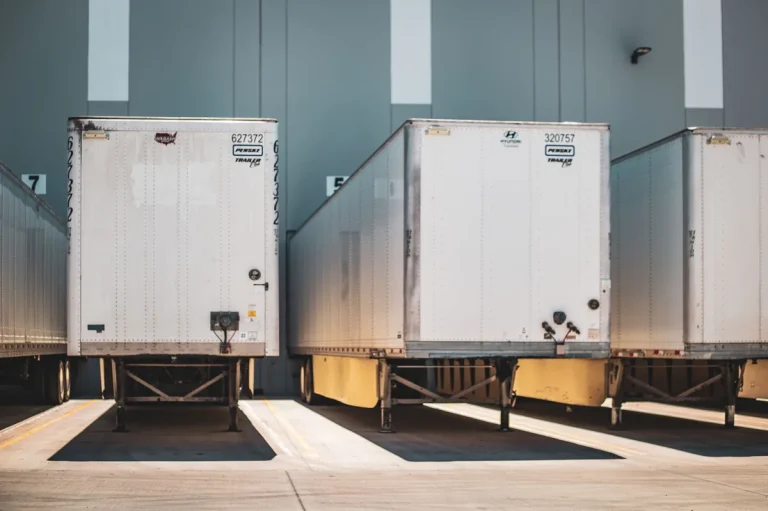
Loading dock bays represent the most vulnerable thermal and environmental openings in modern distribution centers, logistics hubs, and cold storage warehouses. During active freight operations, overhead dock doors remain open for 4 to 8 hours daily.
When investigating why you need air curtains for loading dock doors, facility directors face massive winter heating loss, truck diesel exhaust intrusion, and flying pest breaches. Drawing from our factory manufacturing standards across heavy industrial air doors, heated air barriers, and commercial roll-up closures, this guide provides an engineering evaluation. We explore AMCA Standard 220 aerodynamic ratings, negative pressure resistance, and HVAC energy payback economics.
Loading Dock Air Curtain Systems: Comparison Matrix
Before reviewing aerodynamic infiltration physics, examine this comprehensive matrix comparing industrial loading dock air curtain configurations:
| Air Curtain Configuration | Discharge Velocity & Airflow Volume | Environmental Protection Capability | Typical Installed Cost Range |
|---|---|---|---|
| Unheated Industrial High-Velocity Air Curtain | 18–22 m/s nozzle velocity, 4,500–6,500 CFM | 80% thermal barrier, flying insect & dust rejection | $950 – $2,400 per dock opening |
| Electric Heated Industrial Air Curtain | 18–20 m/s velocity, 15 kW to 36 kW heating elements | 35°C to 45°C warm air blanket, eliminates freezing drafts | $1,800 – $3,800 per dock opening |
| Hot Water / Steam Heated Air Curtain | 18–22 m/s velocity, 75,000–180,000 BTU/hr hydronic coil | High-efficiency winter heating, utilizes central boiler loop | $2,200 – $4,500 per dock opening |
| Explosion-Proof TEFC Air Curtain | 16–20 m/s velocity, Class II Div 1/2 hazardous rated | Prevents grain and chemical dust ignition in hazardous bays | $2,800 – $5,200 per dock unit |
| Low-Profile Commercial Air Door | 12–15 m/s velocity, compact 250mm cabinet depth | Customer entrance draft barrier and flying pest control | $650 – $1,400 per standard opening |
| Dock Seal & Air Curtain Hybrid System | Full compression foam pad + overhead high-velocity air jet | 100% envelope isolation during trailer docking and loading | $2,800 – $5,800 complete dock bay package |
| High-Speed Fabric Door & Air Curtain Interlock | 1.5 m/s roll-up cycle + automatic microswitch air activation | Maximum cold storage thermal containment and speed | $4,500 – $8,200 complete automated bay |
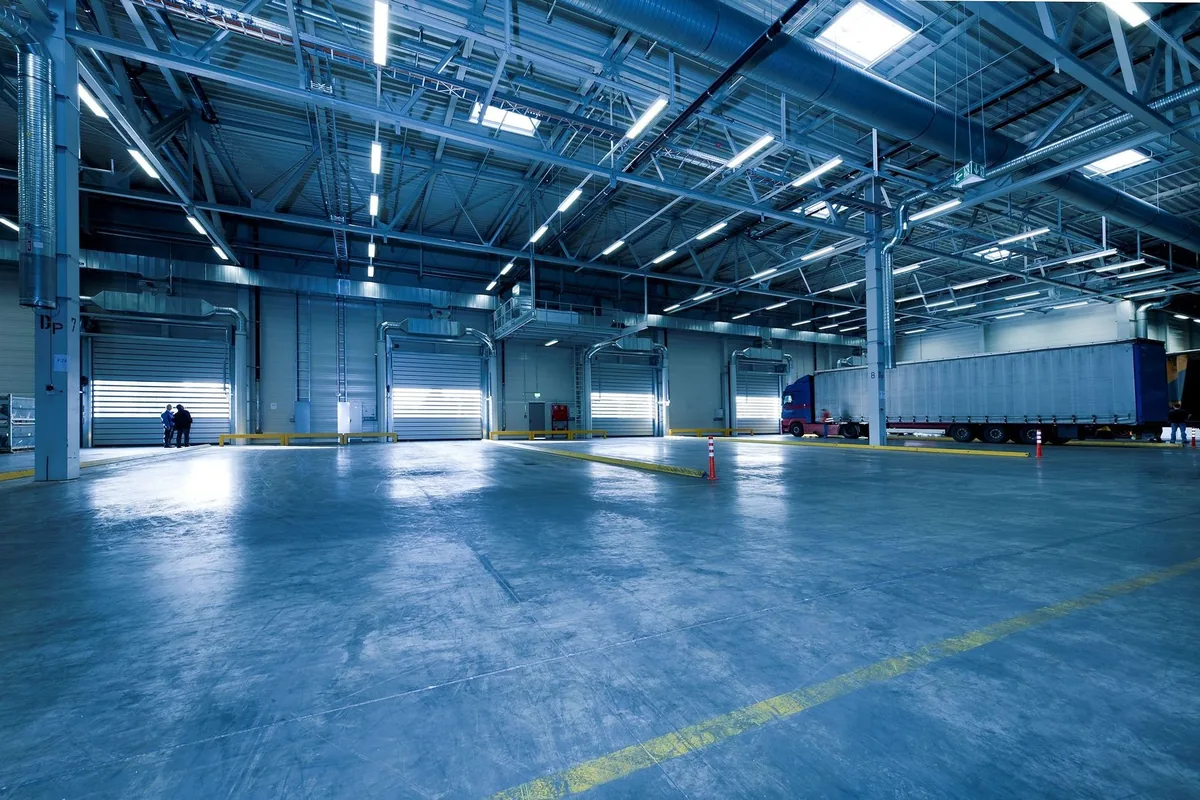
The Environmental Challenge of Busy Loading Dock Doors
When analyzing why you need air curtains for loading dock doors, facility operators must evaluate structural chimney physics:
The Warehouse Chimney Draft Effect
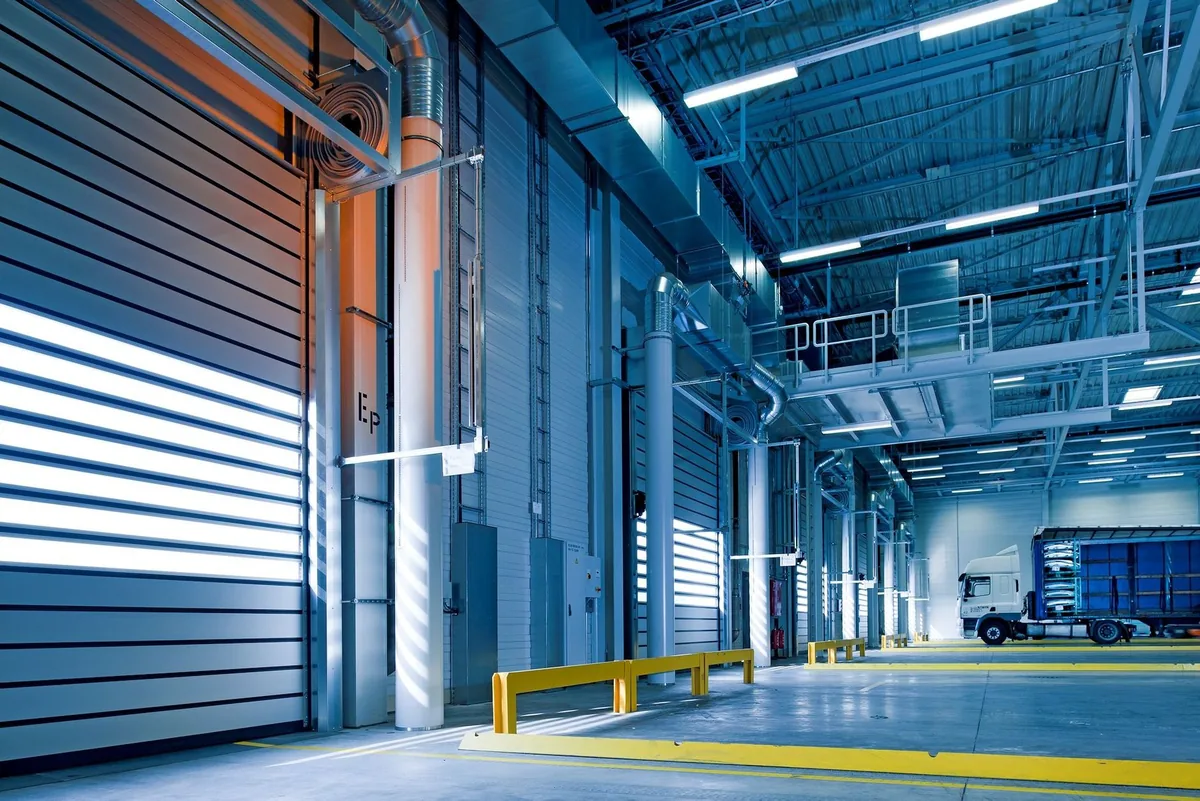
When selecting air curtains for loading dock doors, large logistics facilities act like giant chimneys. Warm internal air rises toward high ceilings, creating negative air pressure at ground-level loading bays.
When multiple dock doors open simultaneously, cold external winds rush into the building at 10 to 15 miles per hour. This thermal transfer dramatically drops interior temperatures and strains commercial HVAC heating equipment.
Uncontrolled Energy Losses
An unprotected 8×10 foot loading dock door open for 6 hours daily loses thousands of kilowatt-hours in conditioned energy monthly. Industrial air curtains create an invisible pressure seal, cutting infiltration energy loss by up to 80%.
Thermal Boundary Control and HVAC Energy Cost Reduction
Air curtains maintain environmental separation through precise aerodynamic engineering:
AMCA Standard 220 Laminar Airflow
Industrial air curtains utilize high-output centrifugal blowers discharging air through an aerodynamically contoured linear nozzle. The discharge air stream travels downward at 18 to 25 meters per second.
As the air jet reaches the floor slab, it splits cleanly. This forms an unbroken air barrier across the entire width of the opening, blocking outdoor thermal exchange.
Accelerated Utility Payback Economics
In cold climate zones, installing air curtains on high-traffic freight bays reduces boiler and rooftop heating runtimes substantially. Most commercial distribution centers achieve full equipment payback within 12 to 18 months of installation.
We manufacture heavy-duty AMCA-rated industrial air curtains, heated loading dock barriers, and high-speed cold storage doors. Factory-direct supply with ISO 9001 quality assurance and global project export.
Eliminating Diesel Exhaust Fumes and Airborne Dust Infiltration
Freight vehicle emissions represent a major workplace hazard around loading docks:
Truck Exhaust Containment
When semi-trucks idle near open loading bays, diesel fumes enter the warehouse. In evaluating air curtains for loading dock doors, this compromises employee health. This compromises employee respiratory health and risks OSHA air quality violations.
The high-velocity downward air stream deflects exhaust fumes away from the building interior, maintaining clean indoor air quality.
Airborne Dust and Road Grit Rejection
Dry winds carry road sand, dust, and debris directly toward open warehouse doors. An industrial air curtain creates a physical velocity barrier that rejects up to 90% of airborne particulates at the lintel.
Flying Insect Rejection for FDA and HACCP Compliance
Food processing, pharmaceutical, and packaging facilities must prevent biological contamination:
FDA Food Code Compliance
Under FDA Food Code Section 6-202.15 and USDA inspection standards, commercial food receiving docks must maintain continuous pest exclusion barriers. Flying insects entering warehouse bays can contaminate food products, leading to expensive product recalls.
The Velocity Flight Barrier
Flying insects such as houseflies, bees, and mosquitoes cannot penetrate air streams moving faster than 8 meters per second. Industrial loading dock air curtains generating 18 to 22 m/s discharge velocity provide a 99% insect rejection barrier.
For additional cleanroom barrier insights, explore our overview of clean room doors. To evaluate rolling door weights, consult our manual on aluminum rolling shutter weight. For door frame clearance rules, check our guide on how to measure a garage door opening.
Improving Loading Dock Worker Comfort and Productivity
Worker comfort directly governs shipping productivity and safety compliance:
Eliminating Freezing Winter Drafts
Dock workers handling pallet jacks and scanning barcodes in freezing drafts suffer from reduced hand dexterity and increased fatigue. Cold drafts cause employee absenteeism to spike during winter freight rushes.
Heated Air Curtain Thermal Comfort
Electric, hot water, or steam-heated air curtains introduce 75,000 to 180,000 BTU/hr of supplemental heat across the doorway. This blankets workers in comfortable 38°C warm air, improving morale and keeping loading operations running at peak speed.
Air Curtains vs. Compression Dock Seals: Complementary Synergy
Modern distribution facilities utilize a layered environmental containment architecture:
- Compression Dock Seals: Foam pads seal the perimeter around a docked trailer when parked against the building. However, they provide zero protection when a truck departs or when doors are opened for general ventilation.
- Overhead Industrial Air Curtains: Provide active thermal and pest protection whenever the door leaf is raised, whether a trailer is docked or the bay is fully open.
- Automatic Door-Interlock Relays: A roller microswitch energizes the air curtain blower instantly when the door rises 50mm, shutting off automatically when closed.
- Budgeting Standards: While standalone industrial air curtains cost $950 to $2,800 per unit, heated units range from $1,800 to $4,500+ installed.
For essential hardware inspection guidelines, read our technical overview of essential garage door parts & accessories. For motor sizing guidelines, review our comparison of automatic vs manual garage doors.
How to Size and Specify Industrial Loading Dock Air Curtains
When drafting commercial B2B architectural specifications, follow these procurement guidelines:
Ambient Temperature and Freight Warehouses
Choose high-velocity air curtains with 18 to 22 m/s nozzle velocity. They maintain at least 3.0 m/s at the floor to resist building chimney drafts.
Cold Storage and Food Hygiene Facilities
Install corrosion-proof stainless steel air curtains paired with door-limit interlock switches and NEMA 4X electrical enclosures to satisfy strict FDA and HACCP sanitation standards.
Always partner with an ISO 9001 certified manufacturer to guarantee certified aerodynamic engineering and dependable global export warranty coverage.
Need assistance calculating required air curtain CFM, nozzle velocity, or door interlock wiring? Our engineering team provides complimentary CAD layouts, energy payback calculations, and direct factory export pricing.
Frequently Asked Questions About Loading Dock Air Curtains
Why do loading docks need air curtains?
Air curtains create an invisible high-velocity air barrier that cuts HVAC energy loss by up to 80%, blocks diesel fumes, and repels flying pests.
How fast does the air stream on a loading dock air curtain need to be?
An industrial dock air curtain requires a nozzle velocity of 18 to 25 m/s, maintaining at least 3.0 m/s at the floor to resist building negative pressure.
Do air curtains replace compression dock seals?
No. They work together. Dock seals protect docked trailers, while air curtains protect open doorways when trucks depart or while loading is underway.
Are heated air curtains worth it for commercial loading bays?
Yes. In cold regions, heated air curtains eliminate freezing winter drafts, improving worker comfort, boosting packing speed, and reducing sick leave.
How do air curtains activate on loading dock doors?
Air curtains connect to door-limit microswitches that activate blowers automatically when the door opens, shutting off power when the door closes.