The ongoing debate between air curtains and polyvinyl chloride (PVC) strip curtains remains a critical engineering consideration for modern industrial facilities. Plant managers and facility engineers face high stakes when selecting the appropriate barrier technology. Inadequate environmental separation leads to severe energy loss, compromises hygiene compliance, and creates substantial safety risks for high-traffic forklift operations.
Choosing the optimal solution directly impacts workflow efficiency, operational overhead, and overall workplace safety. This comprehensive comparison provides an in-depth technical analysis of both barrier systems. We evaluate their structural differences, operational efficiencies, thermodynamic performance, and long-term maintenance requirements to guide your facility’s architectural and mechanical specifications.
Understanding the Core Barrier Technologies

Industrial environmental separation relies on establishing a distinct boundary between varying atmospheric conditions. The fundamental difference between PVC strip curtains and air curtains lies in their mechanism of isolation: physical obstruction versus aerodynamic deflection.
What are PVC Strip Curtains?
PVC strip curtains provide a physical, flexible barrier consisting of overlapping transparent plastic strips. These strips are extruded from specialized polyvinyl compounds designed to withstand specific temperature ranges and mechanical stress. The overlapping configuration, typically ranging from fifty to one hundred percent, ensures a continuous physical seal while allowing personnel and machinery to pass through. The suspension system usually consists of stainless steel or aluminum mounting tracks. As objects pass, the strips part mechanically and then return to their original position via gravity and material memory. This creates a straightforward, passive isolation mechanism.
What are Air Curtains?
Air curtains, conversely, establish an invisible aerodynamic barrier across the doorway opening. They utilize high-powered motorized fans housed in a top-mounted plenum to generate a high-velocity, uniform air stream directed toward the floor. This continuous kinetic wall creates a pressure differential that resists the exchange of air across the threshold. Critical components include centrifugal or cross-flow blowers, aerodynamic nozzles, and variable frequency drives for precise velocity control. By engineering the discharge angle and velocity, air curtains effectively block particulate matter, thermal transfer, and flying insects. The system provides seamless, unrestricted passage while maintaining rigorous environmental separation.
Key Differences at a Glance

A quantitative and qualitative comparison reveals distinct operational paradigms for each barrier type. The following table summarizes the foundational differences across critical facility performance metrics.
| Performance Metric | PVC Strip Curtains | Air Curtains |
|---|---|---|
| Upfront Cost | Very Low | High |
| Maintenance Frequency | High (Frequent replacement) | Low (Periodic cleaning) |
| Hygiene & Sanitation | Poor (Contact required) | Excellent (Touchless) |
| Safety & Visibility | Degrades over time | 100% Unobstructed |
| Traffic Flow Speed | Slows machinery down | Maximum throughput |
This executive summary highlights that while PVC provides budget-friendly containment, air barriers deliver superior throughput and sanitation. Engineers must evaluate these trade-offs against their specific operational demands.
Operational Efficiency and Traffic Flow
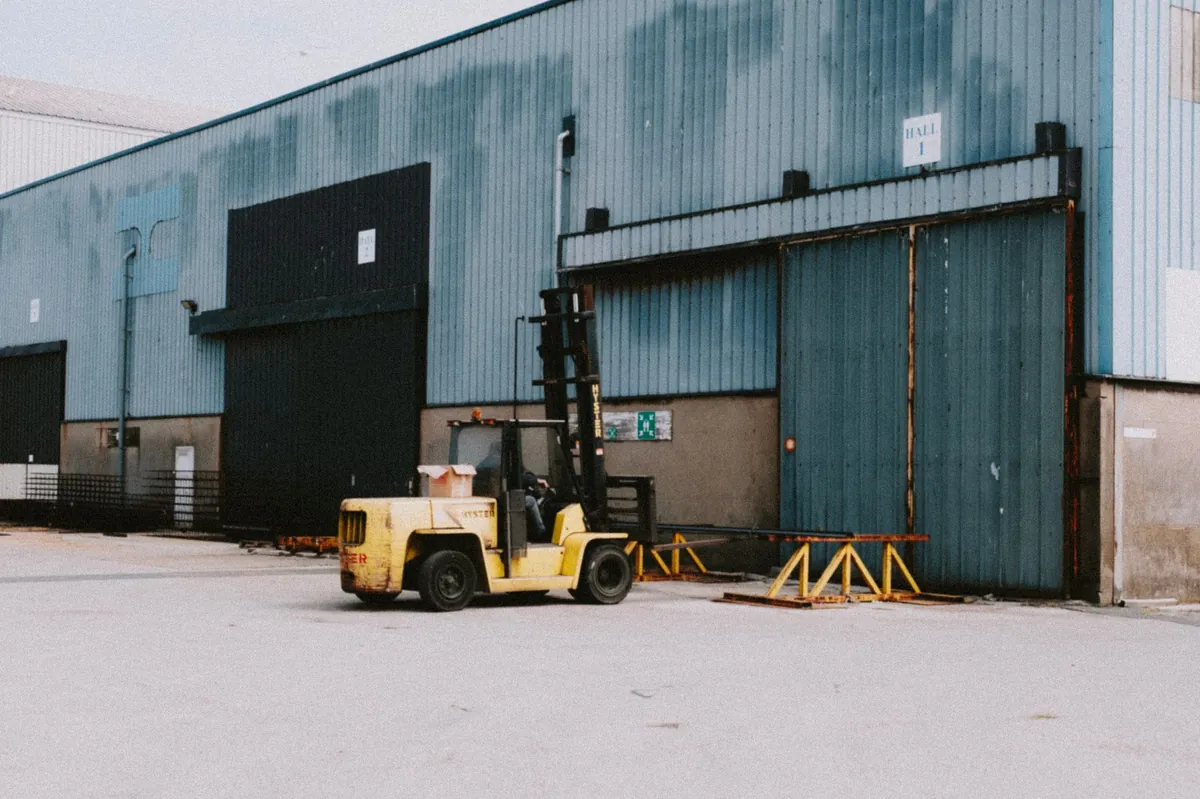
In high-volume logistics and manufacturing centers, the speed of material handling directly influences profitability. Physical barriers inherently disrupt kinetic flow, requiring machinery to decelerate.
Forklift and Machinery Workflow
PVC strip curtains demand physical interaction, forcing forklift operators to slow down before breaching the barrier. Continuous friction against the mast and payload causes the plastic strips to cloud, scratch, and retain industrial grease. Over time, this clouded degradation reduces forklift visibility to near-zero, creating severe collision risks at busy intersections. To bypass these issues, personnel often tie the strips back permanently, which completely negates their environmental isolation purpose. Conversely, air curtains eliminate this physical friction entirely. They offer seamless, free passage for all heavy machinery and automated guided vehicles (AGVs). This aerodynamic approach maintains high-speed logistical throughput without compromising the thermal or environmental boundary.
Worker Comfort and Safety
Ergonomics and worker comfort represent significant variables in productivity equations. Floor personnel universally dislike physically pushing through heavy, overlapping PVC strips. The strips often transfer moisture, dust, or cold condensation directly onto workers’ clothing and skin. The static charge generated by constant rubbing also attracts airborne particulates. The invisible boundary of an air curtain resolves these ergonomic pain points effortlessly. Employees move freely between temperature-controlled zones without physical exertion or cross-contamination risk. Additionally, the unobstructed visual field provided by aerodynamic separation minimizes accidental collisions between pedestrian traffic and motorized handling equipment. This enhanced visibility strictly aligns with rigorous occupational safety protocols.
Hygiene, Sanitation, and Contamination Control

Stringent sanitary protocols in food processing, pharmaceutical, and cleanroom environments necessitate uncompromising contamination control. The method of environmental separation directly impacts facility compliance.
Cross-Contamination Risks
Physical contact inherently increases the probability of pathogen transfer. PVC strip curtains drag across personnel, raw materials, and finished goods during every transit event. This constant surface contact allows the plastic strips to harbor bacteria, mold, and chemical residues. In food production facilities, this creates an unacceptable vector for cross-contamination. Cleaning overlapping strips requires intensive manual labor, and the micro-abrasions on degraded PVC make sterilization exceedingly difficult. Air curtains present a purely contact-free solution. By eliminating physical touchpoints, they align perfectly with Hazard Analysis and Critical Control Point (HACCP) regulations. Pathogens cannot latch onto an invisible kinetic barrier, ensuring product integrity remains completely uncompromised.
Insect, Dust, and Fume Prevention
Maintaining internal air quality requires robust defense against external pollutants. When PVC strips part to accommodate traffic, large gaps form, allowing insects, fumes, and particulate matter to infiltrate the protected zone. If the strips lose their memory and fail to close completely, this vulnerability becomes continuous. An appropriately engineered air curtain generates a high-velocity downward vector that effectively repels flying insects and airborne debris. The continuous pressure differential blocks vehicular exhaust fumes and exterior dust from breaching the facility threshold. This dynamic sealing capability ensures that sensitive internal atmospheres remain pure, even during continuous loading dock operations.
Temperature Control in Cold Storage
Cold storage logistics demand extreme thermal isolation to prevent catastrophic energy waste and inventory spoilage. Managing the threshold between ambient and sub-zero environments poses complex thermodynamic challenges.
Upgrade Your Environmental Separation Strategy
Struggling with energy loss, cross-contamination, or slow workflow? Discover how engineered air curtains and specialized industrial doors can transform your facility’s operational efficiency and safety.
Ice Build-up and Safety Hazards
The collision of warm, humid ambient air with sub-zero freezer air instantly generates heavy condensation. With standard physical barriers, this moisture rapidly freezes onto the surfaces of the doorway, creating massive ice accumulation. Ice buildup on PVC strips makes them rigidly dangerous, while frost on the floor creates severe slip-and-fall hazards for personnel. Furthermore, frosted strips obliterate all visibility. Operating forklifts blindly through frozen doorways exponentially increases the probability of catastrophic workplace accidents. Eliminating this moisture transfer is absolutely critical for cold storage safety.
Polar Grade PVC vs Air Curtains
Standard PVC material becomes dangerously brittle and shatters upon impact in freezer environments. Engineers must specify polar-grade PVC, which utilizes specialized plasticizers to retain flexibility down to minus forty degrees Celsius. However, even polar-grade strips suffer from moisture freezing. High-velocity air curtains effectively disrupt the thermodynamic exchange. By maintaining a strict boundary, they dramatically reduce the refrigeration load and prevent the infiltration of humid air. The sheer velocity of the aerodynamic wall shears away moisture before it can precipitate and freeze on the floor. For comprehensive thermal management, consider exploring dedicated cold-storage-doors solutions.
The Hybrid Combo Strategy
For maximum thermal protection in deep-freeze applications, engineers frequently deploy a hybrid strategy. This involves mounting a heated air curtain on the ambient side of the threshold, combined with polar-grade PVC strips or high-speed doors on the freezer side. The heated air curtain acts as a preliminary dehumidification zone, vaporizing moisture before it reaches the physical barrier. This dual-layer approach virtually eliminates ice formation while maximizing the insulation value of the doorway. It represents the ultimate engineering solution for demanding cold storage facilities.
Energy Savings, Cost, and Maintenance
Capital expenditure calculations must look beyond initial acquisition costs to include lifecycle maintenance and long-term energy consumption. Analyzing the true return on investment (ROI) reveals the financial realities of each barrier system.
Upfront Cost vs Long-Term ROI
Polyvinyl chloride strip curtains dominate the market for initial budget compliance. Their upfront cost is extremely low, requiring minimal installation labor. Conversely, aerodynamic barriers involve significant initial capital expenditure for the specialized machinery, electrical routing, and structural mounting. However, air curtains consistently demonstrate a rapid payback period, frequently within two years. This ROI is generated through massive reductions in HVAC heating and cooling losses. Facility managers can utilize specialized energy savings calculators to quantify the precise thermodynamic conservation achieved by blocking thermal escape routes.
Strip Degradation and Upkeep
The low initial cost of physical strips masks their high lifecycle maintenance requirements. Heavy machinery traffic subjects the plastic to extreme mechanical stress, causing the strips to warp, tear, and permanently stretch. Once the necessary fifty-percent overlap is compromised, the environmental seal fails completely. Maintaining the barrier requires constant inventory management and frequent manual replacement of damaged segments. For a broader perspective on facility upkeep, refer to our comprehensive industrial-door-maintenance-guide. In contrast, aerodynamic systems require only minimal periodic maintenance, such as filter cleaning and annual bearing inspections.
Electricity Requirements and Noise
Aerodynamic separation relies on powerful motorized blowers that continuously consume electrical power during operation. Engineers must calculate the kilowatt-hour draw of the centrifugal fans into the overall facility energy budget. Furthermore, high-velocity air displacement generates measurable acoustic output. The decibel levels produced by industrial-grade motors can contribute to overall factory noise pollution. Careful specification of variable frequency drives allows for velocity modulation, optimizing the balance between electrical consumption, acoustic generation, and effective environmental separation.
Specialized Applications and Edge Cases
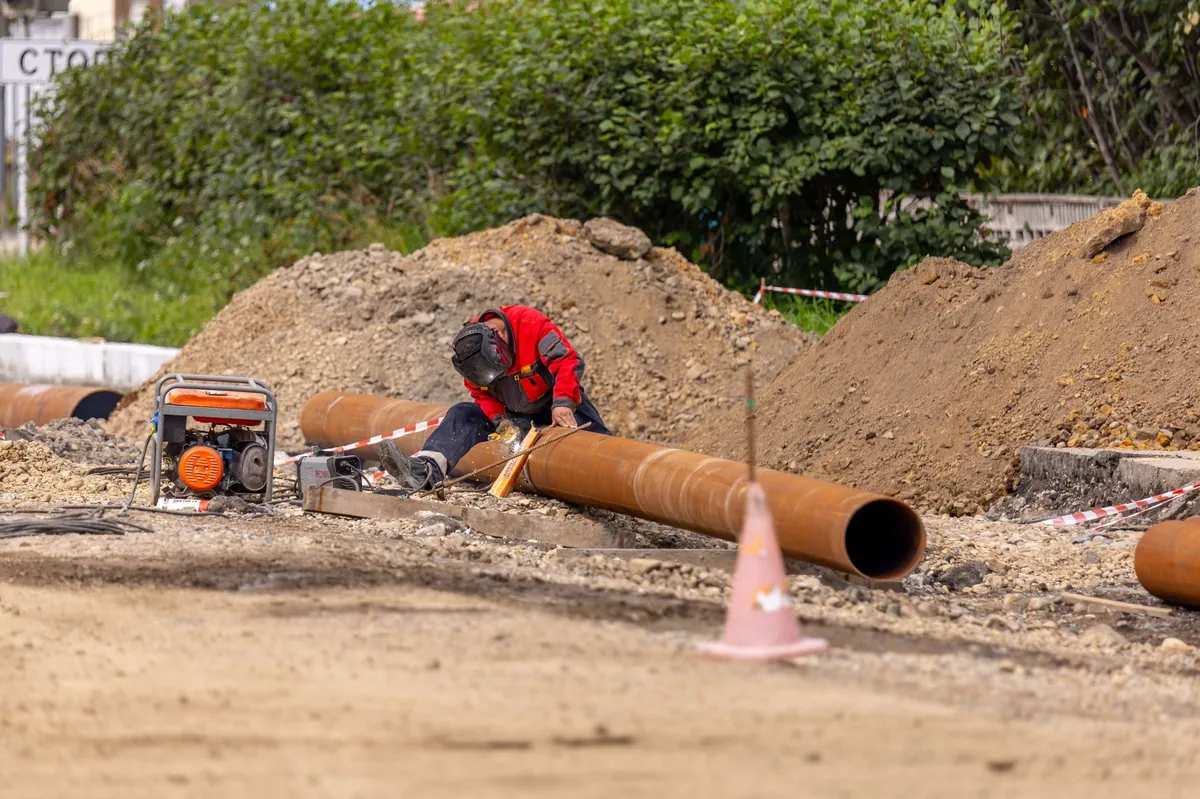
Beyond standard environmental separation, specific industrial sectors demand highly specialized barrier characteristics. Analyzing these edge cases highlights the nuanced capabilities of different barrier technologies.
Welding Zones and Hazardous Areas
Metal fabrication facilities require strict containment of ultraviolet radiation, flying sparks, and hazardous metallic dust. Specially tinted, welding-grade PVC strip curtains excel in this application. The heavy physical mass of the plastic safely deflects incandescent sparks, while the specialized pigmentation blocks harmful UV arc radiation from reaching adjacent workstations. An aerodynamic barrier cannot deflect heavy, fast-moving solid projectiles like welding slag. Therefore, physical containment remains the mandatory engineering choice for hazardous fabrication zones.
Retail and Showroom Aesthetics
Customer-facing environments, such as retail showrooms or commercial loading zones, prioritize aesthetic presentation alongside functionality. Scratched, discolored, and greasy plastic strips create an overwhelmingly negative visual impression for visiting clients. Air curtains completely resolve this aesthetic dilemma. By mounting flush with the ceiling architecture, they provide robust environmental isolation while maintaining a pristine, unobstructed view of the showroom interior. This preserves the premium brand experience without sacrificing HVAC efficiency.
High-Speed Doors Alternative
When neither standard option perfectly meets operational criteria, engineers often evaluate a third premium alternative. High-speed-roller-doors combine the absolute physical seal of a solid door with rapid kinetic actuation. These automated systems open and close in fractions of a second, minimizing the duration of atmospheric exposure. While representing the highest initial capital investment, they offer unparalleled access control, maximum security, and uncompromising environmental isolation for the most demanding industrial applications.
How to Choose the Right Solution
Specifying the optimal barrier requires a rigorous engineering analysis of traffic patterns, hygiene mandates, and facility airflow dynamics. No single technology provides a universal solution for every architectural threshold.
When to Choose PVC Strip Curtains
Deploy physical strip barriers when strict budget constraints dominate the project requirements. They are highly effective for low-traffic pedestrian doorways or environments where occasional machinery movement occurs. As previously established, they remain the superior choice for welding bays or areas requiring physical deflection of solid hazardous material. They also serve well as secondary interior partitions within already climate-controlled warehouse zones.
When to Choose Air Curtains
Specify aerodynamic barriers for high-throughput logistical hubs where forklift velocity dictates operational profitability. They are mandatory for food processing, pharmaceutical, and cleanroom applications where physical contact and cross-contamination are strictly prohibited. Aerodynamic separation should be universally applied to retail entryways and primary loading docks where maintaining internal climate integrity and aesthetic appeal are both critical priorities.
Sizing and Building Pressure
Crucial engineering constraints govern the successful deployment of aerodynamic barriers. The system must be meticulously sized to match the exact height and width of the opening; industrial-grade units are necessary for doors reaching six to eight meters in height. Furthermore, building pressure dynamics are paramount. Severe negative building pressure will overpower the downward velocity vector, pulling external air directly through the aerodynamic wall and rendering the system entirely ineffective. Facilities must maintain neutral atmospheric pressure to guarantee optimal barrier performance.
Frequently Asked Questions
Are air curtains better than PVC strip curtains?
Air curtains offer superior hygiene and seamless traffic flow, but PVC strips are better for budget constraints and specific physical containment like welding sparks.
Do air curtains use a lot of power?
While they consume electricity, the energy saved from reduced HVAC or refrigeration loss often offsets the running cost, yielding a quick ROI.
Can I use both air curtains and strip curtains together?
Yes, a hybrid approach is highly recommended for intense cold storage to maximize insulation while preventing ice build-up.
Why do PVC strip curtains get cloudy over time?
Degradation occurs from UV exposure, temperature fluctuations, and constant mechanical friction from forklifts, which eventually creates severe safety hazards.
Will an air curtain stop all bugs and dust?
While highly effective, an air curtain is not a 100% perfect seal; it significantly reduces infiltration but requires proper sizing and neutral building pressure.