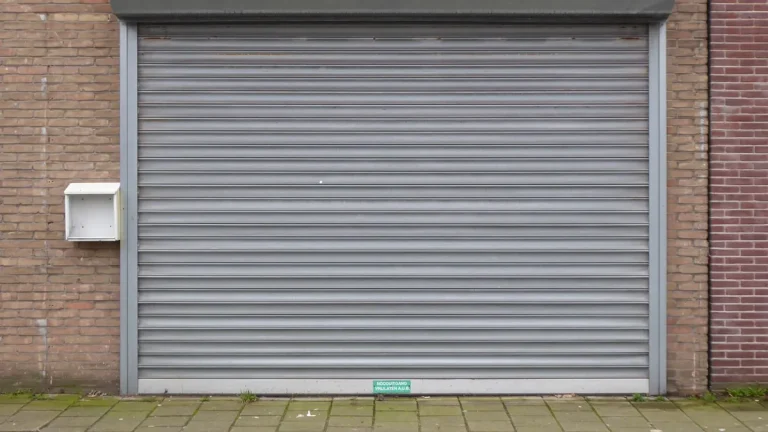
The zoning drawing went up on the wall months ago. The door schedule still says EX door, with no zone number and no category behind it. The safety engineer walks her ignition-source checklist through the plant and stops at the loading bay. The door that cycles two hundred times a day has neither a marking nor a bonding note.
We build specialty industrial doors, explosion-resistant capability among them, and we spend more time explaining zones than selling doors. This guide decodes what ATEX zones say. It shows what each zone demands of explosion proof industrial doors, and what evidence separates a zoned-area door from a standard door with a confident label.
How ATEX Divides Hazardous Areas Into Zones
ATEX is not a single rule but a label drawn from the French title ATmosphères EXplosibles. In Europe it spans two directives. One obliges employers to classify workplaces where explosive atmospheres can form; 2014/34/EU governs the equipment placed inside them. An explosive atmosphere, in the directive’s own words, is a mixture with air of flammable gases, vapours, mists or dusts. After ignition, combustion spreads to the whole unburned mixture.
Classification works from one variable only: how often and how long that atmosphere appears. UK HSE guidance, which mirrors the directive system, defines the gas zones plainly:
- Zone 0 — an explosive gas atmosphere is present continuously, for long periods, or frequently.
- Zone 1 — it is likely to occur in normal operation, occasionally.
- Zone 2 — it is not likely in normal operation, and if it occurs it persists for a short period only.
Dust gets its own ladder with the same logic. Zones 20, 21 and 22 mirror 0, 1 and 2 for clouds of combustible dust. HSE adds a warning buyers often miss: layers, deposits and heaps of dust count as sources able to create an explosive atmosphere. A door standing where flour or wood dust settles is in a dust conversation whether the drawing admits it or not.
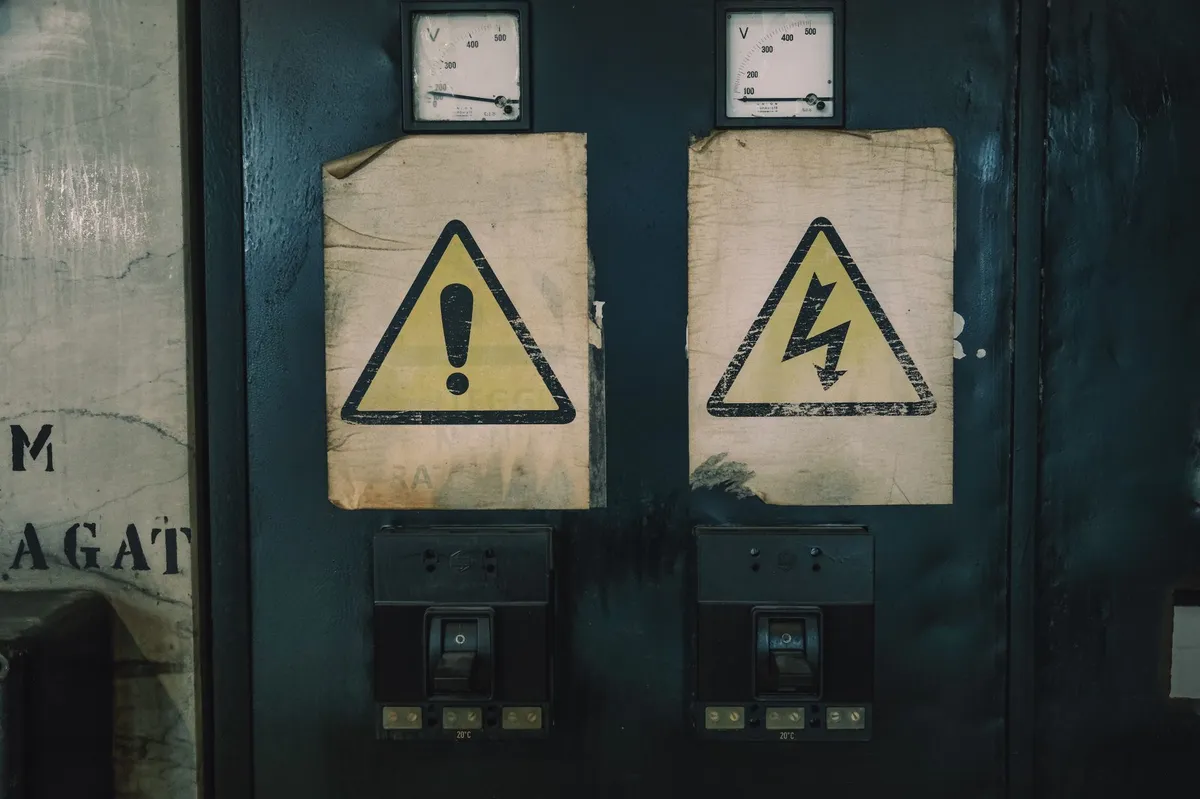
The zoning drawing, not the supplier’s catalogue, is the controlling document. It records where each zone begins and ends, and every new door must be checked against it before ordering.
What Each Zone Requires of Doors
Directive 2014/34/EU defines equipment to include machines capable of causing an explosion through their own potential sources of ignition. That sentence is why doors are in scope at all. A door is non-electrical equipment, but it moves, rubs, sparks and accumulates charge like anything else in the plant. Within equipment group II, covering everything outside mining, products are sorted into categories that match the zones. This mapping is the backbone of specifying explosion proof industrial doors.
| Zone | Atmosphere | Category required | What it means for the door |
|---|---|---|---|
| 0 / 20 | Continuous or frequent | 1 | Highest protection; doors are rarely specified inside these zones at all |
| 1 / 21 | Occasional in normal operation | 2 | The classic explosion-proof door duty: certified assembly, Ex-marked drives |
| 2 / 22 | Abnormal conditions only, short-lived | 3 | Ignition control in normal operation; lighter conformity route |
Compatibility runs downward only. Category 1 equipment may serve in zones 1/21, and categories 1 or 2 in zones 2/22, but never the reverse. Gas and dust duties are marked separately. A door bought for a solvent room does not automatically qualify for the starch silo floor.
Ignition Sources a Door Must Control
European standard EN 1127-1 supplies the method underneath all of this: basic concepts and methodology for explosion prevention. It builds on a taxonomy of thirteen ignition sources. The list runs from hot surfaces, flames and mechanically generated sparks through electrical apparatus, stray currents, static electricity and lightning. It ends with radio-frequency waves, ionizing radiation, ultrasonics, adiabatic compression and exothermic reactions including dust self-ignition.
Four of the thirteen live inside every industrial door. Mechanically generated sparks come from steel rollers in steel tracks, a forklift clipping the guide, or a dragging bottom rail. Hot surfaces concentrate in motors, brakes and friction points under repeated cycling. Static electricity builds on curtains and belt drives unless it is given a path to earth. Electrical apparatus spans the operator, the limit switches and every sensor on the frame.
This is the quiet scandal of hazardous-area purchasing. Plants Ex-rate their luminaires and motors, then leave the door out of the assessment, although the door moves most. Ignition control is why our companion piece on fire-rated roller shutters insists the rating covers the assembly, not the material. The same logic governs explosion protection.
How Explosion-Proof Doors Are Engineered
Manufacturer documentation for ATEX doors converges on the same package of measures, whatever the brand. Sparking pairs are engineered out first. Aluminium, stainless steel or non-metallic components replace carbon-steel-on-steel combinations in guides, rollers and contact strips. A glancing impact then cannot strike an incendive spark. That is the first design rule for explosion proof industrial doors.

Static is handled by surface resistance and by bonding. Anti-static curtain materials are specified with a surface resistance below 108 ohms in manufacturer datasheets, and the frame is bonded so charge cannot accumulate between cycles. Hot surfaces and electrical gear are managed by selection and placement. Ex-marked motors and brakes stay below the temperature class, and several makers place the control cabinet outside the zoned area altogether. A manual release for power failure completes the package, because a door that cannot open safely in a blackout creates its own emergency.
None of this is exotic metallurgy. It is disciplined material selection, bonding and component certification, applied to the complete assembly.
Reading the Ex Marking on a Door
Certified equipment carries a marking you can decode on the spot. The Ex symbol sits in a hexagon. It is followed by the group, the category, a G or D letter for gas or dust, the gas group where relevant, and a temperature rating. One published marking for an ATEX door drive reads II 2G … IIC T4 alongside II 2D T125 °C, and every token does work in the field.
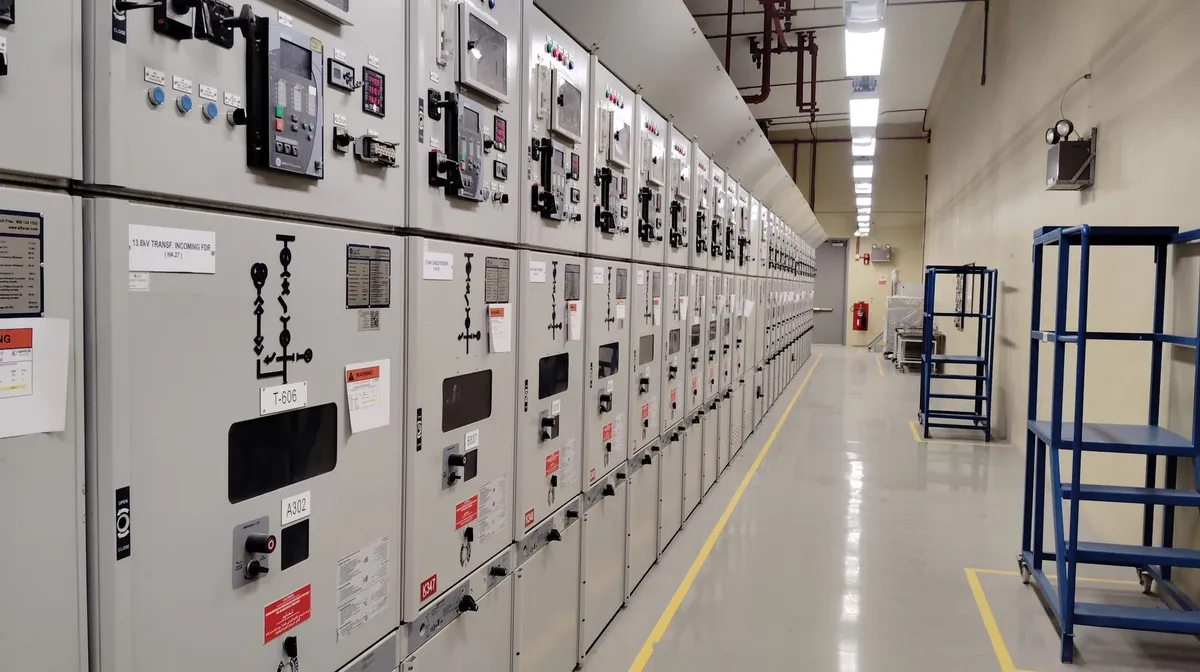
Group II means surface industry, not mining. Category 2 means zone 1 and 21 duty. The first line’s G and gas group IIC cover the most sensitive gases including hydrogen, and T4 means surfaces stay below 135 °C. The second line certifies the same unit for dust zones at a 125 °C surface limit. Temperature classes run from T1 at 450 °C up to T6 at 85 °C, and the class you need comes from the substances listed in the zoning study.
Read the marking against the drawing, not the brochure. If the zone says 21 and the plate says only G, the door is in the wrong conversation.
Certification Papers Behind the Marking
The paperwork trail differs sharply by category, and 2014/34/EU is explicit about it. Category 1 equipment passes an EU-type examination by a notified body, backed by production quality assurance. Category 2 non-electrical equipment follows internal production control, with the technical documentation lodged with a notified body. Category 3 runs on internal production control alone. Manufacturers keep the technical file and the EU declaration of conformity for ten years.
Our position is stated as plainly as the directive, and each project is verified against the zone data you supply. We manufacture specialty and industrial doors with explosion-resistant capability, built to the measures above, and we do not hold a stock ATEX certificate. Our standing certifications cover ISO 9001:2015, CE under EN 13241, EN 12453 and SGS material reports. A supplier claiming full ATEX certification should show the declaration, the category, and the zone-matched marking. A maker shipping doors to 70+ countries since 1999 should manage that in one email.
Specifying Doors for Zoned Areas
The efficient sequence runs zone, category, engineering, paperwork. Take the zone and the substance list from the zoning drawing, which yields the category and the temperature class. Then fix the engineering: material pairs, anti-static surfaces, bonding schedule, Ex-marked drives, cabinet placement, manual release. Finally demand the documents – declaration of conformity, marking photographs, instructions – and file them beside the zoning study. That sequence prices explosion proof industrial doors honestly, because every line answers a zone requirement.
The duty industries split cleanly by hazard type. Solvent-bearing chemical and pharmaceutical plants drive the gas-zone cases, oil and gas terminals the outdoor zone 1 duty, and food, grain, sugar and woodworking plants the dust zones. Regulated manufacturers feel the pull twice. Our pieces on ISO 14644 cleanroom door requirements and cGMP door compliance show how fast a door becomes an audit line once a standard names it. Where non-sparking material is the concern, the stainless steel industrial door is the natural base build.
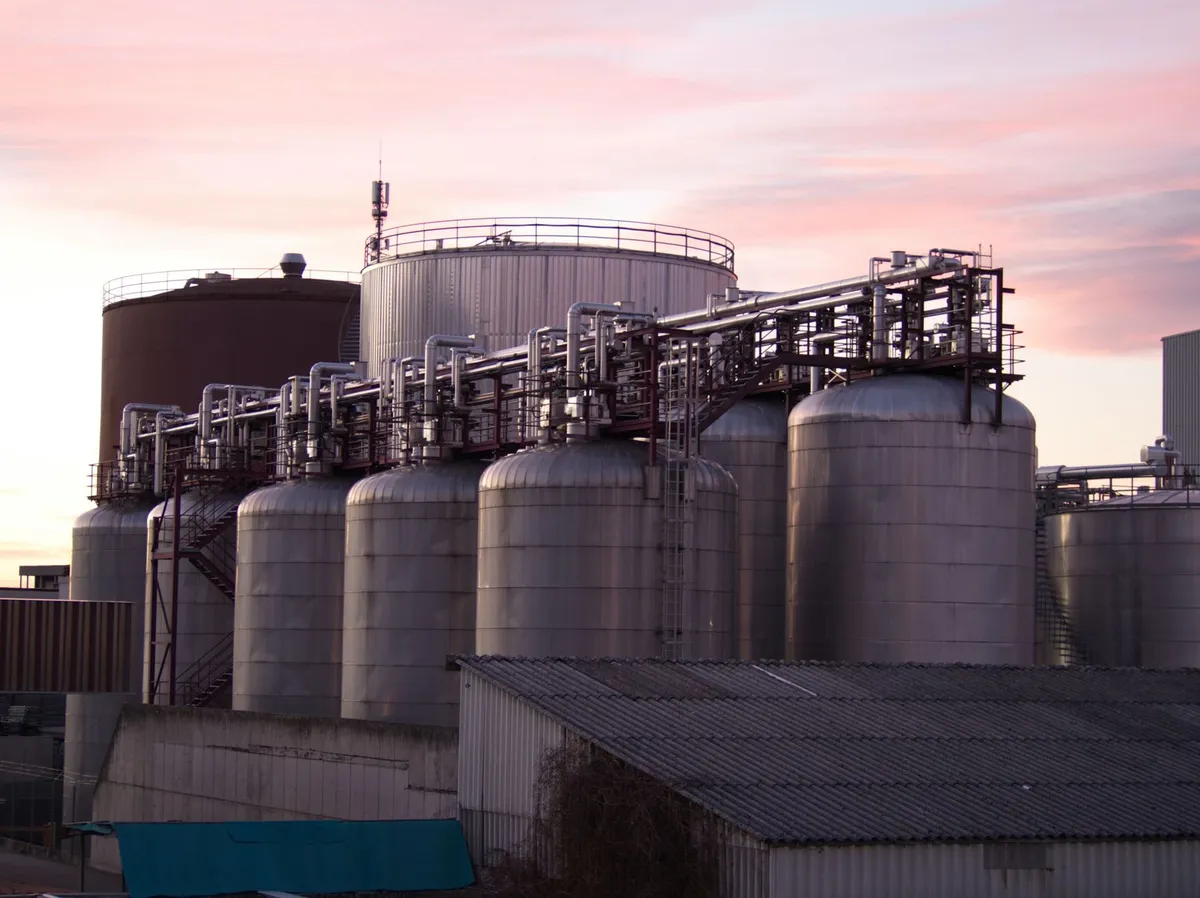
One caution belongs in every purchase order: buy to the zone, not to the fear. Specifying category 1 hardware for a zone 22 corner wastes budget the risk assessment never asked you to spend.
Frequently Asked Questions
What do ATEX zones 1 and 21 mean?
Zone 1 is a place where an explosive gas, vapour or mist atmosphere is likely to occur occasionally in normal operation. Zone 21 is the dust equivalent, where a cloud of combustible dust appears occasionally in normal operation.
What is the difference between zone 2 and zone 22?
Zone 2 covers gas or vapour atmospheres that are not expected in normal operation and persist only briefly if they occur. Zone 22 says the same for combustible dust clouds. Both require equipment category 3.
Do industrial doors need ATEX certification?
Inside a zoned area, yes. Directive 2014/34/EU defines equipment to include machines with their own potential ignition sources, which covers doors. The category depends on the zone: 1, 2 or 3.
What makes a door explosion proof?
Non-sparking material pairs in guides and rollers, anti-static curtain surfaces, and bonding to earth. Add Ex-marked motors and sensors matched to the temperature class, controls outside the zone, and a manual release on power failure.
What does 2G or 2D mean on an Ex marking?
The 2 is the equipment category, suiting zone 1 or 21. G certifies the assembly for gas atmospheres and D for dust. A door marked only 2G is not certified for dust zones, whatever the brochure implies.
Which industries need explosion-proof industrial doors?
Gas-zone duty dominates in chemicals, pharmaceuticals and oil and gas. Dust-zone duty dominates in food, grain, sugar and woodworking plants. The zoning drawing decides boundary by boundary.
The Zone Asks, the Door Answers
A zone number on a drawing is a question, and the door answers it in writing or not at all. The answer has three lines: an Ex marking matched to the zone, a conformity route the category justifies, and a bonding note the installer can follow. Anything less is a standard door standing in the wrong room.
Put those lines into the schedule before the next order. Zone and temperature class from the drawing, category from the mapping, measures from the ignition-source list, papers from the supplier. The checklist then moves past the loading bay without stopping. That is the quietest compliment explosion proof industrial doors ever earn.