
Specifying an incompatible kinematic door movement for a refrigerated facility compromises thermal boundary control and disrupts logistics traffic. Facility directors and cold storage project managers often face severe air infiltration, structural impact damage, and frozen door tracks when opening mechanisms do not match operational traffic patterns.
Evaluating the best opening and closing method for a cold storage door requires analyzing five mechanisms. These include sliding doors, hinged cam-lift doors, high-speed roll-up doors, vertical lift doors, and bi-parting sliding doors. In over two decades of engineering entrance systems and custom cold room doors, field engineering teams have evaluated thousands of cold chain facilities. Matching door kinematics to clear opening dimensions, temperature deltas, and daily traffic counts maximizes energy efficiency.
1. Horizontal Sliding Cold Storage Doors (Drop-and-Inward)
Horizontal sliding cold storage doors represent the benchmark standard for primary pallet openings, material handling bays, and heavy forklift transit corridors.
When engineering an automated opening and closing method for a cold storage door, overhead track slope and carriage geometry determine sealing success. Precision aluminum tracks feature self-cleaning angled running surfaces that shed ice crystals automatically during horizontal transit, preventing roller derailment.
Dual-Axis Gravity-Assisted Drop-and-Inward Sealing
Unlike standard industrial sliding doors that travel flat against the wall, cold storage sliding doors utilize heavy extruded aluminum tracks with engineered 45-degree drop notches. During the final 50 mm of closing travel, heavy-duty roller carriages drop 10 mm vertically downward and move 8 mm horizontally inward. This dual-axis motion utilizes gravity to compress dense multi-chamber EPDM rubber gaskets against the frame and floor without dragging the bottom seal across the concrete threshold.
Panel Thickness and Heavy Insulation Capacity
Horizontal sliding doors easily support thick panels. Specifications range from 75 mm PU (U = 0.28 W/m²K) for chillers up to 150 mm PIR (U = 0.18 W/m²K) for sub-zero freezers. Supported by heavy-duty overhead trolley tracks, the door leaf glides effortlessly even when panel weights exceed 300 to 500 kilograms.
In automated warehouse environments, horizontal sliding doors can be equipped with high-torque brushless DC electric motors and micro-processor controllers. Programmable half-open pedestrian modes allow doors to open only partially for human transit, reducing refrigeration loss during staff inspection rounds.
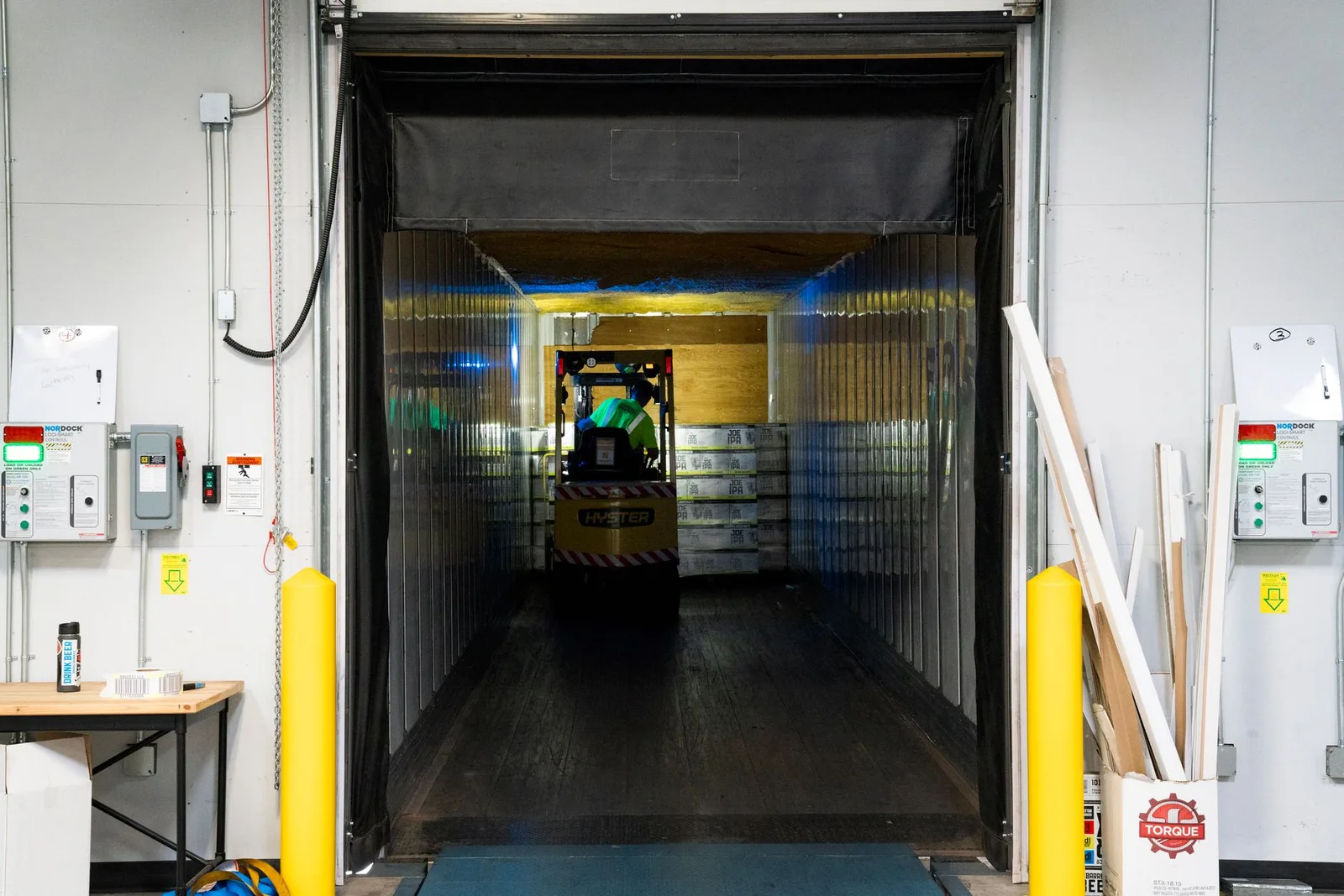
2. Hinged Cam-Lift Cold Room Doors (Low-Frequency Access)
In laboratory chambers and small walk-in coolers, daily cycling is low (under 50 cycles per day). For these compact openings, hinged swing doors offer a reliable and cost-effective thermal barrier.
Spiral Cam-Lift Hinge Mechanics
Standard architectural hinges cause bottom sweeper gaskets to drag across the floor slab, resulting in rapid rubber abrasion and air leaks. Cold room hinged doors solve this challenge by incorporating AISI 304 stainless steel spiral cam-lift hinges. As the door leaf rotates open, an internal precision spiral ramp raises the entire door leaf 12 mm vertically, lifting the bottom rubber seal clean off the floor.
Spatial Requirements and Manual Latch Operation
Hinged doors require zero horizontal sideroom, making them ideal for tight corridor layouts. However, they require clear swing clearance in front of the opening. External handles feature adjustable roller strike latches that pull the door panel tight into frame gaskets upon closure, combined with internal glow-in-the-dark safety escape release rods.
In facilities with tight corridor access, specifying 180-degree swing hinges allows door leaves to fold flat against adjacent perimeter walls. This configuration clears narrow pedestrian aisles and prevents accidental cart damage during restocking operations.
Need Engineering Guidance on Cold Storage Door Kinematics?
Send your clear opening dimensions, temperature requirements, and traffic flow patterns to the technical engineering team for custom mechanism sizing and factory direct pricing.
3. High-Speed Insulated Roll-Up Doors (High-Frequency Logistics)
In busy food distribution centers, forklifts and AGVs transit continuously (>200 cycles daily). Selecting a high-speed opening and closing method for a cold storage door is critical to maintaining refrigeration efficiency.
Variable Frequency Servo Drive Speeds (Up to 2.5 m/s)
High-speed cold storage doors utilize brushless DC servo motors and variable frequency drives (VFD) to achieve rapid opening velocities between 1.5 and 2.5 m/s. This rapid cycle reduces doorway open time by up to 70%, drastically decreasing warm moist air infiltration and preventing refrigeration evaporator coil icing.
Self-Repairing Zipper Tracks and Composite Insulation
Modern high-speed freezer doors feature double-skin insulated PVC curtains containing closed-cell foam cores (30 mm to 50 mm thick). The curtain edges utilize flexible zipper teeth running inside heated polyethylene guide tracks. If impacted by a forklift, the curtain dislodges safely from the tracks and re-inserts automatically on the upward cycle without service intervention.
Additionally, advanced high-speed doors incorporate heated side columns and integrated warm-air blowers. Constant laminar airflow across the doorway face prevents moisture condensation from frosting over safety photocells, guaranteeing uninterrupted automated AGV transit.
Furthermore, high-speed insulated curtains feature specialized composite thermal barriers with reflective radiant foils. These multi-layer curtains prevent surface condensation while operating reliably in sub-zero freezer environments down to -30°C without requiring cumbersome auxiliary defrost cycles.
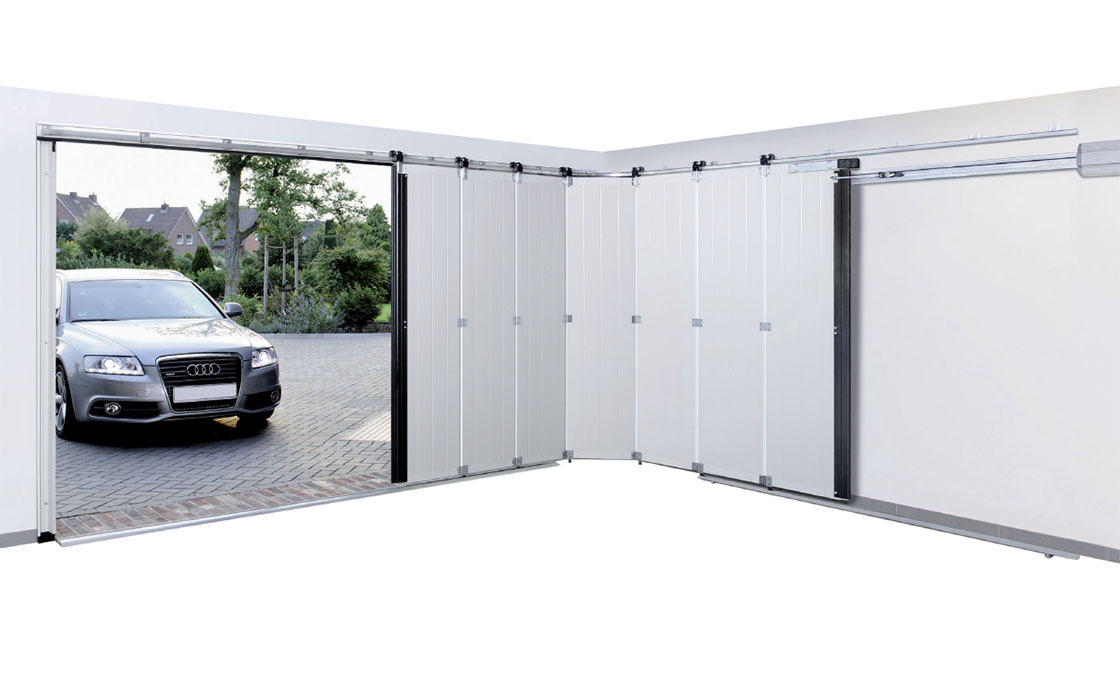
4. Vertical Lift Sectional Cold Storage Doors (Loading Docks)
For refrigerated loading docks and exterior distribution staging bays, horizontal sliding doors are often impractical due to tightly spaced adjacent dock bays.
Full Vertical Wall Tracking
Vertical lift cold storage sectional doors comprise multiple hinged insulated polyurethane panels (75 mm to 100 mm thick). The panels travel vertically upward along heavy steel tracks mounted flush against the wall. This vertical path leaves adjacent floor and wall spaces 100% unobstructed for dock levelers and pallet staging.
Dock Seal Integration and Heavy-Duty Counterbalance
Equipped with heavy-duty oil-tempered torsion spring counterbalance systems, vertical lift doors ensure smooth manual or motorized operation. The perimeter features compressible multi-fin EPDM seals that interface tightly with exterior truck dock shelters, preventing ambient heat gain during trailer loading.
Furthermore, vertical lift cold doors can be paired with inflatable dock shelters and hydraulic dock levelers into an interlocked sequence. The door remains tightly closed until the refrigerated trailer is fully docked and sealed, preventing humid exterior air from entering the cold storage loading bay.
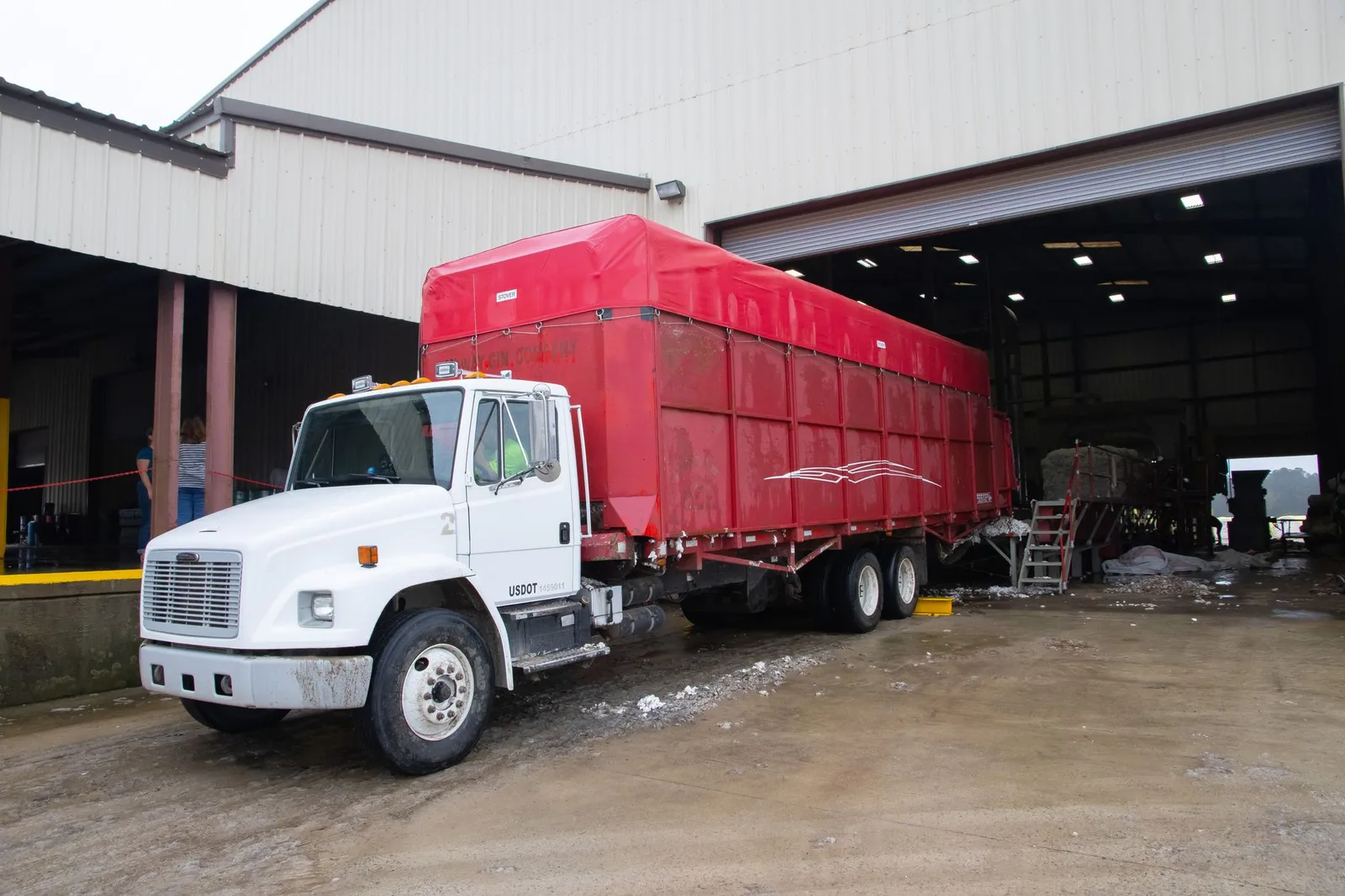
5. Bi-Parting High-Speed Sliding Doors (Wide Heavy Bays)
When doorway openings exceed 2.5 to 4.0 meters in width, single-leaf sliding doors require excessive travel distance and extended cycle times.
Dual-Panel Synchronized Opposing Travel
Bi-parting sliding doors divide the total opening width between two symmetrical panels that slide in opposite directions simultaneously. Powered by synchronized belt-driven brushless motors, the panels travel at combined separation speeds of 1.0 to 1.8 m/s, cutting total opening duration in half compared to single-panel sliders.
Central Labyrinth Gasket Sealing
Where the two leaves meet at center span, heavy-duty dual interlocking EPDM bulb gaskets create a labyrinth seal. Embedded electric heating wires in the central meeting stiles prevent moisture from freezing at the center seam, ensuring reliable hermetic closure in -25°C commercial freezers.
Each meeting stile heating element is wired to an independent safety breaker with current-monitoring indicators. Maintenance engineers can verify heating continuity across the central joint during daily inspection rounds without disrupting ongoing warehouse operations.
Selecting this synchronized opening and closing method for a cold storage door reduces the mechanical load on individual drive motors by 50%. This dual-drive configuration extends the operating lifespan of overhead track rollers and belts.
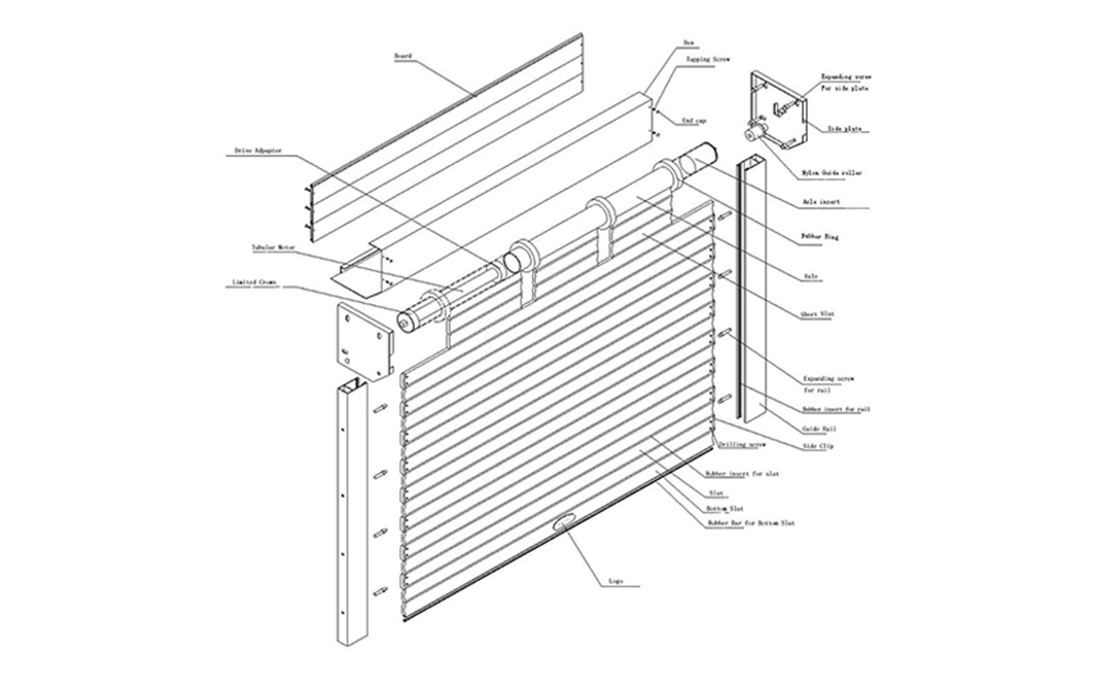
6. Master Decision Matrix: Opening Methods Comparison
When evaluating the ideal opening and closing method for a cold storage door, facility planners must compare kinematic performance. The engineering matrix below outlines operational parameters across all five door styles:
| Opening Method | Typical Speed | Thermal Rating (U-value) | Daily Cycle Capacity | Required Spatial Clearance | Optimal Application |
|---|---|---|---|---|---|
| Horizontal Sliding | 0.3 to 0.8 m/s | U = 0.18 to 0.28 W/m²K | 50 to 200 cycles/day | Width + 500 mm Sideroom | Heavy forklift freezer storage |
| Hinged Cam-Lift | Manual Swing | U = 0.22 to 0.35 W/m²K | < 50 cycles/day | Front swing arc clearance | Walk-in coolers & laboratories |
| High-Speed Roll-Up | 1.5 to 2.5 m/s | U = 0.60 to 0.90 W/m²K | > 200 cycles/day | 600 mm Headroom over lintel | High-throughput logistics hubs |
| Vertical Lift Sectional | 0.2 to 0.5 m/s | U = 0.28 to 0.38 W/m²K | 30 to 100 cycles/day | Full vertical ceiling height | Refrigerated truck loading docks |
| Bi-Parting Sliding | 1.0 to 1.8 m/s | U = 0.18 to 0.28 W/m²K | 100 to 300 cycles/day | Half-width space on both sides | Wide automated freezer corridors |
Safety regulations enforced by the Health and Safety Executive mandate safety photocells and bottom edge sensors. Similarly, manufacturing guidelines from ISO recommend emergency inside releases on all automated cold room doors.
7. Engineering Kinematics Consultation for Your Cold Facility
Selecting the ideal opening and closing method for a cold storage door depends on balancing traffic speed, thermal resistance, and architectural wall clearances. Reviewing door kinematics early in the facility design phase prevents structural bottlenecks and guarantees optimal cold chain performance.
A kinematic review of traffic flows, temperature deltas, and clearances ensures optimal results. Facility operators achieve superior temperature stability, zero frost accumulation, and lowest lifecycle maintenance costs.
Need technical assistance selecting cold room door opening mechanisms?
If you are designing a temperature-controlled logistics hub or upgrading existing cold room entrances, the technical engineering team is available to review your clear opening dimensions, cycle frequency data, and structural clearances to recommend the most efficient cold storage door configuration.
Frequently Asked Questions About Cold Door Opening Methods
What is the most energy-efficient opening method for cold storage doors?
High-speed roll-up doors (1.5-2.5 m/s) are most energy-efficient in high-traffic bays by minimizing open-door time, while thick sliding doors provide the highest stationary thermal resistance.
How do sliding doors achieve airtight sealing without dragging gaskets?
Sliding doors use 45-degree drop tracks that lower the door 10 mm vertically and move it 8 mm inward in the final closing stage, compressing gaskets without floor friction.
When should you use bi-parting sliding doors instead of single sliders?
Bi-parting sliding doors are ideal for wide doorways (over 2.5 meters), high-speed transit corridors, or facilities with limited sideroom on one side of the opening.
Why are cam-lift hinges essential for hinged cold room doors?
Spiral cam-lift hinges raise the door leaf 12 mm upon opening, lifting the bottom rubber seal off the floor to prevent premature gasket wear and maintain long-term airtightness.
Which door opening method is best suited for loading dock bays?
Vertical lift sectional doors are standard for loading docks because they lift straight up against the interior wall, leaving adjacent floor and wall space completely clear.