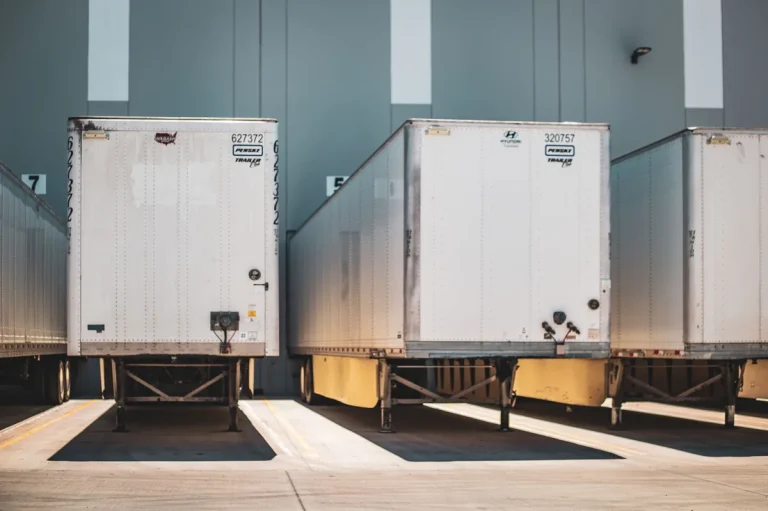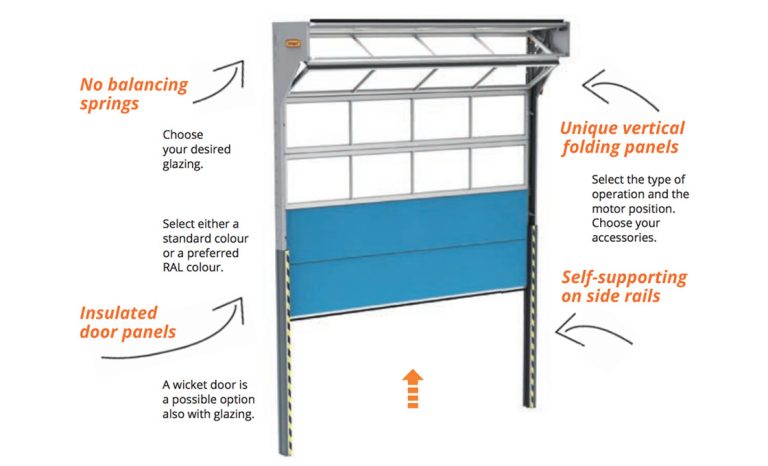
Selecting the optimal door system for agricultural buildings fundamentally dictates operational workflow and environmental control. Heavy machinery access, livestock protection, and grain storage each impose distinct mechanical and thermal requirements on building infrastructure. Engineers must evaluate clearance dimensions, wind load ratings, and thermal resistance to ensure long-term structural integrity. Proper analysis prevents costly retrofitting and maintains strict environmental parameters.
Consulting with a specialized manufacturer like Raxdoor ensures that the selected architectural components meet rigorous agricultural standards. Properly specified entry systems eliminate workflow bottlenecks and prevent structural stress under severe weather conditions. Implementing high-performance barriers minimizes operational friction and reduces maintenance overhead across diverse farming applications. Expert guidance during the specification phase guarantees maximum return on infrastructure investments.
Understanding the technical nuances of various door architectures allows facility managers to optimize their operational workflows. Analyzing specific environmental stressors and usage frequencies is crucial for deploying reliable access solutions. Integrating advanced barrier technologies directly supports sustainable and highly efficient modern agricultural practices.
Why Choosing the Right Agricultural Door Matters
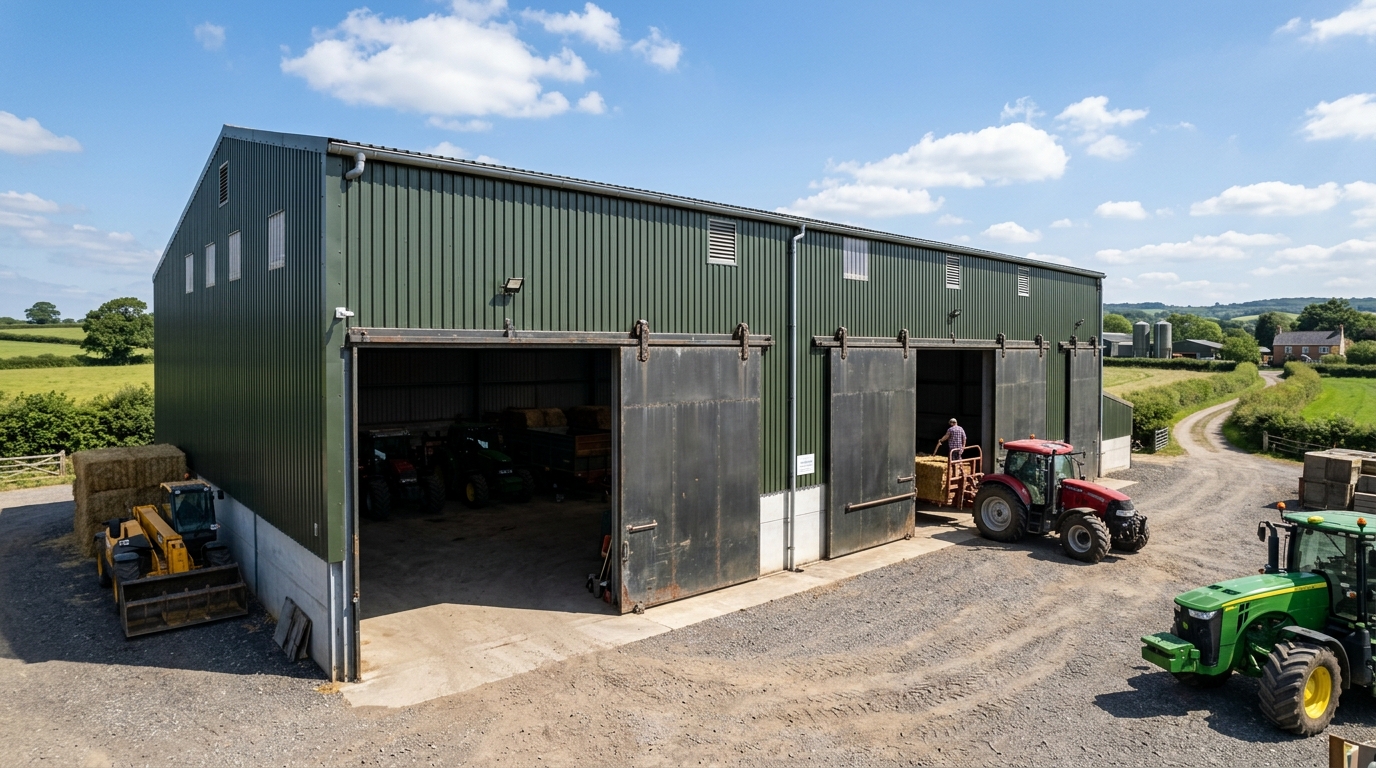
Agricultural building doors serve as the primary dynamic barrier between external environmental extremes and sensitive internal operations. Inferior closures compromise farm efficiency by hindering the rapid deployment of heavy machinery and agricultural equipment. A substandard door installation often results in excessive manual labor, requiring multiple personnel to operate heavy barriers. Track degradation and frame twisting are common failure modes that disrupt daily agricultural workflows. Advanced structural engineering mitigates these operational bottlenecks by utilizing precision-balanced lifting mechanisms.
Equipment safety relies heavily on the structural robustness of the entry systems installed in farm shops and barns. Inadequate wind load resistance can lead to catastrophic door failure during severe meteorological events, endangering stored machinery. Modern agricultural implements are expensive investments that demand secure and weather-resistant housing environments. High-quality closures protect these assets from unauthorized access, debris impact, and moisture-induced corrosion. Specialized locking hardware further deters theft and secures vital agricultural infrastructure.
Livestock protection is another critical parameter influenced directly by door selection and installation quality. Drafty or poorly sealed access points create thermal inconsistencies that negatively impact animal health and productivity. Proper closures mitigate extreme temperature fluctuations and prevent the ingress of harmful vermin. Maintaining strict environmental control within livestock enclosures requires precision-engineered perimeter barriers. Heavy-duty seals prevent drafts that can compromise specialized veterinary environments.
The operational longevity of agricultural facilities is directly proportional to the durability of their access mechanisms. Track systems subjected to constant dust, moisture, and heavy loads inevitably experience accelerated wear if not properly specified. Investing in high-grade hardware at the design phase significantly reduces long-term maintenance liabilities. Facility managers must prioritize mechanical resilience to avoid the cascading costs of unexpected door system failures. Continuous operational uptime is crucial during time-sensitive harvesting operations.
Common Types of Agricultural Building Doors
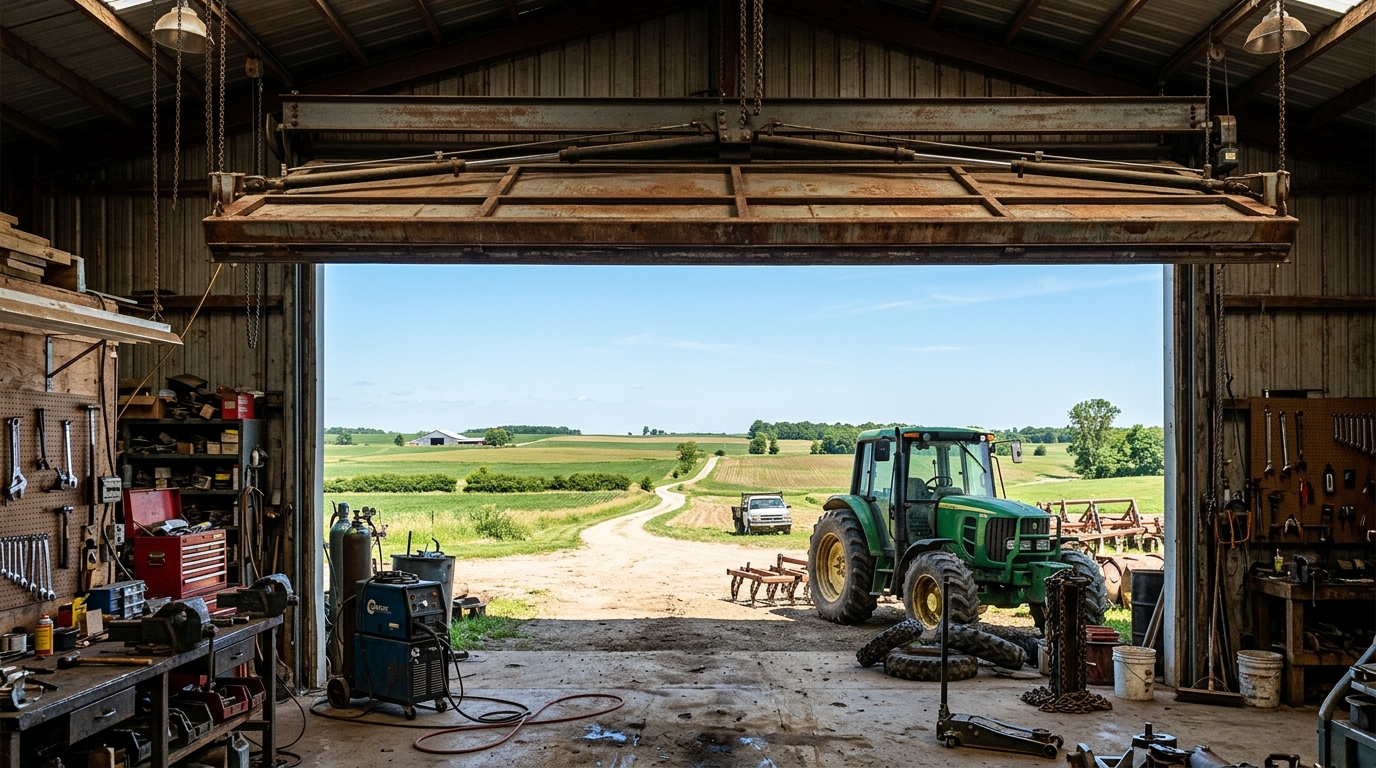
Agricultural facilities deploy diverse door architectures, each engineered to address specific spatial and operational constraints. Evaluating the mechanical differences among available systems ensures alignment with the building’s primary function and traffic volume. The selection process must balance initial capital expenditure with anticipated maintenance requirements and operational longevity. Different access systems offer varying degrees of thermal insulation, clearance optimization, and opening speeds. Structural engineers carefully weigh these factors against anticipated environmental loads.
| Door Type | Primary Advantage | Typical Application | Clearance Impact |
|---|---|---|---|
| Sliding Doors | Cost-effective wide access | Cold storage barns, machinery sheds | Requires adjacent wall space |
| Overhead Sectional | Excellent thermal insulation | Climate-controlled workshops | Reduces interior ceiling headroom |
| Hydraulic Doors | Maximum opening dimensions | Large combine and aircraft hangars | Zero loss of vertical clearance |
Sliding Doors
Sliding doors represent the traditional standard for wide-span agricultural structures due to their mechanical simplicity. These systems rely on robust overhead tracks and bottom guides to maneuver massive panels across structural openings. They are highly cost-effective for unheated storage buildings but struggle to provide airtight thermal seals. Regular track maintenance is essential to prevent jamming and ensure smooth manual or automated operation. Upgrading track hardware significantly extends the lifespan of these heavy barriers.
Overhead Sectional Doors
For facilities requiring strict climate control, overhead sectional doors deliver superior thermal resistance. These structures utilize articulated panels that retract along vertical and horizontal track assemblies. Polyurethane core insulation within the panels significantly reduces thermal bridging, making them ideal for heated farm shops. However, their internal track mechanisms do consume valuable ceiling space, potentially interfering with tall indoor equipment. Careful dimensional planning is required before installation.
Hydraulic Doors
Hydraulic doors provide uncompromised clearance dimensions, making them indispensable for structures housing massive modern combine harvesters. Operating on heavy-duty hydraulic cylinders, these single-piece panels swing outward to form a protective canopy. This architecture transfers the structural load directly to the building’s columns, requiring robust foundational engineering. They are premium solutions that eliminate the headroom restrictions associated with conventional internal track systems. The rapid deployment speed also minimizes thermal exchange during operations.
Personal Entry Doors
Integrating personal entry doors alongside massive equipment access points is a fundamental safety and workflow optimization strategy. Operating giant hydraulic or sliding barriers for individual foot traffic is highly inefficient and wastes thermal energy. Dedicated pedestrian portals allow quick access without subjecting the primary climate barriers to unnecessary mechanical cycling. This dual-access approach significantly extends the lifespan of the heavy-duty agricultural entry systems. It also provides secure, lockable access points for daily farm personnel.
Determining Equipment Size and Clearance Needs
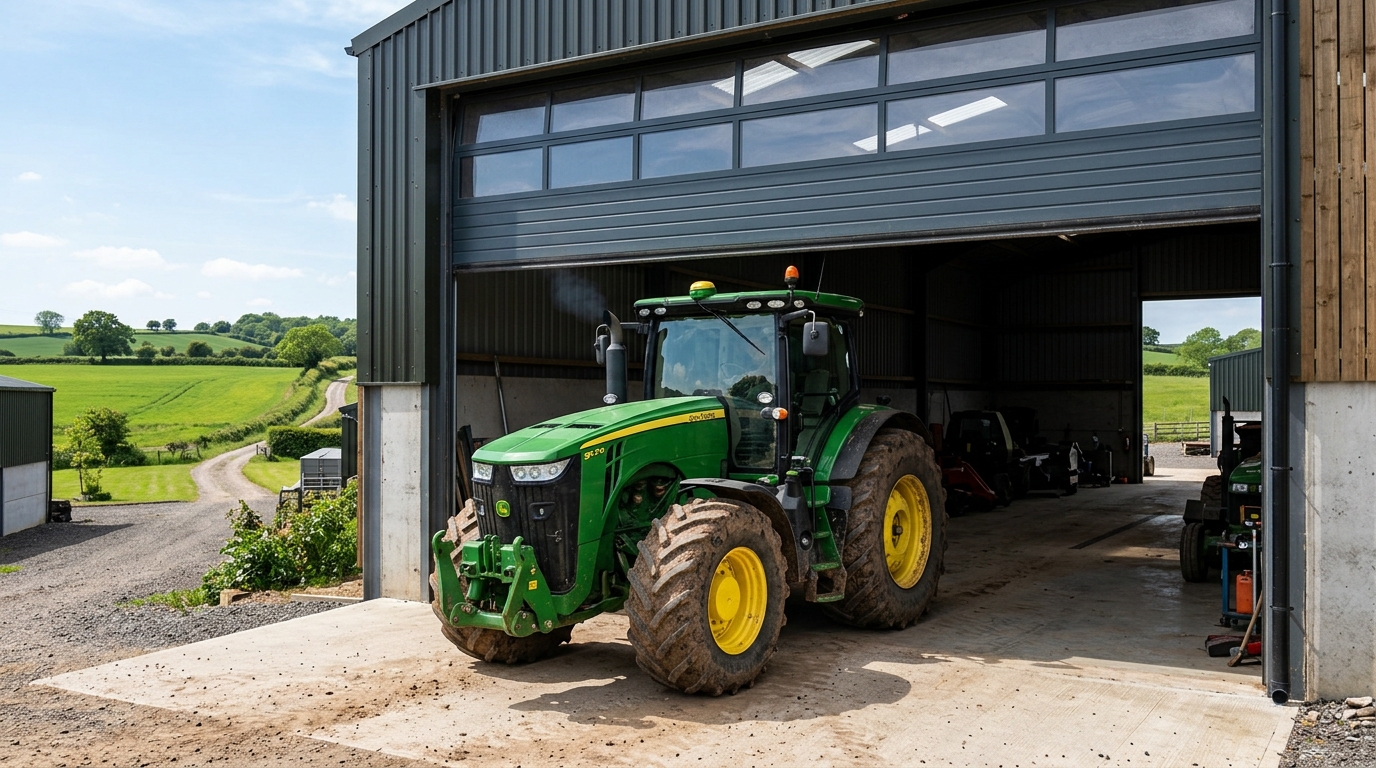
Sizing doors for modern agricultural structures requires precise calculation of current and future equipment dimensions. The exponential growth in agricultural machinery size dictates that legacy entry dimensions are often hopelessly inadequate. Engineers must account for the fully deployed width of folding implements and the maximum vertical reach of grain carts. Failure to provide sufficient clearance results in frustrating operational bottlenecks and potential structural damage during transit. Forward-thinking sizing strategies accommodate the inevitable expansion of machinery profiles.
Height clearance calculations must incorporate the specific operational trajectory of the selected door architecture. Overhead tracking systems typically consume two to three feet of vertical interior space, reducing available headroom. In contrast, hydraulic architectures maintain the complete design height of the building’s original rough opening. Specifying the exact equipment roster helps structural engineers calculate the absolute minimum operational envelope required. Precision measurements prevent costly modifications to newly constructed agricultural facilities.
Width considerations are equally critical, especially when maneuvering long trailers or exceptionally wide planting implements. A general engineering consensus recommends a minimum width of 24 to 30 feet for modern machinery sheds. Extra horizontal clearance prevents accidental impacts that could compromise both the farm equipment and the building frame. Facility managers must also evaluate the turning radius required to align machinery with the entry portal. Generous spatial allowances streamline complex logistical operations during harvest.
Frequency of use directly impacts the specification of door operating mechanisms and required structural rigidity. High-traffic openings demand rapid cycling speeds and heavily reinforced components to prevent premature mechanical fatigue. Incorporating high-speed doors for agriculture in frequently accessed zones minimizes thermal loss and accelerates workflow. Conversely, seasonal storage barns can utilize slower, more economical barrier systems without degrading daily efficiency. Aligning hardware specifications with operational tempo maximizes the return on investment.
Matching the entry system to the building’s specific operational purpose optimizes overall agricultural infrastructure performance. A climate-controlled mechanical workshop necessitates heavily insulated barriers with precise, airtight sealing capabilities. Conversely, a simple hay storage structure prioritizes massive unobstructed openings over complex thermal resistance features. Defining the exact functional parameters of the space ensures the deployed access solution aligns with operational reality. Thorough requirement analysis prevents over-engineering and reduces unnecessary capital expenditures.
Weatherproofing, Insulation, and Wind Exposure
Upgrade Your Facility with High-Performance Agricultural Doors
Are structural vulnerabilities and thermal inefficiencies compromising your farm’s productivity? Discover advanced door systems engineered for extreme weather resistance and seamless heavy equipment access.
Environmental forces exert immense physical stress on large-format agricultural doors, necessitating rigorous structural engineering. Effective weatherproofing prevents moisture intrusion that can degrade organic materials and corrode sensitive metallic components. The structural integrity of the access barrier must withstand localized atmospheric pressures generated by severe weather events. Comprehensive environmental control requires synchronized insulation, advanced sealing, and intelligent wind resistance strategies. Engineers prioritize durable materials to ensure long-term performance under harsh conditions.
Wind Load Ratings and Door Placement
Wind load ratings dictate the maximum aerodynamic pressure a door panel can withstand before structural deformation occurs. Large agricultural barriers act as massive sails, capturing significant wind energy that transfers directly to the frame. Engineers must specify closures with reinforced wind struts and heavy-gauge steel to prevent dangerous racking or twisting. Insufficient wind resistance can lead to catastrophic blowout failures, exposing the interior to devastating storm damage. Certified load calculations guarantee structural stability during extreme meteorological events.
Strategic door placement during the architectural design phase fundamentally mitigates operational stress during severe weather. Orienting large openings away from prevailing storm tracks reduces the baseline aerodynamic pressure exerted on the panels. This defensive positioning ensures that the entry systems remain operable even under adverse and unpredictable conditions. Intelligent placement significantly extends the hardware’s lifespan by minimizing its exposure to peak environmental forces. Architectural foresight eliminates persistent maintenance issues caused by wind-induced mechanical binding.
Moisture and Humidity Control
Moisture control is a critical parameter for preserving both the door structure and the building’s internal contents. Uncontrolled humidity accelerates the degradation of moving parts and compromises the structural integrity of timber-framed closures. Modern agricultural barriers utilize galvanized steel and specialized polymer coatings to resist aggressive moisture-induced corrosion. Preventing water ingress requires precision-engineered bottom seals and tightly integrated peripheral flashing. Comprehensive moisture mitigation protects valuable machinery from ambient rusting and electrical shorts.
Avoiding wood warping and rot requires the deployment of advanced synthetic or treated metallic materials in construction. Traditional wooden doors rapidly absorb atmospheric moisture, leading to dimensional swelling and subsequent binding within the tracks. Utilizing rigid metallic frames with moisture-impermeable cladding ensures consistent operational tolerances regardless of ambient humidity. Proper perimeter sealing also prevents the accumulation of standing water near the foundation, further reducing rot risk. Utilizing inorganic materials eliminates the need for constant dimensional recalibration.
Insulation and Energy Efficiency
Insulation dictates the energy efficiency and thermal stability of climate-controlled agricultural environments. High-performance closures utilize high-density polyurethane foam injected directly between steel skins to maximize thermal resistance. This thermal barrier prevents heat loss during winter operations and rejects solar radiation during peak summer months. Maintaining strict interior temperature parameters is essential for protecting sensitive equipment and ensuring worker comfort. Thermally broken frames further reduce energy transfer and stabilize indoor climates.
Condensation management is a secondary benefit of specifying highly insulated access barriers in agricultural settings. When warm interior air contacts a cold, uninsulated door surface, atmospheric moisture rapidly condenses into liquid water. This condensation promotes interior corrosion and creates dangerous slip hazards on the facility floor. High R-value panels prevent this thermal bridging, maintaining a continuously dry and safe working environment. Regulating surface temperatures prevents moisture accumulation that damages agricultural products.
Ventilation and Farm Assurance Standards
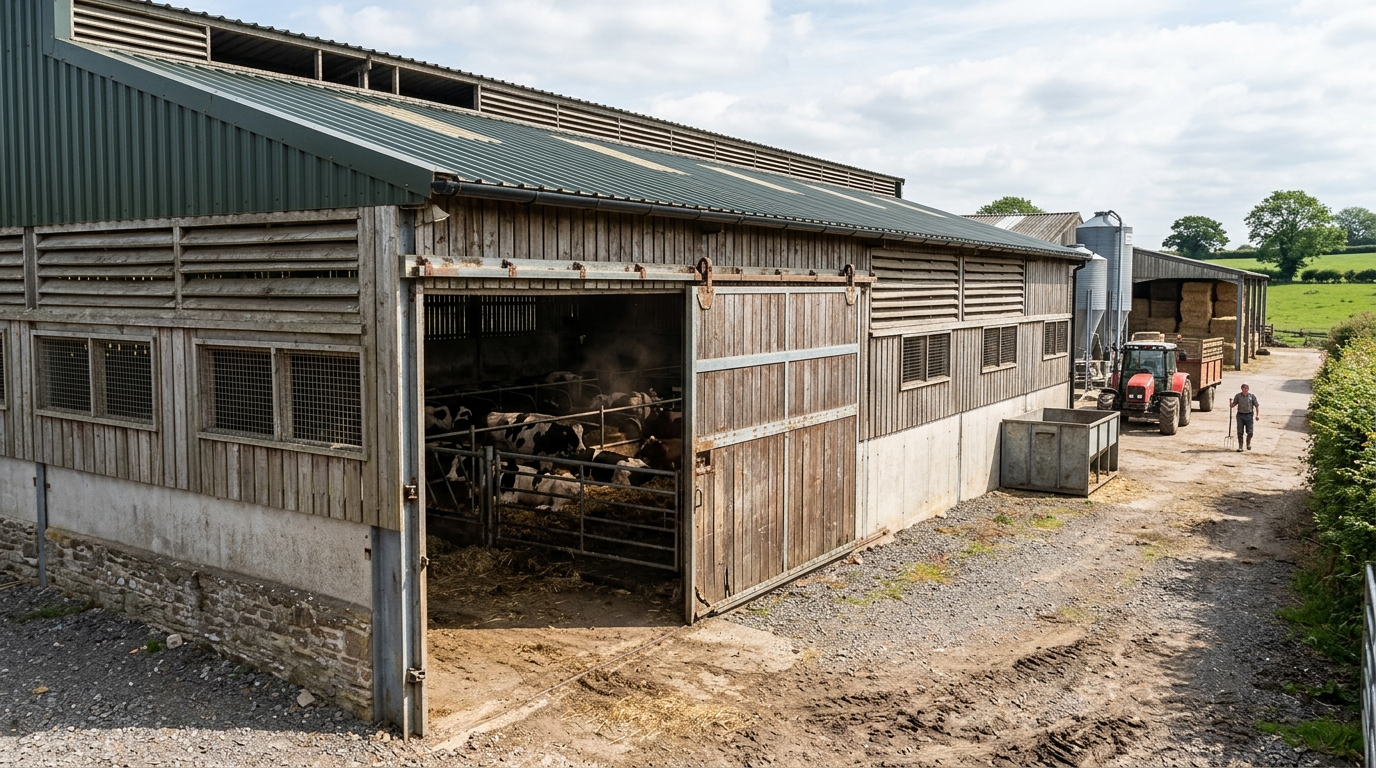
Proper ventilation dynamics within agricultural structures are heavily influenced by the performance of the building’s entry systems. Stagnant air accumulation severely impacts livestock respiratory health and accelerates the spoilage of stored grain. Facility managers must balance the need for secure environmental sealing with the requirement for adequate air exchange. Engineered access points often integrate adjustable louver systems to facilitate controlled natural ventilation without compromising security. Regulating airflow precisely optimizes internal microclimates for diverse agricultural applications.
Modern farm assurance standards impose strict regulatory requirements on building infrastructure and environmental control mechanisms. These compliance frameworks mandate specific conditions for animal welfare, biosecurity, and occupational safety. The selected door systems must seamlessly support these regulatory objectives by maintaining highly reliable environmental barriers. Failure to meet these infrastructural standards can result in severe financial penalties and market access restrictions. Rigorous component testing ensures that installed systems meet all industry benchmarks.
Biosecurity protocols demand absolute perimeter integrity to prevent the transmission of external pathogens into the facility. High-quality closures utilize dynamic sealing mechanisms to eliminate microscopic gaps along the header and jambs. Industrial roller shutter doors provide excellent perimeter sealing capabilities, making them highly suitable for biosecure environments. Maintaining strict biological isolation requires access barriers that operate reliably and seal perfectly during every cycle. Automated sterilization systems can also be integrated with specialized entry portals.
Pest exclusion is a fundamental component of maintaining compliance with stringent agricultural quality standards. Rodents and insects exploit structural vulnerabilities in poorly fitted doors to access stored feed and nesting sites. Precision-aligned tracks and heavy-duty astragal seals create an impenetrable barrier against persistent vermin infiltration. Eradicating pest entry points at the building perimeter is significantly more effective than relying on internal extermination methods. Regular seal inspections ensure continuous compliance with strict sanitary protocols.
Structural ventilation must account for the rapid dispersal of toxic gases generated by agricultural machinery and biological waste. High-capacity extraction systems require specific intake air volumes to function efficiently and maintain safe breathing environments. Purpose-built agricultural closures can feature integrated intake vents that synchronize with the building’s automated climate control algorithms. This integration ensures optimal air quality while maintaining the necessary thermal and physical security boundaries. Sophisticated aerodynamic modeling helps determine the optimal placement of these ventilation components.
Operational Features That Improve Efficiency
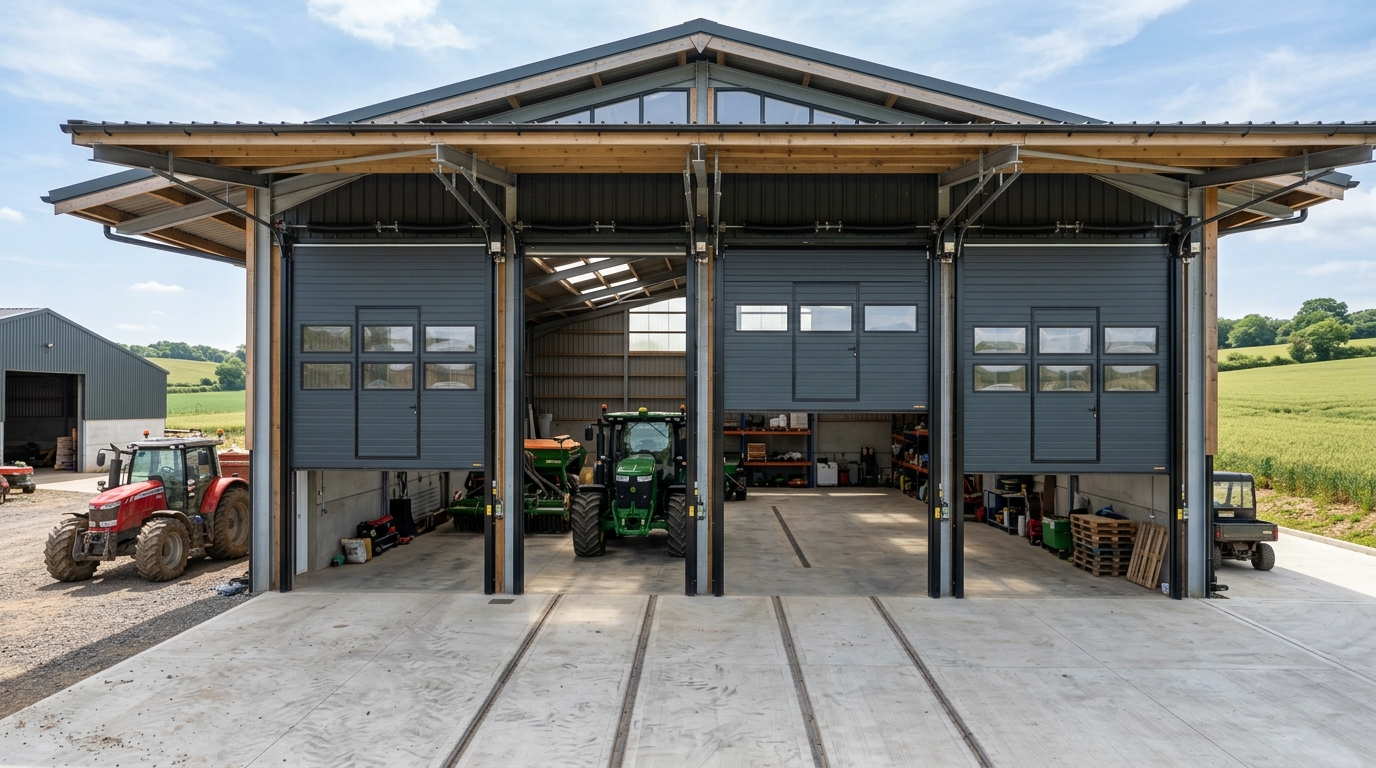
Maximizing agricultural workflow efficiency requires the integration of advanced operational features into standard door architectures. Legacy manual systems are increasingly obsolete in modern farming operations that demand rapid and reliable asset deployment. Evaluating the technological enhancements available for industrial closures helps facility managers optimize their daily operational cadence. Upgrading basic access points with intelligent features significantly reduces labor costs and minimizes disruptive mechanical downtime. Investment in smart infrastructure yields measurable improvements in overall farm productivity.
Automated Openers and Safety Features
Automation is virtually mandatory for the heavy, wide-span closures utilized in contemporary agricultural facilities. Industrial-grade electric operators generate the immense torque required to cycle massive barriers safely and efficiently. Remote actuation allows operators to open access points directly from the tractor cab, eliminating workflow interruptions. This continuous operational flow dramatically improves daily productivity during critical, time-sensitive planting and harvesting windows. High-cycle motors are engineered to withstand the rigorous demands of continuous agricultural use.
Safety features integrated into automated operators prevent catastrophic accidents involving heavy machinery and personnel. Photoelectric sensors and continuous edge detection systems instantly halt and reverse door travel upon encountering an obstruction. These fail-safes are critical for protecting expensive equipment from impact damage during automated closing sequences. Strict adherence to automated safety protocols ensures a secure working environment for all agricultural personnel. Routine sensor calibration guarantees rapid response times during emergency braking events.
Windows and Natural Light
Incorporating vision panels into heavy-duty closures significantly improves the internal working environment of agricultural structures. Natural light penetration reduces the reliance on artificial illumination, subsequently lowering electrical utility expenditures. Polycarbonate window inserts provide excellent light transmission while maintaining the structural and thermal integrity of the panel. These transparent sections also allow operators to verify exterior clearance before initiating the automated opening sequence. Impact-resistant glazing prevents shattering from flying debris during extreme weather conditions.
Professional-Grade Hardware and Maintenance
The mechanical reliability of any access barrier is entirely dependent on the quality of its underlying hardware. Utilizing professional-grade replacement sliding door parts prevents the premature rust and corrosion that plague inferior systems. Heavy-duty galvanized rollers and hardened steel tracks ensure smooth operation even when subjected to extreme atmospheric particulate loads. Specifying premium hardware during initial construction prevents the cascading failures associated with component fatigue. Robust hinges and bearings are essential for handling the immense weight of agricultural doors.
Maintenance schedules must prioritize the lubrication and inspection of all dynamic load-bearing components. Regular alignment checks prevent the asymmetrical wear patterns that eventually cause track binding and motor burnout. Proactive component replacement minimizes the risk of sudden mechanical failure during peak agricultural seasons. In conclusion, optimizing agricultural infrastructure demands meticulous attention to equipment clearance, environmental loads, and operational efficiency. Deploying precision-engineered access solutions ensures that farm operations remain resilient against severe weather and workflow bottlenecks.
Partnering with a proven manufacturer like Raxdoor guarantees that your facility benefits from maximum mechanical durability. Ultimately, selecting the correct barrier system represents a foundational investment in long-term agricultural productivity and asset protection. Utilizing advanced door technologies streamlines logistics and secures valuable agricultural commodities against unpredictable environmental threats.
Frequently Asked Questions
What is the best type of door for a farm shop?
Hydraulic doors offer maximum clearance, while overhead sectional doors excel at insulation. Heavy-duty sliding doors are cost-effective but need quality tracks to prevent rusting.
How wide should an agricultural building door be?
It must be wider than your largest folded equipment. A width of 24 to 30 feet is generally recommended for modern agricultural machinery to ensure safe clearance.
Do agricultural doors need to be insulated?
Yes, if the building is a climate-controlled workshop or houses sensitive livestock. Insulation improves energy efficiency and prevents condensation during extreme weather.
How do I prevent pests from entering my barn doors?
Use heavy-duty weatherstripping, proper bottom seals, and precise tracks. Avoiding easily warped wood and ensuring tight alignment stops mice and insects from exploiting gaps.
Can sliding barn doors withstand high winds?
Yes, if built with rigid frames, heavy-gauge steel, and professional-grade tracks. Strategic placement away from prevailing winds during design also minimizes the risk of twisting.