Cleanroom managers, pharmaceutical facility directors, and food processing plant engineers face relentless pressure to maintain sterile environments. A microscopic breach in contamination control can trigger massive product recalls or fail stringent regulatory audits. Maintaining precise pressure differentials requires highly specialized infrastructure. When containment barriers fail, facilities leak expensive conditioned air, forcing HVAC systems to run constantly. This energy waste rapidly destroys operational budgets while threatening the integrity of the controlled environment.
Finding reliable solutions to eliminate these vulnerabilities is a top priority for facility professionals. Modern containment requires advanced infrastructure that actively blocks particulate infiltration. Raxdoor engineers precision containment systems specifically designed to solve these exact environmental challenges. High-performance cleanroom door seals ensure that ISO Class environments maintain absolute stability during heavy operational use. The right manufacturing partner delivers quantifiable results through rigorous testing and validated components.
The Hidden Cost of Pressure Loss in Cleanrooms
Operating a highly controlled environment involves managing complex airflow dynamics to prevent cross-contamination. Facility managers often underestimate the financial penalty associated with seemingly minor structural imperfections. A compromised perimeter seal acts as a constant drain on facility resources. The engineering reality dictates that air will always follow the path of least resistance. Minor gaps around entrance points allow expensive treated air to escape into adjacent unclassified spaces.
How HVAC Systems Overcompensate for Leaks
Air handling units are programmed to maintain specific positive or negative pressure baselines. When a room loses pressure through a faulty perimeter, the system detects the drop immediately. Variable frequency drives command fans to ramp up RPMs to replace the escaping volume. This forces the entire air handling infrastructure to operate well outside its optimal efficiency curve. The continuous strain accelerates wear on belts, motors, and critical filtration media.
Ramping up air handlers also means conditioning more raw outside air to meet stringent setpoints. Chillers and boilers must consume extra energy to treat this additional volume. Over time, the compounding energy demand creates a significant spike in utility expenditures. Facility engineers frequently misdiagnose this high energy consumption as an HVAC equipment issue. Identifying and sealing the architectural envelope is the only sustainable engineering fix.
Calculating the Financial Impact of Poor Seals
The mathematics of volumetric airflow leakage paint a stark picture for operational expenditures. A 1/4-inch gap along the edge of a standard entryway can cost up to $2,500 annually in wasted HVAC energy alone. This figure excludes the accelerated depreciation of overtaxed air handling units and premature HEPA filter replacements. When multiplied across dozens of access points within a pharmaceutical plant, the financial losses become staggering. Addressing these gaps represents a high-yield opportunity for immediate cost reduction.
“Facility engineers often overlook the compounding financial drain of a single 1/4-inch perimeter gap, which can squander thousands of dollars in HVAC energy annually while risking cleanroom compliance.”
Energy audits routinely reveal that poorly sealed access points are the leading cause of preventable pressure decay. By eliminating these volumetric leaks, plants can drastically scale back their base energy loads. Plant managers must shift their perspective to view these specific entry systems as active energy conservation devices. Investing in engineered containment solutions yields a rapid return on investment through utility reductions.
How Pharmaceutical Airtight Doors Block Contamination
Maintaining strict hygiene in sterile manufacturing requires blocking microscopic airborne particulates entirely. Specialized pharmaceutical airtight doors are engineered specifically to neutralize these invisible threats. Standard commercial entrances simply lack the tolerances needed to separate distinctly classified zones effectively. Advanced containment solutions rely on a combination of rigid structural engineering and flexible elastomeric compounds. The goal is to create an impenetrable barrier that withstands constant daily cycling.
Active vs. Passive Sealing Technologies
Passive sealing relies on the physical compression of a gasket against a stationary frame during closure. These gaskets must maintain elasticity over thousands of cycles without suffering from compression set or material fatigue. Medical-grade silicone gaskets are heavily favored because they compress uniformly to form a 100% seal at 50 Pa pressure differentials. This reliable passive compression is sufficient for many ISO Class 7 and Class 8 cleanroom environments. Precision hinges and heavy-duty latches ensure the leaf applies constant pressure along the entire perimeter.
Active technologies employ dynamic hardware that engages only when the entry is fully closed. These advanced positive pressure door systems eliminate friction during operation, reducing wear and particulate generation. Active seals drop down or expand outward, bridging the gap between the leaf and the structural frame. Once engaged, they create an absolute barrier against cross-contamination between zones with differing pressure levels. This technology is highly specified for critical manufacturing zones and potent compound processing suites.
Inflatable Gasket Systems Explained
Inflatable seals represent the highest tier of active containment engineering available today. When the panel reaches the closed position, a pneumatic system injects compressed air into a hollow elastomeric profile. The gasket expands outward, molding itself perfectly to the contours of the surrounding frame. This completely eliminates any microscopic gaps that might allow particulate matter to bypass the barrier. Deflation occurs automatically before opening, ensuring zero frictional resistance and extending material lifespan.
| Sealing Technology | Method of Action | Ideal Application | Maintenance Requirement |
|---|---|---|---|
| Passive Silicone Gasket | Physical compression against a rigid frame | Standard ISO 7/8 Cleanrooms | Regular visual inspection and periodic cleaning |
| Active Drop Seal | Physical deployment upon closure | High-traffic pharmaceutical corridors | Quarterly hardware lubrication and adjustment |
| Inflatable Pneumatic Seal | Air pressure expansion for absolute closure | BSL-3/BSL-4 Labs and potent compound suites | Pneumatic line testing and compressor checks |
These pneumatic solutions offer unparalleled protection against pressure decay in highly sensitive areas. Engineers rely on inflatable systems to secure zones where potent active pharmaceutical ingredients are handled. The ability to guarantee a hermetic seal upon demand provides operators with total confidence. Integrating these systems requires careful coordination with facility compressed air utilities and automated control architectures.
Material Science: FDA Approved Door Materials
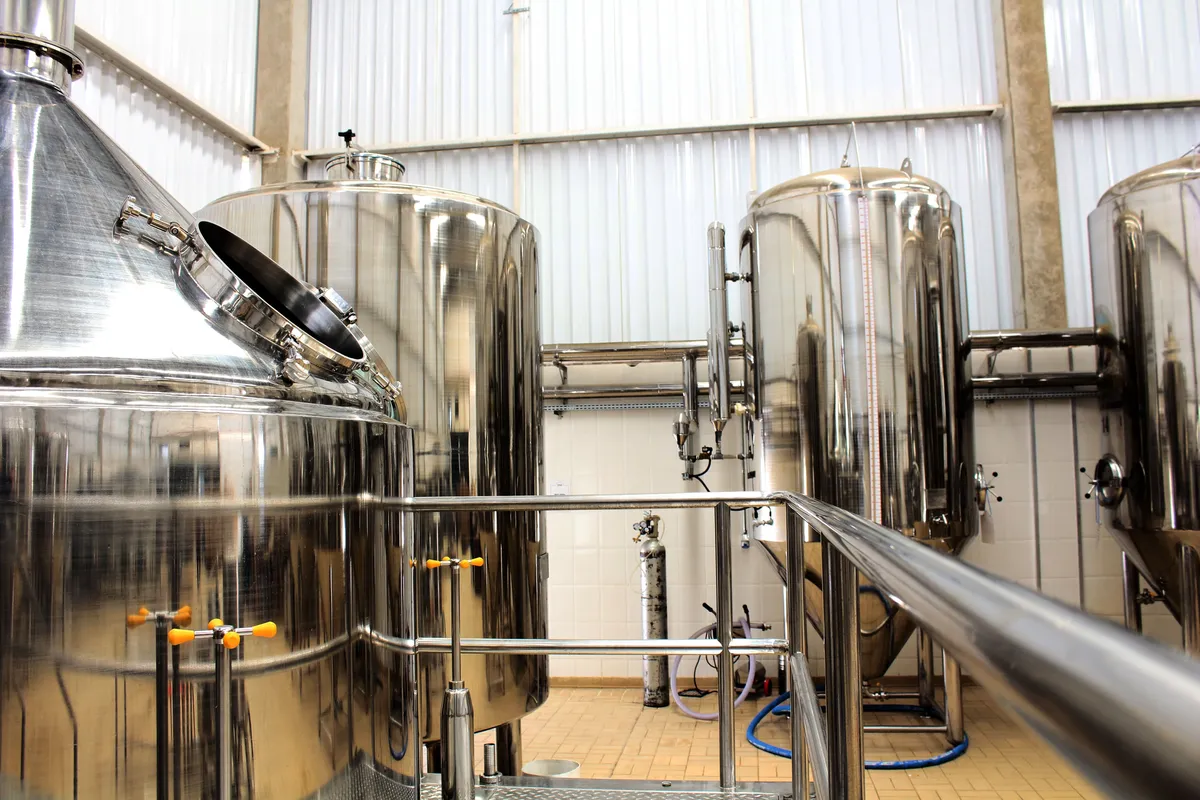
The structural composition of containment barriers dictates their ability to survive rigorous sanitation protocols. Facilities cannot risk using porous or reactive substrates that might harbor bacterial growth. Regulatory agencies mandate the use of specific, easily cleanable surfaces in direct production areas. Specifying the correct metallurgy and surface finishes is a foundational requirement for sanitary design. Facility engineers must carefully evaluate the chemical resistance of all exposed architectural components.
304 vs 316L Stainless Steel
Stainless steel remains the undisputed standard for sanitary pharmaceutical and food processing environments. The difference between alloy grades dictates their performance against aggressive cleaning agents. Grade 304 provides excellent baseline corrosion resistance and serves well in mildly demanding dry environments. However, heavily sanitized zones require materials capable of withstanding constant exposure to powerful oxidizers. Upgrading the alloy formulation is essential to prevent long-term structural degradation.
Grade 316L Stainless Steel contains molybdenum, preventing pitting from harsh sanitizing chemicals like chlorine dioxide. The low carbon content improves weldability and eliminates carbide precipitation during manufacturing. This makes 316L the ultimate choice for vaporized hydrogen peroxide decontamination cycles. Facility directors prioritize 316L to ensure their FDA approved door materials remain pristine for decades.
Antimicrobial Powder Coatings
While bare stainless steel is highly effective, advanced coatings provide an additional layer of active biological defense. Antimicrobial powder coatings are infused with silver ion technology during the curing process. These ions disrupt the cellular functions of bacteria, preventing microbes from reproducing on the treated surface. This continuous active protection supplements standard physical sanitation protocols. Facilities deploying these coatings experience significantly lower bacterial colony counts during routine environmental swabbing.
- Silver Ion Technology
- An active additive used in powder coatings that penetrates bacterial cell walls, effectively neutralizing microbial threats on contact.
- Vaporized Hydrogen Peroxide (VHP)
- A common, highly aggressive sterilization method used in pharmaceutical cleanrooms that requires robust, non-reactive materials like 316L stainless steel to avoid corrosion.
- Carbide Precipitation
- A structural vulnerability in standard steel welding that is completely avoided by utilizing low-carbon alloys like 316L.
The application of these specialized coatings requires highly controlled factory environments to ensure a defect-free finish. Even microscopic pinholes in a powder coat can create safe harbors for dangerous pathogens. Manufacturers must utilize electrostatic deposition and precise thermal curing to guarantee a completely uniform application. When correctly applied, antimicrobial finishes transform a passive barrier into an active component of infection control.
Integration with Access Control Systems
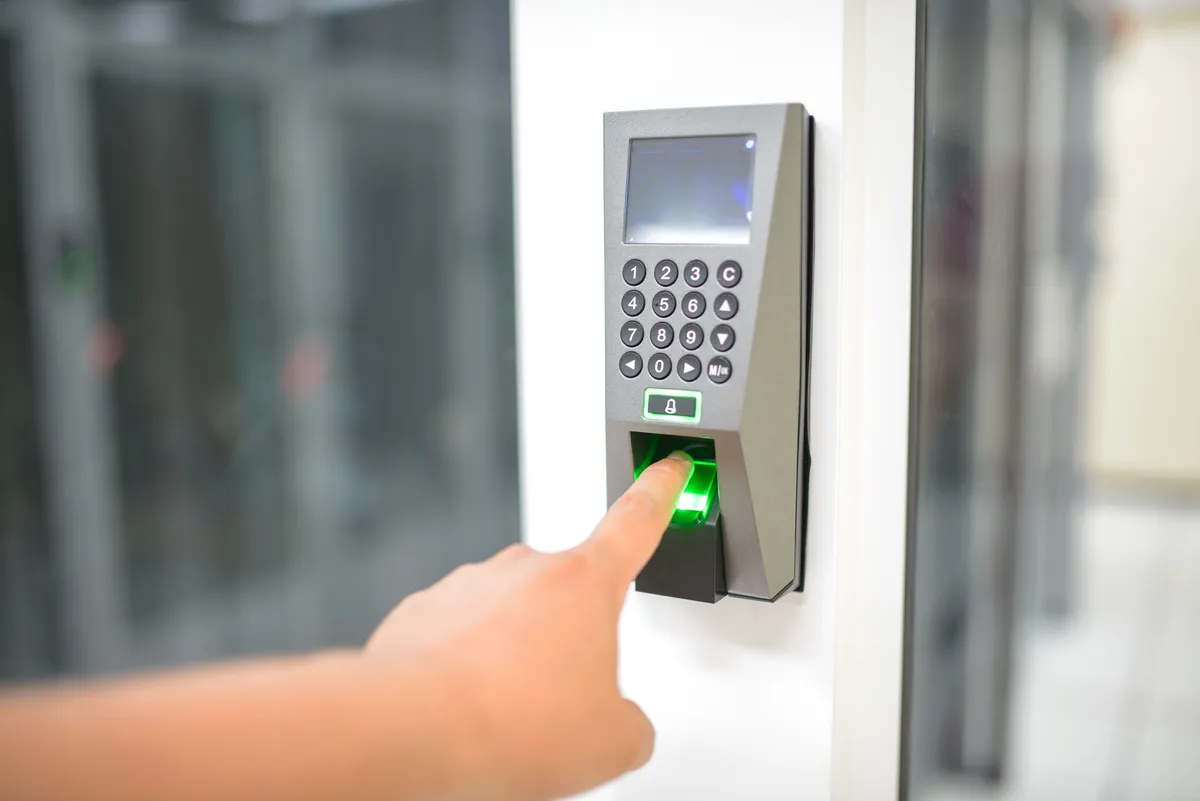
Modern containment requires sophisticated digital oversight to prevent unauthorized access and accidental pressure loss. Advanced access control architecture integrates perfectly with the electronic hardware of the barrier itself. Biometric scanners, RFID readers, and touchless wave sensors eliminate the need for physical handles, reducing contact transmission. The building management system continuously monitors the status of every critical entry point in real-time. This interconnected digital framework guarantees that environmental stability is never compromised by human error.
Airlocks represent the most critical application of this integrated control logic. These transition zones depend entirely on sequential operation to maintain cascading pressure differentials. Interlocking systems ensure two doors cannot open simultaneously in an airlock under any circumstances. If an operator opens the unclassified side, the sterile side locks out electronically until the first panel closes securely. This strict hardware logic prevents direct airborne communication between spaces of differing cleanliness levels.
Safety protocols demand that these digital interlocks feature reliable fail-safe manual overrides. During power outages or fire alarms, the hardware must automatically release to permit rapid emergency egress. Engineers must carefully balance the need for absolute containment with strict occupational safety regulations. Specialized magnetic locks and electronic strikes are programmed to disengage instantly upon receiving a fire panel signal. Thorough commissioning processes verify that these life safety integrations function flawlessly before the facility goes live.
Choosing the Right Supplier for Your Facility
Selecting a manufacturing partner is a high-stakes decision that directly impacts facility compliance and operational efficiency. The market features numerous vendors, but only a select few possess the engineering pedigree required for absolute containment. Facility engineers must evaluate potential partners based on their demonstrated history of solving complex airflow challenges. A qualified vendor operates as an extension of the facility’s own engineering team, providing deep technical guidance. True expertise is proven through extensive documentation and rigorous field validation.
Certifications to Look For
A reputable manufacturer will maintain a robust portfolio of independent certifications validating their engineering claims. ISO 9001 compliance demonstrates a commitment to consistent quality management throughout the fabrication process. Specific product lines should carry cleanroom suitability certifications from recognized bodies like the Fraunhofer Institute. Additionally, fire-rated assemblies must bear the appropriate labels to satisfy local building codes. Requesting and reviewing these documents is a mandatory step in the technical vetting process.
Ready to Eliminate Pressure Loss in Your Facility?
Contact our engineering team today to discover how our containment systems optimize energy efficiency and guarantee compliance.
Post-Installation Testing (Blower Door Tests)
The manufacturing process does not end when the product leaves the factory floor. Suppliers must provide FAT (Factory Acceptance Testing) and SAT (Site Acceptance Testing) protocols to guarantee performance. These comprehensive documents outline the exact testing parameters used to verify the integrity of the installation. A flawless product can fail completely if the surrounding architectural integration is compromised during installation. Expert supervision during the mounting and sealing phase is absolutely critical.
- Define Validation Parameters: Establish the required pressure differentials and maximum allowable leakage rates before procurement.
- Execute Factory Acceptance Testing (FAT): Verify physical operation and baseline seal integrity at the manufacturing facility.
- Supervise Architectural Integration: Ensure the wall framing and structural supports meet the rigid tolerances required for hermetic hardware.
- Conduct Blower Door Tests: Pressurize the room and utilize smoke pencils to visually confirm zero air escapes the sealed perimeter.
- Finalize Site Acceptance Testing (SAT): Complete the formal handover documentation, verifying all electronic interlocks function as engineered.
Blower door testing represents the ultimate proof of a successful containment strategy. By physically pressurizing the room, engineers can quantify the exact volumetric leakage rate of the architectural envelope. Smoke testing provides visual confirmation, pinpointing any microscopic perimeter failures that require immediate remediation. Only partners who confidently subject their installations to these extreme validation protocols should be trusted. Securing a reliable supplier guarantees that the facility will easily pass internal audits and regulatory inspections.