Managing an agricultural facility brings relentless environmental challenges that destroy ordinary equipment.
- Heavy dust, extreme moisture, and corrosive animal waste continuously assault every component in your barns.
- When operators use undersized automation systems, standard motors quickly burn out under massive steel panels.
- Facility managers constantly face unexpected downtime when oversized doors refuse to open during critical operations.
- The resulting delays in moving large machinery cost significant time and money for the farm.
Farm operations demand heavy-duty solutions engineered specifically for harsh washdown environments and large opening dimensions. Raxdoor designs industrial-grade agricultural garage door openers that withstand aggressive ammonia vapors and extreme weight. These robust systems utilize specialized enclosures and powerful direct-drive components to ensure reliable daily performance. Facility managers can eliminate frustrating maintenance cycles by upgrading to specialized heavy-duty automation systems. Selecting the right motor technology protects your expensive farm equipment while maintaining strict environmental control.
Why Standard Residential Openers Fail on Farms
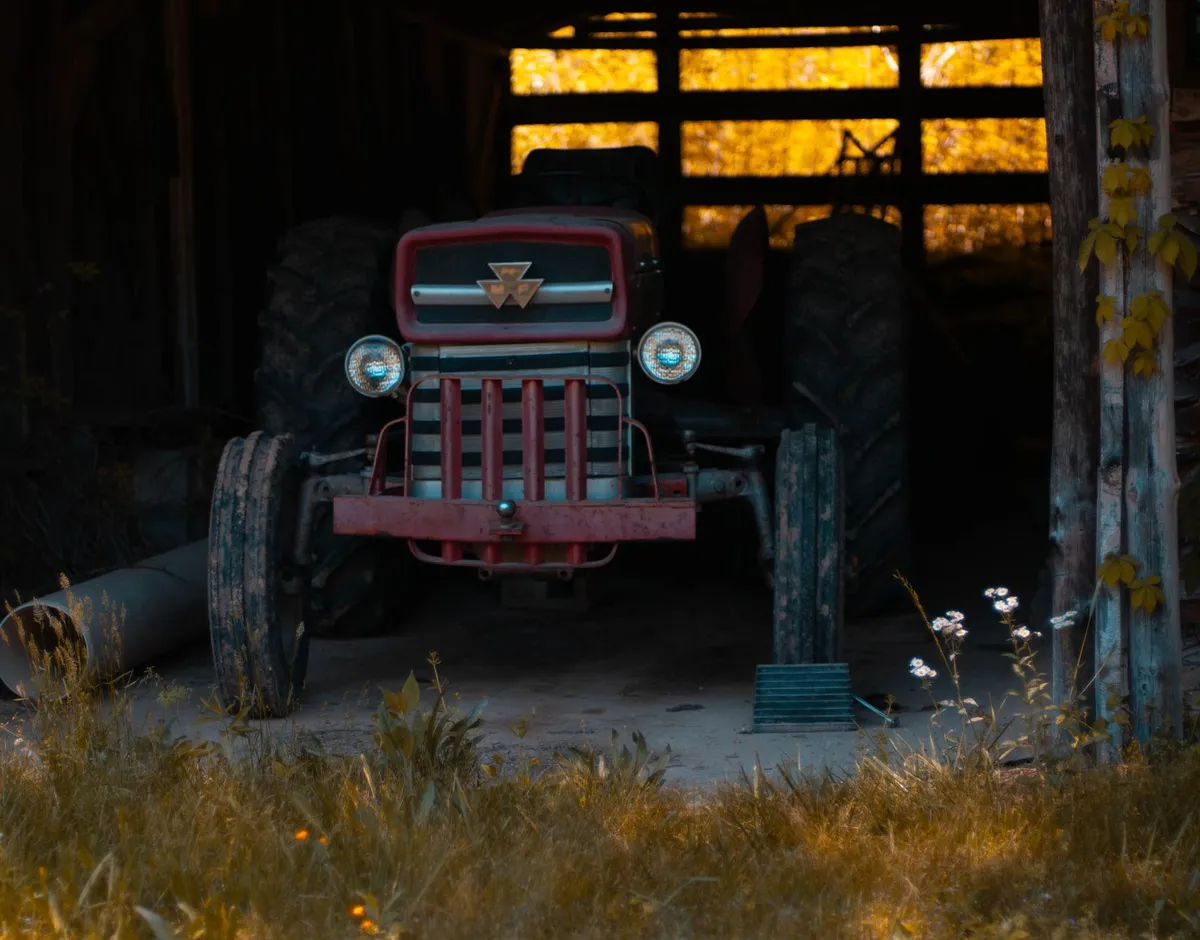
Agricultural buildings require significantly more power and durability than typical home garages or light commercial shops. Many farm owners mistakenly install residential motors, assuming they can handle the daily workload of a busy facility. These standard units simply lack the internal engineering needed for rigorous agricultural demands and oversized panel weights. Facility managers often learn this lesson the hard way when a main entry point completely fails during peak harvest times. Replacing undersized operators repeatedly becomes a massive drain on your annual maintenance budget.
Residential motors burn out pulling 600+ lb doors, leaving you with a stuck opening and trapped equipment.
- The internal components of light-duty openers feature plastic gears and thin wiring designed for minimal daily usage.
- When applied to a heavy barn door, the starting torque demand exceeds the motor’s absolute maximum capacity.
- Thermal overload switches trip constantly, forcing operators to wait for the system to cool down before attempting another cycle.
- Ultimately, the motor windings melt under the continuous strain of moving heavy agricultural panels.
The Threat of Corrosive Dust and Moisture
Farm environments generate massive amounts of particulate matter during grain handling and machinery movement. Dust clogs standard gears almost immediately when exposed to the open air inside a busy barn or equipment shed. This airborne debris acts like an abrasive paste when it mixes with the factory lubrication on standard opener components. The resulting friction grinds down metal sprockets and destroys bearing seals in a matter of weeks. Without a proper enclosure, standard motors become entirely vulnerable to this relentless environmental attack.
The combination of airborne chaff and high humidity creates a sticky residue on moving internal parts. Standard circuit boards lack the necessary conformal coating to resist this complex environmental onslaught. Condensation builds up inside the unsealed chassis every morning as the barn temperatures fluctuate rapidly. Moisture eventually penetrates the unsealed housing, causing catastrophic short circuits and complete electronic system failure. Agricultural facility managers must account for these atmospheric conditions when specifying new door automation systems.
Livestock facilities present an entirely different set of environmental hazards for door automation equipment. Animal waste generates corrosive ammonia vapors that attack exposed metal surfaces and electronic terminals. Standard zinc-plated hardware rusts quickly, while unprotected copper wiring turns green and brittle within months. Ordinary limit switches fail to register door positions because the contacts become coated in a resistive oxide layer. Upgrading to specialized agricultural operators eliminates these specific vulnerabilities and ensures continuous operation.
Weight Capacities for Large Machinery Doors
Modern agricultural equipment requires massive clearance heights and extremely wide entryways to maneuver safely. The doors covering these openings often consist of heavy-gauge steel, thick insulation materials, and heavy-duty wind struts. A standard residential motor cannot generate the starting torque required to move these massive panels from a resting position. Operators designed for lightweight aluminum panels simply cannot overcome the immense dead weight of a commercial barn door. The hardware disadvantage becomes even worse when wind pressure pushes against the massive surface area.
Attempting to lift a massive industrial door with an underpowered motor strains the entire track system. The extreme tension leads to snapped lifting cables, bent mounting brackets, and dangerous situations for nearby farm workers. Standard opener rails flex and twist under the extreme torque, leading to derailed trolleys and jammed components. The counterbalance springs do most of the heavy lifting, but the motor still must control the inertia of the heavy door. When a residential motor fails to control this momentum, the door can slam down with devastating force.
Agricultural facility managers must calculate the precise weight of their doors before selecting an automation system. Oversized farm doors require industrial-grade power plants designed specifically for continuous duty cycles and extreme loads. Heavy-duty commercial openers utilize solid steel gears, oversized capacitors, and heavy-duty drive chains to handle the strain. These robust components transfer power efficiently, ensuring smooth operation even when lifting massively oversized equipment shed doors. Investing in the correct weight capacity prevents premature component failure and ensures safe daily operations.
Residential motors burn out pulling 600+ lb doors because they lack the high-torque starting power and internal component durability required for heavy agricultural applications.
Jackshaft vs. Trolley Openers for Agricultural Buildings
Selecting the correct physical configuration for your automated door system dictates how well it will serve your farm. The two primary designs used in agricultural settings are jackshaft operators and traditional trolley style systems. Each design offers specific advantages depending on your building structure and ceiling height. Agricultural buildings often feature unique roof pitches and internal support trusses that complicate standard motor installations. Understanding the fundamental differences between these two systems helps facility managers optimize their available space.
Traditional trolley openers utilize a long rail that extends from the wall back into the center of the room. A motorized carriage moves along this rail, pulling the door open and pushing it closed. While common in residential settings, trolley systems require significant overhead clearance and solid mounting points on the ceiling. Conversely, jackshaft openers for agricultural buildings mount directly to the wall beside the door, connecting to the torsion shaft. This wall-mounted design eliminates the need for overhead rails entirely, fundamentally changing how the door operates.
High-Lift Applications (Jackshaft)
Agricultural buildings frequently utilize high-lift track configurations to maximize the vertical clearance at the door opening. A high-lift system moves the door straight up the wall for several feet before curving back into the room. Traditional trolley motors struggle with high-lift tracks because the geometry of the pulling arm becomes highly inefficient. Jackshafts free up ceiling space for tall tractors (14ft+ clearance) by keeping the motor completely off the ceiling. This configuration allows massive combine harvesters and tall boom sprayers to enter without hitting suspended machinery.
By mounting securely to the wall, jackshaft operators connect directly to the main torsion bar of the door system.
- The motor turns the bar, which winds the cables and lifts the immense weight of the agricultural door panels.
- This direct transfer of power provides exceptional lifting force without relying on a long, vulnerable central rail.
- Facility managers appreciate the clean ceiling profile, which leaves room for overhead cranes, lighting arrays, and radiant heating tubes.
- Wall mounting also makes the motor significantly easier to access for routine maintenance and visual inspections.
The environment near the ceiling of an agricultural building traps massive amounts of rising heat and humidity. Placing a complex electric motor in this hostile atmospheric zone accelerates wear on electronic components. Jackshaft motors remain lower on the wall, benefiting from better air circulation and cooler operating temperatures. This strategic placement extends the lifespan of the equipment and reduces the likelihood of thermal overload during heavy use. Agricultural environments demand this level of strategic equipment placement to ensure long-term operational reliability.
Standard Headroom Applications (Trolley)
Not all agricultural buildings require high-lift tracks or massive vertical clearance for oversized machinery. Smaller equipment sheds, maintenance shops, and standard barns often utilize traditional standard radius door tracks. In these specific scenarios, heavy-duty commercial trolley openers provide a viable and highly reliable automation solution. Industrial trolley systems feature massive steel I-beam rails and heavy roller chains designed for continuous duty. These ruggedized units differ entirely from the flimsy belt-drive systems found in typical residential garages.
A commercial trolley operator provides excellent horizontal pulling force for extremely wide doors that might flex during operation. The central attachment point helps stabilize the top section of the door as it transitions through the curved track. This stabilizing effect proves highly beneficial when operating extremely wide, non-insulated steel doors in windy conditions. Facility managers must ensure their building structure can support the substantial weight of an industrial trolley motor assembly. The mounting brackets must tie directly into heavy roof trusses to prevent structural damage during operation.
While trolley systems occupy overhead space, they offer straightforward installation in buildings with flat, low ceilings. Maintenance personnel familiar with traditional garage doors can easily understand and service commercial trolley systems. The visible drive chain allows for rapid visual inspection and easy application of specialized agricultural lubricants. When ceiling clearance is not a primary concern, a heavy-duty trolley operator delivers consistent and powerful performance. Facility managers should evaluate their exact headroom measurements before committing to either the jackshaft or trolley configuration.
| Feature | Jackshaft Operator | Trolley Operator |
|---|---|---|
| Mounting Location | Wall-mounted beside the door | Ceiling-mounted above the center |
| Overhead Clearance | Maximizes ceiling space for tall equipment | Requires suspended rails and mounting drops |
| Track Compatibility | Ideal for high-lift and vertical lift | Best for standard radius tracks |
| Maintenance Access | Easily accessible from a standard ladder | Requires high lifts to reach the motor |
NEMA Enclosures: Defending Against Water and Ammonia
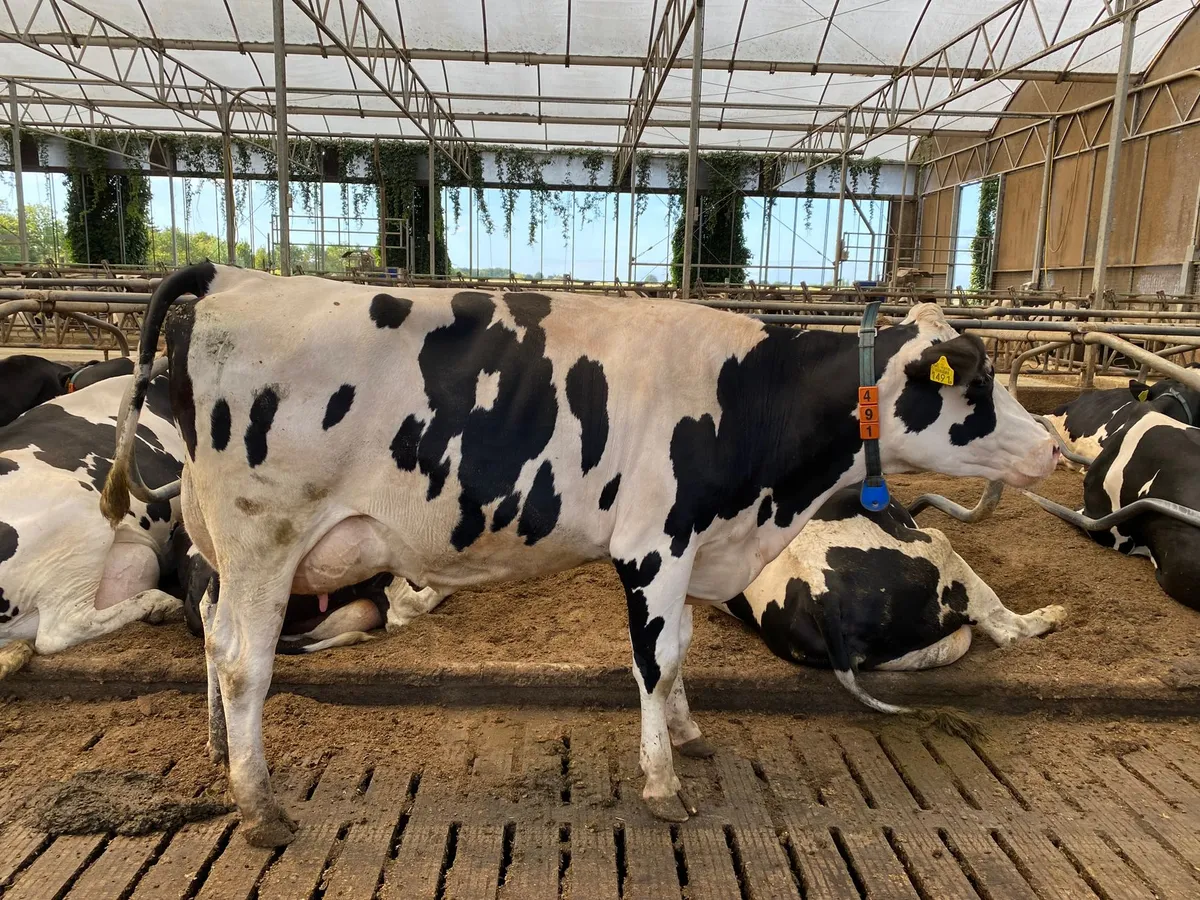
The internal electronics of a commercial door opener represent the most vulnerable components in any agricultural installation. Circuit boards, relays, and limit switches quickly fail when exposed to the harsh atmospheric conditions of a working farm. To combat these environmental threats, industrial manufacturers utilize specialized protective housings rated by the National Electrical Manufacturers Association. These NEMA ratings provide a standardized metric for determining exactly how much environmental abuse an enclosure can withstand. Facility managers must specify the correct NEMA rating to prevent catastrophic equipment failure and costly emergency repairs.
An inadequate enclosure allows moisture, dust, and corrosive gases to penetrate the heart of the automation system. Once inside, these elements create conductive pathways across circuit boards, leading to immediate electrical shorts. Corrosive vapors slowly dissolve metallic contacts, causing intermittent operational issues that are incredibly difficult to diagnose. Specifying weatherproof garage door openers ensures that the delicate internal hardware remains completely isolated from the hostile external environment. Understanding the specific differences between NEMA ratings helps agricultural operators protect their significant equipment investments.
Understanding NEMA 4 and 4X Standards
The NEMA 4 rating indicates that an enclosure provides a high degree of protection against windblown dust and rain. More importantly for agricultural settings, a NEMA 4 housing protects against splashing water and hose-directed water streams. This standard ensures that the door opener can survive being sprayed directly during routine facility cleaning procedures. The tight seals and gasketed covers block out the massive amounts of airborne particulate matter generated in barns. However, standard NEMA 4 enclosures are typically constructed from painted steel, which remains vulnerable to specific chemical attacks.
Agricultural environments often require the enhanced protection provided by the advanced NEMA 4X classification.
- NEMA 4X prevents water ingress from 65 GPM hoses and resists ammonia corrosion found in livestock facilities.
- The “X” designation specifically denotes advanced corrosion resistance, making these enclosures ideal for the harshest farm conditions.
- Manufacturers achieve this superior rating by utilizing specialized materials like fiberglass, polycarbonate, or marine-grade stainless steel.
- These advanced materials refuse to degrade even when constantly exposed to harsh fertilizers and concentrated animal waste.
Investing in NEMA 4X enclosures significantly extends the operational lifespan of heavy duty barn door motors. The initial cost difference easily pays for itself by preventing the total destruction of the internal electronic components. Maintenance crews can aggressively clean the facility without worrying about covering or protecting the door automation equipment. The fully sealed housing also prevents insects and small rodents from nesting inside the warm electrical chassis. Agricultural facility managers should consider NEMA 4X as the baseline requirement for any serious farm installation.
Washdown Ratings for Dairy Barns
Dairy operations represent one of the most destructive environments for electrical equipment due to stringent sanitation requirements. Facilities must undergo intense daily washdown procedures using high-pressure hot water and aggressive chemical sanitizers. Standard door motors completely disintegrate under this daily barrage of moisture and caustic cleaning agents. NEMA 4 and NEMA 4X enclosures stand up to these extreme sanitary protocols without compromising electrical safety. The completely sealed design prevents pressurized water from forcing its way into the motor windings or control circuits.
The presence of heavy moisture and animal byproducts accelerates the formation of destructive rust on standard hardware. Dairy barns also contain high levels of corrosive ammonia, which attacks exposed aluminum and standard galvanized steel aggressively. A proper washdown-rated enclosure utilizes specialized stainless steel fasteners and silicone gaskets that will not degrade chemically. This attention to detail prevents structural failure of the housing and maintains the watertight seal over decades of use. Relying on inferior ratings in a dairy environment guarantees rapid component failure and unacceptable downtime.
When installing washdown-rated equipment, technicians must also utilize specialized watertight conduit connections and sealed junction boxes.
- A NEMA 4X enclosure provides zero protection if water can travel freely down the electrical supply lines.
- Proper installation techniques include creating drip loops and utilizing specialized cord grips designed for high-pressure spray environments.
- These comprehensive weatherproofing strategies create a totally unified barrier against the harsh dairy barn environment.
- Implementing these rigorous standards ensures your automated doors operate reliably every time the milking parlor needs to open.
- NEMA 4
- An enclosure rating certifying protection against windblown dust, rain, splashing water, and direct hose-directed water streams.
- NEMA 4X
- An advanced rating that includes all NEMA 4 protections while adding severe resistance to chemical corrosion and ammonia vapors.
- Washdown Duty
- Equipment specifically engineered to withstand aggressive daily cleaning with high-pressure hoses and harsh chemical sanitizers.
Industrial Motor Power: Hoist vs. Direct Drive
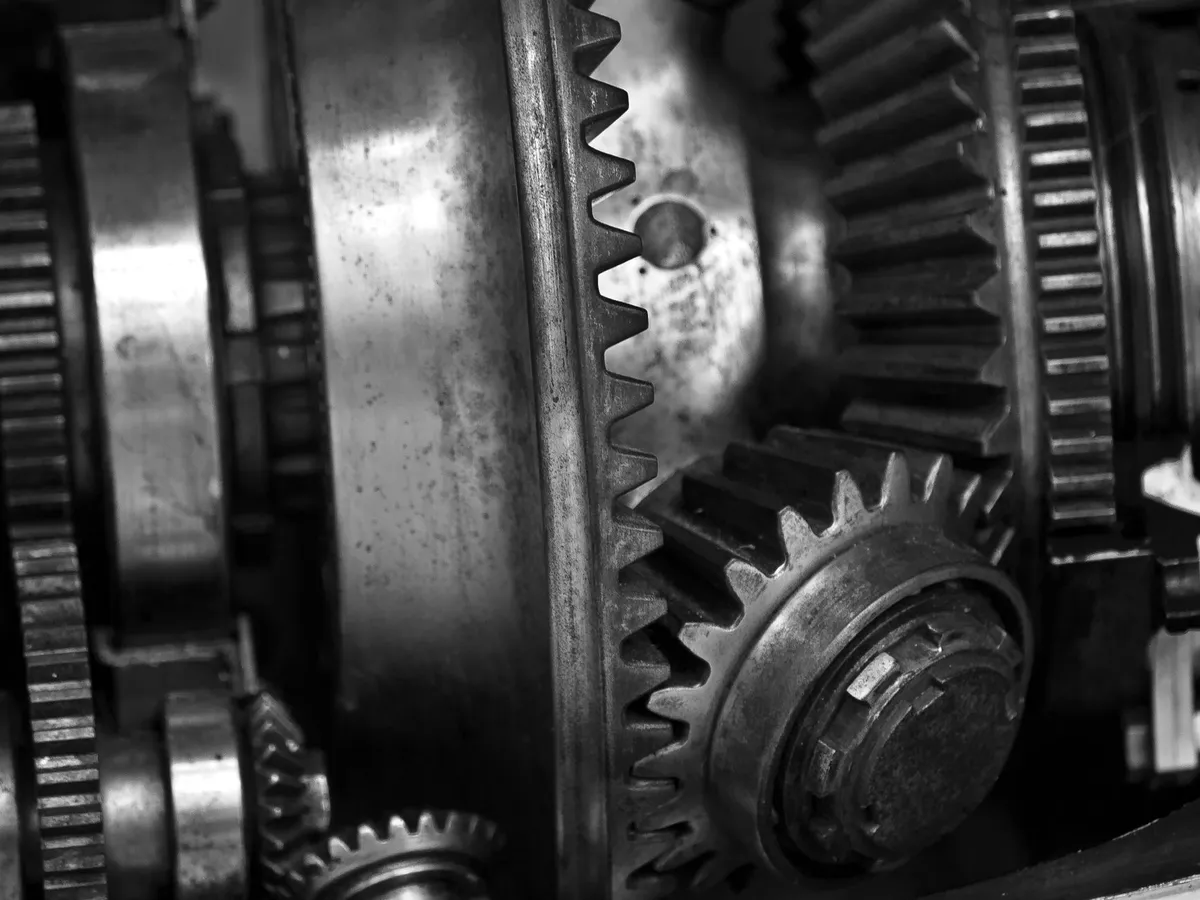
Moving colossal agricultural doors requires exceptional raw physical power delivered efficiently to the lifting hardware. Facility managers must choose between traditional hoist operators and advanced direct drive systems for their largest openings. Both technologies offer substantial improvements over light-duty residential units, but they deliver power in fundamentally different ways. Understanding the operational characteristics of these heavy-duty drive systems ensures you select the correct motor for your specific application. The right power plant reduces wear on the door hardware while providing consistent, reliable lifting force.
Traditional commercial hoist operators utilize a heavy-duty v-belt and a series of reduction pulleys to generate lifting torque. A heavy roller chain then transfers this rotational energy from the motor chassis to the main door shaft. This design has proven reliable for decades, offering straightforward maintenance and easily replaceable drive components. However, the chain and belt configuration inherently introduces minor slack and vibration during the opening and closing cycles. Over time, these drive components require regular tensioning and lubrication to maintain peak operational efficiency.
Gearhead direct drives eliminate chain slack and handle up to 3000 lbs of dead panel weight effortlessly. These advanced motors connect directly to the door shaft, transferring power through a heavy-duty internal gearbox. By removing the external chains and belts, direct drive systems offer incredibly smooth and remarkably quiet operation. The internal gears run continuously inside a sealed oil bath, providing exceptional lubrication and extreme heat dissipation. This enclosed design completely protects the critical moving parts from the abrasive dust found in agricultural facilities.
Direct drive motors excel in applications involving massively oversized machinery doors that suffer from high wind loads. The rigid connection between the internal gearbox and the door shaft provides unparalleled control over the heavy panels. When a massive gust of wind hits a partially open door, the direct drive system prevents unwanted movement. The internal gearing acts as a powerful brake, holding the door securely in position without relying on external chains. This rigid stability protects the track hardware from sudden, violent shocks that could cause catastrophic structural failure.
While hoist operators often represent a lower initial investment, direct drive systems drastically reduce long-term maintenance requirements.
- Farm operators do not have to worry about replacing stretched chains, frayed belts, or worn external sprockets.
- The sealed oil bath gearbox requires minimal attention, allowing facility managers to focus on other critical agricultural tasks.
- Additionally, the compact design of a direct drive unit saves valuable wall space in crowded equipment sheds.
- Evaluating the total cost of ownership over a ten-year period heavily favors the advanced direct drive architecture.
Safety Systems for Oversized Farm Doors
Operating massive industrial doors presents significant safety hazards that require highly specialized hardware mitigation strategies. A free-falling agricultural door can crush expensive farm equipment and cause fatal injuries to agricultural workers. Modern heavy-duty automation systems incorporate multiple layers of redundant safety features to prevent these catastrophic accidents. Facility managers must ensure that every automated opening complies strictly with commercial safety regulations and industry best practices. Ignoring these critical protective systems exposes the farming operation to massive liability and unacceptable operational risks.
Standard residential safety sensors simply cannot survive or function correctly in a severe agricultural environment. The constant vibration, heavy dust, and moisture require ruggedized safety components built specifically for industrial applications. Advanced motor controllers monitor the exact position of the door and can detect sudden changes in operational resistance. If the system senses an unexpected obstruction, the motor immediately stops and reverses direction to prevent crushing damage. These intelligent control boards form the technological foundation of a comprehensive agricultural safety strategy.
Photo-Eye Sensors in Dusty Environments
Photo-electric safety sensors project an invisible beam of light across the bottom of the door opening. If an object breaks this beam while the door is closing, the motor instantly reverses the heavy panels. However, standard photo-eyes fail immediately in barns because airborne dust constantly blocks the sensitive optical lenses. NEMA 4 rated photo-eyes are required to guarantee reliable operation in these extremely challenging agricultural environments. These ruggedized sensors feature powerful, concentrated beams that can easily penetrate heavy particulate matter without registering false obstructions.
The housings of agricultural photo-eyes must withstand the same severe conditions as the main motor enclosure. Heavy-duty polycarbonate casings protect the delicate optics from direct water spray, physical impacts, and corrosive animal waste. The sealed units prevent internal condensation, which would otherwise fog the lenses during rapid temperature fluctuations. Maintenance crews must mount these sensors inside heavy steel guards to protect them from accidental tractor impacts. Proper installation and ruggedized components ensure the photo-eye system remains functional and protects workers at all times.
Manual Chain Hoist Fallbacks
Severe weather events frequently disrupt electrical power to remote agricultural facilities, creating massive operational challenges. When the power grid fails, facility managers still need immediate access to the tractors and implements trapped inside. Commercial agricultural openers solve this problem by incorporating a heavy-duty manual chain hoist directly into the motor chassis. A 4:1 gear ratio chain hoist provides manual lift, allowing a single worker to open a massive door. This leverage makes it physically possible to raise thousands of pounds of steel by hand.
The manual override system utilizes a specialized electrical interlock to ensure absolute safety during hand operation. When a worker engages the hoist mechanism, the interlock instantly cuts all electrical power to the main motor. This prevents the door from suddenly springing to life if the grid power returns unexpectedly during manual operation. The heavy-duty chain operates smoothly through a rugged internal gearset, providing controlled, deliberate movement of the heavy panels. Once grid power restores, a simple pull of the release cable re-engages the primary electrical drive system.
- Engage the manual disconnect cable to physically separate the electrical motor from the main drive gears.
- Verify that the electrical interlock switch has tripped, cutting all standby power to the automation system.
- Pull the heavy-duty hand chain in a steady, hand-over-hand motion to carefully lift the massive door panels.
- Secure the chain in the provided wall-mounted keeper bracket to prevent the door from slowly drifting downward.
- Release the manual disconnect mechanism only after electrical grid power has been fully and safely restored.
Upgrade to Industrial-Grade Automation
Stop wasting time and money replacing burnt-out residential motors on your massive agricultural doors. Equip your facility with heavy-duty direct drive motors featuring IP65 / NEMA 4X enclosures designed specifically for harsh washdown environments.
Frequently Asked Questions
Managing an agricultural facility requires deep technical knowledge regarding every piece of operational equipment. Facility managers frequently encounter complex questions when specifying or upgrading their large-scale door automation systems. Understanding the exact capabilities and limitations of commercial openers prevents costly installation errors and ensures long-term reliability. We have compiled the most common inquiries regarding heavy-duty farm operators to help you make informed purchasing decisions. Review these critical details to ensure your next building project utilizes the correct industrial hardware.
Can I use a regular garage door opener on a barn?
No. Residential openers lack the horsepower and IP rating needed to handle oversized doors and farm dust, leading to rapid motor failure.
What is a jackshaft opener?
A jackshaft opener mounts on the wall beside the door, turning the torsion bar directly. It is ideal for high-lift agricultural doors.
How do I protect my door opener from moisture in a dairy barn?
Ensure the opener has a NEMA 4 or NEMA 4X waterproof enclosure to withstand washdowns and corrosive ammonia vapors.
What horsepower is needed for an agricultural door?
Oversized farm doors typically require 1/2 HP to 1 HP continuous duty commercial motors, and up to 3 HP for massive industrial sliding doors.
Do farm door openers have manual overrides?
Yes, commercial agricultural openers include a manual chain hoist mechanism so you can open the door during farm power outages.