
At RAX Door Technology, manufacturing specialized industrial and cleanroom barrier systems since 1999 across our 11,000-square-meter facility, we engineer airtight biological containment closures tailored to critical facility envelopes. Biocontainment engineering and hazardous pharmaceutical manufacturing require envelope barrier solutions capable of delivering verifiable zero-leakage isolation. In facilities handling live viral pathogens, high-potency active pharmaceutical ingredients (HPAPIs), or aggressive chemical vapors, standard mechanical compression gaskets often fall short of stringent air permeability criteria. Cleanroom inflatable seal doors provide an advanced pneumatic barrier solution, creating absolute hermetic perimeter seals across varying pressure regimes while permitting barrier-free transit for personnel, trolleys, and automated machinery.
Deploying inflatable pneumatic gasket doors demands an integrated engineering approach spanning mechanical fabrication, pneumatic control automation, seal elastomer chemistry, and structural facility integration. High-containment envelopes governed by Biosafety Level 3 (BSL-3), BSL-4, and EU GMP Annex 1 guidelines require complete system redundancy, continuous pressure decay monitoring, and failsafe pneumatic sequencing. Understanding these interrelated technical principles allows containment architects and process engineers to specify robust access systems capable of enduring demanding operational cycles.
Inflatable Seal Operating Principles
The operational premise of an inflatable seal door hinges on the dynamic expansion and retraction of an elastomeric perimeter bladder seated within a precision-machined structural profile. Unlike traditional swing doors that rely on manual latching forces or heavy compression closers to deform stationary rubber strips, inflatable doors operate without mechanical perimeter friction during leaf travel. When the door leaf rests in the closed position, compressed air charges the elastomeric bladder, causing it to expand radially outward across the clearance gap and form a continuous hermetic seal against the rigid door frame.
Upon receiving an authorized transit signal, the pneumatic control sequence initiates a controlled deflation cycle. High-speed solenoid exhaust valves vent the compressed air, while an integrated vacuum venturi pump generates negative pressure (typically minus 0.3 to minus 0.5 bar) within the bladder lumen. This vacuum draws the expanded elastomer completely back into its recessed housing channel. Once retracted, the leaf swings or slides freely without rubbing against the frame, eliminating abrasive seal wear and particle shedding.
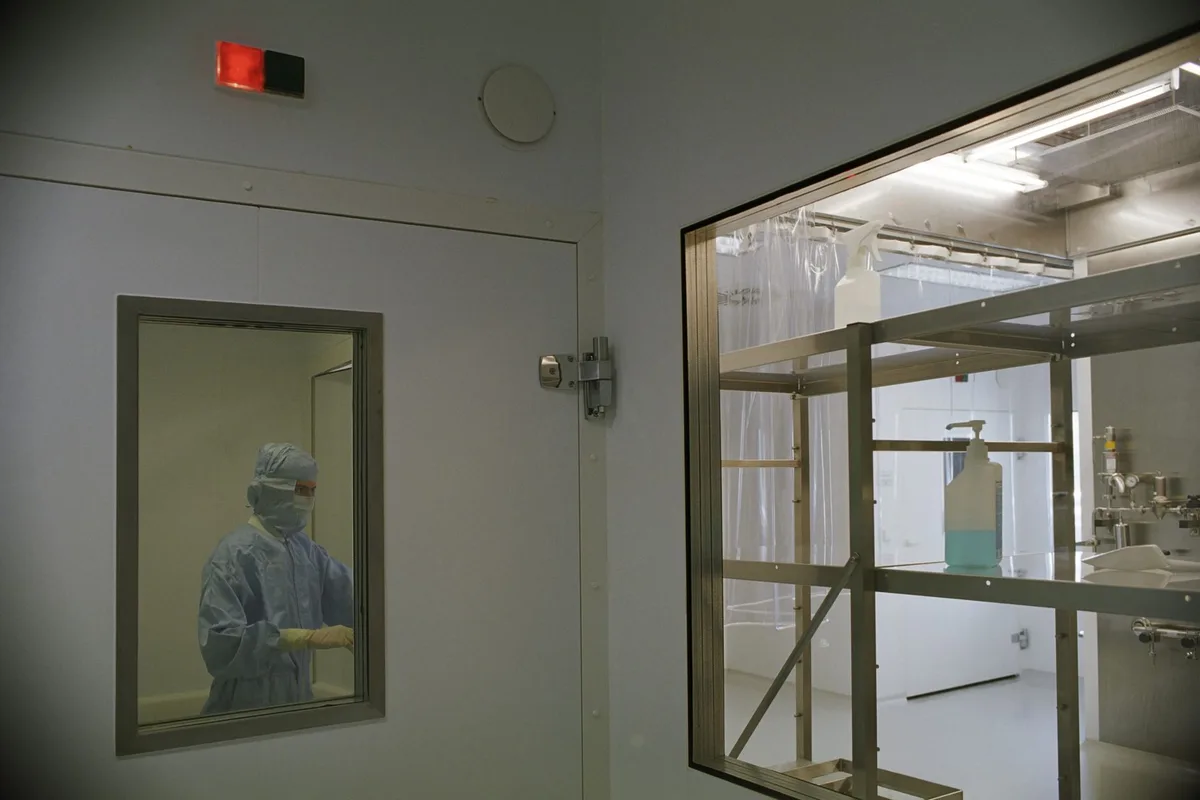
A distinctive operational feature of inflatable seal assemblies is their ability to provide completely flush thresholds at the floor level. Conventional airtight doors often require raised step-over sills or compression threshold plates to compress bottom gaskets. In contrast, an inflatable door incorporates a recessed floor profile or an active downward-expanding bottom seal. This provides completely unhindered passage for heavy pallet trucks, mobile reactors, and delicate analytical carts without compromising airtight containment during sealed operation.
Pneumatic Elastomer Materials and Construction
The reliability of an inflatable door assembly depends largely on the chemical composition and mechanical memory of the elastomeric seal bladder. Because high-containment suites undergo aggressive decontamination cycles, the polymer must withstand gaseous sterilants without hardening, swelling, or losing tensile elasticity. Engineers select seal compounds based on specific environmental exposures, temperature ranges, and regulatory compliance standards.
Medical-grade silicone rubber represents the most prevalent compound for pharmaceutical cleanrooms and BSL-3 environments. Silicone demonstrates exceptional elastic recovery, low compression set, and resistance to repeated mechanical cycling. In facilities utilizing concentrated Vaporized Hydrogen Peroxide (VHP) or chlorine dioxide gas, fluorocarbon elastomers such as Viton (FKM) or ethylene propylene diene monomer (EPDM) deliver superior resistance against polymer degradation and micro-cracking.
The table below summarizes the key engineering attributes of primary pneumatic seal elastomers deployed in high-containment door systems.
| Elastomer Compound | Tensile Strength & Elasticity | VHP & Chemical Resistance | Working Temperature Range | Typical Containment Applications |
|---|---|---|---|---|
| Medical-Grade Silicone (VMQ) | High Elasticity, Fast Retraction | Good (Tolerates Routine VHP) | -50°C to +200°C | Pharmaceutical Airlocks, Grade A/B Suites |
| Pharmaceutical EPDM | Excellent Mechanical Toughness | Very Good (Resists Acid Sanitizers) | -40°C to +130°C | BSL-3 Agriculture, Potent API Processing |
| Fluoroelastomer (FKM / Viton) | Moderate Elasticity, High Rigidity | Exceptional (Resists Strong Solvents & ClO2) | -20°C to +200°C | BSL-4 Maximum Containment, Chemical Suites |
| Antimicrobial Silicone | High Elastic Memory | Very Good (Embedded Nano-Silver) | -40°C to +180°C | Cell and Gene Therapy Isolator Rooms |
The structural leaf encasing the pneumatic channel is manufactured from solid-weld AISI 316L stainless steel. Plate thicknesses range from 1.5 mm to 2.0 mm, reinforced with internal stiffener ribs to prevent leaf deflection when the seal inflates. Integrating precision-formed retainers ensures the elastomeric bladder remains securely captive without adhesive bonding, allowing maintenance technicians to execute rapid gasket changeouts during planned shutdown turnarounds.
Containment Standards Across Critical Biosafety
High-containment facilities operate under stringent international safety frameworks designed to protect laboratory personnel, the surrounding community, and the external environment. Regulatory guidelines established by the US Centers for Disease Control and Prevention (CDC/NIH BMBL) and the World Health Organization (WHO) define barrier expectations for biosafety environments. Facility engineers align specifications with HSE biological containment and laboratory safety guidance.
In BSL-3 and BSL-4 agricultural and clinical research facilities, rooms operate under negative pressure cascades ranging from minus 30 Pa to minus 250 Pa relative to external ambient corridors. When gaseous decontamination occurs using formaldehyde or chlorine dioxide, room envelopes are often tested under positive test pressures up to plus 500 Pa. Under these extreme differentials, traditional weatherstripping leaks unacceptable quantities of hazardous air. Inflatable doors guarantee airtight integrity, conforming to EN 12207 Class 4 standards and achieving measurable leakage rates below 0.05 cubic meters per hour per meter of perimeter seal.
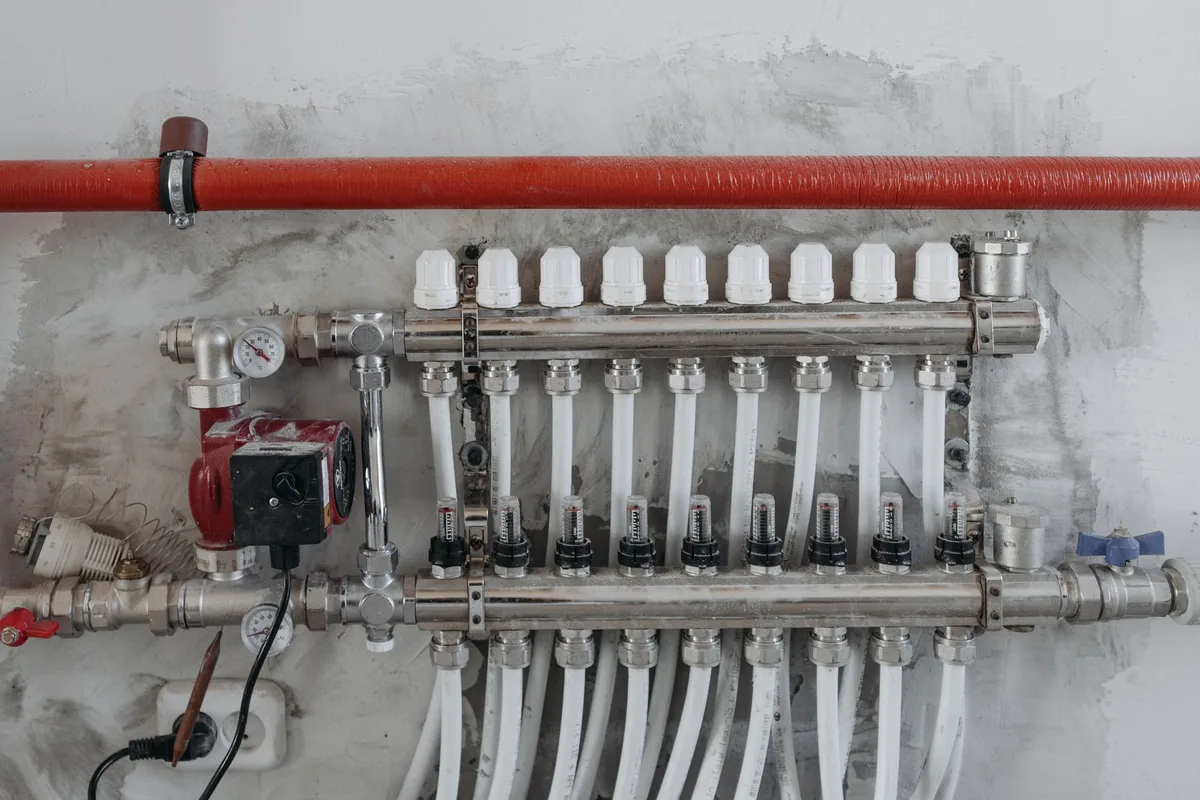
Containment architects evaluate several regulatory and operational criteria when specifying inflatable barriers:
- Absolute Bio-Envelope Isolation: Hermetic pneumatic seals eliminate air leakage paths around door perimeters, isolating airborne respiratory pathogens and aerosolized toxins.
- Gaseous Fumigation Hold Time: During VHP or formaldehyde decontamination, doors sustain pressure decay hold tests without supplementary taping or manual caulking.
- High-Potency Compound Protection: In pharmaceutical potent compound suites (OEB 4 and OEB 5), inflatable barriers prevent microscopic active dust particles from migrating into gowning spaces.
- Explosion-Proof Zoning Integration: Specialized pneumatic assemblies incorporate ATEX-certified or Class I Division 1 pneumatic logic components for hazardous solvent storage areas.
Pairing these assemblies with fully certified cleanroom door systems ensures that every envelope penetration meets unified structural criteria, eliminating compliance discrepancies during third-party biosafety audits.
Automated Pneumatic Controls and Interlocks
An inflatable seal door is fundamentally an electromechanical machine. Reliable operation depends on a dedicated pneumatic control unit that interfaces with the building management system (BMS), environmental monitoring systems, and airlock door interlock controllers. A typical pneumatic station includes air filtration regulators, dual-channel solenoid valves, precision digital pressure switches, and a compact vacuum generator.
The control sequence follows a strict hardware interlock protocol to safeguard facility pressure cascades. In airlock configurations, Door A and Door B cannot be deflated or opened simultaneously. Once Door A is closed, magnetic position sensors verify mechanical alignment before the pneumatic valve opens to inflate the seal to a pre-set threshold (typically 1.8 to 2.2 bar). The digital pressure switch must confirm target inflation pressure before the interlock controller releases the lock on Door B, preventing cross-contamination between pressure zones.
To ensure rigorous hardware performance, pneumatic control modules undergo stringent bench testing. The technical specifications below detail key component benchmarks required for mission-critical containment suites.
| Subsystem Component | Engineering Specification | Performance Criterion | Redundancy Feature |
|---|---|---|---|
| Solenoid Pilot Valves | 24V DC Low Wattage (2.5W) | Response Time < 40 ms | Dual Coils with Optical Feedback |
| Vacuum Venturi Generator | Multi-Stage Ejector Nozzle | Evacuation Vacuum -0.5 Bar | Silenced High-Flow Muffler |
| Digital Pressure Switch | Microprocessor Sensor with LED | Accuracy ± 0.5% Full Scale | Dual High/Low Setpoint Contacts |
| Air Accumulator Vessel | ASME Section VIII Rated 10L | Working Pressure 10.0 Bar Max | Internal Check Valve Isolation |
| UPS Battery Reserve | 24V DC Sealed Lead-Acid (7Ah) | 30-Minute Continuous Operation | BMS Low-Voltage Telemetry Alarm |
Failsafe engineering is critical to prevent containment breaches during power outages or main facility air supply failures:
- Onboard Compressed Air Reservoirs: Integrated ASME-certified air accumulators maintain seal inflation pressure for up to 60 minutes following utility air disruption.
- Battery Backup Power (UPS): Uninterruptible power supplies sustain electronic valve controllers, pressure sensors, and status display lamps during electrical blackouts.
- Emergency Breakout Manual Valves: Securely keyed pneumatic dump valves located outside containment suites allow rescue personnel to vent seal pressure manually during emergency egress.
- Dual Pressure Monitoring Loops: Continuous analog sensor feedback alerts facility operators immediately if seal pressure drops by more than 10% below operating setpoints.
Pneumatic Air Quality Standard: To prevent premature seal failure and valve clogging, feed air must adhere to ISO 8573-1 Class 1.4.1 standards. This mandates filtration down to 0.1 microns, maximum pressure dew point of plus 3 degrees Celsius, and total oil concentration below 0.01 milligrams per cubic meter. Utilizing dry, oil-free medical-grade air extends pneumatic solenoid life past one million cycles.
Planning High-Containment BSL Access Systems?
Consult with RAX Door pneumatic engineers to configure failsafe inflatable gasket interlocks, gas retention seals, and PLC control sequences.
Consult a Biocontainment SpecialistFrame Anchoring and Structural Integration
Airtight containment cannot exist without seamless integration between the door frame and the surrounding wall barrier. High-containment walls typically consist of poured-in-place concrete, heavyweight masonry with specialized epoxy coatings, or thick stainless steel modular composite panels. If micro-fissures exist between the subframe and the wall substrate, air will bypass even the most advanced inflatable seal.
Engineering cast-in-place stainless steel subframes represents the gold standard for concrete containment structures. During civil wall pouring, heavy-duty 316L frames with welded rear rebar anchors are embedded directly into concrete forms. Following concrete curing, non-shrink bio-grouting compound is pressure-injected behind the frame faces, eliminating microscopic voids and providing an impenetrable barrier against microbial colonization.
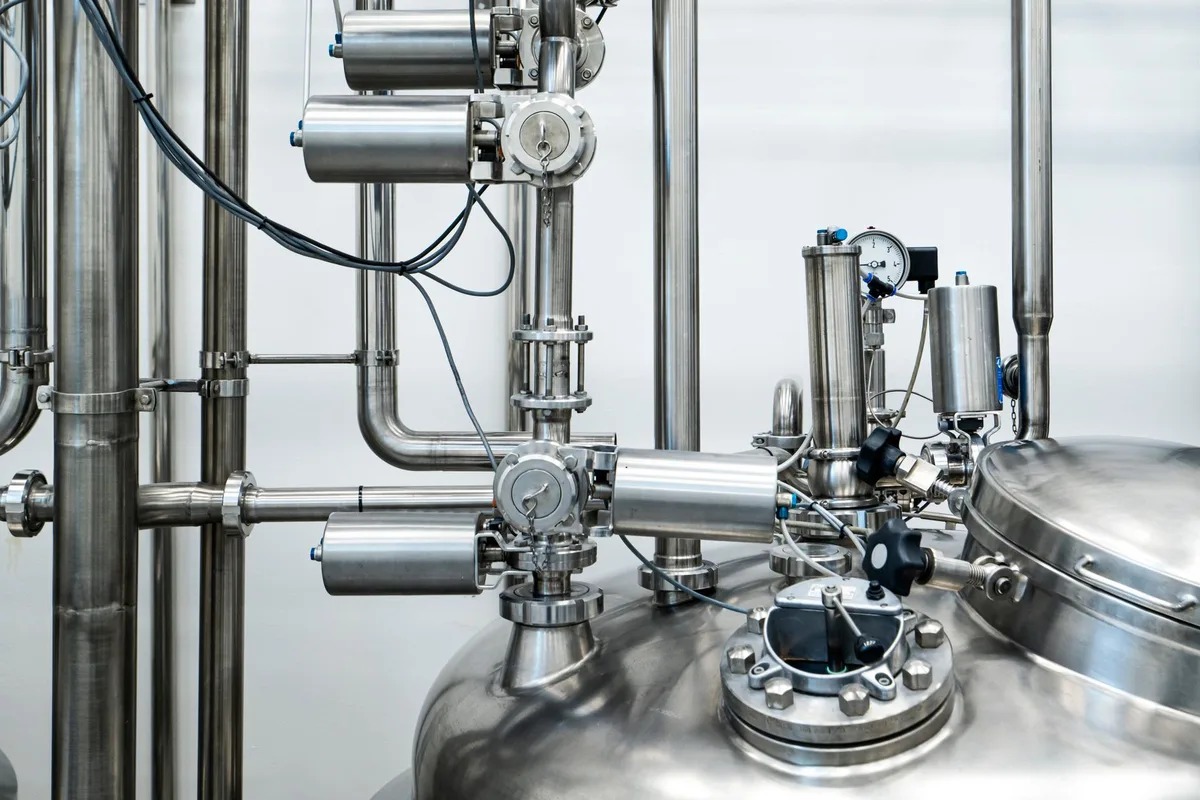
Critical structural parameters governing subframe installation include:
- Bio-Sealant Chemical Compatibility: High-modulus silicone or polyurethane caulking must endure direct exposure to sporicides without embrittlement or micro-cracking.
- Partition Reinforcement Headers: Structural steel internal stiffeners prevent ceiling deflection from transferring vertical compressive loads onto the door frame header.
- Laser-Leveled Floor Interfaces: Sub-millimeter flatness tolerances across the door swing radius guarantee uniform bottom gasket contact without localized gaps.
- Continuous Grounding Bonds: Copper earthing lugs welded to the subframe dissipate electrostatic charges, ensuring compliance with hazardous zone grounding directives.
Subframe Installation Check: Verify frame squareness within 1.0 millimeter diagonally prior to grouting. Inflatable seal gaskets require uniform perimeter gaps between 4.0 mm and 6.0 mm. Uneven clearances cause over-stretching of the rubber bladder in wide zones and excessive friction during deflation in tight zones, significantly shortening elastomer service life.
Validation Testing and Pressure Decay
In RAX Door’s factory inspection bay, every custom inflatable seal door undergoes automated static pressure decay testing at 500 Pa positive differential pressure for 20 minutes, certifying zero air leakage across perimeter gaskets prior to export. Commissioning and ongoing regulatory compliance require systematic physical validation to prove that inflatable barriers maintain designed containment tolerances. Pharmaceutical qualification protocols (DQ/IQ/OQ/PQ) and biosafety certifications mandate scheduled pressure decay leak testing and seal integrity audits.
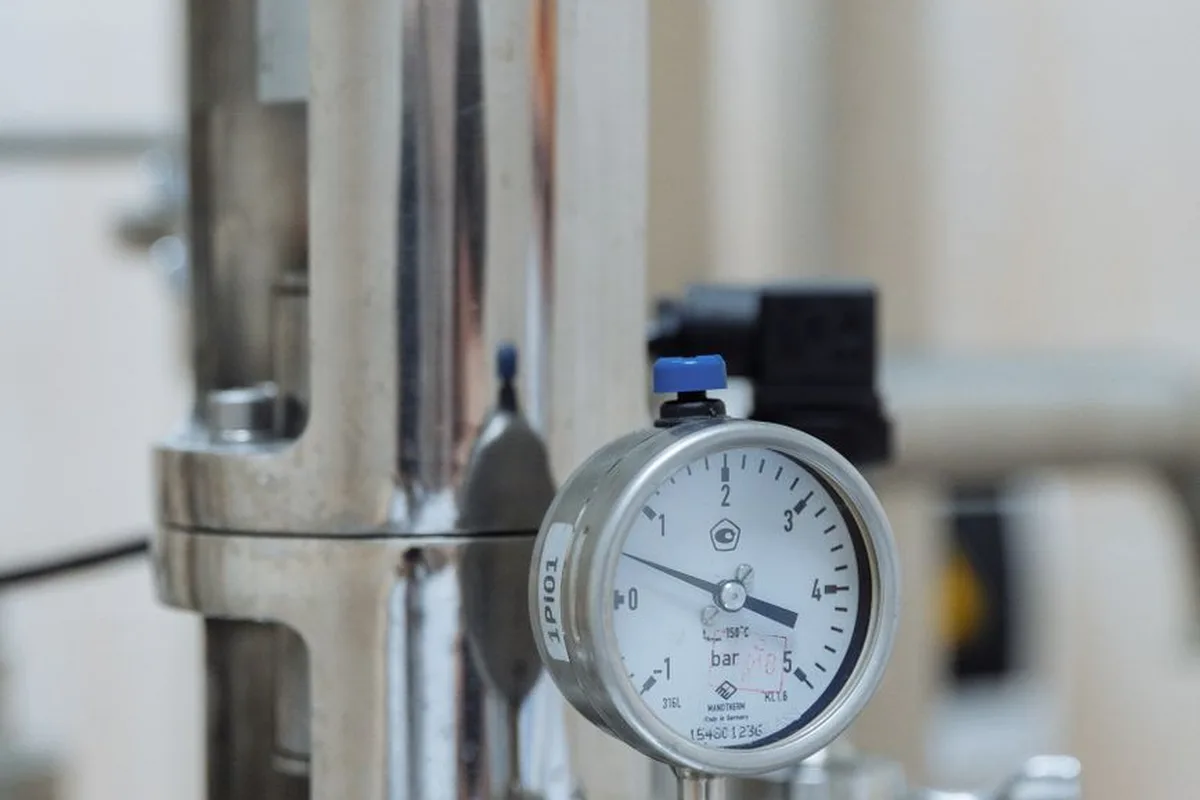
Validation technicians execute a structured testing procedure to certify door airtightness and mechanical sequence compliance:
- Seal Pressure Hold Verification: Charge the elastomeric seal to nominal operating pressure (2.0 bar) and isolate the air supply. Monitor pressure decay over a 30-minute interval using a calibrated digital manometer. Allowable decay must not exceed 0.05 bar.
- Differential Room Pressure Stress Test: With the room pressurized to 250 Pa (or depressurized to minus 250 Pa), conduct theatrical smoke testing around the entire door perimeter to detect micro-plumes or turbulence.
- Vacuum Retraction Clearance Check: Trigger the deflation cycle and visually verify complete seal withdrawal into the leaf retainer channel. Use feeler gauges to confirm minimum 3.0 mm clearance around all leaf edges during door swing.
- Emergency Breakout Simulation: Disconnect main facility electrical power and utility air. Verify that internal accumulator tanks maintain seal pressure for 30 minutes, and test manual dump valve release force.
Routine maintenance schedules stipulate complete visual inspection of the elastomeric bladder every six months, checking for surface abrasion, chemical oxidation, or micro-cracks. In continuous BSL-4 or potent compound manufacturing, preventative maintenance protocols mandate proactive elastomer replacement every 24 to 36 months, ensuring unbroken facility biocontainment.
Frequently Asked Questions
What happens if electrical power fails while the seal is inflated?
Inflatable door systems incorporate spring-closed or latching pneumatic valves backed by an onboard uninterruptible power supply (UPS) and air accumulator. In the event of power loss, the door remains securely inflated in its failsafe position for at least 30 to 60 minutes, preserving room containment until auxiliary backup power engages.
How long does the inflation and deflation cycle take?
A modern pneumatic station equipped with high-flow solenoids and a vacuum venturi generator inflates the perimeter seal in 2 to 3 seconds. Deflation and complete vacuum retraction require approximately 2 to 4 seconds, allowing smooth and efficient personnel transit through airlocks.
Can an inflatable seal door be installed without a raised floor threshold?
Yes. One of the primary operational advantages of inflatable seal doors is the ability to operate across a completely flat, seamless floor. The bottom seal expands downward against the finished epoxy or terrazzo floor upon closure and retracts upward into the door leaf prior to movement, eliminating barrier curbs, maintaining continuity with cleanroom door airtightness limits.
What compressed air pressure is required to operate the door?
Facility utility supply should deliver dry, filtered compressed air between 5.0 and 7.0 bar. An integrated regulator on the door control panel reduces this pressure to the required working seal inflation pressure, typically calibrated between 1.5 and 2.5 bar depending on gasket profile dimensions, maintaining continuity with cleanroom interlock system integration.
What is the typical operational lifespan of an inflatable rubber gasket?
Under standard operating conditions with proper vacuum retraction, medical-grade silicone or EPDM inflatable seals endure 200,000 to 500,000 cycles. In high-containment BSL-3/BSL-4 suites, facilities typically schedule preventive gasket replacement every 2 to 3 years regardless of cycle count, maintaining continuity with cleanroom airlock pressure cascades.