
Specifying the wrong motorized operator for a commercial or industrial entrance can lead to premature equipment failure. Facility engineers and contractors often encounter motor overheating or stripped gearboxes. These issues occur when an improper drive mechanism or undersized torque rating is matched to a heavy door.
Mastering the fundamental principles and types of automatic door openers requires analyzing mechanical torque multiplication, drive transmission physics, duty cycle thermal limits, and spatial headroom constraints. In over two decades of engineering heavy-duty entrance systems and automated door operators, field engineering teams have evaluated thousands of motorized configurations. Reviewing the core operating mechanics and primary drive classifications across modern automatic door openers ensures optimal performance, structural safety, and long-term operating efficiency.
1. Fundamental Electromechanical Principles of Door Openers
An automatic door opener converts electrical energy into controlled mechanical motion. This electromechanical conversion relies on four synchronized subsystems:
Electromagnetic Torque Generation: The electric motor generates high-speed, low-torque rotational force. Modern DC brushless motors utilize pulse-width modulation (PWM) frequency inverters to control rotor acceleration with extreme precision.
Gear Reduction and Torque Multiplication: High-speed motor rotation passes through a precision planetary, worm, or helical gearbox. This gear reduction steps down motor speed from thousands of RPM to between 15 and 45 RPM, multiplying output torque to values between 40 Nm and over 1,200 Nm.
Limit Sensing and Position Feedback: Absolute digital optical encoders monitor axle revolutions to an accuracy within ±1 mm. This digital feedback dictates exact deceleration profiles, preventing hard mechanical bottom-out slamming.
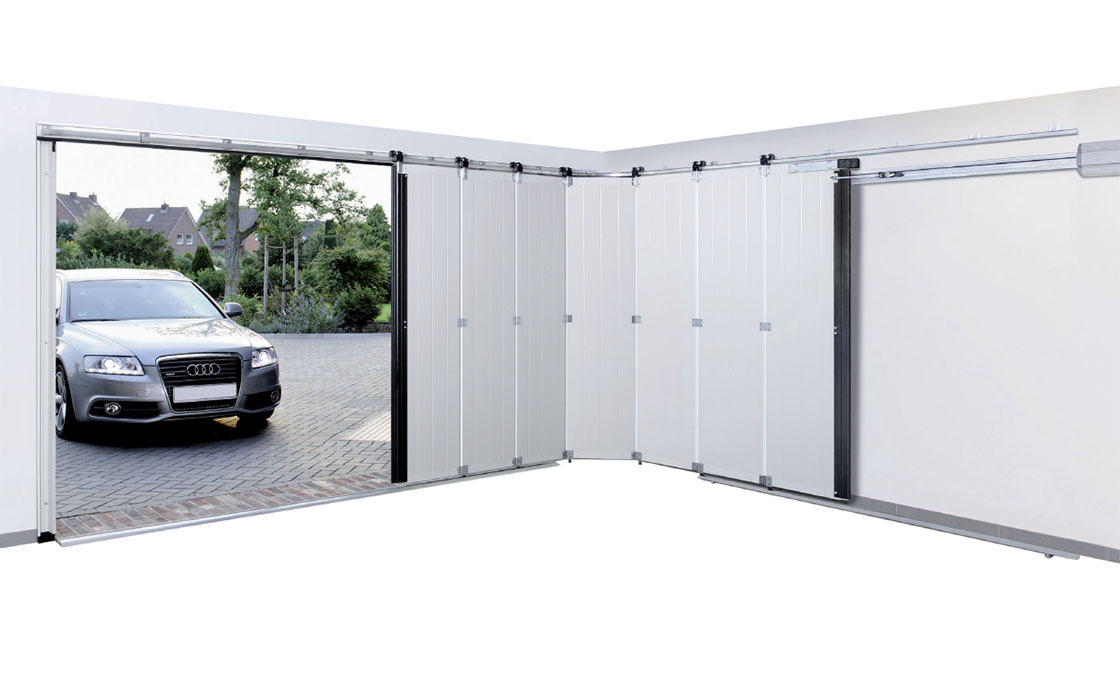
2. Overhead Sectional Door Openers: Belt, Chain & Jackshaft
Overhead sectional doors articulate along horizontal and vertical tracks. Three distinct opener types accommodate different spatial and duty requirements:
Ceiling-Mounted Belt Drives: Steel-reinforced polyurethane belts pull a central trolley along a rigid steel rail. Belt operators deliver virtually silent operation below 55 dB, making them ideal for residential and light-commercial environments.
Ceiling-Mounted Chain Drives: Heavy carbon steel roller chains provide high tensile strength for heavy insulated panels. Chain drives offer economical, rugged performance in commercial service bays.
Wall-Mounted Jackshaft Operators: Jackshaft units mount directly to the wall beside the door, turning the torsion spring shaft directly. By eliminating ceiling-mounted rails, jackshaft drives provide vital clearance for high-lift warehouse doors and automotive service bays with car lifts.
Need Custom Operator Sizing for Your Commercial Project?
Send your clear opening dimensions, door weight, and daily cycle requirements to the engineering team for precise motor torque sizing and factory-direct pricing.
3. Commercial Roller Shutter Operators: Tubular vs External Drives
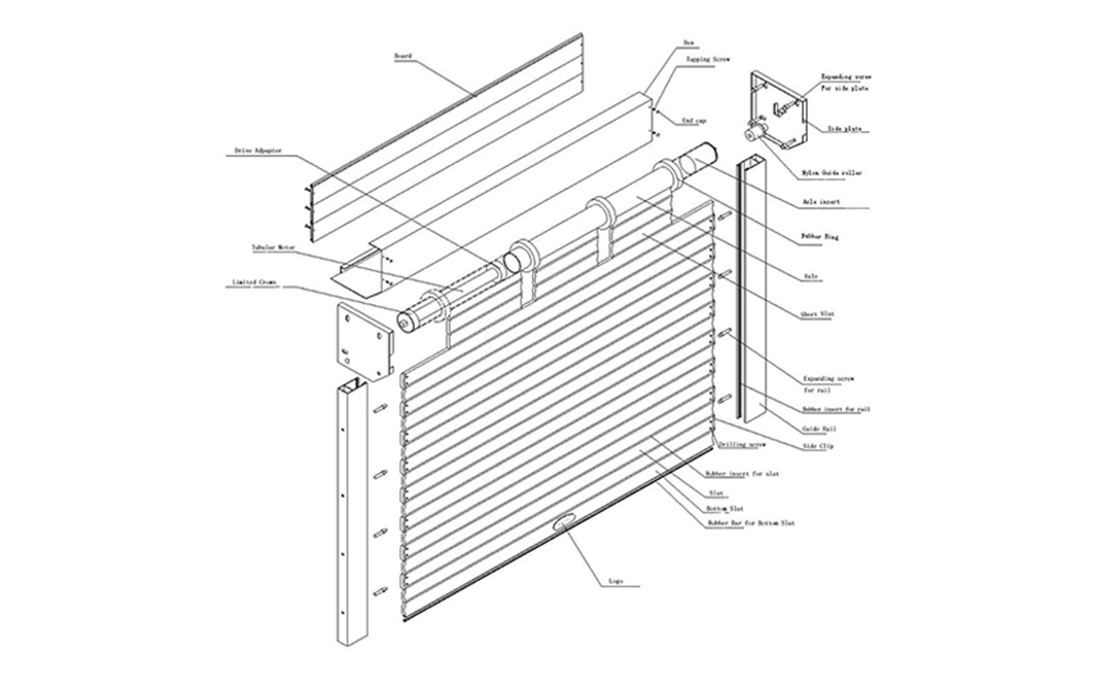
Rolling shutter curtains roll tightly around an overhead barrel axle. Operator selection depends on curtain weight and daily cycle frequency:
Internal Tubular Motors: The motor, gearbox, and limit switches sit completely inside the cylindrical steel barrel tube. This compact design requires zero lateral side-room. However, tubular motors possess limited thermal dissipation, making them suited for commercial storefronts with intermittent daily cycles.
External Side-Mount Chain Drives: Heavy industrial rolling shutters utilize external side-mounted operators driving the barrel through high-strength sprockets. Equipped with oil-bath gearboxes and integrated mechanical anti-drop safety brakes, external operators effortlessly handle heavy industrial curtains weighing over 1,000 kg.
4. Commercial Sliding & Swing Operators: Belt Carriage vs Hydraulic
Horizontal entrance systems utilize specialized kinematics suited to lateral opening trajectories:
Automatic Sliding Door Operators: Overhead linear drive headers house a brushless DC motor and a continuous toothed timing belt. Dual-carriage roller hangers glide smoothly on self-cleaning anodized aluminium tracks at opening speeds up to 1.0 m/s for high-volume pedestrian traffic.
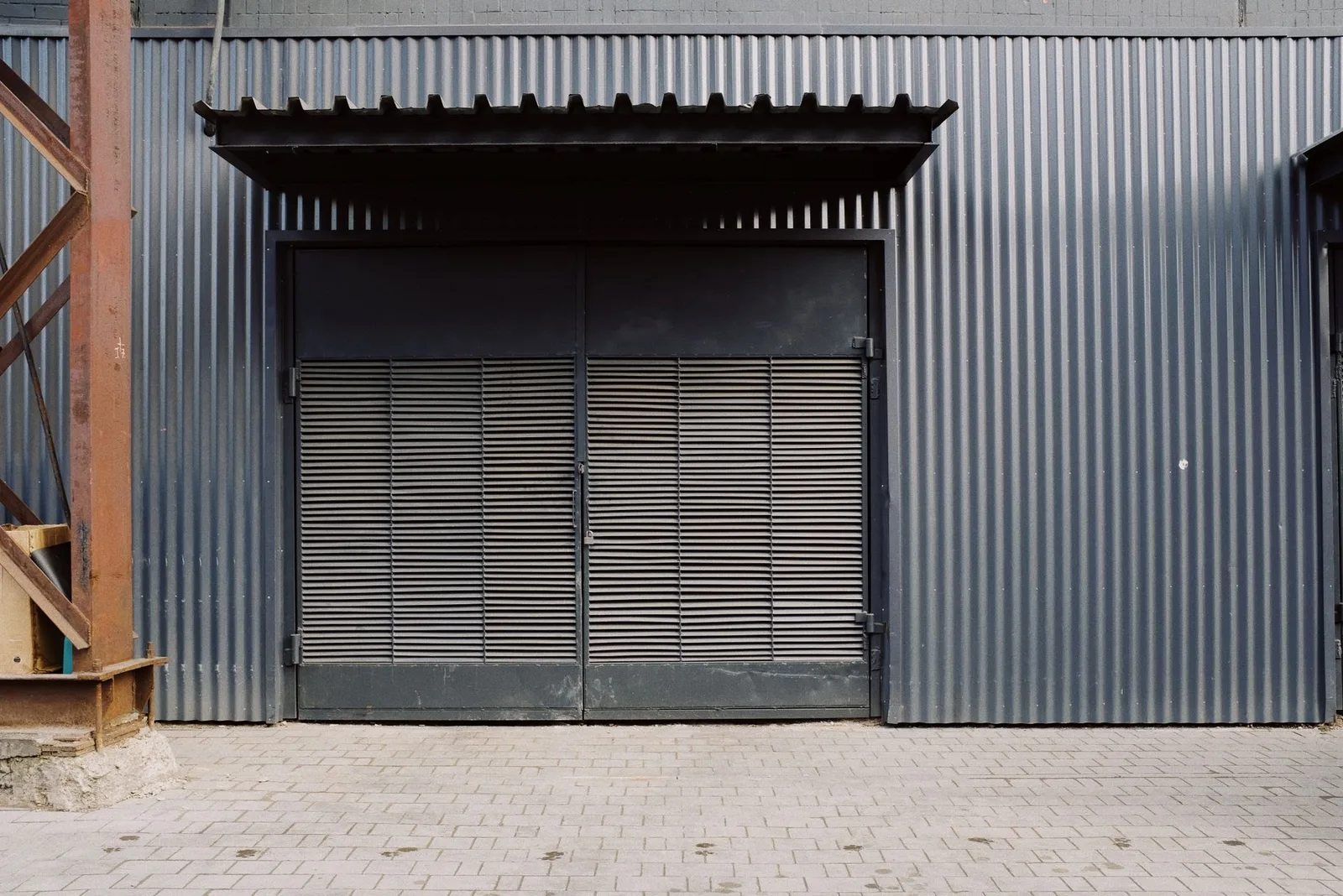
Heavy Swing and Folding Door Operators: Large industrial folding gates and heavy swing doors utilize articulating mechanical arms or hydraulic pistons. These robust drives easily handle heavy curtains under exterior wind loads.

5. Master Comparison Matrix: Opener Types, Speeds & Loads
The matrix below compares the structural mechanisms, mechanical load ratings, and typical applications across major automatic door opener categories:
| Opener Category | Drive Transmission | Maximum Door Weight | Typical Speed | Optimal Application |
|---|---|---|---|---|
| Ceiling Belt Trolley | Reinforced Polyurethane Belt | Up to 250 kg | 0.15 to 0.20 m/s | Residential & Quiet Commercial |
| Wall Jackshaft Drive | Direct Torsion Shaft Coupling | Up to 600 kg | 0.20 to 0.25 m/s | High-Lift & Zero-Headroom Bays |
| Internal Tubular Motor | Internal Planetary Gearbox | Up to 300 kg | 0.10 to 0.15 m/s | Storefront Rolling Shutters |
| External Side Chain Drive | Sprocket & Heavy Roller Chain | Up to 2,000+ kg | 0.12 to 0.18 m/s | Heavy Industrial Rolling Doors |
| Sliding Header Operator | Continuous Toothed Timing Belt | Up to 2 × 150 kg | 0.50 to 1.00 m/s | Commercial Pedestrian Entrances |
Quality guidelines published by the ISO International Organization for Standardization emphasize verifying structural load safety factors during operator specification.
6. Key Selection Criteria: Duty Cycle, Headroom & Safety Codes
Specifying the optimal automatic door opener requires evaluating three critical engineering factors:
Duty Cycle Rating: Intermittent-duty motors overheat if operated continuously. High-throughput logistics hubs require 100% continuous-duty rated brushless DC or 3-phase AC operators equipped with thermal overload protection.
Available Spatial Clearances: Ceiling obstructions, overhead cranes, and low lintels dictate whether a ceiling trolley, direct wall jackshaft, or internal tubular drive must be selected.
Regulatory Safety Codes: Guidelines from the Health and Safety Executive mandate compliance with EN 12453 safety standards. Power-operated doors must feature optical photocells and torque-reversing mechanisms to prevent entrapment.
7. Engineering Consultation for Your Project Sizing
Understanding the principles and types of automatic door openers ensures smooth daily logistics, minimal maintenance downtime, and full workplace safety compliance. When configuring a new entrance, calculate the total moving mass, counterbalance spring ratio, and hourly cycle demands before finalizing motor horsepower.
Need technical assistance selecting the right door operator?
If you are planning a new commercial facility or upgrading outdated manual doors with motorized drives, the engineering team is always available to review your clear opening dimensions, headroom constraints, and duty cycle requirements to help you select a dependable automated setup.
Frequently Asked Questions About Automatic Door Opener Types
What are the core principles and types of automatic door openers?
Automatic door openers convert motor rotation into linear or rotational door movement using planetary or worm gear reduction, absolute encoder position limits, and electronic safety auto-reversing circuits.
What are the primary types of automatic door openers?
The primary types include ceiling belt and chain trolley openers, wall-mounted direct jackshaft drives, internal tubular motors, external side chain drives, and commercial sliding header operators.
When should a wall-mounted jackshaft opener be used?
Jackshaft operators are recommended when ceilings are high, angled, or obstructed, or when car lifts require unobstructed vertical space above the doorway by driving the torsion shaft directly.
What is the difference between belt and chain drive openers?
Belt drive openers utilize steel-reinforced polyurethane belts for ultra-quiet operation below 55 dB, while chain drive openers use steel chains for rugged, economical heavy-panel lifting.
How do safety sensors work on automatic door openers?
Active infrared photocells project a continuous light beam across the threshold; if interrupted during closing, the control circuit halts downward travel and reverses the door within milliseconds.