
As a business owner or commercial property manager, your front entrance is the very first touchpoint every customer, client, and employee experiences. A heavy, hard-to-push manual door creates immediate friction, frustrates visitors, and can even expose your business to severe accessibility compliance lawsuits.
Whether you run a medical clinic, retail boutique, commercial office, restaurant, or fitness center, upgrading to commercial automatic door openers is a proven way to improve accessibility, streamline customer foot traffic, enhance premises security, and cut commercial heating and cooling bills. In this comprehensive guide, we walk through everything business owners need to know about selecting, installing, and budgeting for commercial automatic door operators.
Commercial Benefits for Business Owners:
- Full ADA Accessibility Compliance: Ensure independent access for wheelchair users, elderly clients, and parents with strollers, avoiding costly civil lawsuits.
- Effortless Customer Traffic Flow: Eliminate doorway bottlenecks during peak morning, lunch, and weekend customer rushes.
- Commercial Building Security Integration: Connect door operators to electronic access control keypads, RFID fobs, and automated after-hours locking schedules.
- HVAC Energy Cost Reductions: Stop conditioned indoor air from escaping through propped-open manual doors, lowering utility bills by up to 25%.
Why Business Owners Are Upgrading to Automatic Door Openers
First impressions matter in business. When customers arrive at your store, medical office, or professional building carrying shopping bags, holding a child’s hand, or walking with an umbrella on a rainy day, struggling with a heavy exterior door creates immediate friction and irritation.
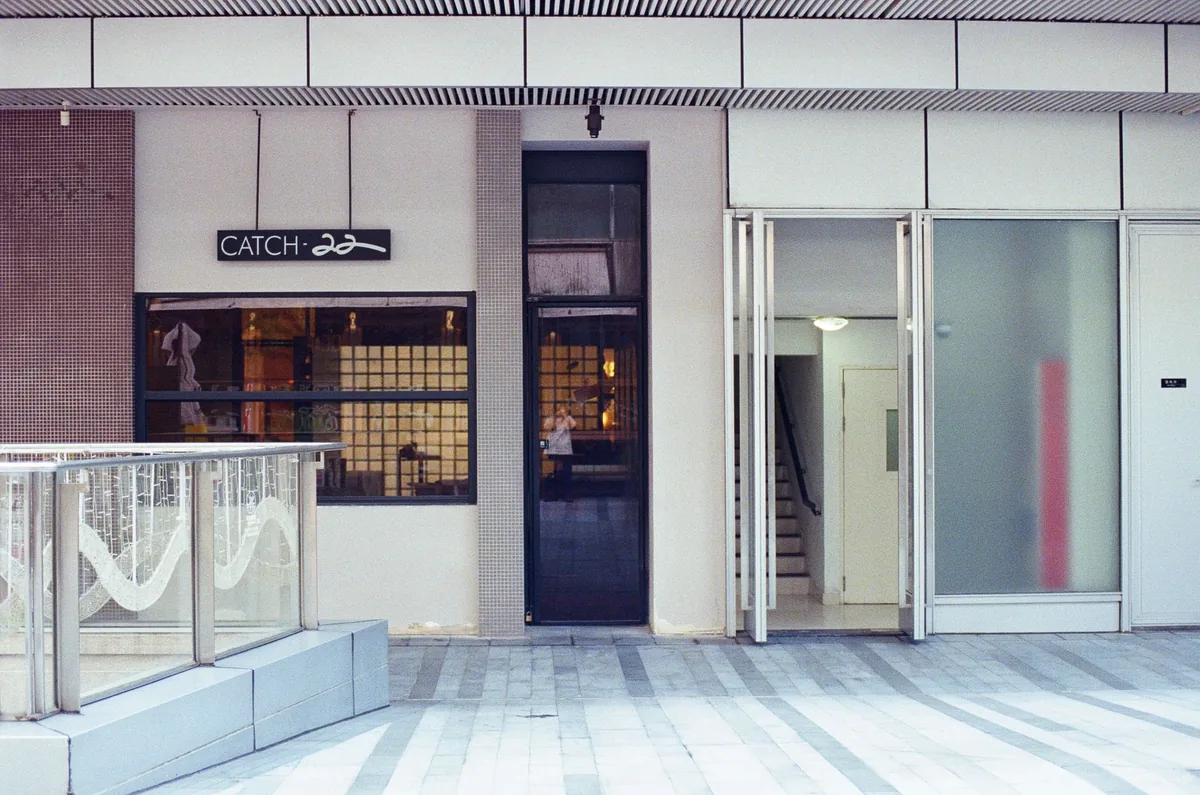
Manual commercial doors take a continuous beating. High winds whip doors out of customers’ hands, bending closer arms and cracking glass seals. During busy rushes, visitors kick doors open or wedge trash cans into frames to hold them ajar. Over time, hinges sag, deadbolts fail to align, and door frames become loose. Installing an automatic operator provides smooth, controlled mechanical movement every single cycle, protecting your architectural investment and eliminating constant service calls for broken closers.
Beyond hardware protection, modern automatic doors elevate brand perception. Retail studies consistently show that consumers view businesses with hands-free, modern automatic entrances as cleaner, more professional, and more customer-focused than competitors with heavy manual doors.
ADA Compliance & Accessibility: Protecting Your Business from Costly Lawsuits
Under Title III of the Americans with Disabilities Act (ADA), public accommodations and commercial facilities are legally mandated to remove architectural barriers that restrict access for individuals with disabilities.
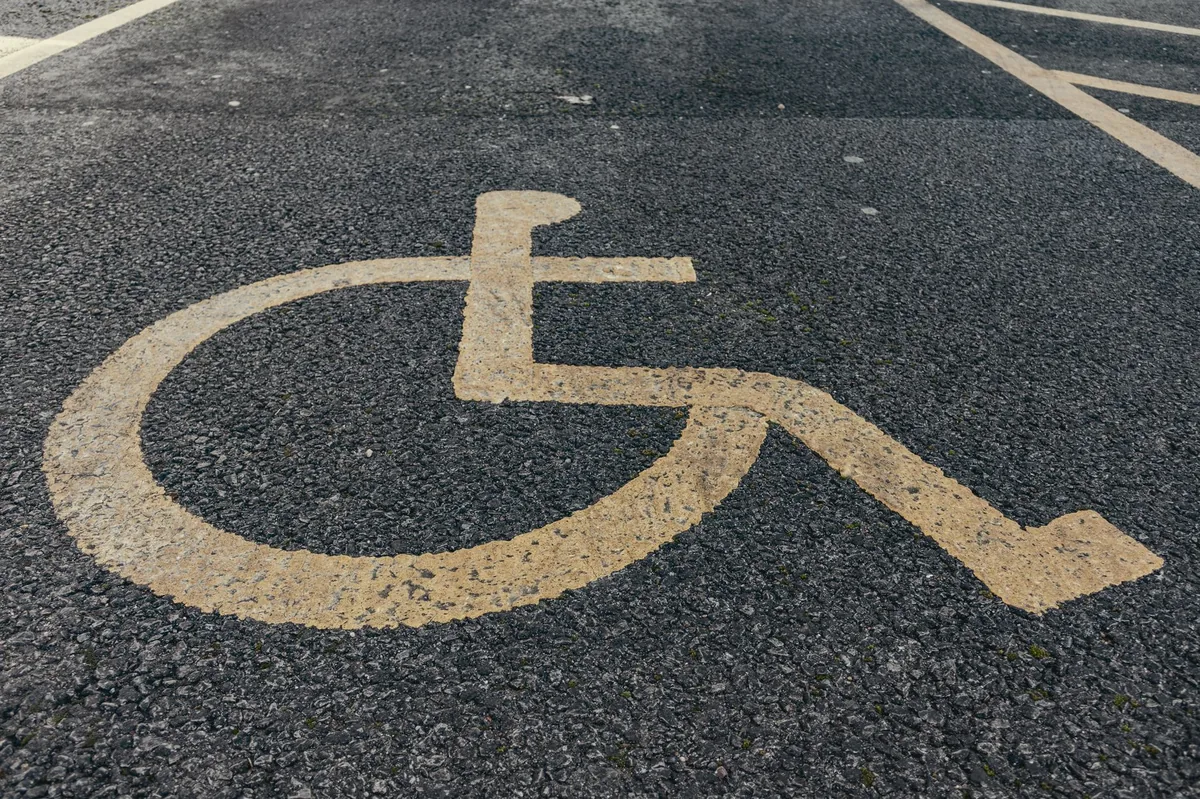
Standard exterior commercial doors often require 15 to 25 pounds of opening force due to heavy door closers fighting outdoor wind pressure. However, ADA standards state that interior doors should not exceed 5 pounds of opening force, and exterior entrances must provide accessible routes with minimum 32-inch clear opening widths.
In recent years, serial ADA accessibility lawsuits targeting small and medium business owners have skyrocketed, with average legal settlements and defense costs ranging from $10,000 to over $50,000 per violation. Installing an ADA-compliant low-energy automatic door operator with blue handicap push plates or touchless wave sensors proves proactive accessibility compliance and shields your business from predatory litigation.
Managing Customer Foot Traffic: Smooth Entry for Strollers, Carts, and Crowds
For retail stores, grocery markets, healthcare centers, and educational buildings, foot traffic density changes dramatically throughout the day.

During peak morning coffee runs, lunch rushes, or weekend retail promotions, a manual swinging door creates a constant choke point. People entering have to stop and wait for people exiting, while visitors pushing baby strollers, wheeled luggage, or shopping carts get stuck wrestling with door handles. Automated commercial doors—especially bi-parting sliding glass doors or low-energy power-assist swing operators—allow continuous, bi-directional traffic to flow naturally without physical pauses or awkward door holding.
In medical clinics, physical therapy centers, and dental offices, automatic doors are even more essential. Patients dealing with injuries, crutches, or arthritis can enter independently with dignity, without relying on staff members to rush from behind reception desks to open the door.
Security and Access Control: Integrating Keycards, Fobs, and Auto-Lock Schedules
Modern commercial door openers function as the physical gateway to your facility security and building management system (BMS).
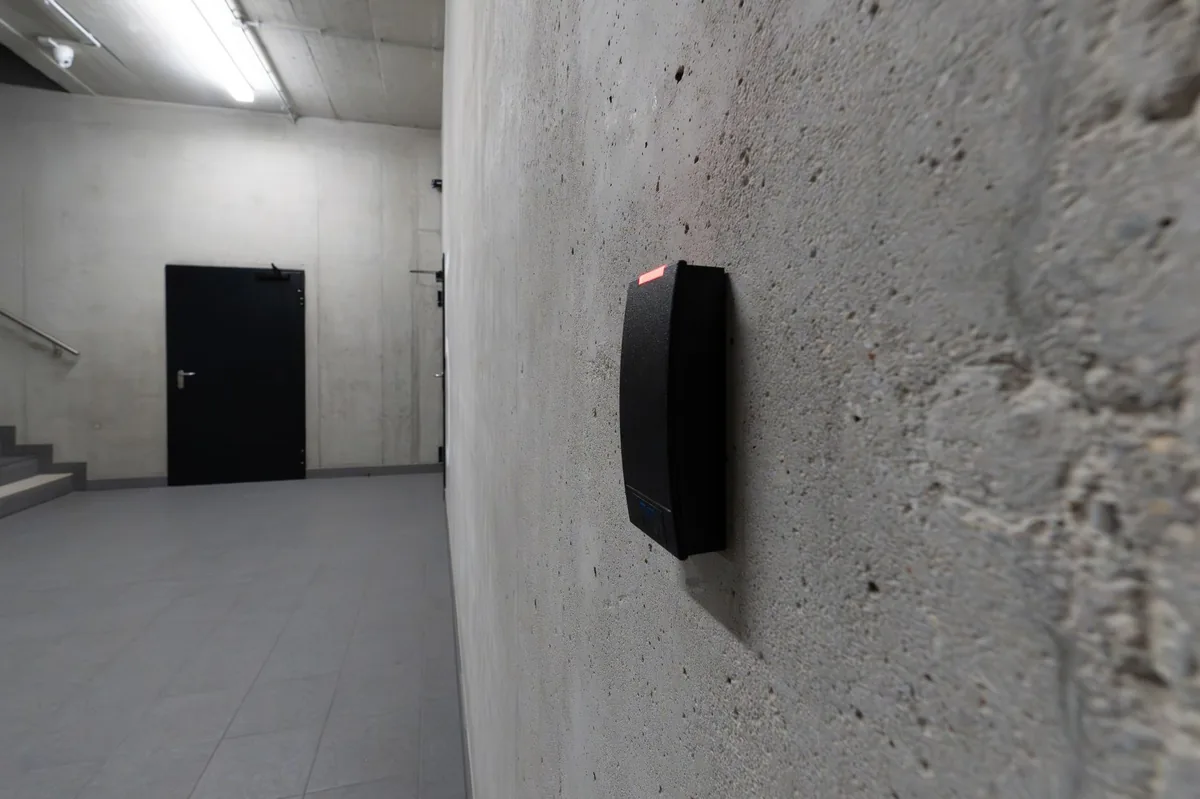
Key Security Features for Commercial Properties:
- Time-Based Automated Lock Schedules: Program your front doors to unlock automatically at 8:00 AM for public business hours, transition to badge-only access at 6:00 PM, and lock down fully at night. This removes the risk of employees forgetting to lock exterior doors at closing time.
- Contactless Access Readers: Connect RFID keycards, employee key fobs, PIN keypads, or smartphone mobile credentials to restrict sensitive back-office, stockroom, server room, or medical record zones.
- Emergency Fire Alarm Egress: Operators connect directly to municipal fire alarm panels. If a smoke detector trips, magnetic locks release immediately, allowing unhindered emergency egress in compliance with NFPA 101 Life Safety codes.
For retail stores and multi-tenant commercial offices, access control integration also provides automated digital audit trails. If an inventory loss occurs after hours or an unauthorized entry attempt happens, your security management software logs the exact timestamp and badge ID used at the automated entrance.
Cutting Energy Loss: How Fast-Sealing Doors Lower Commercial Utility Bills
Heating and cooling commercial spaces accounts for over 35% of an average business building utility expenditure. Every time a manual door is left propped open by employees on smoke breaks or delivery couriers dropping off packages, hundreds of dollars of conditioned air escape into the parking lot.
Automatic door operators eliminate open-door negligence. Equipped with programmable hold-open timers (typically 3 to 5 seconds) and precision perimeter weatherstripping, automatic doors close and latch firmly after each customer passes. Studies by the American Society of Heating, Refrigerating and Air-Conditioning Engineers (ASHRAE) show that automatic commercial doors can reduce entrance air infiltration by up to 43% compared to manual doors in busy retail locations.
Choosing Between Low-Energy, Full-Power, and Sliding Door Operators
Understanding the difference between commercial operator categories ensures you do not overspend on unnecessary features or underspecify a high-traffic opening.
| Operator Category | Operation Speed & Kinetic Energy | Safety Sensor Requirements | Best Suited Business Application |
|---|---|---|---|
| Low-Energy Swing Operator (ANSI A156.19) | Slow, gentle opening (4 to 6 seconds); low kinetic force | Handicap push plate or wave switch (sensors optional) | Offices, medical clinics, schools, public restrooms, ADA retrofit |
| Full-Power Swing Operator (ANSI A156.10) | Fast opening (1.5 to 2.5 seconds); high kinetic force | Mandatory door-mounted presence safety sensors & guide rails | Hospital corridors, airport terminals, high-traffic commercial hubs |
| Automatic Sliding Glass Operator (ANSI A156.10) | Rapid bi-parting or single-slide lateral motion | Overhead motion radar + infrared threshold presence curtains | Supermarkets, retail department stores, hotel lobbies, pharmacies |
Total Cost of Ownership & ROI: Upfront Price, Maintenance, and Payback Timeline
Budgeting for commercial automatic doors requires evaluating the initial equipment and installation costs against multi-year operational savings and risk mitigation.

| Cost & Investment Factor | Low-Energy Swing Retrofit | Complete Automatic Sliding Glass Package |
|---|---|---|
| Equipment Hardware Cost | $1,200 – $2,200 | $3,500 – $6,500 |
| Professional Installation Labor | $500 – $1,000 | $1,500 – $2,500 |
| Annual Preventative Maintenance | $150 – $300 (Annual AAADM inspection) | $300 – $600 (Semi-annual belt/track check) |
| Annual HVAC Energy Savings | $400 – $900 / year | $1,200 – $2,800 / year |
| Expected Hardware Lifespan | 10 to 12 years (150,000+ cycles) | 12 to 15 years (500,000+ cycles) |
| Typical Full Payback Period | 2 to 3 years via energy & door repair savings | 3 to 4 years via customer throughput & energy |
Frequently Asked Questions: Automatic Door Openers for Businesses
Does the ADA require automatic door openers for all businesses?
While the federal ADA standard does not mandate automatic doors for every private business building, it strictly mandates accessible entrance routes with door opening forces not exceeding 5 pounds for interior doors. In addition, recent International Building Code (IBC) standards mandate automatic doors at main public entrances for high-occupancy buildings. Installing an automatic operator is the most reliable way to guarantee full compliance.
Can I convert my existing manual commercial door into an automatic door?
Yes. Low-energy commercial swing operators (surface-mounted units) can be retrofitted onto existing aluminum storefront doors, hollow metal steel doors, or solid wood doors without replacing the door frame or glass, making it a cost-effective accessibility upgrade.
How does an automatic commercial door operate during a power outage?
Commercial automatic operators feature internal spring-close mechanisms or 24V battery backups. In a power loss, the door functions smoothly as a manual door with low opening resistance, or slides open to allow safe building evacuation in compliance with life safety egress codes.
What is the difference between a low-energy and full-power operator?
Low-energy operators (ANSI A156.19) open slowly and gently with low kinetic force, activated by a push plate or wave switch, and do not require overhead safety sensors. Full-power operators (ANSI A156.10) open quickly at high speed and require overhead motion radars, presence safety sensors, and safety guide rails.
How often do commercial automatic doors require safety inspections?
The American Association of Automatic Door Manufacturers (AAADM) recommends that commercial automatic doors be inspected annually by an AAADM-certified technician, alongside daily visual checks by building staff to test sensor coverage and closing speeds.