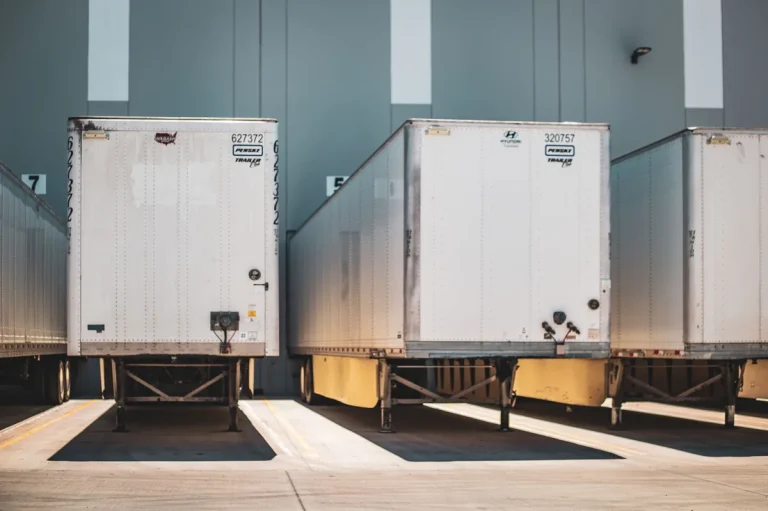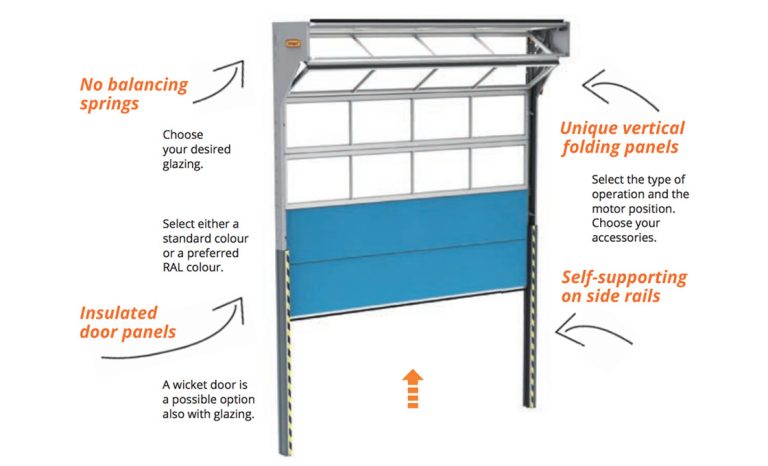
If you manage a warehouse, manufacturing plant, agricultural barn, or aircraft hangar, you know the daily headache of dealing with oversized, heavy doors. A large commercial sectional door or steel rolling shutter can easily weigh between 400 kg and 1,500 kg (880 to 3,300 lbs).
Asking your employees to manually haul open a 1,000-pound steel door with a manual chain hoist multiple times a day is a recipe for workplace injuries, damaged equipment, and massive loading dock delays. Upgrading to a heavy-duty commercial automatic door opener is one of the smartest operational investments you can make. In this guide, we break down why heavy doors demand motorized automation, how to pick the right horsepower and drive type, and the real-world return on investment for your facility.
Key Takeaways for Facility Managers:
- Eliminate Worker Injuries: Stop back strains, shoulder tears, and expensive workers’ compensation claims caused by pulling heavy manual chain blocks.
- Speed Up Loading Bay Logistics: Motorized openers cut cycle times from 90+ seconds down to under 15 seconds, keeping forklifts and delivery trucks moving.
- Lower Commercial Heating & Cooling Bills: Fast automated opening and timed auto-closing preserve your indoor climate and reduce HVAC load.
- Heavy-Duty Reliability: Commercial-grade jackshaft and gear-head operators handle continuous daily cycles with built-in safety brakes and manual emergency chain overrides.
Why Moving Heavy Industrial Doors by Hand is a Disaster Waiting to Happen
When an industrial door weighs half a ton or more, manual operation ceases to be a minor chore and becomes a major operational bottleneck.

Think about the physical reality on your plant floor. A delivery semi-truck backs up to your bay in the middle of a winter morning. To open a manual rolling door, a warehouse worker has to stand by the wall and pull a hand chain hoist hand-over-hand for two full minutes. By the time the door reaches the ceiling, the worker is out of breath, freezing outside air has poured into your building, and the forklift driver has been idling waiting to unload.
Because manual chain hoists are slow and tiring, workers inevitably take shortcuts. They leave doors rolled halfway up or prop them open with wooden pallets. This invites theft, lets pests in, and causes severe wind-load damage when sudden gusts catch a partially open curtain.
Preventing Worker Injuries and Massive Workers’ Comp Claims
Workplace safety is not just about compliance; it directly impacts your company bottom line. Musculoskeletal disorders from manual lifting and repetitive pulling account for over 30% of all lost-workday injuries in industrial facilities.

When a worker yanks on a stuck manual chain hoist, a sudden bind in the door guide track can snap back, causing acute rotator cuff tears, lumbar spinal disc herniations, or finger pinch injuries. A single serious workers’ compensation claim can cost your business $30,000 to $80,000 in medical bills, lost productivity, and increased insurance premiums.
Installing an electric commercial door operator replaces physical human strain with smooth motor torque. Workers simply press a wall push-button, tap a wireless remote from the forklift seat, or let automated floor loop detectors handle the opening.
How Heavy-Duty Operators Eliminate Loading Bay Traffic Jams
In a high-throughput distribution center or manufacturing plant, seconds matter. If your loading dock handles 50 truck arrivals a day, opening and closing doors manually wastes hours of productive labor.

Comparing the Flow: Manual vs. Automated Movement:
- Manual Operation: Forklift driver stops the machine, dismounts, pulls the hand chain for 90 seconds, climbs back onto the forklift, drives through, dismounts again, and pulls the chain to close the door. Total wasted time per transit: 3 to 4 minutes.
- Automated Operation: Forklift approaches the door. An overhead radar or floor induction loop detects the vehicle, lifts the heavy steel curtain in 8 to 12 seconds, and closes it automatically after the forklift clears the doorway. Total wasted transit time: 0 seconds.
Over a busy month, automating three loading bay doors recovers over 100 hours of wasted forklift driver time, allowing your crew to ship more orders with fewer delays.
Jackshaft vs. Chain Hoist: Picking the Right Opener for Extreme Door Weights
Selecting an opener for a heavy industrial door is completely different from buying a residential garage door unit. You must match the drive mechanism and motor rating to the door size and daily cycle count.

| Operator Type | Motor Sizing (HP) | Drive Mechanism | Best Suited Door Application |
|---|---|---|---|
| Side-Mount Jackshaft Operator | 1/2 HP to 1 HP | Direct shaft drive or chain coupling | High-lift & vertical-lift sectional doors up to 500 kg |
| Heavy-Duty Gearhead Operator | 1 HP to 3 HP | Oil-bath worm gear direct reduction | Industrial steel rolling shutters up to 1,200 kg |
| Trolley Overhead Operator | 1/2 HP to 1-1/2 HP | Heavy steel channel track with drive chain | Standard-lift sectional commercial doors with ample ceiling room |
| Heavy Industrial Gate / Hangar Operator | 3 HP to 7.5 HP (3-Phase) | Heavy roller chain and dual planetary gearboxes | Aviation hangars, shipyard blast doors, heavy mining barriers |
Protecting Your Climate Envelope (And Slashing Commercial Energy Bills)
A 16-foot by 16-foot commercial door represents a massive 256 square foot hole in your building envelope. Every second that door stays open, expensive heated or cooled air rushes outside.

In freezing winter conditions or sweltering summer heat, manual doors create severe temperature swings. When workers leave doors cracked open during shift changes, indoor temperatures drop, forcing commercial rooftop HVAC units and gas heaters to run constantly.
Automatic door openers feature programmable auto-close timers (typically set to close within 10 to 30 seconds after a vehicle clears the photo-eye sensors). By cutting door open time by 75%, commercial facilities commonly see a 15% to 30% reduction in seasonal heating and cooling bills.
Emergency Backup: What Happens When the Power Goes Out on a 1,000kg Door?
A common worry among building owners is: “If a storm knocks out our plant electrical power, how will we get our trucks out?”

Industrial openers incorporate multi-tiered emergency systems to guarantee uninterrupted safety:
- Integrated Manual Emergency Chain Hoist: All commercial-grade jackshaft and gear-head operators feature a built-in mechanical chain hoist with an electrical interlock switch. Engaging the chain automatically cuts power to the motor so it cannot accidentally restart while someone is pulling the emergency chain.
- Commercial Battery Backup Units: Heavy-duty 24V or 48V DC battery backup systems provide emergency power to open and close heavy doors up to 30 times during municipal power blackouts.
- Anti-Drop Safety Inertia Brakes: For massive rolling shutters and vertical-lift doors, an external centrifugal safety brake mounts directly on the drive barrel. If a drive chain breaks or a gearbox shears, the inertia brake locks the shaft within 100 mm of movement, preventing catastrophic free-fall.
Manual vs. Heavy-Duty Automatic Openers: Full ROI & Operational Comparison
Evaluating the investment in commercial door automation requires looking at labor savings, safety risk reduction, and equipment longevity across your facility.
| Operational Metric | Manual Chain Hoist Operation | Commercial Heavy-Duty Automatic Opener |
|---|---|---|
| Average Cycle Speed | 60 to 120 seconds per opening | 10 to 15 seconds (85% faster transit) |
| Worker Injury Risk | High (repetitive strain, back injuries, chain recoil) | Near Zero (push button, radar, or remote control) |
| Loading Bay Productivity | Frequent bottlenecks while trucks idle | Continuous, uninterrupted vehicle flow |
| HVAC Energy Loss | Severe (doors left open or propped ajar) | Minimal (programmable auto-close timer) |
| Upfront Equipment Cost | Low ($150 – $400 for manual chain block) | Moderate ($1,200 – $3,500 installed) |
| Payback Timeline | Ongoing labor and energy drain | Full payback in 6 to 12 months via saved labor |
Frequently Asked Questions About Heavy Door Openers
What horsepower opener do I need for a heavy commercial door?
For standard commercial sectional doors weighing between 300 kg and 500 kg, a 1/2 HP or 3/4 HP commercial jackshaft opener is sufficient. For heavy rolling steel doors weighing 600 kg to 1,200 kg, you need a 1 HP to 2 HP continuous-duty gearhead operator. Oversized hangar or blast doors over 1,500 kg require 3 HP to 5 HP three-phase industrial motors.
Can I install a residential garage opener on a heavy industrial door?
No. Residential openers are engineered for lightweight doors (under 150 kg) and low daily duty cycles (3 to 5 cycles per day). Connecting a residential opener to a heavy commercial door will strip the plastic drive gears, burn out the motor windings, and void the manufacturer warranty within days.
How does an automatic heavy door operator operate during a power outage?
Commercial heavy door operators feature an integrated emergency hand chain hoist with a safety power cutoff switch. Pulling the chain allows you to open or close the door manually. In addition, battery backup units (UPS) can be connected to provide motorized power for 20 to 50 cycles during power blackouts.
What safety devices are mandatory on commercial automatic doors?
Under UL 325 and OSHA safety standards, commercial motorized doors must include primary monitored entrapment protection, such as dual photo-eye infrared safety sensors or an electric safety sensing edge along the bottom door rail. If an obstruction is detected during closing, the motor must immediately stop and reverse.
What is the lifespan of a heavy-duty commercial door operator?
With regular semi-annual preventative maintenance (lubricating drive chains, inspecting gear oil levels, and testing brake tension), commercial gearhead and jackshaft operators routinely last 10 to 15 years, handling over 100,000 to 250,000 operating cycles.