While commercial cold storage doors are traditionally associated with food processing and refrigerated grocery logistics, their specialized thermodynamic engineering makes them indispensable across diverse high-tech, scientific, and industrial sectors. Facility directors and engineering consultants in biotechnology, aerospace testing, and precision manufacturing frequently require enclosures capable of maintaining extreme thermal stability, hermetic gas sealing, and zero moisture condensation.
Exploring who uses cold storage doors uncovers unexpected applications across seven specialized sectors. These include biopharmaceutical manufacturing, aerospace environmental testing, semiconductor cleanrooms, museum archival preservation, blast freezing logistics, precision horticulture, and vertical farming. In over two decades of engineering heavy-duty entrance systems and custom cold room doors, factory engineering teams have evaluated thousands of facilities. Every thermal barrier is tailored to guarantee long-term reliability and precise microclimate control.
1. Biopharmaceutical & Vaccine Cold Storage (-80°C to -20°C)
The pharmaceutical manufacturing industry enforces some of the most rigorous temperature and hygiene compliance standards in modern facility engineering.
Strict Temperature Stability and cGMP Compliance
Biologics, mRNA vaccines, and cell therapies require continuous storage within precise temperature bands (+2°C to +8°C for clinical staging, or -20°C to -80°C for bulk active pharmaceutical ingredients). A thermal breach of just 2°C can destabilize complex protein structures, destroying millions of dollars in inventory. Biopharma cold doors feature thick closed-cell polyisocyanurate (PIR) cores and structural polyamide thermal breaks that maintain exact internal temperatures while preventing exterior condensation.
Crevice-Free AISI 316 Stainless Steel Construction
To satisfy FDA Title 21 CFR Part 211 and European cGMP cleanroom regulations, pharmaceutical doors utilize flush-welded AISI 316 marine-grade stainless steel face sheets. Seamless perimeter gaskets made from medical-grade multi-chamber EPDM withstand daily decontamination with vaporized hydrogen peroxide (VHP) and aggressive sporicidal sanitizers without degrading. Internal heating cables prevent ice bonding along door frame seals.

2. Aerospace & Automotive Environmental Test Chambers (-70°C to +150°C)
Aerospace manufacturers, satellite builders, and automotive R&D facilities subject advanced electronic components and composite materials to severe climatic simulation testing. When evaluating who uses cold storage doors, climatic test chambers represent an ultra-demanding application.
Extreme Thermal Cycling and Pressure Containment
Climatic test chambers simulate high-altitude freezing (-70°C) followed by desert heat (+150°C) within hours. Specialized test chamber cold storage doors feature high-density structural cores combined with multi-layer silicone and EPDM seals capable of absorbing severe thermal expansion and contraction without losing hermetic integrity. Multi-point compression cam latches ensure tight door rebate clamping.
Explosion-Proof and Reinforced Structural Skeletons
When testing lithium-ion electric vehicle battery packs or rocket avionics, testing chambers require reinforced 6063-T5 aluminum framing and ATEX-certified explosion-proof heating circuits. Heavy multi-point cam-lock latches withstand internal pressure spikes while preventing hazardous gas leakage into ambient laboratory spaces.
Designing a Specialized Cold Room or Environmental Chamber?
Send your facility operating temperature range, cleanroom class, and opening dimensions to the technical engineering team for custom door sizing and CAD submittals.
3. Semiconductor Cleanrooms & Hazardous Chemical Staging
Semiconductor fabrication plants (fabs) utilize volatile, temperature-sensitive precursors that demand precise environmental isolation.
Low-Temperature Chemical Vapor Suppression
Specialty photoresists, solvent developers, and organometallic compounds must be stored below -20°C to prevent thermal degradation and hazardous vapor pressure buildup. Specialized cold doors maintain airtight containment, preventing volatile chemical vapors from escaping into ISO Class 4 cleanroom environments. Airtight drop tracks ensure seamless perimeter compression.
Anti-Static and Flame-Retardant Metallurgy
Chemical storage doors incorporate conductive anti-static cladding and grounded stainless steel hardware to prevent electrostatic discharge (ESD) hazards. Fire-rated polyisocyanurate (PIR) cores meet EN 13501 B-s1, d0 flame retardancy standards, providing passive thermal protection in high-risk zones.
4. Museum Archival Preservation & Botanical Seed Vaults
Preserving priceless cultural heritage and biological biodiversity requires extreme long-term microclimatic stability.
Constant Temperature and Moisture Control
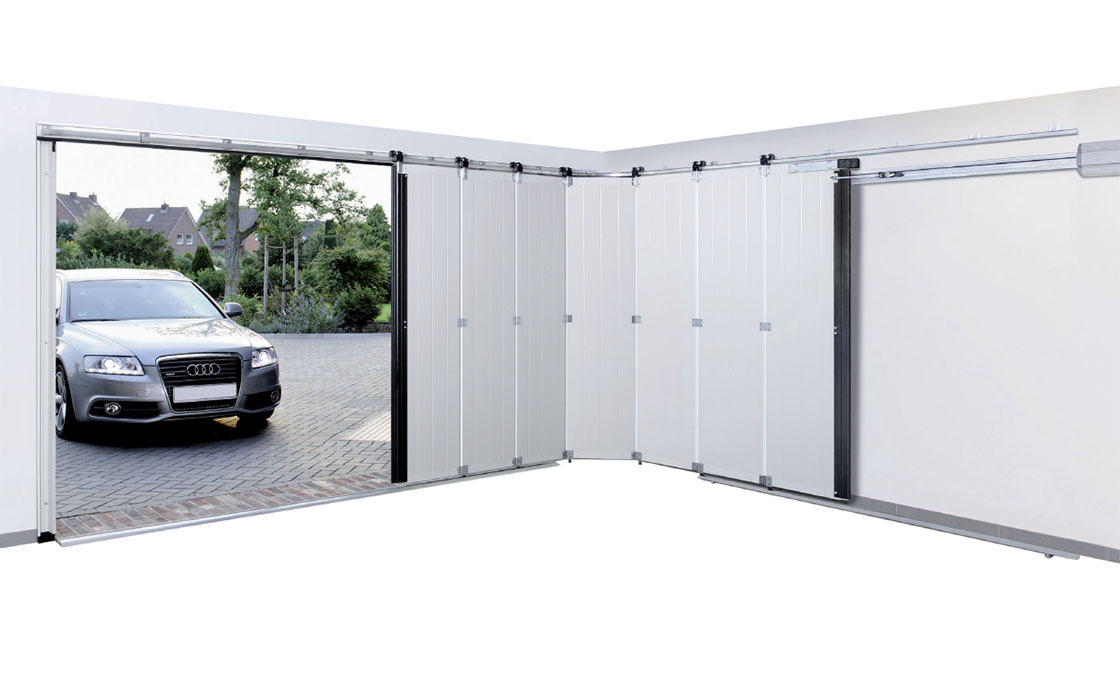
National archives storing historical manuscripts, cellulose nitrate film reels, and rare oil paintings require constant temperatures (+10°C to +14°C) and tight relative humidity (30% to 50% RH). Dual-axis drop-inward sliding cold storage doors provide hermetic perimeter sealing, isolating archival vaults from external atmospheric fluctuations and biological pests.
Global Seed Banks and Cryogenic Preservation
Facilities like the Svalbard Global Seed Vault utilize specialized deep-freeze doors (-18°C) equipped with dual-circuit perimeter defrost heating. These doors maintain seed viability for centuries by preventing thermal drift and moisture condensation on seed canisters.
5. Commercial Food Processing & Blast Freezing Tunnels
High-throughput commercial food manufacturing represents the largest operational application for heavy-duty cold storage doors.
Continuous Blast Freezer Logistics
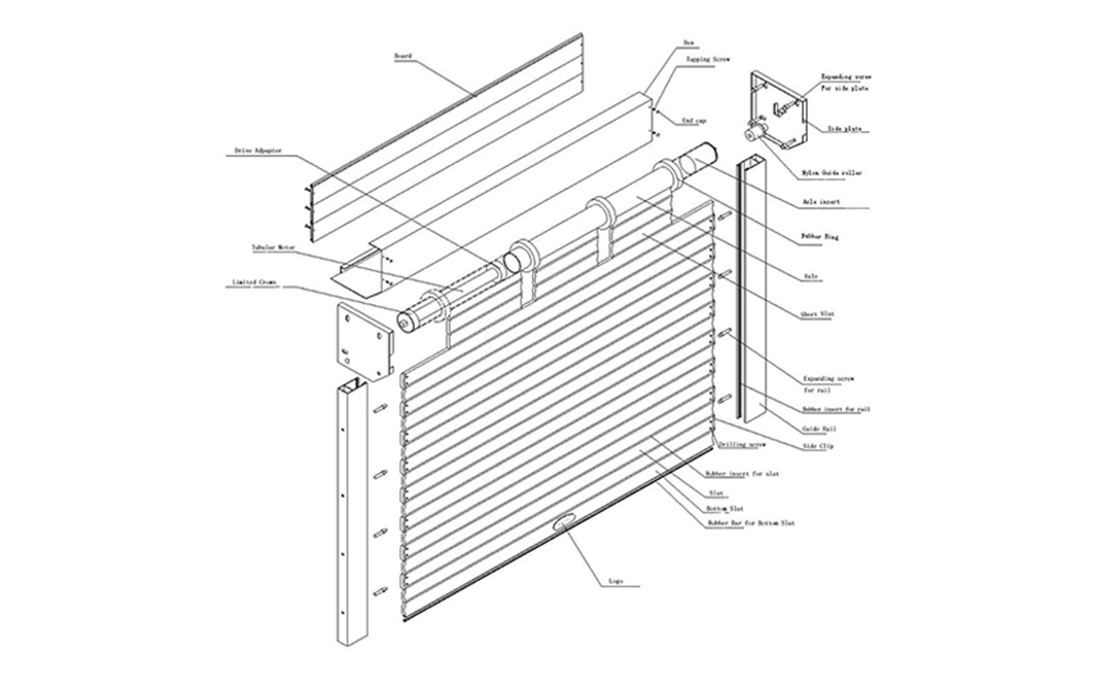
Industrial meat, poultry, and seafood processing plants utilize blast freezing tunnels operating at -35°C to -45°C. These heavy-traffic doorways require automated sliding doors with 150 mm thick PIR cores and rapid opening cycles to maintain sub-zero temperatures while accommodating high-frequency forklift transit.
HACCP and USDA Sanitation Readiness
Food processing cold doors feature sloped stainless steel track covers and smooth, crevice-free cladding. This construction allows daily high-pressure chemical washdowns without retaining moisture or promoting bacterial growth, ensuring full compliance with HACCP and USDA food safety standards.

6. Precision Floral & Horticultural Cold Chains
Cut flowers and high-value horticultural crops require specialized post-harvest cold storage conditions that challenge standard refrigeration equipment.
High-Humidity Vapor Barrier Management
Floral cold rooms operate at +2°C to +4°C with exceptionally high relative humidity (90% to 95% RH) to prevent petal dehydration. Uninsulated doors in these environments develop severe frame condensation within hours. Cold storage doors with structural PA66 polyamide thermal breaks maintain frame surfaces above the dew point, completely eliminating condensation puddles.
Gentle Airflow Containment
Rapid-closing insulated doors prevent warm ambient air from disturbing delicate microclimates, extending the vase life and commercial value of premium floral exports.
7. Vertical Farming & Controlled-Environment Agriculture
Indoor vertical farming and controlled-environment agriculture (CEA) represent rapidly growing applications for precision cold storage doors.
Vapor-Sealed Microclimate Zoning
Multi-tier indoor vertical farms grow crops in distinct environmental zones requiring separate temperature and humidity profiles. Heavy-duty insulated sliding doors provide hermetic air sealing, preventing cross-contamination of pathogens and maintaining precise CO2 enrichment levels within sealed growing bays.
Energy-Efficient Thermal Containment
Insulated doors prevent heat generated by high-intensity LED grow lights from transferring into cold staging and packaging zones, reducing facility HVAC energy loads by over 30%.
8. Master Cross-Industry Engineering Requirements Matrix
When assessing who uses cold storage doors, the engineering matrix below illustrates the diverse operating parameters across specialized industries:
| Industry Application | Temperature Range | Primary Engineering Requirement | Cladding & Hardware Standard |
|---|---|---|---|
| Biopharmaceuticals | -80°C to +8°C | Exact thermal stability & cGMP cleanability | AISI 316 stainless steel; VHP resistant EPDM |
| Aerospace Testing | -70°C to +150°C | Extreme thermal cycling & pressure resistance | Reinforced 6063-T5; multi-layer silicone seals |
| Semiconductor Fabs | -20°C to +15°C | Vapor suppression & anti-static grounding | Anti-static ESD cladding; ATEX heating cables |
| Museum Archives | +10°C to +14°C | Hermetic gas sealing & biological pest barrier | Plastisol coated steel; dual-axis drop tracks |
| Commercial Food | -35°C to +4°C | Heavy forklift cycling & daily washdowns | AISI 304 stainless steel; 150 mm PIR panels |
| Precision Floral | +2°C to +4°C | 95% RH sweat elimination & gentle airflow | PA66 GF25 thermal breaks; smooth EPDM seals |
| Vertical Farming | +15°C to +24°C | Microclimate zoning & CO2 gas containment | Insulated composite skins; automated sliding track |
Quality management and manufacturing standards governed by ISO and workplace regulations from the Health and Safety Executive ensure consistent thermal barrier performance across specialized global industries.
9. Custom Cold Storage Door Engineering Consultation
Understanding who uses cold storage doors highlights the broad utility of specialized thermal barriers across scientific research, aerospace engineering, and precision manufacturing. Reviewing operating temperature ranges, cleanroom classifications, and chemical resistance parameters ensures optimal entrance system performance.
Need technical assistance for specialized cold storage doors?
If you are designing a biopharmaceutical cleanroom, environmental test chamber, or vertical farming facility, the technical engineering team is available to review your specifications and provide custom engineering drawings and factory direct quotes.
Frequently Asked Questions About Cold Storage Door Applications
Are cold storage doors used outside the food industry?
Yes, over 40% of specialized cold storage doors serve biopharmaceuticals, aerospace testing chambers, semiconductor cleanrooms, and botanical seed banks.
Why do pharmaceutical cleanrooms require stainless steel cold doors?
AISI 316 stainless steel provides crevice-free surfaces that resist aggressive chemical decontamination with vaporized hydrogen peroxide (VHP) without corroding.
Can cold storage doors withstand extreme heat in test chambers?
Yes, environmental chamber doors combine high-density structural cores with multi-layer silicone and EPDM seals to operate from -70°C up to +150°C.
How do cold storage doors protect museum archives?
Hermetic dual-axis drop-inward sliding doors maintain constant temperatures and relative humidity while creating an impenetrable barrier against biological pests.
Why are thermal breaks necessary in high-humidity floral cold rooms?
In 95% RH environments, structural polyamide thermal breaks keep exterior frames above the dew point, preventing condensation sweating and floor puddles.