
Specifying a commercial refrigeration barrier without understanding its mechanical and thermal sub-assemblies often results in costly operational failures. Procurement managers sometimes treat cold room doors as simple sandwich panels. This oversight neglects the critical thermal break profiles, kinematics tracks, and heating circuits necessary to prevent ice lockups.
Understanding what are the components of a cold storage door requires examining eight interconnected sub-assemblies. Key parts include the insulated leaf, thermal break frame, drop-and-inward track, EPDM gaskets, heating cables, cam-lift hinges, safety releases, and automated sensors. In over two decades of engineering entrance systems and custom cold room doors, field engineering teams have evaluated thousands of cold chain facilities. Specifying high-grade components ensures dependable airtight sealing, prevents condensation, and maximizes refrigeration efficiency.
1. Insulated Door Leaf Core & Structural Framing
The door leaf represents the central thermal barrier separating the refrigerated chamber from the external ambient environment.
High-Pressure Injected Polyisocyanurate Core
The insulating core of a high-performance cold storage door consists of high-pressure injected, closed-cell polyisocyanurate (PIR) or polyurethane (PU) foam with a density between 42 and 45 kg/m³. With a thermal conductivity of λ = 0.020 to 0.022 W/mK, panel thicknesses range from 75 mm for medium-temperature chillers up to 150 mm for sub-zero industrial blast freezers.
Surface Cladding and Internal 6063-T5 Box Frame
The exterior and interior faces of the door leaf are clad in 0.6 mm to 0.8 mm pre-painted galvanized steel, marine-grade AISI 304 stainless steel, or embossed aluminum. To prevent panel sag over decades of heavy cycling, the leaf incorporates an internal structural box frame. Constructed from 6063-T5 extruded aluminum, welded corner brackets reinforce all hinge and roller mounting anchors.
In high-hygiene food processing and pharmaceutical cleanroom environments, panel faces feature antimicrobial PVDF or food-safe plastisol coatings. These specialized surface finishes resist aggressive daily chemical washdowns with chlorine and quaternary ammonium sanitizers, preventing galvanic corrosion and surface pitting.

2. Polyamide Thermal Break Frame & Sub-Frame Assembly
A well-insulated door leaf is completely compromised if the surrounding frame acts as a thermal conductor, causing exterior sweating and structural ice formation.
Extruded Aluminum Jambs with PA66 Thermal Breaks
The perimeter door frame consists of heavy-gauge extruded aluminum jambs separated by 24 mm to 34 mm structural polyamide (PA66 GF25) thermal barrier strips. This structural isolation mechanically disconnects the warm exterior aluminum profile from the cold interior extrusion, completely eliminating thermal bridging.
Stainless Steel Threshold and Sub-Frame Anchoring
At the floor interface, a heavy-duty stainless steel threshold plate spans the opening. The threshold incorporates embedded thermal breaks and internal heating cable channels, providing a durable flush floor surface that withstands constant forklift wheel traffic while preventing sub-floor frost heave.
Looking for Precision Engineered Cold Storage Door Parts?
Send your facility opening dimensions, operating temperature delta, and hardware specifications to the engineering team for custom component sizing and OEM replacement parts.
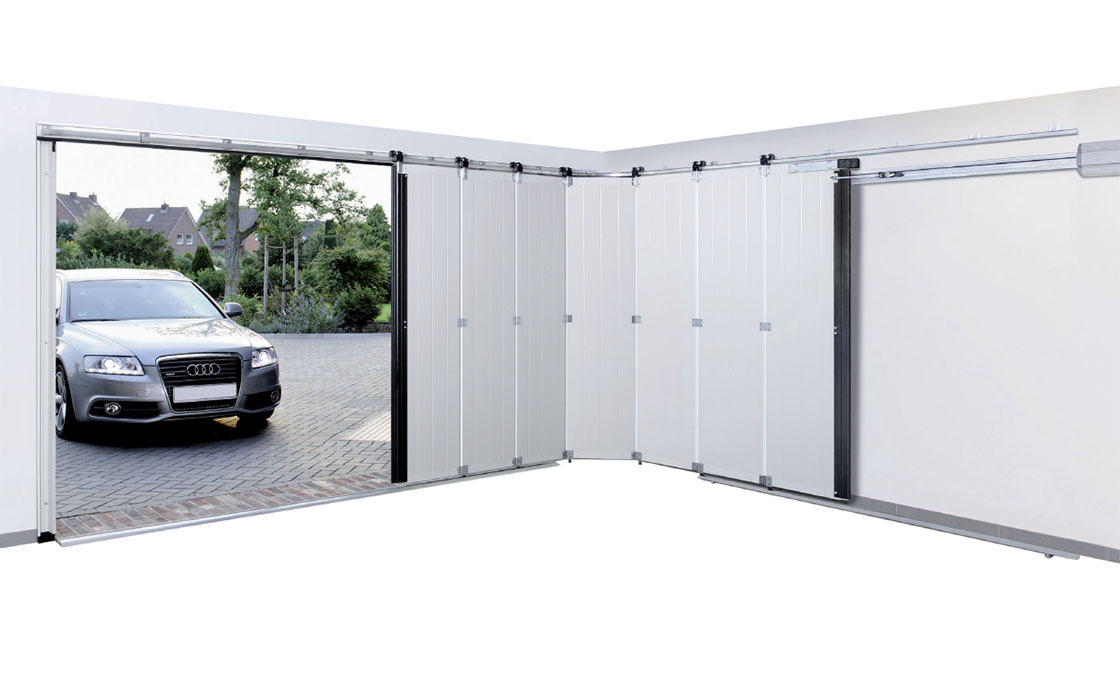
3. Dual-Axis Drop-and-Inward Sliding Track System
Heavy sliding cold storage doors do not travel flat against the wall; they utilize dual-axis kinematics to achieve hermetic sealing with zero gasket friction during horizontal movement.
Engineered 45-Degree Drop Notches
The overhead aluminum track features precision-machined 45-degree drop notches. As the door reaches the fully closed position, the roller carriages drop 10 mm vertically downward and move 8 mm horizontally inward. This dual-axis motion presses the perimeter rubber gaskets firmly against the door jamb and concrete floor.
Heavy-Duty Trolley Carriages and Floor Guide Shoes
Each sliding panel is suspended from dual trolley carriages equipped with high-load sealed ball bearings and high-molecular-weight nylon or stainless steel rollers. Concealed lower guide shoes maintain lateral alignment, preventing the door panel from swaying during high-speed forklift traffic.
When analyzing the mechanical components of a cold storage door, the lower floor guide channel plays an essential role. Heavy-duty aluminum floor guides feature self-cleaning angled profiles that eject accumulated frost flakes and warehouse dirt automatically during each transit cycle.
4. Multi-Chamber EPDM Perimeter Gaskets & Sweeper Seals
The gasket assembly establishes the physical airtight boundary preventing cold air leakage and moisture migration.
Virgin Multi-Chamber EPDM Formulations
Cold storage gaskets are manufactured from virgin multi-chamber EPDM (Ethylene Propylene Diene Monomer) rubber. Formulated with specialized low-temperature plasticizers, these profiles retain high elasticity and tear resistance across extreme temperature ranges from -45°C to +80°C.
Dual-Bulb Profiles and Snap-in Retaining Channels
The perimeter gasket utilizes a dual-bulb design that provides primary and secondary sealing redundancy. Mounted in snap-in aluminum retaining grooves, worn gaskets can be replaced within minutes without dismounting the heavy door panel from its overhead track.
5. Intelligent Perimeter Heating Cables & Defrost Elements
In sub-zero freezer enclosures, moisture in ambient air condenses on cold surfaces and freezes solid, bonding rubber gaskets to metal frames unless thermal energy is actively applied.
Self-Regulating Semiconductor Heating Cables
The heating assembly comprises self-regulating electric heating cables producing 25 to 35 W per linear meter. Installed in dedicated aluminum channels along the frame perimeter, the heating cable automatically adjusts its heat output. This smart regulation maintains the gasket contact surface at +5°C to prevent seal freezing.
Heated Two-Way Pressure Relief Ports
When warm air is ingested during door cycling, rapid cooling causes sharp internal pressure drops. Heated two-way pressure relief valves equalize internal and external air pressure at ±25 Pa differentials, preventing door frame vacuum-lock and wall panel deflection.
Additionally, modern heating systems incorporate electronic temperature controllers with dual RTD sensors. One sensor monitors ambient doorway humidity while the second measures threshold temperature, optimizing heater power consumption and cutting auxiliary electrical loads by up to 30%.
6. Heavy-Duty Cam-Lift Hinges & Locking Hardware
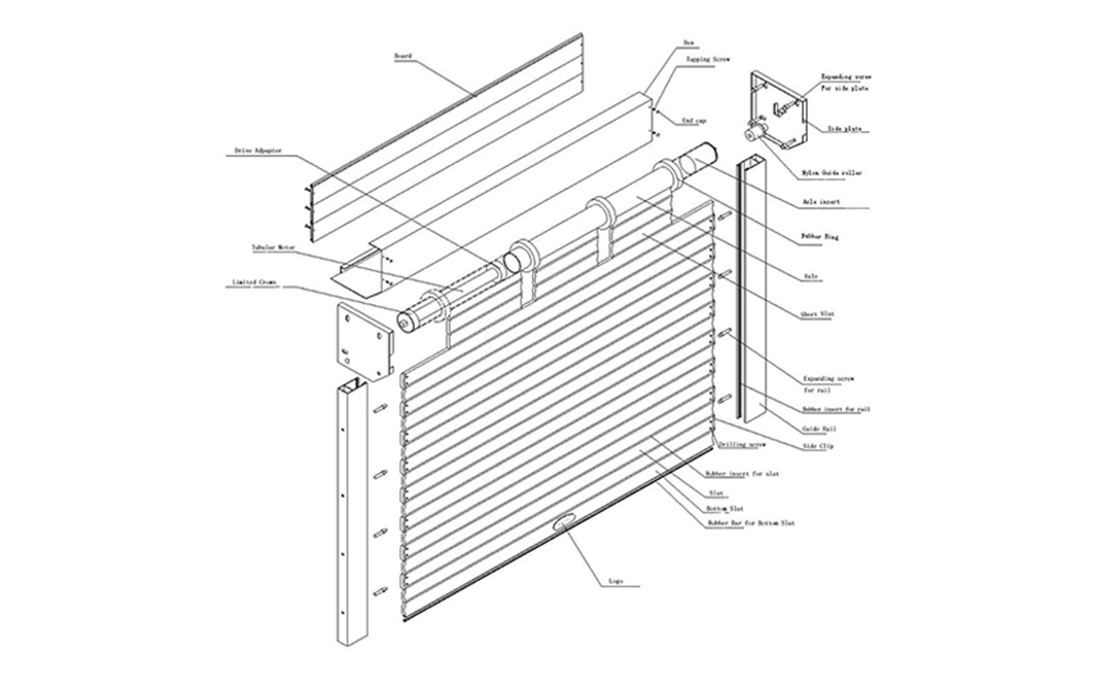
For hinged walk-in cooler and freezer doors, mechanical hinges and latches must ensure effortless operation while compressing dense perimeter gaskets.
Self-Lubricating Spiral Cam-Lift Hinges
Heavy-duty hinged doors utilize AISI 304 stainless steel or heavy chrome-plated die-cast zinc cam-lift hinges. As the door opens, an internal spiral cam lifts the door panel 12 mm vertically, lifting the bottom rubber sweeper seal off the floor. Upon closing, gravity lowers the door, compressing the sweeper gasket hermetically against the floor threshold.
Heavy-Duty Roller Strike Latches and Padlock Hasps
External latches feature adjustable spring-loaded roller strikes that securely pull the door leaf into full gasket compression. Latches incorporate integral padlock hasps, allowing facility managers to secure expensive pharmaceutical inventory or food stocks after operating hours.
Furthermore, evaluating what are the components of a cold storage door requires examining latch strike adjustability. High-grade latches allow technicians to fine-tune strike tension over time, compensating for minor gasket compression settling without requiring door leaf re-hanging.

7. Emergency Inside Safety Glow-in-the-Dark Release
Workplace occupational safety regulations mandate fail-safe escape mechanisms on all walk-in refrigerated enclosures to eliminate personnel entrapment hazards.
Mechanical Push-to-Release Strike Rods
The safety release mechanism consists of a solid stainless steel push rod extending through the insulated door leaf directly to the exterior latch. Pushing the internal release knob mechanically overrides the exterior latch, allowing trapped personnel to open the door even if it is padlocked on the outside.
Photoluminescent Glow-in-the-Dark Knobs
The internal push knob is constructed from high-grade photoluminescent polymers. In the event of a total facility electrical blackout, the luminescent knob glows brightly in complete darkness, allowing trapped personnel to locate and operate the exit release within seconds.
Furthermore, advanced commercial installations integrate micro-switch sensors directly into the internal emergency release assembly. When the emergency push rod is activated, the sensor instantly triggers an audible siren and transmits an urgent alert to the central facility management system, ensuring rapid rescue response.
8. Master Anatomy Matrix: Cold Storage Door Components
When analyzing what are the components of a cold storage door, the engineering specification matrix below outlines the primary materials, technical functions, and standard tolerances:
| Sub-Assembly Component | Engineering Material | Key Technical Function | Performance Standard |
|---|---|---|---|
| Insulated Door Leaf | 42-45 kg/m³ PIR core + 304 SS/Steel skins | Primary thermal barrier & structural face | U ≤ 0.18 W/m²K, EN 13501-1 B-s1,d0 |
| Thermal Break Frame | Extruded 6063-T5 + PA66 GF25 barrier | Eliminates perimeter thermal bridging | Zero surface condensation at 85% RH |
| Sliding Track System | Extruded aluminum + stainless steel rollers | Dual-axis drop-and-inward kinematics | 10mm vertical drop / 8mm inward stroke |
| Perimeter Gaskets | Virgin multi-chamber EPDM rubber | Four-sided hermetic airtight seal | Elastic from -45°C to +80°C |
| Anti-Frost Heaters | Self-regulating semiconductor heating cable | Prevents seal freezing and ice bonding | 25 to 35 W/m thermal output |
| Cam-Lift Hinges | AISI 304 stainless steel / die-cast zinc | Lifts leaf 12mm to reduce gasket wear | Over 500,000 operational cycles |
| Emergency Release | Stainless push rod + photoluminescent knob | Internal escape override for locked doors | EN 179 & OSHA entrapment compliance |
Safety regulations enforced by the Health and Safety Executive mandate regular testing of emergency inside release rods. Similarly, manufacturing guidelines from ISO recommend verifying heating cable continuity on commercial cold storage doors.
9. Engineering Sizing Consultation for Custom Cold Room Doors
Understanding what are the components of a cold storage door allows facility engineers to specify custom assemblies tailored to specific temperature differentials and traffic volumes. Reviewing core insulation thickness, thermal break dimensions, and hardware metallurgy before placing factory orders prevents costly field modifications.
Need technical assistance specifying cold storage door components?
If you are designing a refrigerated warehouse or configuring replacement hardware for walk-in freezer doors, the technical engineering team is available to review your clear opening dimensions, operating temperature requirements, and structural frame requirements to provide a fully optimized cold storage door solution.
Frequently Asked Questions About Cold Storage Door Components
What is the most important component of a cold storage door?
The high-density PIR insulation core and the polyamide (PA66) structural thermal break frame are the most vital components, preventing heat conduction and condensation.
How do drop-and-inward tracks work on sliding cold room doors?
The track features 45-degree drop notches that lower the door panel 10 mm vertically and press it 8 mm inward in the final closing stage to compress gaskets hermetically.
Why do freezer doors require internal safety release handles?
Internal safety release handles allow trapped personnel to override external padlocks and open the door from the inside, preventing life-threatening hypothermia.
What material is best for cold storage door perimeter gaskets?
Virgin multi-chamber EPDM rubber is the premier material, retaining complete mechanical elasticity, compression recovery, and seal integrity down to -45°C.
What is the function of a heated pressure relief port on cold rooms?
Pressure relief ports balance interior air pressure at ±25 Pa during door cycling, preventing door vacuum-lock and protecting insulated wall panels from deflection.