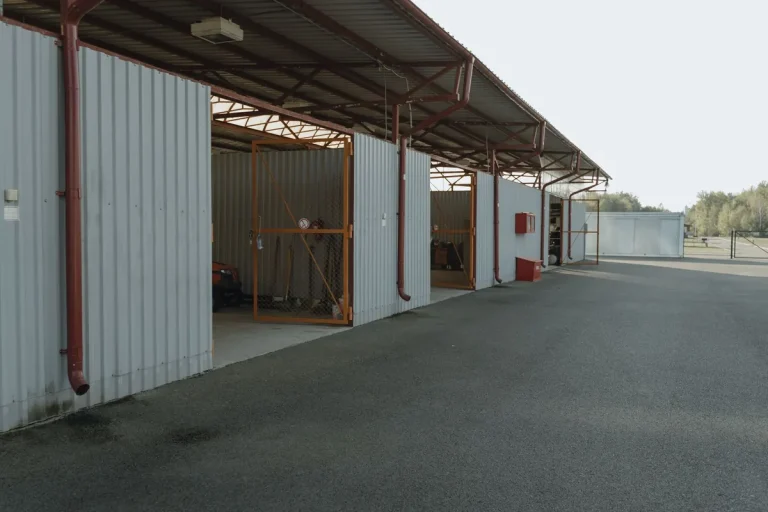
For many property owners and commercial facility managers, operating a manual overhead garage door remains a daily source of frustration. Struggling with heavy door panels during torrential rain, freezing snow, or dark late-night returns exposes drivers to uncomfortable weather and personal security risks. Furthermore, manual mechanical latch locks are notoriously vulnerable to simple crowbar pry attacks, leaving vehicles and stored assets exposed to opportunistic theft.
Upgrading to modern automated garage doors transforms daily building access from a cumbersome physical chore into a secure, effortless experience. In over two decades of factory manufacturing commercial entrance equipment and residential overhead systems, engineering teams have verified thousands of automated installations. Exploring the genuine engineering, security, and lifestyle benefits of installing automated garage doors reveals why automated entrance systems have become the modern standard for residential and commercial architecture.
1. Enhanced Perimeter Security and Anti-Forced-Entry Protection
Traditional manual garage doors rely on mechanical key tumblers and basic side slide-bolts. These basic latches can often be defeated in seconds using basic hand tools or by manipulating the top door release latch.
Automated garage door systems incorporate advanced mechanical and electronic security layers:
Electromechanical Motor Locking: When an automated door closes, the electric opener gearbox automatically locks the drive trolley and shaft in place. This creates a solid mechanical downward lock that prevents intruders from physically levering the bottom panel upward from the outside.
128-Bit Rolling Code Technology: Modern remote controls transmit a dynamic 128-bit encrypted signal that changes with every single button press. This algorithmic rolling code eliminates remote code grabbing and signal cloning by nearby thieves.
2. All-Weather Convenience and Smart Access Integration
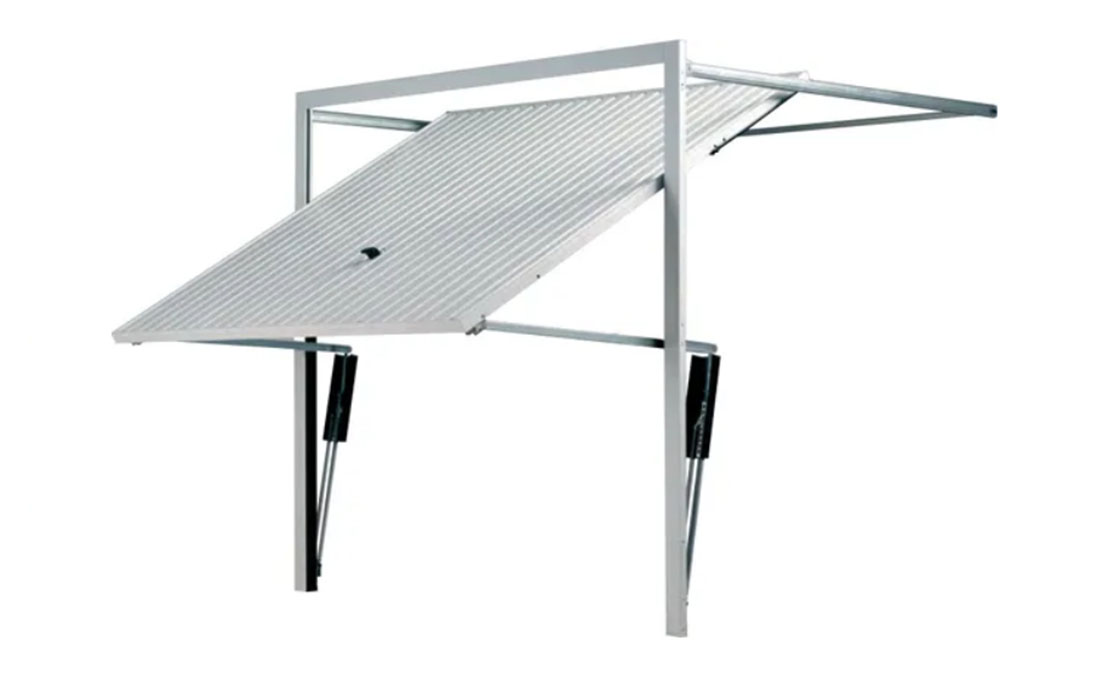
The most immediate lifestyle advantage of automation is seamless convenience. Drivers can open or close the door from inside their vehicle at the touch of a visor button or smartphone screen, avoiding cold winds and heavy downpours.
Modern automated garage door systems integrate with smart home and building management platforms:
Mobile App Control and Monitoring: Property owners can check door status and receive real-time alerts. They can also operate the door remotely to grant temporary access to couriers or maintenance staff.
Automated Geofencing and Timed Close: Smart controllers can automatically open the door as your vehicle approaches the driveway. They also ensure the door locks shut if left open past a set timer.
3. Active Personnel Safety and Force-Sensing Reversing Systems
Heavy manual garage doors present serious pinch-point and crush hazards, especially if an overhead counterbalance spring snaps while a user is pulling the door downward.
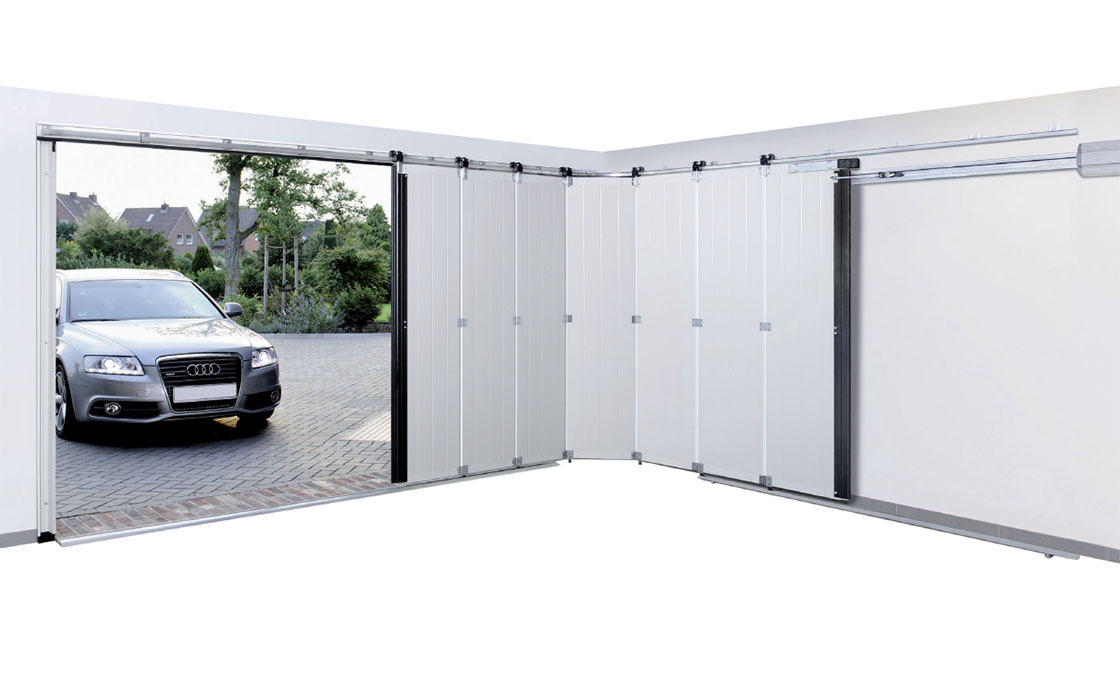
Compliant with international machinery safety directives European CE EN 13241 and workplace guidelines from the Health and Safety Executive, automated garage doors incorporate multi-layered safety mechanisms:
Infrared Safety Beams: Dual optical photocells projected across the threshold instantly detect pets, children, or vehicles in the doorway path. The system stops and reverses downward travel before physical contact occurs.
Electronic Torque Force Sensing: If the descending door meets unexpected resistance, the intelligent DC motor controller senses the current surge in milliseconds. It instantly reverses the door back to the open position.
Looking to Upgrade to an Automated Garage Door System?
Send your clear opening dimensions, headroom clearance, and panel finish preferences to the engineering team for custom layout recommendations and factory-direct pricing.
4. Thermal Efficiency and Weather-Sealing Integration
Manual doors frequently suffer from uneven manual closing, leaving slight gaps along bottom floor thresholds and side jambs that let in cold drafts, wind-blown debris, and pests.
Automated garage doors apply continuous, calibrated closing pressure that compresses bottom EPDM rubber seals tightly against uneven concrete floors. When combined with insulated 40 mm polyurethane foam-injected panels (U-value 0.33 W/m2K), automated closures prevent thermal bridging, keeping attached garages and living spaces warm while lowering seasonal HVAC utility bills.

5. Property Value and Curb Appeal Enhancement
A garage door represents up to 40% of a residential building’s visible front facade. Upgrading from a dated, manual door to a motorized architectural sectional door significantly boosts overall curb appeal.
Modern DC belt-drive and direct-shaft openers operate almost silently below 55 dB, eliminating the rattling metal vibrations associated with older chain drives. Real estate valuation studies consistently rank automated door upgrades among the highest-ROI home improvement projects. Property owners often recover over 90% of installation costs upon resale.
6. Automated vs Manual Garage Doors: 10-Year Lifecycle Comparison
To assist property owners in evaluating the long-term investment value, the comparison matrix below outlines the practical differences between automated and manual garage door systems:
| Performance Feature | Automated Motorized Garage Door | Traditional Manual Garage Door |
|---|---|---|
| Physical Effort Required | Zero effort (Remote / Smartphone / Sensor) | Manual lifting (Strains back & shoulders) |
| Forced Entry Resistance | High (Automatic electromechanical motor gearlock) | Low (Vulnerable mechanical latch lock) |
| Anti-Crush Protection | Active (Infrared photocells & torque auto-reverse) | None (Risk of heavy uncontrolled downward drop) |
| Weather Comfort | Complete (Operate from inside vehicle) | Poor (Must step into rain, snow, or dark) |
| Operating Sound Level | Ultra-quiet (<55 dB with smooth DC belt drive) | Noisy (Manual track rattle and slam) |
| Impact on Property Value | High resale appeal (>90% cost recovery) | Neutral to negative buyer perception |
Quality guidelines from the ISO International Organization for Standardization emphasize that automated perimeter closures provide superior access consistency and structural longevity.

7. Selecting the Right Automation System for Your Facility
Understanding the practical benefits of installing automated garage doors highlights the value of long-term security, thermal comfort, and daily convenience. When configuring a new automatic door, prioritize quiet DC belt-drive motors, certified optical safety sensors, and heavy-gauge insulated polyurethane panels to maximize long-term performance.
Evaluating garage door automation options for an upcoming project?
When planning a new garage opening or retrofitting an existing manual door, the engineering team is available to review your clear dimensions, lintel headroom, and motor torque requirements. This ensures you select the optimal automated setup for your facility.
Frequently Asked Questions About Automated Garage Doors
What are the main benefits of installing automated garage doors?
The primary benefits include all-weather convenience, enhanced anti-pry security via motor gearlocks, active infrared safety reversing, airtight thermal insulation, and strong property resale value.
Can an automated garage door be opened during a power outage?
Yes. All automated garage openers feature an emergency manual release cord that disengages the drive carriage, allowing the balanced door to be lifted easily by hand during power outages.
Are automated garage doors safer than manual doors?
Yes. Automated doors incorporate active infrared photocells and electronic force-sensing auto-reverse systems under EN 12453 codes, preventing crush injuries and eliminating heavy manual spring strain.
How much electricity does an automated garage door opener consume?
Modern energy-efficient DC garage openers consume under 5 watts in standby mode. During active opening and closing cycles, typical annual electrical operating costs remain under $15 per year.
Can an existing manual garage door be converted to automatic?
Yes. Most existing sectional or up-and-over garage doors in good mechanical balance can be retrofitted with an overhead belt or shaft electric opener within a few hours.