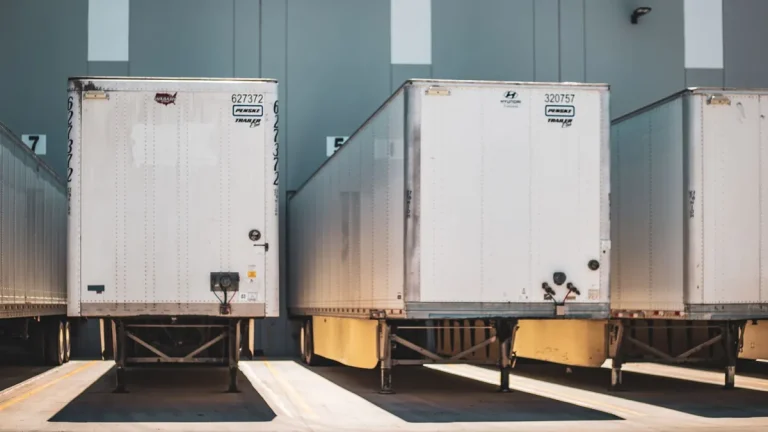
Peak season, and a dock leveler stops mid-cycle with trailers queuing outside. The supervisor pulls the maintenance log and finds the last line was written two years ago. Nothing in the pit was hiding the problem; the routine simply never existed, so small wear ran unchecked until the platform quit.
We manufacture both hydraulic and mechanical dock levelers. The failures we see at the factory edge of a warranty call almost always trace back to a routine that drifted. This page is the dock leveler maintenance checklist our own engineers would hand a facility manager. It sets the intervals, splits the tasks by machine type, sorts faults from replacement lines, and puts the safety rules and records in writing.
What a Dock Leveler Maintenance Routine Covers
A leveler is the one piece of dock equipment that gets driven over all day, every day. Its deck takes impact loading, its lip takes the trailer bed, and its pit collects everything the floor sweeps into it. That duty is why dock leveler maintenance is a schedule, not a reaction: five things, done on fixed intervals.
The five are cleaning, lubrication, inspection, safety verification and documentation. Cleaning keeps debris out of the pit and off the hinge lines, and lubrication protects pivot joints, hinge tubes and other rust-prone points. Inspection catches cracks, wear and drift early.
Safety verification proves that the feature which stops a platform from falling still works. Documentation turns all of it into a record a warranty clerk or an auditor will accept. A dock leveler maintenance checklist is simply these five verbs, each with an owner and a date.
It helps to name the anatomy once. A pit-style leveler has a deck plate that carries the traffic, a lip that reaches out to the trailer bed, and hinges that let both move. The pit frames them, and the actuator does the lifting: a pump, cylinder and valves on a hydraulic unit, or a spring-and-linkage set on a mechanical one. Every task in this dock leveler maintenance checklist points at one of those parts, so a crew always knows what a line item is protecting.
Everything below hangs off those five verbs. If your current program cannot say who does which verb on which day, the schedule in the next section is the fix.
The Interval Matrix: Daily to Annual Tasks
Intervals exist because parts wear at different speeds. Debris and odd noises show up in hours; grease starvation shows up in weeks; fluid contamination and hold-down wear show up in months. The matrix below gathers the tasks the service industry agrees on, with the acceptance check for each line.
| Interval | Task | Acceptance check |
|---|---|---|
| Daily (operator) | Clear debris from pit, deck and lip hinge area; cycle the leveler through full travel; look for fluid pooling under hydraulic units | Full travel in one smooth motion, no grinding or stuttering, dry pit floor |
| Weekly | Lubricate pivot joints, hinge tubes and lip hinges; check bumper contact and face condition | Grease present at each point, no dry or rusted pin, bumper flush against trailer |
| Monthly | Check hydraulic fluid level and color; test safety devices and interlocks; check hold-down tension and ratchet teeth | Fluid clear to amber at mark, safety strut engages, pawl seats without slipping |
| Annual | Full inspection, clean and flush hydraulic oil, torque and weld check, professional service visit | Written report on file, worn parts replaced, leveler passes a full load test |
Scale the deep-service interval to traffic. Service companies recommend quarterly service for high-traffic docks, twice a year for moderate use, and annually for low-traffic facilities. A thorough examination about every 90 days is a common guideline for single-shift operation. The daily row stays daily regardless, because it costs each operator two to three minutes.
A word on what a cycle means, because it anchors the daily row. One cycle is a full trip: platform rises, lip extends, platform lowers, lip retracts, deck returns to storage. Running one full cycle at the start of a shift proves the whole path works before the first forklift tests it. It takes less time than unlocking the office door.
Ownership matters as much as timing. The daily row belongs to the dock operator. The weekly and monthly rows belong to your maintenance technician, and the annual row to a professional crew with the right test gear. Dock leveler maintenance programs fail quietly when every row quietly becomes nobody’s row, so put a name against each line before the year starts.
What Inspection Looks For on the Deck and Pit
Inspection is systematic looking, not a glance. On the deck plate you are reading for cracks, warping and tired welds, and checking that the deck sits level in its stored position with no visible gaps. Manufacturer checklists put it in the same breath: clean debris from the pit, inspect the deck and lip, inspect toe guards and weather seals.
The lip deserves its own minute. It should extend and retract smoothly, without catching. Its hinge line should be cleaned and inspected with the leveler below dock, the way hydraulic PM checklists from the manufacturers write it. A bowed or bent lip never seats on a trailer bed correctly, so the damage shows up next as bouncing forklifts.
Around the pit, read the concrete and the steel together. Look at the pit walls and floor for corrosion and standing water, and check the angles, welds and pins that tie the frame into the building. Inspect the dock bumpers while you are there, because worn bumpers pass impact straight into the leveler instead of absorbing it.
Write measurements down rather than impressions. Deck position, lip travel and fluid condition are all comparable month to month only if last month’s numbers were recorded. A short note per inspection line gives you a trend, and a trend is what turns dock leveler maintenance from a memory exercise into a forecast.
Hydraulic Leveler Care: Fluid, Hoses and Cylinders
A hydraulic leveler stores its energy in oil under pressure, so its maintenance centers on the fluid circuit. Check the level monthly at minimum through the sight glass or dipstick. Clear to slightly amber is healthy fluid; dark, cloudy or milky fluid means contamination, and contamination is a flush-and-replace signal, not a top-up-and-wait one.
Once a year the oil should be cleaned, flushed and changed as the manufacturer recommends. While you are at the reservoir, run a hand along the hoses, pipes and fittings reading for damage, leaks, wear, bulges and kinks. Fluid pooling under the platform is a seal or hose complaint waiting to become a no-lift complaint.
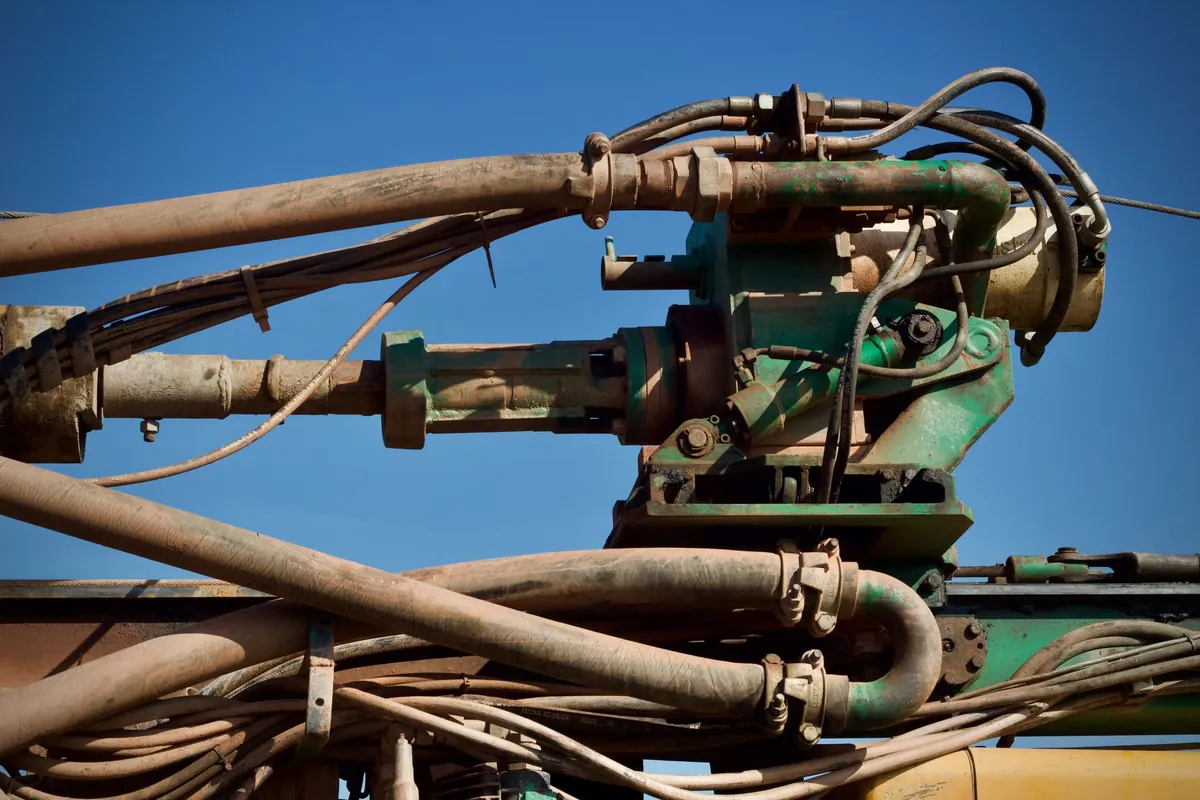
Slow or jerky travel has three usual suspects: low fluid, a blocked filter strangling pump output, or trapped air in the circuit that needs bleeding. Speed itself is a gauge, which is why the daily cycle matters. A platform that raises slower than it did last month is telling you the pump side needs attention. The pump, cylinder and valve vocabulary behind these checks is explained in our guide to how a hydraulic dock leveler works.
Seasons show up in the oil too. Cold weather thickens hydraulic fluid and stiffens seals. A leveler that sits idle over winter deserves a slow first cycle and a leak check before its first shift. A platform that drifts down while parked points at a leaking valve or seal, and that is a technician’s call, not a top-up.
Mechanical Leveler Care: Springs and Hold-Downs
A mechanical leveler stores its energy in springs that are always under pressure, which changes both the task list and the risk. Springs are sensitive to heat and cold, so they need adjustment as seasons change, and they ask for replacement more often than any hydraulic wear part. A broken spring takes the leveler out of service immediately and should be replaced by a professional, because of the tension involved.
The hold-down assembly is the other consuming item. A worn pawl or loose ratchet lets the platform slip, which crews notice as a leveler that pops up when unloaded or will not stay down. Keep the ratchet bars lubricated and read the teeth: rounded or chipped pawl teeth are the mechanical twin of a leaking hydraulic valve.
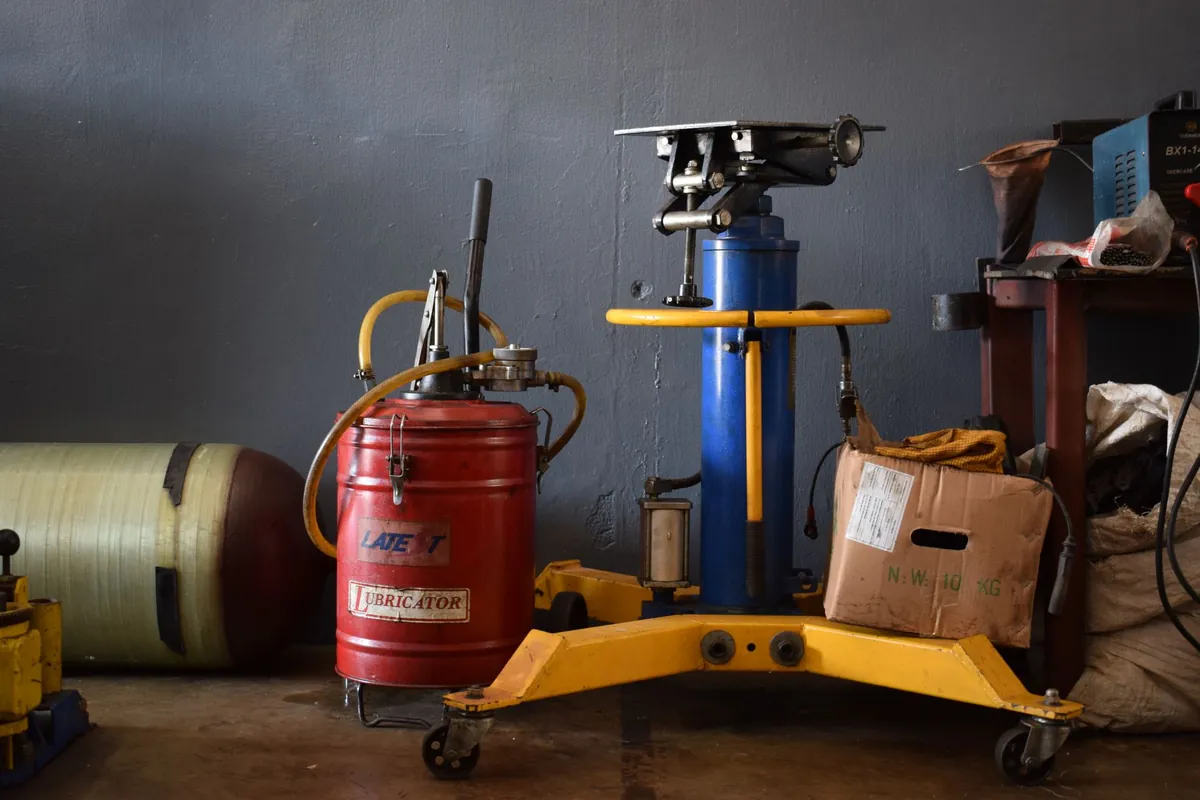
Spring weather gets its own line on the checklist. When temperatures swing, re-check the spring balance and the hold-down adjustment, because a setting that held in January will pull differently in July. Neither machine type is objectively needier; they leak in different currencies. The hydraulic unit spends fluid and seals, the mechanical unit spends spring tension and hold-down teeth. Our comparison of hydraulic vs mechanical dock levelers covers how the two storage designs differ, and the maintenance split above is the practical consequence of that difference.
Fault, Action and Replacement Lines
Most leveler complaints collapse into a short list, and each fault has a first check that costs nothing. The table pairs the symptom with the action, and, more importantly, with the line where repair stops making sense.
| Fault | First checks | Repair or replace line |
|---|---|---|
| Won’t rise or lower | Debris in pit or mechanism; power and fuses; fluid level; pump and motor response | Broken main spring or snapped hold-down cable: professional replacement |
| Pops up or won’t stay down | Inspect hold-down pawl and ratchet teeth; check hydraulic valve for drift | Rounded teeth or worn pawl: replace the hold-down parts |
| Slow or jerky travel | Fluid level and color; filter; bleed trapped air; listen for pump strain | Worn pump or scored cylinder: technician assessment |
| Lip won’t extend | Clean and lubricate the lip hinge; check tension springs and extension mechanism | Bent or warped lip: replacement, not straightening |
| Fluid on the pit floor | Trace to seals, gaskets, fittings or hoses; top-up is temporary only | Fix the leak source; a platform that lifts when driven over is done |
Two habits make the table work. First, fix the cheap thing on the spot: debris, dry hinges and low fluid cause most complaints, and they cost minutes. Second, log every fault even when the fix is small. A leveler that needed the same check three times in a quarter is telling you a part is wearing out, not that your crew is careless.
Replacement deserves its own line in writing. Vendor guidance lists the classic replace signals: a warped deck, a bent lip, a platform that lifts when driven over, and a unit past its loading requirements. The same source puts a hydraulic leveler’s service life at about ten years. Those lines are a vendor guideline rather than a standard, but the logic holds everywhere. When the structure is wrong or the repairs stop holding, put the money into the platform instead of the work orders.
That moment is also the upgrade conversation, and it is cheaper to have it before the failure. If your dock is weighing a replacement, our hydraulic dock leveler page carries the current specifications. Pairing the new unit with fresh dock protection is what keeps its first decade honest.
Safety Rules and Maintenance Records
Safety rules come before task lists, because a leveler is a moving platform over a pit. Only trained personnel service a dock leveler; operator checks stay visual, and anything past that belongs to trained hands. Before anyone works on or under a raised platform, it must rest on its safety strut or maintenance props, never on hydraulic pressure alone. Work equipment of every kind must be maintained by trained, competent people and kept in safe working order, as the UK work equipment guidance puts it.
The second half of this section is the part most programs skip. Every task line in the matrix needs a record row: date, name, reading or result, and what was done. The record is not bureaucracy. A warranty claim, an insurance inspection and an incident review all ask for it first. It is also how recurring faults finally become visible as a pattern instead of a surprise.
Training closes the loop. Operators should know what the daily row covers and where their authority stops. Maintenance technicians should know the monthly rows and the machine differences. The professional crew should hand over a written report after the annual visit, so it files with the rest. Refresher walks after staff changes keep the boundary sharp, because an untrained hand on a raised platform is the one mistake this page cannot fix after the fact.
A useful record row is short: date, leveler number, task, reading, result, initials. A line that reads grease added, lip hinge, no wear is worth more than a tick, because the next inspector can compare it against what they find. Keep those records where the next shift can find them.
Keep the parts question in the same file. When a seal, spring or lip hinge needs replacing, speed matters. A maker who ships warranty spare parts in five to seven days turns a two-day dock closure into a scheduled hour. That is the difference between having a manual and having a supplier.
Sourcing Parts Matched to Your Levelers
Leveler parts are not generic. Hinge pins, lip springs, hold-down ratchets and seals vary by model and by year, and a near-miss part wears its neighbors unevenly. Sourcing from the manufacturer of the machine keeps the specification exact. That is why we keep the loading-dock-systems family under one engineering roof: seventeen products, from hydraulic and mechanical levelers to seals, shelters and bumpers.
For buyers building or refitting docks, the same logic covers the paperwork. Our plant runs ISO 9001:2015 with CE EN 13241 and EN 12453 certification, and we have manufactured since 1999 and exported to more than 70 countries. There is no MOQ, and as the maker we ship parts rather than send installers. One source for the machine and its wear parts is one throat to choke when a dock position stalls.
Budget the same way you schedule. A planned hour of grease, oil and inspection is a rounding error. Compare it with an emergency call-out, an expedited part and a dock position that ships nothing while it waits. Facilities that treat the annual row as a line item, rather than a surprise, spend less across the life of the machine even before the downtime math starts.
A maintenance program earns trust slowly and loses it in one unread line. The matrix tells your crews what to do; the records prove they did it. In the end, the last line of the maintenance log is the truest specification sheet your dock leveler will ever have. The opening scene of this page is what its absence costs at peak season.
Frequently Asked Questions
How often should a dock leveler be serviced?
Scale the schedule to traffic: quarterly for high-traffic docks, twice a year for moderate use, annually for low traffic. A thorough examination about every 90 days suits single-shift operation.
What should a daily dock leveler check include?
Clear debris from the pit and deck, keep the lip hinge area free of obstructions, and cycle the leveler through full travel listening for odd noises. Look for fluid pooling under hydraulic units too.
What maintenance does a hydraulic leveler need that a mechanical one does not?
Fluid and leak care: monthly level checks, annual oil changes, and hose and fitting inspections. A mechanical leveler instead needs spring checks and hold-down ratchet and pawl service.
When should a dock leveler be replaced instead of repaired?
When the deck is warped, the lip is bent, or the platform pops up under load. Or when a hydraulic unit nears the end of its service life and repairs stop holding.
Who is allowed to service a dock leveler?
Trained personnel only. Routine operator checks stay visual, and any work under a raised platform requires safety struts or props, never hydraulic pressure alone.