Evaluating automatic vs manual garage doors is a core architectural decision for commercial property managers and homeowners. Manually lifting a heavy garage door daily causes physical strain and delays during bad weather. In contrast, motorized openers require electrical power and occasional motor servicing.
Both door designs offer distinct operational advantages depending on your daily traffic frequency and project budget. Drawing from our factory testing protocols across commercial and residential openers, 24V DC belt-drive operators maintain noise levels below 45 dB. Combined with oil-tempered torsion springs, these systems deliver smooth motorized performance rated for over 20,000 duty cycles.
At a Glance: How Automatic vs Manual Garage Doors Differ
The core difference between these two entrance systems lies in the drive mechanism. A manual garage door relies entirely on physical human effort assisted by a counterbalance spring assembly. You manually lift the door handle or pull a chain hoist to operate the curtain.
An automatic garage door integrates an electric motor operator, drive rail, and wireless control receivers. With the push of a remote control button, wall switch, or smartphone app, the motorized trolley glides along the overhead track to lift or lower the door automatically.

Daily Convenience and Traffic Flow
Convenience is the primary reason building owners select motorized garage door systems. Driving directly into a facility without stepping out into freezing rain, snow, or dark parking lots provides immediate security and comfort.
For commercial warehouses and busy auto repair shops, automated doors prevent traffic bottlenecks. Forklift operators and delivery drivers can activate door openings using microwave radar sensors or long-range remote fobs without dismounting.
Manual doors require you to stop, exit your vehicle, unlock the exterior latch, and physically lift the door panel. This manual process takes extra time and becomes inconvenient during high-frequency daily use.
Upfront Purchase Cost vs Long-Term Maintenance
Budget planning requires evaluating both initial purchase expenses and ongoing preventative maintenance costs across the full product lifespan.
Initial Hardware and Installation Expenses
Manual garage doors have a significantly lower upfront purchase price. Because they eliminate electric motors, wiring conduits, drive tracks, and optical safety sensors, the initial equipment cost is roughly 30% to 50% lower than an automated package.
Automatic garage doors require investing in a dependable electric opener, mounting brackets, control keypads, and professional electrical wiring. However, automated systems often add measurable resale value to commercial and residential properties.
Routine Servicing: Motors vs Torsion Springs
Manual garage doors feature fewer moving mechanical components. Primary maintenance involves periodic lubrication of roller bearings, side hinges, and spring coils certified under ASTM international hardware standards.
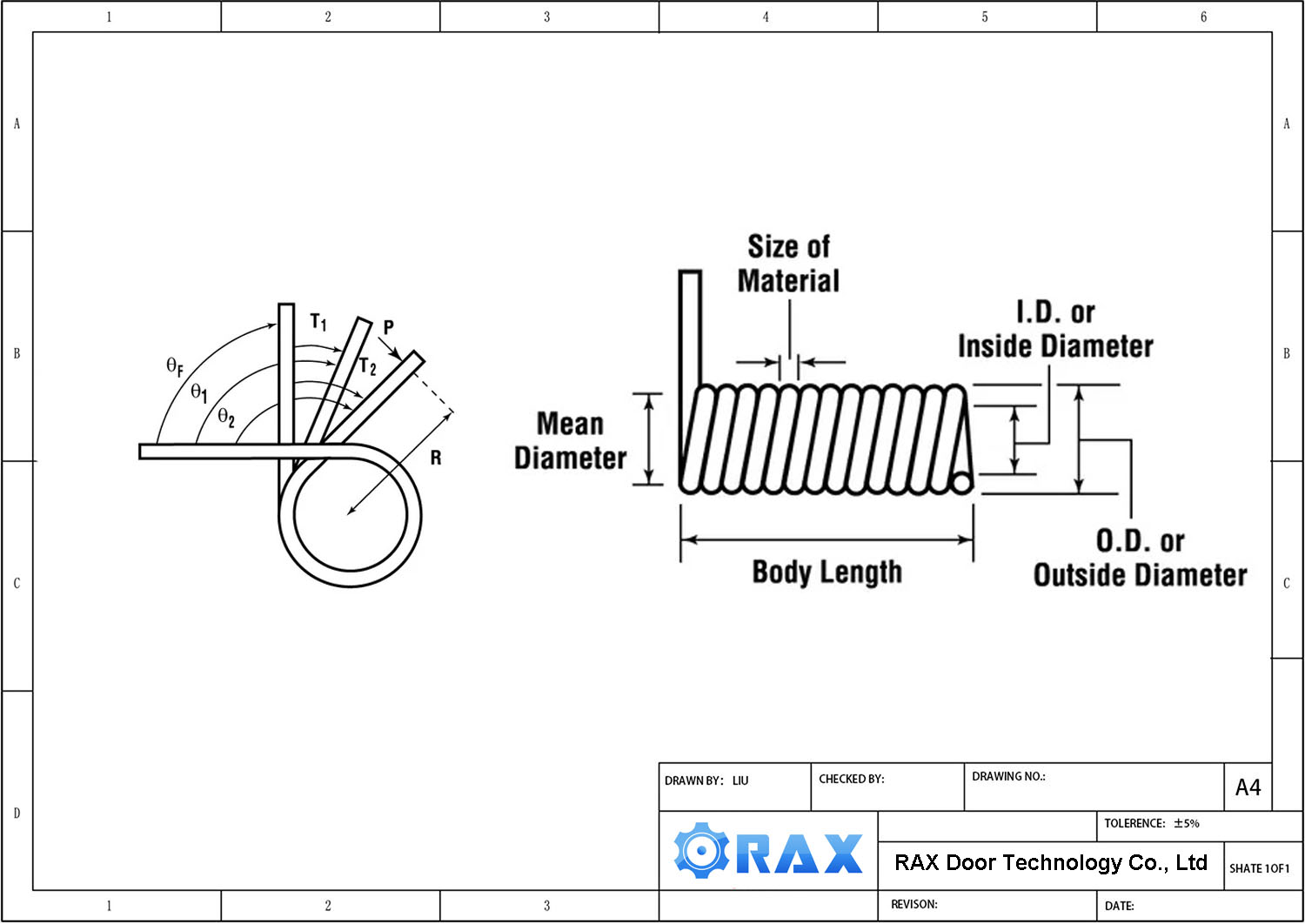
Automatic doors require routine checks of motor drive gears, drive belt tension, limit switches, and electronic circuit boards. Both door types rely on heavy-duty torsion springs that require professional tension adjustment after thousands of operating cycles.
Safety Systems and Property Security
Safety and burglary prevention are critical considerations when choosing between manual and electric entrance solutions.
Infrared Obstruction Sensors vs Manual Slide Locks
Automated garage doors must comply with strict international safety standards, including UL 325 and CE EN 13241 regulations. Standard packages include dual photo-eye infrared safety sensors mounted near the floor.
If a person, pet, or vehicle interrupts the invisible optical beam while the door is closing, the motor instantly stops and reverses travel within 0.2 seconds. Manual doors lack automated sensors, requiring operators to visually inspect the doorway before closing.
Smart Access Control and Anti-Burglary Protection
Motorized operators act as positive mechanical locks when closed. The motor gearbox resists upward lifting force, preventing intruders from prying the door open from the outside.
Modern automated openers also feature rolling-code radio technology and smartphone app integration. Property owners receive instant mobile alerts if a door is left open and can monitor access logs remotely.
Manual doors rely on physical slide bolts or keyed center lock handles. While sturdy, manual locks can be forgotten, leaving the facility vulnerable if someone fails to lock the door manually.
We engineer premium insulated sectional garage doors, heavy-duty torsion springs, and whisper-quiet 24V DC belt-drive operators. Get direct factory pricing, CAD drawings, and global export crating.
What Happens During a Power Outage?
A frequent concern among buyers considering automatic systems is power loss. If severe weather or grid failures cut electrical supply, how do you open the door?
All certified automatic door openers feature an emergency manual release cord (typically with a red handle). Pulling this cord disengages the motorized trolley from the drive carriage in one second.
Because the door curtain is precisely counterbalanced by torsion springs, a person can easily lift the door by hand with minimal effort. Many modern openers also support an optional 24V backup battery pack, ensuring normal motorized cycling for up to 24 hours during outages.
Can You Convert a Manual Door to Automatic Later?
Yes. If you currently have a manual garage door, you can easily retrofit an electric motor operator later without replacing the entire door curtain.
Before adding an electric opener, verify that the existing door curtain is well-balanced. When lifted halfway by hand, the door should stay in place without sliding down or snapping upward.
If the door feels heavy or sticks along the side tracks, inspect the torsion springs and track alignment first. Adding a motor to a poorly balanced manual door will cause premature motor gear failure.
For guidance on door curtain mass and spring sizing, review our engineering article on aluminum rolling shutter weight.
Side-by-Side Comparison: Automatic vs Manual Garage Doors
To help you determine which entrance setup aligns best with your operational demands, review this side-by-side feature comparison:
| Feature & Parameter | Automatic Garage Door | Manual Garage Door |
|---|---|---|
| Operating Method | Remote, wall switch, smartphone app | Physical hand lift or chain hoist |
| Daily Convenience | High (Drive-in access without stopping) | Moderate (Requires manual exit and lift) |
| Initial Upfront Cost | Higher (Includes opener and wiring) | Lower (Hardware and door curtain only) |
| Power Dependence | Requires AC power or battery backup | Zero electrical power needed |
| Active Safety Sensors | Yes (Infrared photo-eye obstacle reversal) | No (Relies on operator visual caution) |
| Locking Mechanism | Automatic motor gearbox hold-down | Manual slide bolts or keyed lock |
| Mechanical Lifespan | 15,000 to 25,000 motor cycles | 20,000+ counterbalance spring cycles |
How to Choose the Right Door for Your Facility
Deciding between automatic vs manual garage doors depends on usage frequency, budget limitations, and security expectations. For main vehicle bays and daily commercial parking facilities, automated doors provide unmatched convenience and time savings.
For secondary storage outbuildings, farm sheds, or facilities without reliable electrical service, heavy-duty manual doors offer dependable operation with minimal maintenance. Selecting a manufacturer compliant with ISO 9001 quality standards guarantees long-term entrance reliability.
For advice on choosing certified manufacturers, see our detailed guide on selecting an aluminum roller shutter supplier.
When planning garage door openings or motor retrofit projects, our technical team is ready to assist. We offer complimentary CAD drawing reviews, torsion spring weight calculations, and motor power recommendations.
Frequently Asked Questions About Garage Doors
Can you open an automatic garage door if the power goes out?
Yes. Pulling the red emergency manual release cord disengages the motor trolley instantly. Balanced torsion springs allow you to lift the door by hand with minimal effort.
How long do garage door automatic openers typically last?
Quality residential and commercial electric openers provide a service life between 10 and 15 years, supporting over 15,000 to 20,000 operating cycles with routine maintenance.
Are automatic garage doors safer than manual doors?
Yes. Automatic doors include infrared photo-eye sensors that automatically stop and reverse door travel if an obstruction is detected, significantly reducing pinch and crushing risks.
Can any manual garage door be converted to electric?
Most sectional and roll-up manual doors can be retrofitted with an electric opener, provided the door panels are structurally sound and the torsion counterbalance is properly balanced.
What type of opener drive is the quietest?
Belt-drive garage door openers powered by DC motors are the quietest option. They operate below 45 decibels, making them ideal for garages located beneath living spaces.