Installing low-grade insulated barriers in commercial refrigeration facilities frequently leads to catastrophic operational failures. Facility managers often battle severe ice build-up around door jambs and torn perimeter gaskets. In low-grade installations, delaminated panel skins and continuous compressor overload occur within the first two years.
Identifying the essential features of a high-quality cold room door requires examining core foam density, structural thermal breaks, precision gasket formulations, and active perimeter heating systems. In over two decades of engineering heavy-duty entrance solutions and custom cold room doors, field engineering teams have analyzed thousands of refrigerated facility installations. Understanding these eight critical engineering features enables facility designers to specify a high-performance thermal barrier that preserves strict temperature zones, eliminates frost formation, and cuts refrigeration energy costs.
1. High-Density High-Pressure Injected Thermal Core (PIR/PU)
The foundation of any superior cold storage door is its insulating core formulation and manufacturing density.
High-Pressure Foaming Density and Void-Free Lamination
Budget cold storage doors often rely on manually glued expanded polystyrene (EPS) or low-pressure hand-poured foam, creating internal voids that trap moisture and lead to internal rotting. High-quality doors utilize computerized high-pressure injection of closed-cell polyurethane (PU) or polyisocyanurate (PIR) foam at a continuous density of 42 to 45 kg/m³. This high-density core achieves a low thermal conductivity of λ = 0.020 to 0.022 W/mK. It delivers thermal resistance values (U-values) down to 0.18 W/m²K on 120 mm to 150 mm freezer door panels.
Fire Retardancy and Commercial Compliance
For large-scale food distribution hubs and pharmaceutical warehouses, fire safety compliance directly impacts insurance premiums. Premium cold room doors incorporate PIR formulations achieving EN 13501-1 Class B-s1, d0 fire retardancy ratings. Under direct flame exposure, the PIR core forms a protective carbonaceous char layer that halts flame spread and minimizes smoke emission.

2. Comprehensive Thermal Break Frame Architecture
A heavily insulated door leaf is completely ineffective if the surrounding frame conducts heat directly into the refrigerated chamber.
Polyamide (PA66) Structural Thermal Barriers
Standard metal frames act as thermal bridges, creating continuous sweat condensation and frost buildup on the warm exterior wall. High-quality cold room door frames feature heavy-gauge extruded aluminum jambs separated by 24 mm to 34 mm structural polyamide (PA66 GF25) thermal barrier strips. This structural isolation mechanically disconnects the warm exterior aluminum profile from the sub-zero interior extrusion.
Integrated Flush Floor Threshold Profiles
At the floor level, where pallet jacks and heavy forklifts traverse constantly, high-grade door systems incorporate heavy-duty stainless steel threshold profiles with embedded thermal breaks. These flush floor plates withstand high wheel point loads while preventing sub-floor frost heave from buckling the concrete foundation.
Looking for High-Performance Cold Storage Doors?
Submit your facility temperature differential, clear opening dimensions, and daily traffic frequency to the engineering team for custom panel thickness sizing and CAD drawings.
3. Smart Self-Regulating Anti-Freezing Heating Cables
In sub-zero frozen storage environments (-18°C to -35°C), ambient humidity condenses on cold surfaces and turns to solid ice within minutes.
Dual-Circuit Perimeter Frame and Threshold Heaters
Premium freezer doors incorporate self-regulating semiconductor electric heating cables running inside dedicated aluminum channels along the four-sided frame perimeter. Operating at 24V DC or 230V AC, these cables deliver 25 to 35 W per linear meter. The system automatically adjusts thermal output based on ambient temperature, keeping the gasket contact surface above the dew point (+5°C) to prevent ice bonding.
Internal Pressure Relief Port Heating
Rapid temperature changes during door cycling create internal air pressure drops that can vacuum-lock doors shut or buckle insulated wall panels. High-quality cold storage installations include two-way heated pressure equalization valves that balance interior air pressure without allowing unheated moisture infiltration.
4. Low-Temperature Multi-Chamber EPDM Gasket System
Sealing integrity represents the primary defense against refrigerated air loss and humidity ingress.
Virgin EPDM Formulation and Elasticity Retention
Low-cost PVC seals stiffen, crack, and lose elasticity when exposed to sub-zero temperatures. High-grade cold room doors use virgin multi-chamber EPDM (Ethylene Propylene Diene Monomer) rubber gaskets. Formulated with specialized plasticizers, these gaskets maintain complete mechanical elasticity, high tear resistance, and rapid compression recovery across extreme temperature ranges from -45°C to +80°C.
Co-Extruded Dual-Bulb and Magnetic Seals
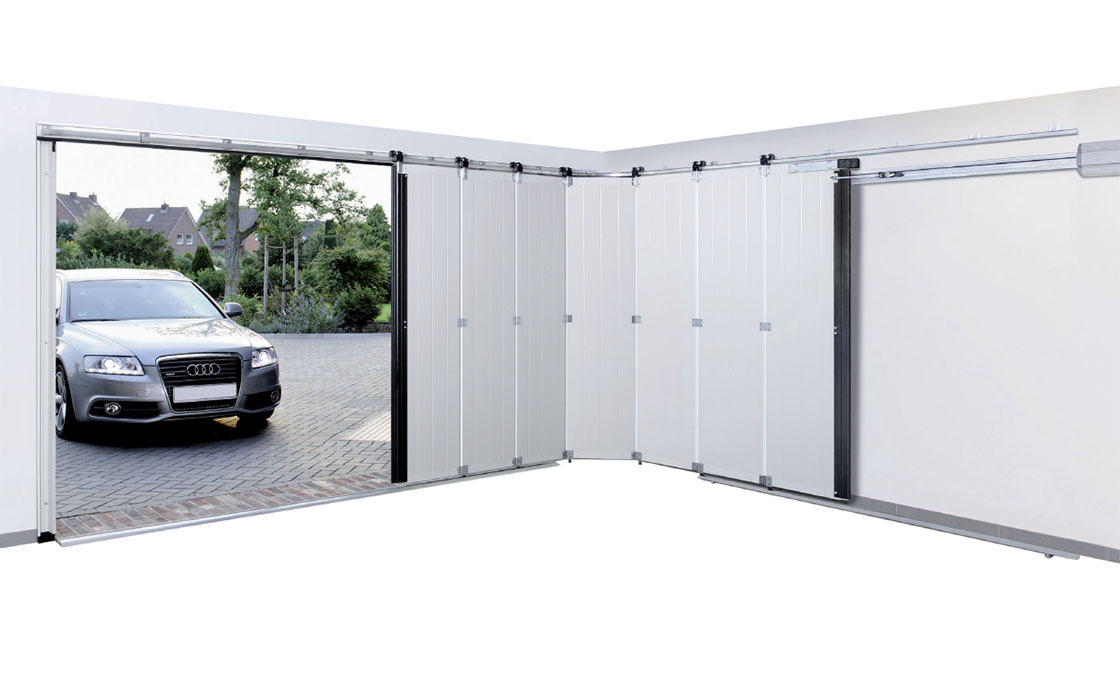
Advanced sliding door systems employ co-extruded dual-bulb hollow gaskets that provide secondary barrier redundancy. In the event that the outer sealing lip sustains minor wear, the secondary internal bulb maintains the airtight thermal boundary, preventing warm air infiltration.
For hinged walk-in cooler doors, flexible magnetic perimeter gaskets ensure a continuous snap-tight seal against the thermal break frame without requiring excessive latching force from facility operators. These magnetic seals compress evenly across all four perimeter corners, eliminating localized air gaps.
When auditing the features of a high-quality cold room door, facility engineers must verify that the bottom sweeper gasket is easily replaceable. High-grade systems utilize snap-in aluminum retaining channels that allow gasket replacement in minutes without dismounting the heavy door panel.
5. Corrosion-Resistant 304 Stainless Steel Hardware
The high humidity and frequent sanitization washdowns common in refrigerated food processing environments destroy standard zinc-plated hardware.
Austenitic 304 and 316 Grade Steel Components
High-quality cold room doors utilize heavy-gauge AISI 304 or marine-grade AISI 316 stainless steel for all structural hardware. This includes heavy-duty sliding tracks, roller carriages, cam-lift hinges, latch strike plates, and internal fasteners. Stainless steel resists harsh alkaline cleaning chemicals and eliminates galvanic corrosion.
Drop-and-Inward Track Kinematics for Zero Seal Wear
Heavy sliding doors employ precision drop-and-inward aluminum tracks. During opening travel, the door panel moves 8 mm away from the wall to prevent the rubber gaskets from dragging across the frame. During the final closing stroke, the carriage drops 10 mm downward and 8 mm inward, pressing the seals hermetically against the frame without friction wear.
6. Structural Internal Reinforcements & Impact Protection
Cold room doors in busy logistics centers must endure repeated accidental bumps from pallet jacks, hand trucks, and forklifts.
Internal Structural Aluminum Framework
Rather than relying solely on bonded foam for structural stiffness, high-quality doors feature an internal perimeter box framework made of 6063-T5 aluminum extrusions. Internal corner brackets and welded reinforcement plates anchor all hinge and track mounting points directly into the frame, preventing sag over decades of heavy service.
Integrated Kickplates and Bumper Strips
The lower 600 mm to 1000 mm of the door leaf is protected by high-impact polyethylene (HDPE) bumper plates or 1.5 mm checkered aluminum tread plates. These integrated kickplates absorb physical impacts from wheeled traffic, protecting the insulated core from puncture and thermal degradation.
Furthermore, when high-activity logistics corridors require visual communication between warehouse zones, high-grade cold room doors incorporate heated triple-pane vision windows. Utilizing argon gas fill and micro-thin transparent electric conductive films, these vision panels remain crystal-clear without fogging or condensation, preventing forklift collisions at busy intersecting aisleways.

7. Emergency Inside Safety Glow-in-the-Dark Release
Workplace safety standards strictly regulate personnel entrapment hazards in sub-zero walk-in freezers and environmental test chambers.
Mechanical Push-to-Release Safety Handles
International safety codes mandate that all walk-in cold rooms feature an internal mechanical release mechanism. High-quality doors incorporate heavy-duty stainless steel push rods connected directly to the exterior latch. Even if the door is padlocked on the outside, a trapped worker inside can push the emergency knob to override the exterior lock instantly.
Luminescent Glow-in-the-Dark Indicators
In the event of a total facility electrical blackout, the interior emergency release knob features photoluminescent materials that glow brightly in complete darkness. This ensures trapped personnel can locate and operate the exit release within seconds, preventing life-threatening hypothermia.
8. High-Quality vs Budget Cold Room Door 10-Year Lifecycle Comparison
When evaluating the features of a high-quality cold room door, analyzing initial purchase price versus ten-year total cost of ownership (TCO) reveals significant long-term savings:
| Engineering Feature | High-Quality Cold Room Door | Budget / Low-End Alternative |
|---|---|---|
| Thermal Core | High-pressure PIR/PU (42-45 kg/m³, U≤0.18 W/m²K) | Hand-poured EPS/PU (28-32 kg/m³, voids present) |
| Frame Design | Full PA66 polyamide structural thermal break | Solid aluminum/steel (Severe thermal bridging) |
| Anti-Frost System | Dual self-regulating 25-35 W/m heating cables | None or single fixed-wattage wire (Frequent burnout) |
| Gasket Material | Multi-chamber virgin EPDM (-45°C elastic) | Standard PVC (Cracks and stiffens in cold) |
| Hardware & Tracks | AISI 304 stainless steel & drop-inward track | Zinc-plated carbon steel (Corrodes rapidly) |
| Impact Resistance | Internal 6063-T5 aluminum frame + HDPE kickplate | Unreinforced foam sandwich (Easy puncture) |
| Safety Code | Luminescent emergency override release (EN 179) | Basic padlock latch (High entrapment hazard) |
| 10-Year TCO | Lowest TCO: 35-50% refrigeration energy savings | High TCO: Constant gasket replace & high power bills |
Safety regulations from the Health and Safety Executive require periodic inspection of safety releases. Similarly, standards from ISO mandate checking electrical heating circuits on sub-zero cold room doors.
9. Engineering Sizing Consultation for Your Project
Evaluating the essential features of a high-quality cold room door requires balancing insulation density, structural thermal isolation, and perimeter frost prevention. Verifying these eight structural and thermal criteria before placing factory orders prevents costly downtime and ensures continuous cold chain compliance.
Investing in high-density PIR cores and polyamide thermal breaks delivers substantial lifecycle energy savings. Furthermore, marine-grade 304 stainless steel hardware eliminates hazardous ice accumulation across busy warehouse doorways.
Need technical assistance specifying your cold room doors?
If you are planning a cold storage warehouse or upgrading existing walk-in freezer doors, the engineering team is available to review your clear opening dimensions, operating temperature requirements, and heating cable specifications to help you configure a high-efficiency insulated door system.
Frequently Asked Questions About Cold Room Door Features
What core insulation density is required for a quality cold room door?
High-quality cold room doors require high-pressure injected PIR or PU foam with a minimum density of 42 to 45 kg/m³, achieving thermal conductivity of λ = 0.020-0.022 W/mK.
Why is a thermal break frame essential on cold storage doors?
A polyamide (PA66) structural thermal break isolates the warm exterior frame from the cold interior, preventing severe condensation, frame icing, and energy loss.
What wattage heating cable is used in commercial freezer doors?
Sub-zero freezer doors utilize self-regulating electric heating cables generating 25 to 35 W per linear meter embedded in the frame perimeter and floor threshold.
Why is EPDM rubber superior to PVC for cold room door seals?
Virgin multi-chamber EPDM maintains complete elasticity and sealing compression down to -45°C, whereas PVC seals stiffen, crack, and leak in sub-zero temperatures.
How does an emergency inside safety release work on cold room doors?
A mechanical push rod with a luminescent glow-in-the-dark knob overrides the exterior latch from the inside, allowing personnel to escape even if the door is padlocked.