
Identifying the best garage door opener for a residential or commercial property requires looking beyond promotional horsepower claims and glossy marketing brochures. Many buyers purchase an opener based solely on nominal power ratings. Consequently, they end up with noisy AC motors that vibrate bedroom ceilings and suffer from stripped internal drive gears within three years.
When evaluating the best garage door opener key factors, buyers must analyze six foundational electro-mechanical criteria. These include motor electrical architecture, drive mechanism acoustics, horsepower sizing relative to spring counterbalance, structural vibration damping, smart home automation, and emergency battery backup redundancy. In over two decades of manufacturing custom sectional garage doors and automated drive systems, factory engineering teams have established this comprehensive evaluation framework.
1. Motor Architecture: DC Brushless vs. Legacy AC Induction
Motor electrical design represents the primary technical boundary separating premium automated openers from obsolete units.
Pulse-Width Modulation Soft-Start Control
Legacy alternating current (AC) motors operate at a fixed single speed, delivering 100% torque instantly upon startup. This abrupt motion jerks tracks, rollers, and ceiling lag screws. Conversely, direct current (DC) brushless motors utilize pulse-width modulation (PWM) electronics to deliver gentle soft-start and soft-stop acceleration curves.
60% Reduction in Mechanical Stress
By eliminating sudden start-stop shocks, DC brushless motors reduce mechanical stress on hinges, tracks, and springs by up to 60%. This controlled motion profile extends total mechanical service life beyond 20,000 continuous operating cycles.
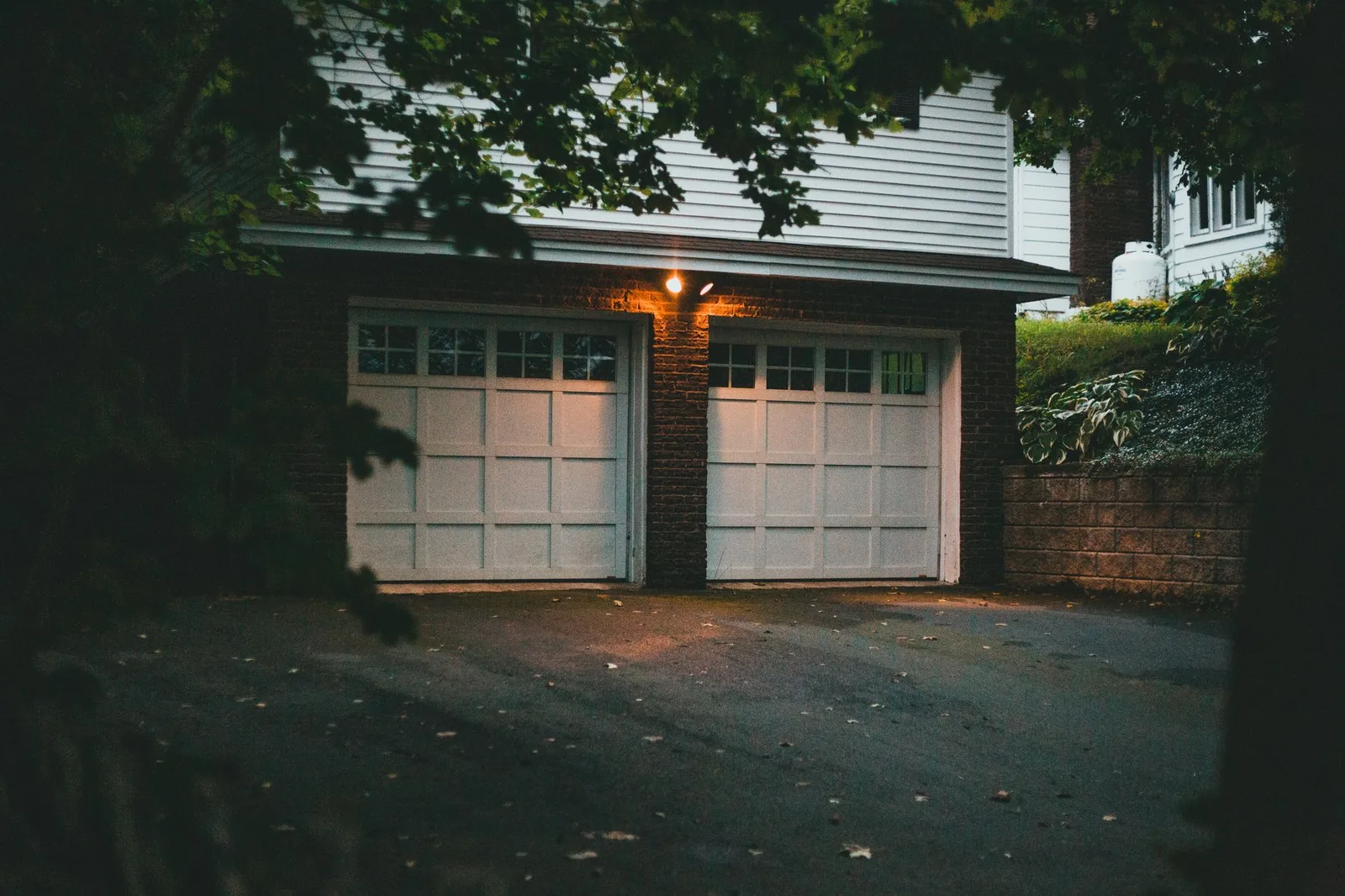
2. Drive Mechanism Selection: Belt vs. Chain vs. Jackshaft
The drive mechanism transfers rotational motor torque into linear trolley movement along the horizontal track.
Whisper-Quiet Steel-Reinforced Belt Drives
Belt-driven openers utilize high-density molded polyurethane timing belts embedded with continuous braided steel tension cords. Operating below 50 decibels (dB), belt drives eliminate metal-on-metal friction, making them the optimal choice for attached residential garages situated beneath bedrooms.
Heavy-Duty Chain & Wall-Mount Jackshafts
Heavy-duty roller chain drives excel at lifting massive solid wood carriage doors weighing over 500 lbs in detached garages. Meanwhile, direct-drive wall-mount jackshaft openers mount beside the torsion spring shaft, freeing ceiling space entirely for automotive lifts or overhead storage.
Specifying Premium Automated Entrance Systems for Your Project?
Send your doorway opening dimensions, panel material, and ceiling headroom to our technical engineering team for custom drive sizing and factory direct proposals.
3. Horsepower Sizing vs. Counterbalance Spring Health
A crucial engineering reality is that electric motors do not lift the deadweight of the door panel.
The Counterbalance Spring Principle
Overhead torsion springs counterbalance 90% to 95% of total door mass. When correctly balanced, a 300-pound insulated double-car door requires only 10 to 15 pounds of upward manual lifting force. The motor simply provides guiding velocity and overcoming static friction.
Matching Horsepower to Door Mass
Specify 1/2 HP for lightweight single doors weighing 120 to 180 lbs. For standard double-car insulated doors weighing 200 to 350 lbs, select 3/4 HP (or DC 3/4 HPe). Heavy solid wood or glass doors weighing 400 to 650 lbs require 1 HP to 1-1/4 HP DC motors.
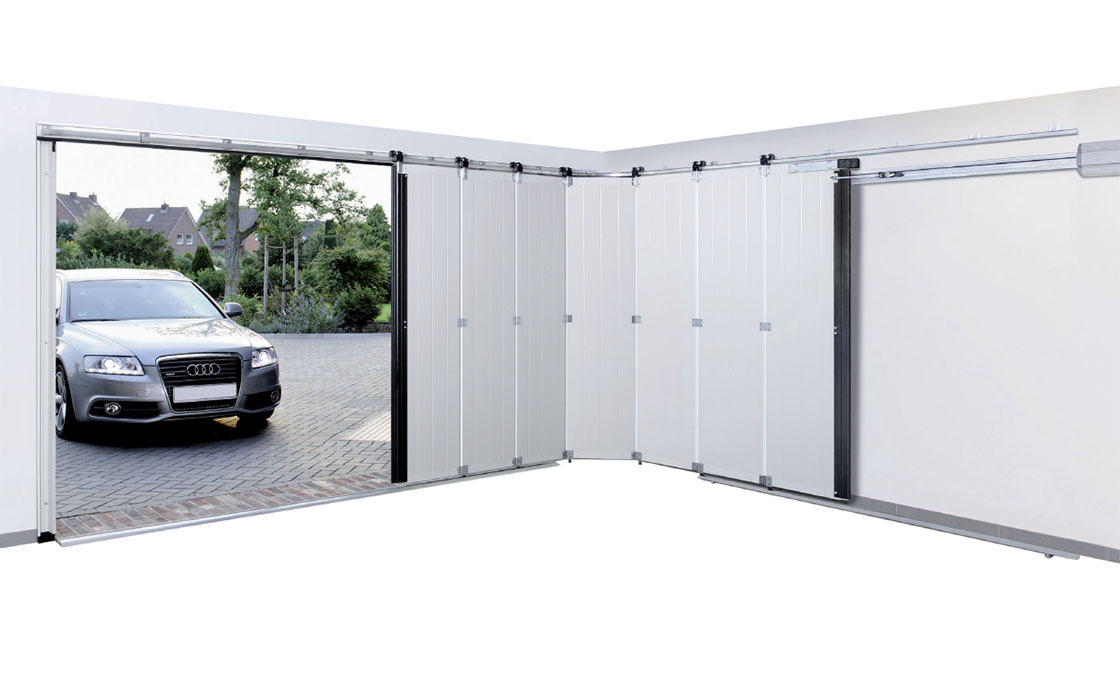
4. Acoustic Decibel Ratings & Structural Vibration Damping
Acoustic performance directly influences daily household tranquility when reviewing best garage door opener key factors.
Sub-50 dB Operating Thresholds
The finest garage door openers maintain operational sound pressure below 50 dB—comparable to modern quiet refrigerators. Flexible polyurethane belts absorb harmonic motor hum, preventing low-frequency acoustic transmission into ceiling framing.
Vibration Isolation Mounting Brackets
Premium installations utilize rubber-isolated ceiling mounting brackets and 13-ball-bearing sealed nylon rollers, eliminating structural rattles through living spaces.
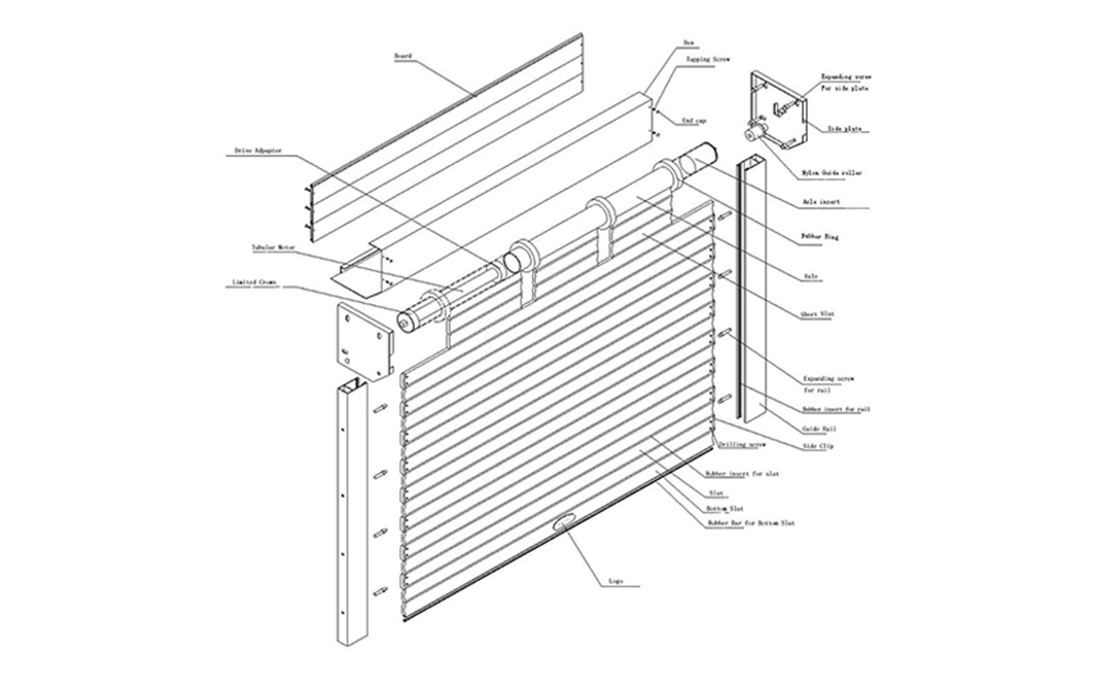
5. Smart Home Automation & Perimeter Security Integration
Modern entrance systems function as active smart security hubs protecting the primary perimeter access point of the property.
Integrated Wi-Fi & Mobile Push Alerts
Top-rated openers incorporate built-in Wi-Fi connectivity, allowing owners to verify door status, open or close doors remotely, and set timed auto-close schedules from iOS and Android devices.
128-Bit Rolling Codes & Motorized Deadbolts
Ensure the opener utilizes 128-bit cryptographic rolling-code algorithms to defeat RF code-grabbers. Pair with automatic motorized side deadbolts that lock physically into the vertical track upon closure.
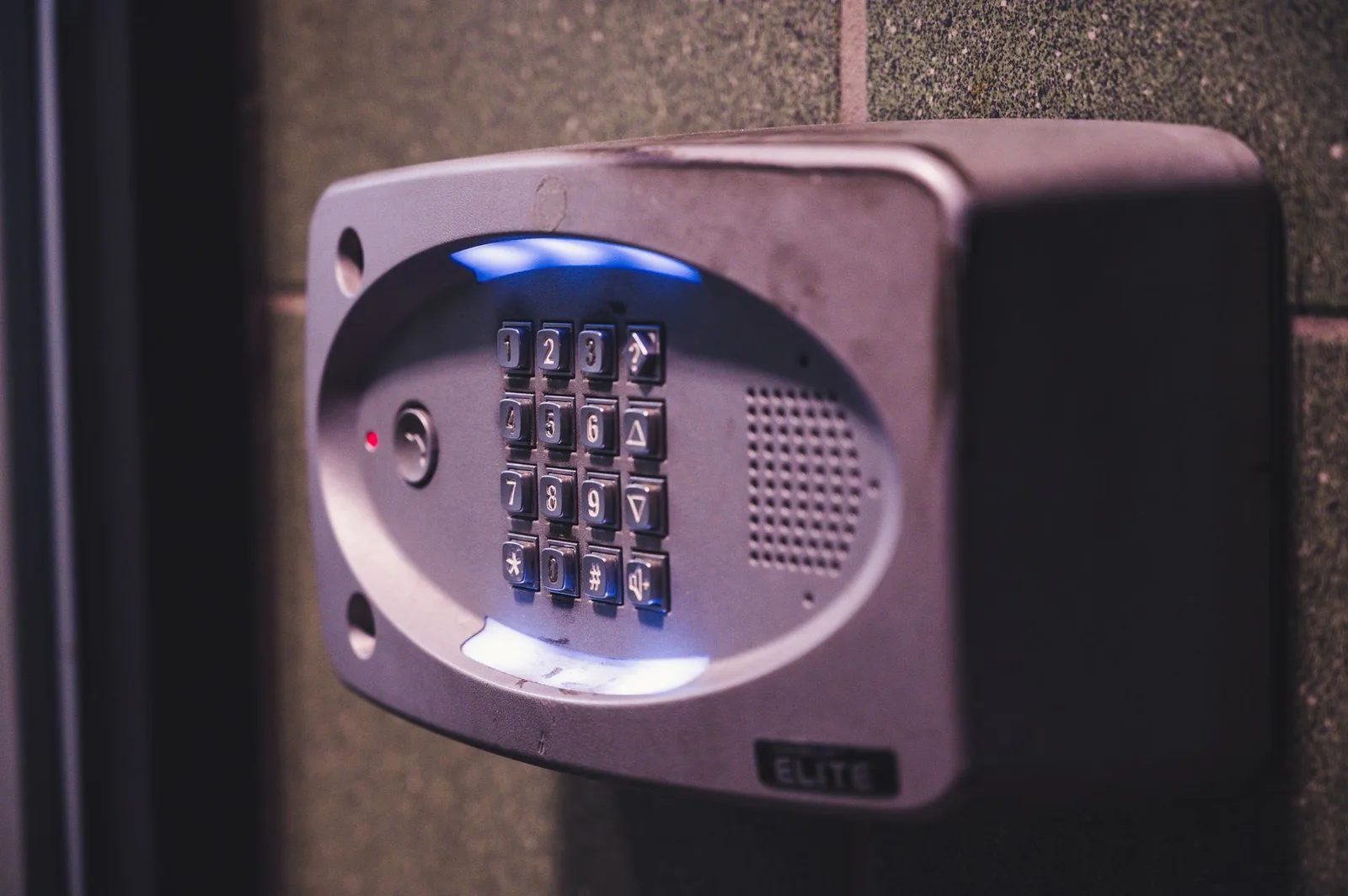
6. Emergency Power Redundancy & Battery Backup Compliance
Severe weather grid blackouts demand uninterrupted vehicle entry and exit capabilities.
20 to 50 Emergency Blackout Cycles
Premium DC openers integrate 24V trickle-charged backup batteries that supply power for 20 to 50 complete door cycles during power outages, operating lights, optical sensors, and motor travel.
Statutory Safety Mandates
In jurisdictions like California (SB 969), battery backup integration is legally mandated on all newly installed residential openers to ensure emergency vehicle evacuation during wildfire grid shutdowns.
7. Master Opener Sizing & Key Factor Evaluation Matrix
The comprehensive matrix below summarizes the critical engineering benchmarks when evaluating the best garage door opener key factors:
| Evaluation Factor | Industry Benchmark (Best Choice) | Budget Alternative | Key Engineering Advantage |
|---|---|---|---|
| Motor Technology | DC Brushless with PWM Soft-Start | AC Induction (Single Fixed Speed) | 60% reduction in track mechanical stress |
| Drive Mechanism | Steel-Reinforced Polyurethane Belt | Zinc-Plated Roller Chain | Whisper-quiet acoustics (<50 dB) |
| Horsepower Sizing | 3/4 HP (Double) / 1-1/4 HP (Wood) | 1/2 HP (Undersized for Double Doors) | Prevents thermal overload & gear stripping |
| Safety Systems | UL 325 dual photo-eyes + 0.75s reversal | Basic optical sensors only | Active secondary entrapment protection |
| Emergency Power | Integrated 24V rechargeable battery | Manual pull-cord release only | 20-50 emergency blackout cycles |
| Perimeter Security | 128-bit rolling codes + track deadbolt | Standard fixed-code remotes | Eliminates code-grabbing & crowbar prying |
| Drive Rail Build | One-piece 2.0mm solid steel T-rail | Multi-piece snap-together rail | Zero joint flex and true trolley alignment |
Quality benchmarks established by ISO and workplace safety codes from the Health and Safety Executive ensure structural compliance across automated entrance systems.
8. Engineering Entrance Selection Consultation for Sectional Doors
Selecting an entrance drive based on verified best garage door opener key factors requires balancing DC motor electronics, quiet belt mechanics, proper horsepower sizing, and robust battery backup redundancy. Systematically auditing these factors ensures whisper-quiet travel, responsive safety protection, and decades of reliable performance.
Need technical assistance selecting the best opener for your project?
If you are specifying entrance systems for architectural custom homes, residential developments, or commercial facilities, our technical engineering team is available to review your door dimensions and provide tailored drive recommendations and factory direct proposals.
Frequently Asked Questions About Finding the Best Opener
What type of motor is best for a residential garage door opener?
A DC brushless motor is best due to soft-start and soft-stop ramp curves, whisper-quiet operation (<50 dB), and 60% less mechanical shock.
Is a belt drive always better than a chain drive?
Belt drives are best for attached garages due to whisper-quiet sound (<50 dB), while chain drives excel for heavy commercial doors over 500 lbs.
What horsepower opener is needed for a double-car insulated garage door?
A standard 16×7 foot double-car insulated door requires a 3/4 HP (or equivalent DC brushless) belt-drive opener for smooth, quiet operation.
Why is battery backup important when choosing an opener?
An integrated 24V battery backup provides 20 to 50 door cycles during electrical blackouts, ensuring seamless vehicle entry and exit.
What security features should I look for in the best garage door opener?
Look for 128-bit cryptographic rolling-code technology, automatic motorized track deadbolts, and real-time mobile push notifications.