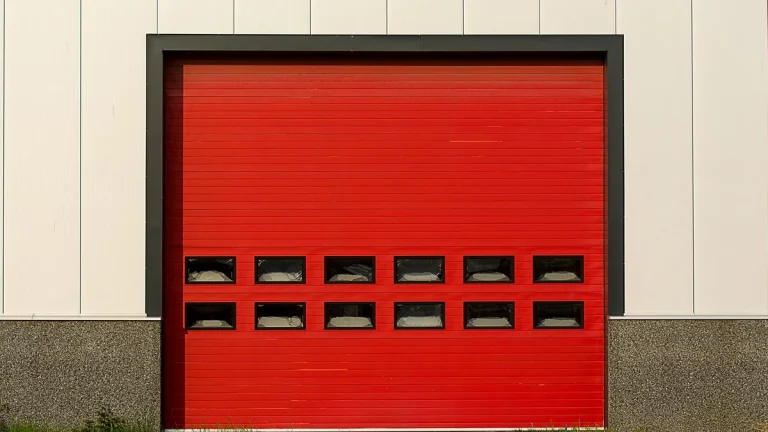
A sectional door closes at the end of the shift, and a bright strip of daylight still runs along the floor beneath it. By morning there is a dust line on the slab, a wet patch after the first rain, and a supervisor asking whether the floor has settled again. The panels get inspected, the tracks get checked, and nobody looks at the one part that actually touches the ground: the bottom seal.
We manufacture industrial doors and their components, and our view of this part is simple. A bottom seal is the only boundary of the door that moves against the floor on every cycle, and it is also the leak path our sectional door insulation guide flags for condensation control. Water, dust, pests and wind all arrive through the last gap. Choosing, mounting and maintaining industrial door bottom seals decides whether the opening actually closes.
What a Bottom Seal Does on Industrial Doors
On a sectional door, the bottom seal usually takes the form of an astragal. This is a rubber profile held in an aluminum retainer that runs the full width of the bottom panel. On rolling shutters the equivalent sits in the bottom rail, and on high-speed fabric doors it is a bottom edge profile that meets the floor or a pocket. Whatever the door type, the job is identical, because the bottom edge is the part of the opening that moves.
The seal works in compression or in sweep. A compressive profile crushes slightly against the slab each time the door lands, which stops driven rain and drafts. A brush or swept profile drags along an imperfect surface and closes the gap that a stiff profile would bridge. Perimeter seals on the jambs and header stay still while the door moves past them. That is why the bottom position wears fastest and needs its own inspection routine.
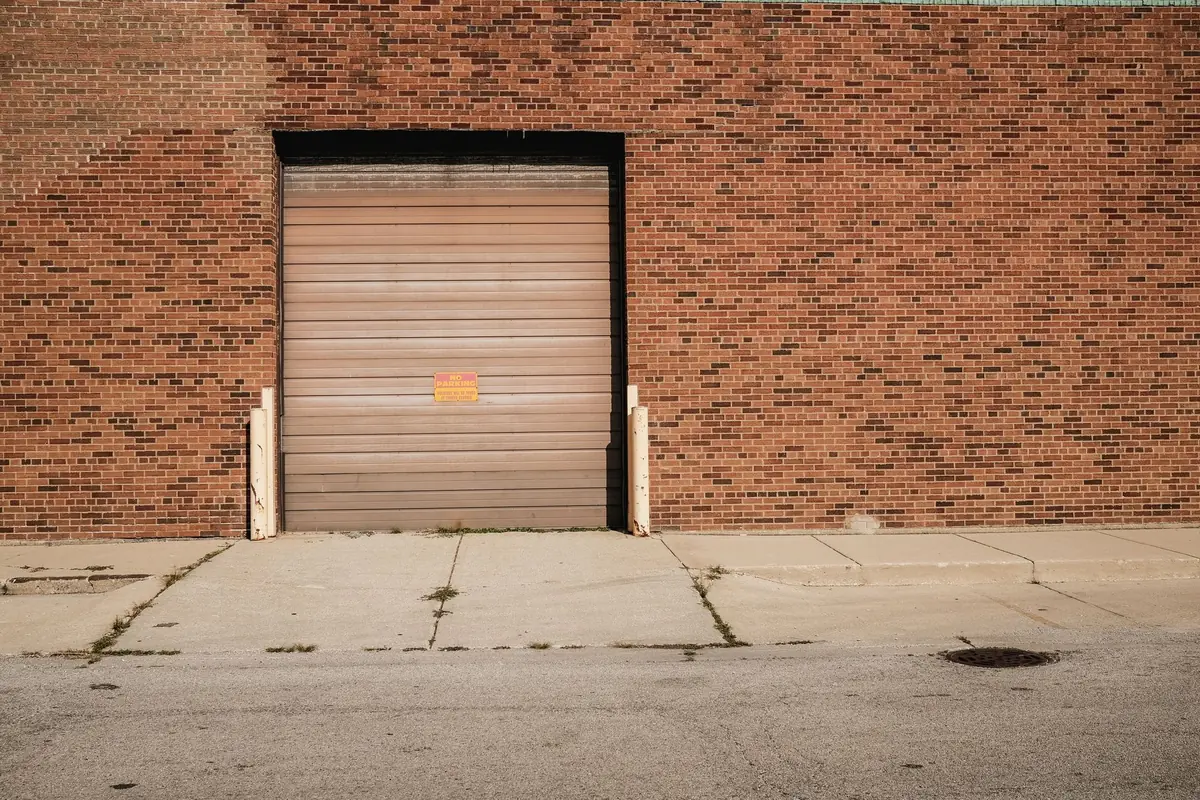
Bottom Seal Types: Rubber, Brush and Vinyl
Most industrial doors use one of a small set of profiles. A bulb seal is a hollow rubber dome that flattens against the floor, giving a wide contact patch from a small compression. A T-style insert has a T-shaped spine that slides into a matching slot, and a J-style or P-bulb profile hooks over the door edge. Beaded seals carry twin beads that click into a retainer channel, which is the common spares format on sectional doors.
Self-adhesive vinyl sweeps and brush strips cover the simpler ends of the range. Vinyl is the budget material for light doors and dry interiors. Rubber compounds hold their flexibility in cold and wet conditions.
Brushes tolerate dirt, debris and uneven surfaces that would scrape a rubber lip away. Brush seals excel where the gap changes along the width of the opening, at the cost of weaker water performance. Many facilities therefore pair a rubber bottom seal with brush seals at the jambs.
On industrial door bottom seals, material and profile are one decision, not two.
How Seals Mount: Retainer, Channel and Track
Mounting style decides what a replacement order must match. The dominant system on sectional doors is a aluminum retainer bolted across the bottom edge, with a rubber or brush insert that slides in from one end. Some retainers accept T-spine inserts, others take beaded profiles. The channel width, insert height and spine shape all have to agree for the new seal to slide home.
The second family is the pre-formed slot in the door itself. T-style and J-style seals plug directly into slots extruded into the bottom panel. There is no separate retainer to corrode, but the seal profile is fixed by the door design. On some shutter and high-speed doors the seal sits inside the bottom rail or tracks, where it is protected from impact but harder to inspect. Before ordering, identify which system the door uses, because a beaded seal will not enter a T-slot and a T-spine insert will not stay in a beaded channel.
Matching the Seal to the Floor Condition
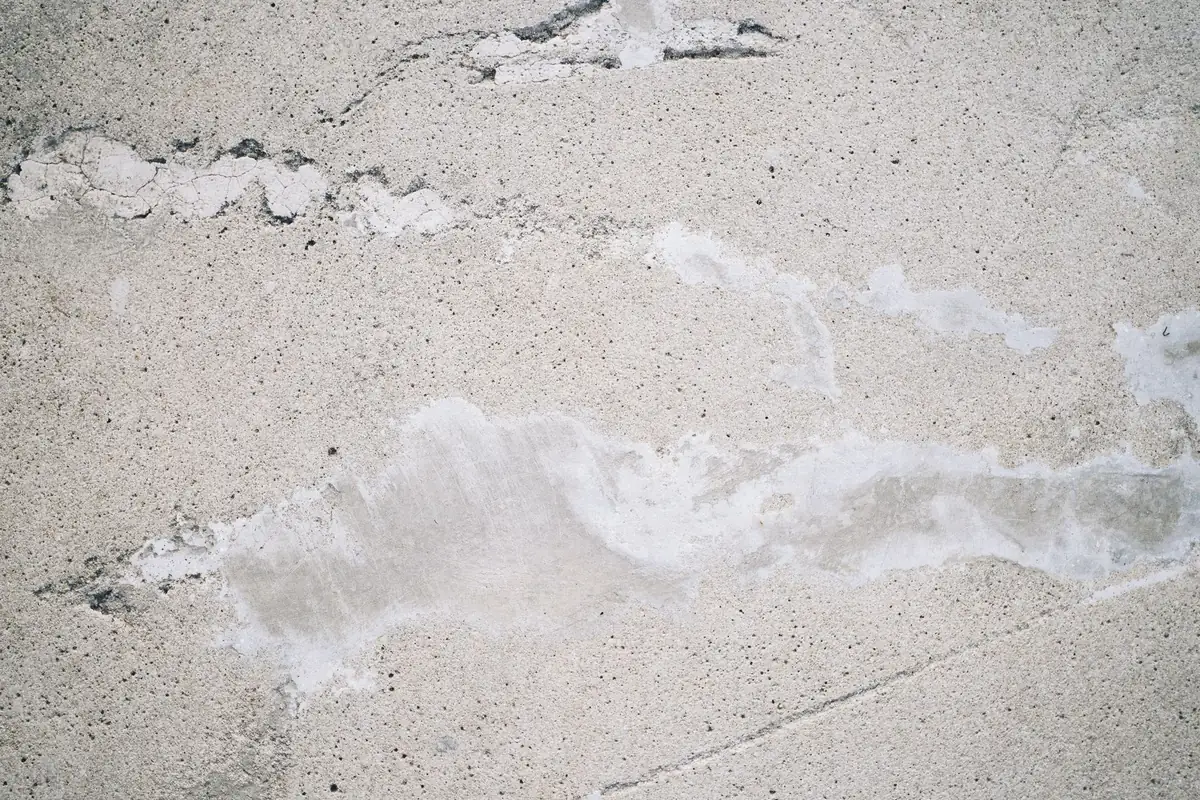
The floor decides how much a seal can achieve. A sound, level slab lets any compressive profile work as designed, but industrial slabs slope for drainage, crack at joints and settle near pits and dock edges. Where the travel line undulates, a straight rubber seal touches only at its high points, and daylight survives in between.
A taller or softer bulb increases the compression range and buys back a modest slope. A brush seal sweeps across uneven ground and keeps working where debris and joints would hold a rubber lip open. A corrective threshold, anchored to the slab in front of the door, gives the seal a continuous, level surface to land on. It suits slabs that cannot be repaired. Choose by the dominant risk: water demands rubber against a flat line, while dust, pests and leaves are handled well by brushes over imperfect ground.
Perimeter Seals Around the Door Opening
A bottom seal only closes one side of the opening. Jamb seals line the two vertical tracks and close the gap between the door edge and the guide. Header seals close the top when the door is down. These fixed seals are often brush or flexible PVC, because they wipe along a moving surface thousands of times a year. Threshold seals, sometimes confused with the bottom seal itself, belong to the floor instead of the door.
Treat the four sides as one envelope. Replacing the bottom seal while the jambs stay open moves the draft upward instead of removing it. A missing header seal vents exactly the warm air the bottom seal is protecting.
Envelope thinking also changes the order of work: seal the bottom, then the jambs, then the header. When the envelope matters most, as in food plants, the compound choice follows the same logic as the cleanroom door gasket materials selection. There, silicone, EPDM and neoprene each own a temperature and chemistry range. Standard industrial door weather seals in EPDM cover the majority of unconditioned buildings.
Wear Signs and When to Replace
Bottom seals fail in readable ways. A bulb that stays flattened after the door opens has lost its memory and its contact pressure. Rubber that has hardened, cracked or shed chunks no longer conforms to the slab, and rows of missing bristles turn a brush seal into a decorative strip. The door itself reports the result: daylight under a closed leaf, a wet line inside the threshold after rain. A dust arc on the floor follows the door width.
Inspect at least annually and before winter, and fold the check into the same walk-down as the door hardware. The industrial door tracks and rollers and the industrial door hinges all live within a few meters of the seal, and one visit can cover the whole set. Any one of these signs is a replacement trigger for industrial door bottom seals; age alone is not.
Replacing a Bottom Seal Without Guesswork
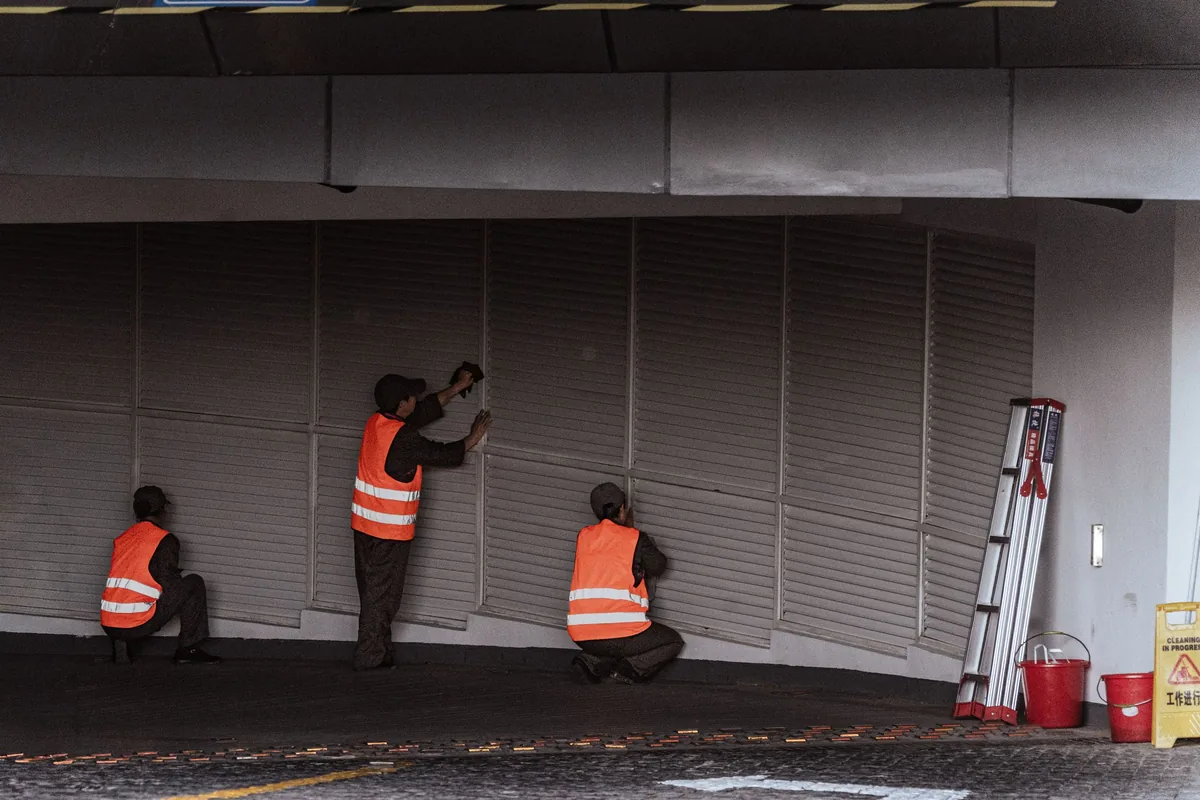
Replacement is straightforward when the system is identified first. Open the door to chest height, look at the retainer or slot, and photograph the end of the existing insert together with its cross-section. Measure the full width of the door, note the channel width or slot shape. Match the new profile against the old one rather than against a catalog photo.
The mechanical work is short. Slide the old insert out of the retainer from the open end. Feed the new one in with a little lubricant, then close the end so it cannot creep back. Lower the door onto the floor and test.
The test matters more than the fitting. Check the contact line across the full width and confirm there is no daylight at any point. On powered doors, keep hands clear of the bottom edge during testing and let the control system perform the final travel. Work on power-operated doors belongs with trained personnel under the EN 12453 framework our doors are certified to.
Sourcing Seals Matched to the Door
Buy the seal with the door, not after it. A seal specified from the same drawing as the panels and floor detail arrives with the right retainer, profile and compression range. A shelf-picked strip pairs an unknown channel with an unknown floor. That is why the conversation at RaxDoor starts with the door schedule and the site conditions rather than with a catalogue of generic bottom seals.
First-party facts. RaxDoor has manufactured industrial doors and components since 1999 and ships to more than 70 countries. It is certified to ISO 9001:2015, CE under EN 13241 and EN 12453, and SGS verified. Seals and retainers are offered in galvanized steel and stainless 304 and 316 hardware with EPDM and brush options, with no minimum order quantity.
CAD records stay archived for five years, so repeat seal orders skip re-measuring. First orders run 20 to 35 days and repeats 15 to 20, with warranty-period spare parts shipped by DHL or FedEx within 5 to 7 days. Matched industrial door weather seals ship on the same drawing set as the door, which is what makes the fit verifiable.
The opinion we opened with is the one we close on. A bottom seal is not an accessory clipped on at the end; it is the moving boundary where the door meets the building. The strip of daylight on the floor was never a floor problem. It was the invoice for buying the boundary as an afterthought.
Frequently Asked Questions About Industrial Door Bottom Seals
What is the strip at the bottom of an industrial door called?
Usually a bottom seal or astragal: a rubber or brush profile held in an aluminum retainer bolted across the bottom edge of the door.
Rubber or brush: which suits an uneven floor?
Brush tolerates gaps, joints and debris best but leaks water. Rubber bulb seals water tightly but needs a flat, sound floor. Many facilities pair a rubber bottom seal with brush jamb seals.
How do I order the right replacement bottom seal?
Identify the retainer or slot profile, measure the full door width, and match the insert shape. Photos of the retainer end and the cross-section are usually enough for a supplier to match it.
Why is there still daylight under the door after replacing the seal?
The floor is out of level or damaged along the travel line. A taller bulb, a brush seal or a corrective threshold solves what a standard seal cannot.
How often should bottom seals be replaced?
Inspect at least annually and before winter. Replace when the bulb stays flattened, rubber cracks or hardens, brush rows are missing, or daylight shows under a closed door.