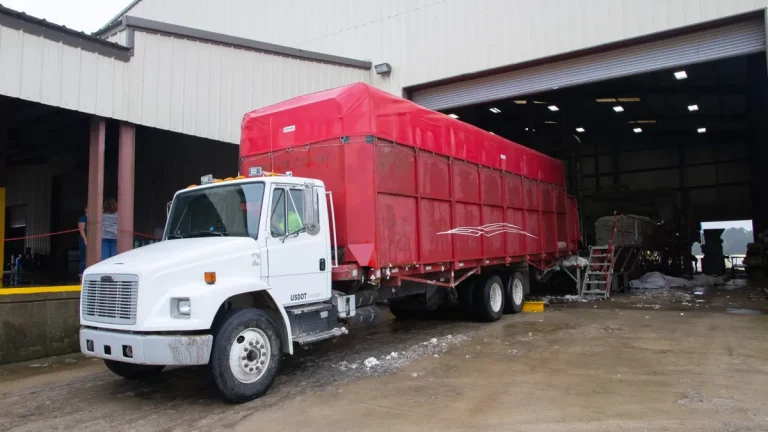
Somewhere on your dock right now, an operator is hauling a chain to release a loaded platform. Rite-Hite puts the pull at 55 to 70 pounds of spring tension, and then the operator walks the deck down under 120 to 175 pounds of body force. Multiply that by every trailer, every shift, and the arithmetic starts to hurt before anyone mentions a repair bill.
Upgrading to hydraulic dock levelers removes that grind, and it changes what breaks, what protects your people, and what a decade at the bay actually costs. The case is real, but it is not automatic. This page sets out the five payoffs with the numbers attributed, then draws the line on when a mechanical pit should stay exactly as it is.
Advantage 1: Push Button Operation at Every Bay
Picture the same trailer once more. Instead of pulling the chain, your operator presses UP, and a hydraulic power pack lifts the deck and extends the lip. Press DOWN, and the platform floats onto the trailer bed as the suspension settles. Nobody leans their body weight into equipment, and nobody waits for a second person to free a hand.
That single change collapses a two-muscle job into a one-button sequence. The same operator runs the door, the restraints, and the leveler without leaving the control box. Hands stay off moving parts during the busiest minutes of the day. If you want the mechanics behind that motion, our companion piece covering how a hydraulic dock leveler works step by step covers the cylinders and valves in detail. The practical point is simpler: consistent effort at bay one looks identical to bay twelve, on every shift.
Advantage 2: Less Spring and Hinge Maintenance
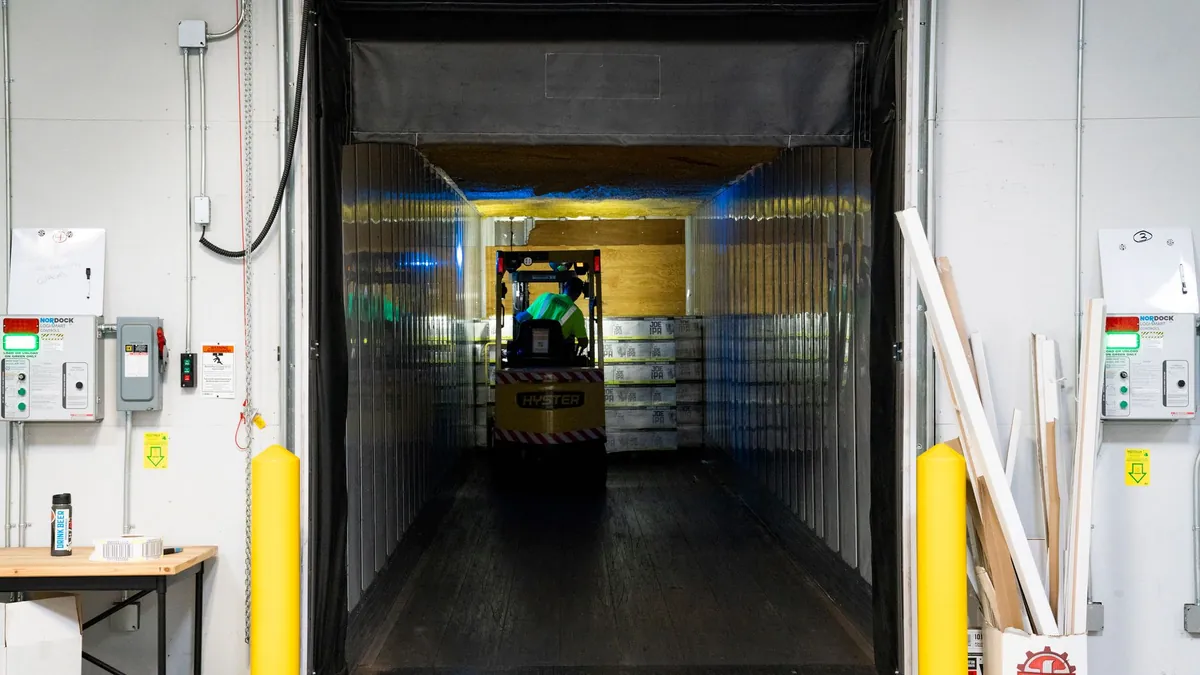
A mechanical leveler is a machine that never gets to rest. Its springs, pull chains, latches, and hold-down ramp sit under constant tension while the deck holds loads. Every cycle wears the linkage further out of adjustment. Rite-Hite describes the mechanical lip train as a snubbing cable, a lip latch, and a cam, all replaced by two cylinders on a hydraulic unit. Fewer parts under load means fewer spring adjustments, fewer latch repairs, and fewer Saturday callouts.
The maintenance gap shows up in the ledger, not just in the parts bin. Rite-Hite’s own comparison attributes roughly six times more total maintenance spend to a mechanical leveler than a hydraulic one over about ten years of service. Fairness requires the counterpoint: Overhead Door argues mechanical pits need minimal maintenance and carry a low lifetime cost, and a well-drilled in-house crew can keep one alive cheaply. Hydraulics bring their own quirk too, since the fluid and seals are more sensitive to cold than a spring is, which matters in unheated winter bays.
Advantage 3: Free Fall Protection Built In
Ask what happens when a hose fails on a loaded deck, because your insurer already has. On a hydraulic leveler, a velocity fuse in the cylinder circuit senses the sudden surge of fluid and locks the line, so the deck holds instead of dropping. Mechanical designs rely on safety legs that catch the platform a fixed distance below dock level. That abrupt catch is called stump-out, and it sends shock up a forklift mast and into an operator’s neck and back.
Safety warning: never let anyone work under a raised deck without engaging the maintenance strut first. The strut locks the platform up during inspection and servicing, and it exists because a deck that fell once never needs to fall twice.
The upgrade also aligns the pit with how regulators read equipment. ANSI MH30.1-2022 sets the performance and testing requirements for dock leveling devices, and enforcement actions have referenced its toe-guard provisions, with heavy-duty guards fitted along the platform sides. The UK’s HSE guidance on loading and unloading makes the wider point that vehicle and platform movements stay dangerous until you engineer them down. A leveler that protects by design, rather than by operator memory, is the cheaper safety decision.
Advantage 4: Faster Turnaround When Trucks Pile Up
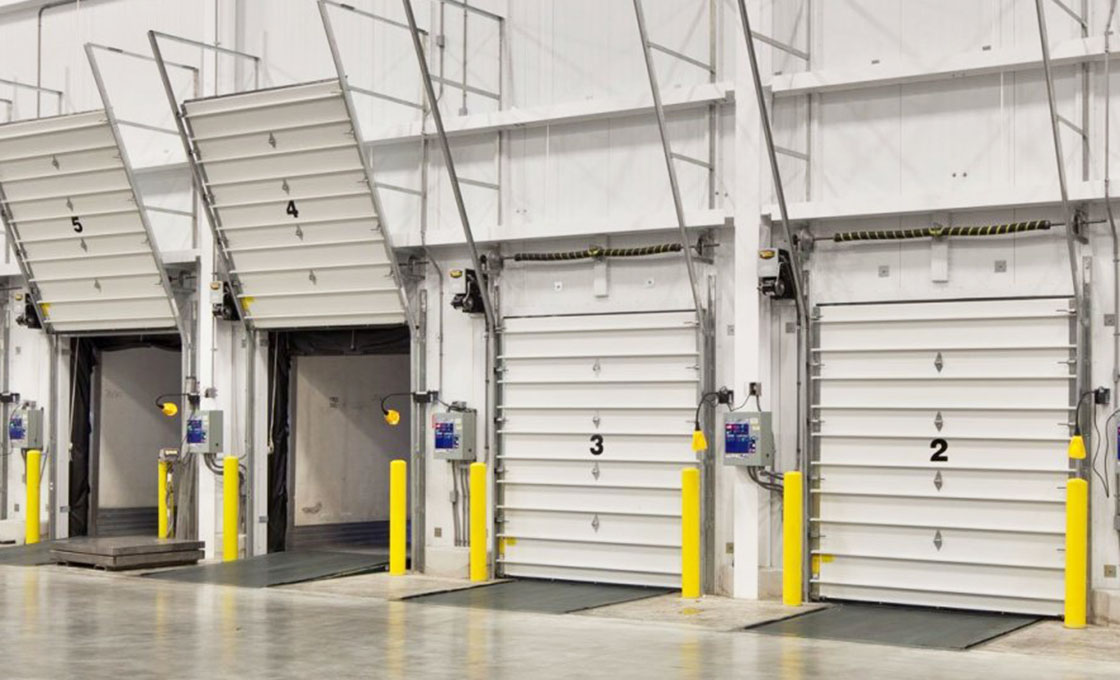
Peak season is where muscle-based equipment stops being a nuisance and starts being a bottleneck. With push-button hydraulics, the deck returns to its stored position on its own between loads. The next trailer then docks onto a ready bay instead of a platform someone has to crank back up. One operator runs the full sequence, restraints, door, leveler, and the trailer rolls while the yard is still moving.
Throughput also depends on the equipment staying available. Service guidance from Wilcox Door suggests docks running more than 100 cycles a day move to semi-annual preventive maintenance. Annual service is the floor for hydraulic units. Planned hose and seal checks beat unplanned downtime by hours. During a freight surge, those hours decide between a clean schedule and drivers idling at your gate.
Advantage 5: Lower Cost Over Ten Years
Nobody buys hydraulic dock levelers to save money in month one. Aftermarket estimates put new hydraulic units at roughly $5,000 to $15,000. A conversion kit usually lands below a full pit replacement, with Wilcox quoting 4 to 6 hours of install against 1 to 2 days for a new pit. The premium is the entry fee, not the bill.
The ten-year ledger reads differently. Add purchase price, spring repairs, emergency callouts, and peak-season downtime on both sides. Then weigh the sixfold maintenance delta that Rite-Hite attributes to mechanical units over the same period. On a busy dock, the hydraulic unit’s quiet advantage is that it converts one big early expense into smaller, plannable ones.
We would rather quote a leveler once than watch a customer rebuild springs twice. Our loading dock systems line covers hydraulic levelers alongside seals and shelters.
What a Retrofit Actually Requires
The good news is that a conversion usually keeps what you already have. The existing pit and deck structure stay, the spring and chain hardware comes out, and the kit adds dual cylinders, a power pack, and a control panel. Installers route the hydraulic lines, tie in the electricals, then test the velocity fuses and the auto return-to-dock before handing the bay back.
Plan for two things before you commit. Power comes first. A typical power pack runs on 115 volt single phase at 60 Hz and draws about 2 amps from a 1.1 kW unit. Confirm your pit has a conduit path before the crew arrives. Second, confirm geometry against the manufacturer’s pit drawing for your exact model, because footprints differ by brand and capacity.
A well-sealed bay also needs the right industrial dock doors overhead, since the leveler and the door work the same trailer. Lead times are predictable, with first orders at 20 to 35 days and reorders at 15 to 20 days. Door bodies carry a 2-year warranty, operators 3, and servo motors 5.
When Keeping Your Mechanical Leveler Makes Sense
Here is the opinion most vendor pages will not print: not every dock should upgrade. If your bay sees a handful of trailers a day, the sixfold maintenance gap multiplies off a base so small it never repays the purchase premium. A straightforward mechanical pit will outlast your interest in it. Facilities with a capable in-house maintenance crew get a similar result, since springs and latches are the kind of work a good fitter does between other jobs.
A mechanical leveler also makes sense when the budget is fixed and the pit structure is tired. A conversion reusing a deteriorating pit buys problems, not productivity. And if your winters are brutal and the bays are unheated, weigh the cold sensitivity of hydraulic fluid honestly against your real cycle counts. The honest test is simple: count trailers per day, price your last two years of leveler repairs and downtime, and let those two numbers argue for you. If they disagree with this article, keep the chain, and spend the money where your data says it hurts.
Frequently Asked Questions About Hydraulic Dock Levelers
Can a mechanical dock leveler be converted to hydraulic?
Yes. Conversion kits replace the spring, chain, and hold-down hardware with cylinders, a power pack, and push-button controls while reusing the existing pit. Installers typically finish in 4 to 6 hours, against 1 to 2 days for a new pit build.
How much does a hydraulic dock leveler cost?
Aftermarket estimates place new hydraulic units at roughly $5,000 to $15,000 with capacity and options moving the price. A conversion kit usually costs less than full pit replacement. Get quotes for your pit condition and cycle volume before deciding.
What power does a hydraulic dock leveler need?
Most packs run on 115 volt single phase at 60 Hz and draw around 2 amps. Voltage options differ by manufacturer, so verify the spec sheet and the conduit path in your pit before installation day.
How do hydraulic dock levelers compare on maintenance?
Over ten years, mechanical units cost roughly six times more to maintain in Rite-Hite’s comparison, because springs and linkage wear under constant tension. Hydraulic units need mainly routine hose, fluid, and seal checks.
When is upgrading to hydraulic dock levelers not worth it?
On low-traffic docks with a few trailers a day, the maintenance savings never repay the purchase premium. Strong in-house maintenance capability and a tired pit structure also tip the decision toward keeping the mechanical unit.