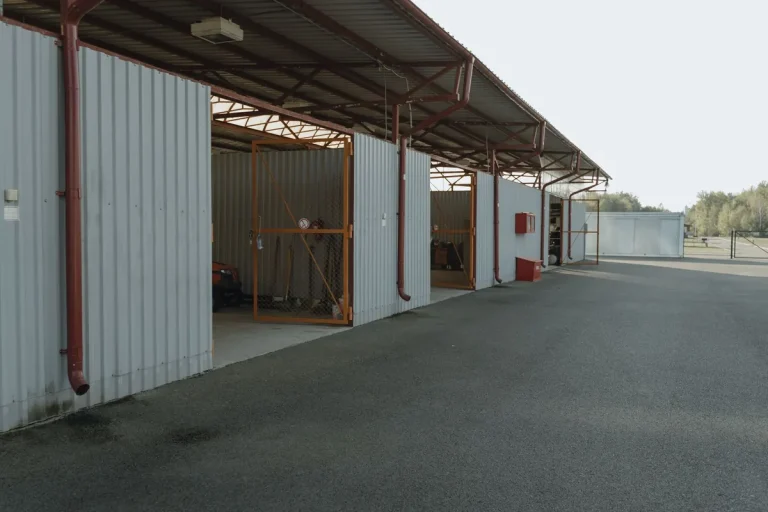
Refrigeration energy loss during high-traffic door cycles accounts for up to 40% of total thermal inefficiency in industrial cold storage facilities. Cold room curtains act as secondary flexible thermal barriers. They restrict convective heat ingress and moisture infiltration whenever primary doors are opened. By maintaining thermal boundaries without blocking equipment movement, these curtains protect inventory and reduce compressor wear.
Whether operating a walk-in freezer at -30°C or a fresh produce distribution hub at +4°C, selecting the correct curtain formulation is vital. Strip width, overlap percentage, and mounting hardware directly dictate energy performance and operational longevity. Installing inadequate curtain grades leads to rapid material embrittlement, safety hazards, and thermal leakage.
What Are Cold Room Curtains and How Do They Work?
Cold room curtains are flexible environmental barriers suspended across doorway openings. Operating on thermal separation principles, they minimize convective air exchange between climate zones. When a solid door opens, heavy cold air cascades outward along the floor. Warm ambient air rushes in along the top of the doorway. Overlapping PVC strips block this air transfer while flexing around personnel and forklifts.
Without a secondary thermal curtain, an open freezer doorway experiences rapid air exchange driven by temperature differential pressure. The cold air mass exits at floor level while warm, humid ambient air enters near the lintel. This convective loop rapidly elevates interior temperatures and coats evaporator coils in frost. Overlapping strip curtains disrupt this airflow pattern by maintaining physical contact across the opening.
The efficiency of a cold room curtain relies on four critical engineering parameters:
- Material Grade Formulation: Standard PVC hardens and fractures at freezing temperatures. Cold room formulations incorporate specialized silicone plasticizers that preserve elasticity down to -40°C.
- Strip Width and Thickness: Ranging from 200mm x 2mm for pedestrian walk-ins to 400mm x 4mm for high-bay freezer doorways exposed to heavy draft pressures.
- Overlap Percentage: Strips overlap by 33%, 50%, 66%, or 100%. Higher overlap ratios provide stronger draft resistance and superior thermal sealing.
- Hanging Weight Ratio: Heavier 400mm strips resist door draft pressures in openings exceeding 3.5 meters in clear height.
Selecting overlap ratios requires balancing thermal sealing against passage resistance. A 33% overlap suits pedestrian walk-in chillers where passage force must remain low. Sub-zero freezers operating with high external draft pressures mandate 66% to 100% overlap. This ensures strips snap back into place immediately after vehicle passage.
Thermal Conductivity and U-Value Heat Transfer Calculations
Quantifying thermal performance requires evaluating material thermal conductivity (k-value) and overall heat transfer coefficient (U-value). Standard polar grade PVC exhibits a thermal conductivity of approximately 0.16 W/m·K. In comparison, polyurethane insulation foam achieves 0.022 W/m·K.
Although flexible PVC has higher thermal conductivity than rigid PU foam, its primary value comes from blocking convective mass airflow rather than pure conduction. Open doorways without curtains exhibit air exchange U-values exceeding 15 W/m²·K. Installing a 50% overlap PVC curtain drops effective doorway U-values down to 3.2 W/m²·K.
Engineers calculate heat transfer rate (\(Q\)) through an open curtained doorway using the enthalpy differential equation:
\(Q = 0.221 imes A imes (h_i – h_o) imes
ho^{0.5} imes (1 – E)\)
In this equation, \(A\) represents doorway area, while \(h_i\) and \(h_o\) denote air enthalpy. \(
ho\) is air density, and \(E\) is the curtain sealing efficiency factor (0.75 for 66% overlap). Reducing convective exchange through this relationship cuts daily compressor refrigeration loads substantially.
Key Types of Cold Room PVC Strip Curtains
Not all PVC curtains perform identically under thermal stress. Choosing an incompatible material grade leads to premature embrittlement, clouding, or tearing. The primary strip curtain types utilized across cold chain logistics include:
| Curtain Type | Temperature Range | Key Features | Primary Application |
|---|---|---|---|
| Polar / Freezer Grade | -40°C to +5°C | High plasticizer formulation; flexible below zero without cracking | Blast freezers, frozen food warehouses |
| Super Polar Grade | -50°C to -10°C | Ultra-low temperature silicone formulation; extreme impact resistance | Pharmaceutical cryogenic vaults, tuna freezers |
| Standard Transparent | -5°C to +50°C | Crystal-clear visibility; balanced wear resistance | Chilled anterooms, food prep areas |
| Double-Ribbed (Anti-Scratch) | -30°C to +40°C | Raised longitudinal ribs absorb impact; protects clear surface | High-frequency forklift traffic, loading docks |
| Anti-Insect Yellow | -10°C to +50°C | Yellow tint blocks UV light attracting flying pests | Food processing entryways, dairy plants |
| Insulated Thermal Blinds | -35°C to +15°C | Multi-layer insulated fabric shell with thermal core | Night blinds, stationary freezer partitions |
Polar grade PVC utilizes non-phthalate plasticizers that lower the glass transition temperature of the polymer matrix. Standard PVC becomes brittle at -5°C. When struck by a forklift at low temperatures, rigid standard PVC shatters into sharp fragments, creating severe safety and contamination hazards.
In high-intensity logistics hubs, double-ribbed polar PVC is the industry standard. The raised ribs take initial impact from pallet corners and forklift masts. This prevents dirt and grease from smearing across clear viewing windows. The offset ribs also create insulating air pockets between overlapping strips, preventing ice fusion adhesion in freezers.
Anti-insect yellow PVC incorporates citronella additives and yellow color filters. Flying insects are visually attracted to UV light wavelengths below 400nm. The yellow dye filters out these wavelengths, masking light emissions from indoor processing areas. This creates a bio-security barrier at exterior receiving docks.
Core Operational and Financial Benefits
Installing properly specified cold room curtains yields immediate energy, mechanical, and compliance advantages across food processing and cold chain facilities:
Substantial Refrigeration Energy Reduction
Unprotected doorways allow warm air ingress that raises evaporator coil temperatures. Field testing confirms PVC strip curtains reduce heat gain through open doorways by 65% to 80%. This lowers overall refrigeration energy consumption by 15% to 30%, delivering ROI within 3 to 6 months.
Consider a 3-meter by 3-meter freezer doorway operating at -20°C in a 25°C ambient warehouse. Leaving this doorway unprotected for 30 minutes per day results in over 15,000 kWh of wasted electrical energy annually. Strip curtains restrict this loss to a fraction of unshielded baseline values.
Compressor Strain and Frost Mitigation
When moist ambient air enters a freezer, water vapor condenses and freezes on evaporator coils and wall panels. Excessive defrost cycles consume power and strain compressors. Cold room curtains restrict moisture ingress, reducing coil icing frequency, floor ice hazards, and maintenance downtime.
Heavy frost buildup on evaporator fins acts as a thermal insulator. This forces refrigeration compressors to run longer at higher pressure ratios to achieve target cooling. By minimizing moisture infiltration, curtains maintain clean heat transfer surfaces and extend compressor operational lifespans.
HACCP and FSMA Hygiene Compliance
Under FDA FSMA regulations and HACCP guidelines, maintaining an unbroken cold chain is mandatory. Cold room curtains form an effective barrier against airborne contaminants, dust, bird entry, and flying insects. Insect-repellent yellow formulations pass stringent food safety audits in processing plants.
Food processing environments require non-toxic materials that do not harbor bacterial colonies. Quality polar PVC strips conform to EU Regulation 10/2011 and FDA 21 CFR standards for indirect food contact. Smooth non-porous surfaces prevent organic residue accumulation during active production shifts.
Primary Applications Across Industrial Sectors
Cold room curtains are deployed across diverse sectors requiring precise microclimate control:
- Meat Abattoirs & Carcass Chillers: USDA-compliant clear polar strips separate cutting rooms (+10°C) from carcass chilling bays (0°C to +2°C). Custom notched header rails allow passage of overhead meat trolley rail systems.
- Pharmaceutical & Vaccine Vaults: Temperature-controlled anterooms utilize anti-static PVC curtains to preserve strict +2°C to +8°C storage parameters required by GDP guidelines. Anti-static formulations prevent dust attraction in cleanroom environments.
- Refrigerated Distribution Centers: Heavy-duty 400mm ribbed curtains mounted behind rapid-roll exterior doors prevent rapid temperature loss during loading dock vehicle tie-ups.
- Supermarket Walk-in Coolers: Lightweight 200mm hook-on strip systems allow retail staff easy hands-free passage while restocking display cases from rear storage rooms.
- Agricultural Packhouses: High-clarity PVC curtains maintain high humidity levels in apple and citrus cold storage rooms, preventing fruit dehydration during prolonged storage.
Optimize Your Cold Storage Thermal Efficiency
Looking to reduce freezer energy costs or replace worn strip curtains with industrial-grade high-speed cold room doors? Explore RAXDOOR’s engineered thermal door solutions built for extreme temperature environments.
Hardware Suspension Systems and Installation Considerations
The operational reliability of a cold room curtain system depends heavily on its mounting track hardware. Inferior hardware bends under heavy traffic or corrodes in humid washdown zones.
Two primary suspension track engineering designs are utilized across industrial facilities:
Hook-On Stainless Steel Tracks
Constructed from Grade 304 or 316 stainless steel, hook-on track systems feature pre-punched faceplates riveted to individual PVC strips. Operators can hang, replace, or reconfigure individual strips without tools. Stainless steel mounting tracks withstand high-pressure washdown chemicals and sub-zero humidity without rusting.
Hook-on systems allow rapid strip replacement when damage occurs. Maintenance staff lift off the damaged strip and hook on a replacement in under 30 seconds. This eliminates extended door opening exposure during maintenance procedures.
Sliding Curtain Track Headers
For doorways requiring occasional wide-open clearance for oversized loads, heavy-duty roller-trolley sliding tracks allow the entire curtain assembly to slide smoothly to one side. Dual-trolley aluminum tracks ensure jam-free sliding even when carrying heavy 400mm polar PVC curtains.
Sliding curtain headers incorporate heavy-duty nylon trolley wheels with sealed ball bearings. When large machinery or wide pallet loads require clearance, personnel pull the curtain sideways along the wall, clearing the entire doorway width.
Wind Load Differentials and Strip Thickness Selection Matrix
Facility doorways experience pressure differentials caused by exhaust fans, HVAC blowers, and outdoor wind velocity. Selecting strip thickness and width requires evaluating structural wind load exposure.
Indoor doorways under 2.5 meters in height experience low draft velocity. Lightweight 200mm x 2mm strips provide adequate seal integrity without obstructing pedestrian traffic. External loading dock doorways exceeding 4.0 meters experience severe draft forces. These openings mandate heavy 400mm x 4mm strips with 100% overlap to prevent curtain blowout.
The following engineering matrix guides strip selection based on doorway height and pressure exposure:
- Pedestrian Doors (< 2.5m height, Low Draft): 200mm width x 2mm thickness, 33% to 50% overlap.
- Forklift Passages (2.5m – 3.5m height, Moderate Draft): 300mm width x 3mm thickness, 50% to 66% overlap.
- Industrial Freezer Bays (3.5m – 5.0m height, High Draft): 400mm width x 4mm thickness, 66% to 100% overlap.
- Exterior Dock Openings (> 5.0m height, Severe Wind Load): 400mm ribbed PVC with 100% overlap or motorized thermal roll-up doors.
Maintenance, Cleaning, and Strip Replacement
Clouded or damaged PVC curtains compromise workplace safety by obstructing operator vision. Establishing a routine maintenance protocol extends curtain service life and maintains safety compliance:
- Bi-Weekly Cleaning Protocol: Wash strips using warm water and a neutral, non-abrasive detergent. Avoid harsh solvent cleaners or alcohol-based solutions, which leach plasticizers and cause premature yellowing and hardening.
- Anti-Static Surface Care: In dry freezer environments, static electricity attracts airborne dust. Applying a food-safe anti-static spray reduces surface dust accumulation and maintains clarity.
- Rigid Strip Replacement Triggers: Replace individual strips immediately if they develop deep cracks, exhibit severe clouding that limits 2-meter visibility, or curling at the bottom edges that breaks the floor seal.
- Track Anchor Verification: Inspect overhead track mounting bolts quarterly to ensure structural fasteners remain tight despite thermal expansion and contraction cycles.
Proper cleaning technique prevents surface scratching during maintenance. Always rinse heavy grit with low-pressure water before wiping strips with soft micro-fiber cloths. Using dirty sponges or abrasive pads creates microscopic surface scratches that catch light and permanently cloud the PVC.
Engineering Selection Advice
When selecting cold room curtains for doorways exceeding 3.5 meters in height or exposed to high wind load differentials, standard strip curtains may draft open. In these applications, consider pairing secondary PVC curtains with insulated high-speed roll-up doors to maintain structural seal integrity. Verify your doorway clear dimensions and temperature differential (\Delta T) with a qualified thermal door specialist.
Frequently Asked Questions
What is the difference between polar grade and standard PVC strip curtains?
Polar grade PVC contains specialized silicone and plasticizer additives that keep the material flexible down to -40°C. Standard PVC becomes stiff and brittle below -5°C, risking cracking and tearing when impacted by forklifts in freezer environments.
How much overlap do I need for cold room PVC strip curtains?
For walk-in chillers (+1°C to +4°C), a 33% to 50% strip overlap is typical. For sub-zero walk-in freezers (-20°C) and doorways subject to strong draft pressure, a 66% to 100% overlap is recommended to maintain an airtight thermal barrier.
Are PVC strip curtains safe for direct food contact areas?
Yes, provided they are manufactured from non-toxic, REACH and FDA/USDA compliant food-grade PVC resin free of harmful phthalates. Always verify supplier food safety compliance certification for processing facility installations.
How do I stop cold room PVC curtains from sticking together in freezers?
Sticking is caused by moisture condensation freezing between smooth flat strips. Using double-ribbed PVC strips prevents flat surface-to-surface contact, creating air channels that eliminate freezing-induced adhesion.
Can PVC strip curtains completely replace solid cold storage doors?
No. Strip curtains act as secondary barriers during active operating hours. Solid insulated doors (such as polyurethane sliding or high-speed insulated doors) are required for nighttime closure and full security seal.