
Choosing between belt-driven and chain-driven mechanisms is one of the most consequential engineering decisions when specifying an automated entrance system. Installing a noisy chain opener beneath residential living spaces creates disruptive acoustic rattle and structural joist vibration. Conversely, selecting an undersized belt drive on an uncounterbalanced heavy carriage-house door can lead to premature cog shear under high wind loads.
When evaluating garage door opener belt vs chain solutions, architects, contractors, and homeowners must analyze six mechanical criteria. These factors include drive metallurgy, acoustic sound pressure levels, tensile load thresholds, temperature resilience, maintenance lubrication schedules, and 10-year total lifecycle costs. In over two decades of manufacturing custom sectional garage doors and automated drive systems, factory engineering teams have evaluated both drive architectures across thousands of demanding installations.
1. Mechanical Drive Architecture: Steel-Cord Belt vs. Roller Chain
The mechanical difference between belt and chain drives originates in their material composition and track engagement mechanisms.
Steel-Reinforced Polyurethane Timing Belts
Modern belt-drive openers utilize high-density molded polyurethane timing belts embedded with continuous high-tensile braided steel tension cords. The molded cogs mesh smoothly with a precision-toothed drive sprocket in the motor head, pulling the trolley silently along an extruded aluminum or steel T-rail without metal-on-metal friction.
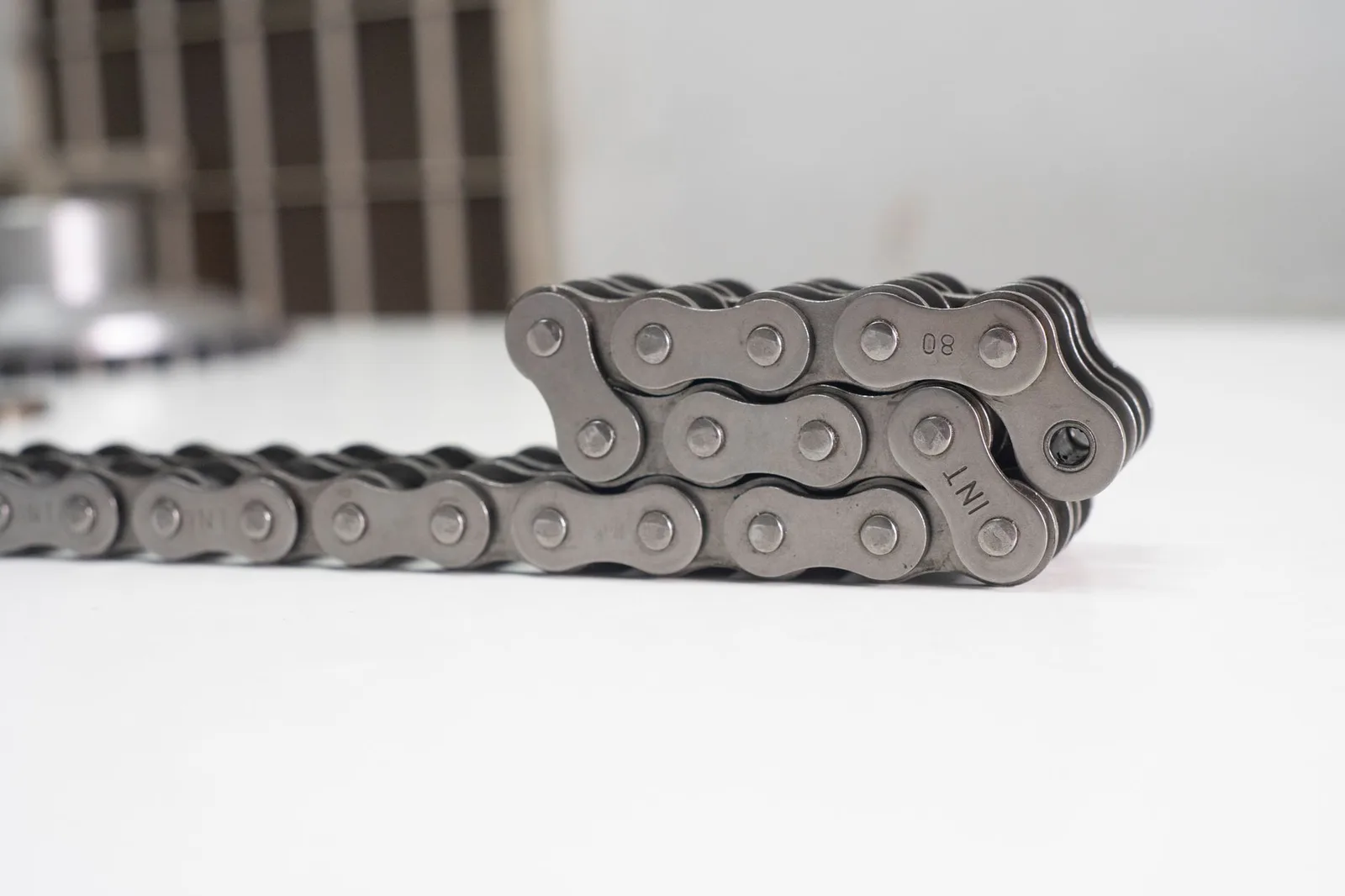
Heavy-Gauge Zinc-Plated Roller Chains
Chain-drive openers utilize industrial-grade roller chains—typically ANSI #41 or #48 specification—constructed with heat-treated carbon steel pins, bushings, and zinc-plated outer link plates. The roller chain engages with a hardened steel drive sprocket, riding in an open steel channel to deliver uncompromising mechanical pulling power.
2. Acoustic Decibel Levels & Ceiling Vibration Transmission
Operating sound and structural vibration represent the primary decision boundary when comparing garage door opener belt vs chain systems.
Whisper-Quiet Acoustics Under 50 dB
Belt-driven openers generate less than 50 decibels (dB) of operating sound pressure, equivalent to a quiet conversation or modern kitchen refrigerator. The flexible polyurethane belt absorbs harmonic motor vibrations, preventing mechanical hum from transferring into overhead ceiling joists. This acoustic isolation makes belt drives mandatory for attached garages situated directly beneath or adjacent to bedrooms.
Audible Metal-on-Metal Chatter (65 to 75 dB)
Chain drives produce noticeable acoustic emissions ranging between 65 and 75 dB. As steel links engage the drive sprocket and slap against the support rail, metal-on-metal contact creates a rhythmic mechanical chatter. While perfectly acceptable for detached garages, pole barns, or commercial workshops, chain-drive vibration can disrupt household quiet in attached residential homes.
Specifying Quiet Entrance Systems for Residential Projects?
Send your doorway opening dimensions, ceiling headroom constraints, and acoustic requirements to our engineering team for custom drive sizing and factory direct proposals.
3. Tensile Strength & Heavy Door Load Capacity
Door panel weight and structural dimensions determine the mechanical strength required from the drive mechanism.
Chain Drive Superiority for Heavy Sectional Doors
Due to the shear strength of heat-treated carbon steel, chain drives deliver superior ultimate tensile strength. They reliably handle heavy solid wood carriage doors and wind-loaded commercial panels weighing 500 to 800+ lbs (225 to 360+ kg) without risk of drive tooth shearing.
Belt Drive Load Envelopes (Up to 500 lbs)
Modern steel-cord reinforced belt drives easily support standard residential double-car insulated sectional doors weighing between 200 and 450 lbs (90 to 200 kg). However, for extreme industrial openings exceeding 20 feet in width, continuous commercial chain operators remain the preferred structural solution.

4. Temperature Sensitivity & Extreme Climate Resilience
Severe seasonal temperature fluctuations influence material elasticity, tension, and operating reliability.
Cold-Weather Belt Elasticity & Thermal Contraction
Polyurethane timing belts maintain flexible elasticity across temperatures ranging from -30°C to +60°C (-22°F to 140°F). While extreme sub-zero cold causes slight thermal contraction, modern DC brushless motors with electronic soft-start adjust torque dynamically to maintain smooth travel speeds.
Chain Thermal Expansion & Seasonal Sag
Steel roller chains expand in high summer heat and contract in freezing winter temperatures. High thermal expansion can cause the chain to sag slightly in hot weather, requiring manual tensioner adjustment to prevent the chain from slapping against the steel rail channel.

5. Maintenance Demands: Zero-Lube Belts vs. Greased Chains
Ongoing maintenance requirements significantly impact long-term property upkeep and clean garage aesthetics.
Zero-Lubrication Cleanliness of Belt Systems
Polyurethane timing belts require zero external lubrication throughout their entire operational life. This dry-running design ensures that no grease, oil, or black graphite dust spatters onto luxury vehicles parked beneath the overhead drive rail.
Lubrication & Tensioning for Chain Drives
Roller chains require biannual maintenance, including the application of high-grade white lithium spray grease or non-drip chain lubricant. Without periodic lubrication, chain links develop surface corrosion, bind during sprocket engagement, and emit squeaking noises.
6. 10-Year Total Cost of Ownership (TCO) Comparison
When analyzing garage door opener belt vs chain economics, initial purchase price must be balanced against maintenance and operational lifespan.
Initial Procurement Cost Delta
Chain-drive openers typically offer a 15% to 25% lower upfront purchase price than comparable belt-drive units. This makes chain drives highly attractive for commercial warehouses, large residential developments, and budget-conscious property upgrades.
10-Year Lifecycle Economic Parity
Over a 10-to-15 year operational horizon, belt drives eliminate ongoing lubricant purchases and reduce roller hinge wear through soft-start deceleration curves. The modest initial price premium is readily offset by acoustic comfort and minimal maintenance overhead.

7. Master Belt vs. Chain Engineering Comparison Matrix
The engineering comparison matrix below evaluates the performance characteristics of garage door opener belt vs chain systems across eight core dimensions:
| Engineering Parameter | Belt Drive Opener | Chain Drive Opener | Winner / Application Fit |
|---|---|---|---|
| Operating Sound Pressure | <50 dB (Whisper Quiet) | 65 – 75 dB (Audible Chatter) | Belt Drive (Attached Garages) |
| Vibration Transmission | Extremely Low (Polymer Damped) | Moderate to High (Metal Shock) | Belt Drive (Under Bedrooms) |
| Ultimate Tensile Capacity | Up to 500 lbs (Steel-Cord) | Up to 800+ lbs (Carbon Steel) | Chain Drive (Heavy Wood/Commercial) |
| Lubrication Requirements | Zero (100% Dry Running) | Biannual White Lithium Grease | Belt Drive (Zero Oil Spatter) |
| Extreme Temperature Tolerance | -30°C to +60°C | -40°C to +70°C (Thermal Sag) | Tie (Application Dependent) |
| Average Expected Lifespan | 12 to 15+ Years (20,000 Cycles) | 10 to 15 Years (15,000 Cycles) | Belt Drive (With DC Brushless) |
| Upfront Purchase Price | Moderate Initial Investment | 15-25% Lower Initial Cost | Chain Drive (Economy Focus) |
| Recommended Application | Attached residential villas | Detached garages, pole barns, heavy doors | Task-Specific Selection |
Quality management standards governed by ISO and workplace safety codes from the Health and Safety Executive provide verified benchmarks for automated entrance drives.
8. Engineering Drive Selection Consultation for Garage Openers
Determining whether a garage door opener belt vs chain is superior depends on spatial location, panel weight, and acoustic expectations. For attached residential properties where bedrooms are situated nearby, quiet belt drives provide superior comfort. For detached garages, industrial workshops, and oversized solid wood doors, heavy-duty chain drives deliver durable, cost-effective power.
Need technical assistance selecting between belt and chain openers?
If you are specifying entrance automation for residential estates, custom architectural villas, or commercial facilities, our technical engineering team is available to review your door dimensions and provide tailored drive recommendations and factory direct proposals.
Frequently Asked Questions About Belt vs. Chain Openers
Is a belt drive garage door opener better than a chain drive?
Belt drives are superior for attached residential garages due to whisper-quiet operation (<50 dB) and zero periodic lubrication needs.
How much quieter is a belt drive opener than a chain drive?
Belt drives operate at under 50 dB, which is approximately 15 to 20 dB quieter than a standard metal chain drive (65-75 dB).
Do garage door opener belts break easily?
No, modern belts are embedded with internal braided steel tension cords that deliver high tensile breaking strength exceeding 1,000 lbs.
When should I choose a chain drive garage door opener?
Chain drives are ideal for detached garages, commercial workshops, and heavy solid carriage-house wood doors weighing over 500 lbs.
Does a belt drive garage door opener require maintenance?
Belt drives require zero periodic lubrication, eliminating black grease drips on vehicles, with only occasional tension inspection required.