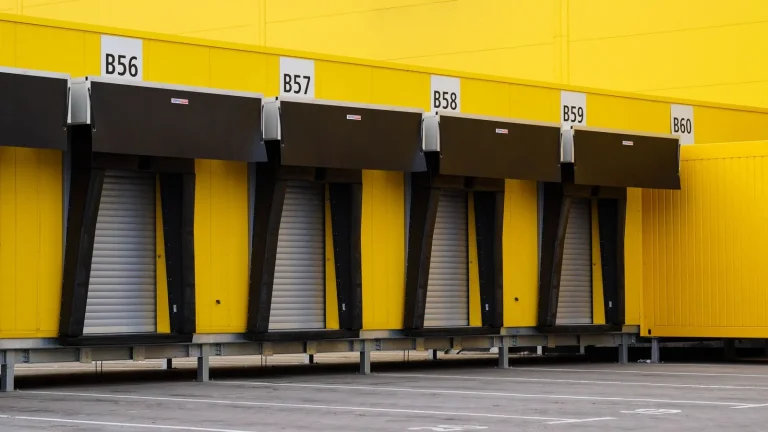
The pattern repeats across every maintenance budget: an opener that handled a house door for a decade burns out in a year on a commercial opening. The motor did not fail randomly. It was asked to do a light job at industrial frequency, often while an unbalanced door made every cycle harder than the spec sheet assumed. Replacing it with the same class of opener repeats the cycle and doubles the cost.
Buying a commercial garage door opener comes down to five decisions, and this guide works through them in order. Match the duty cycle to your traffic. Match the operator family to the door. Then size the drive and power honestly, put safety documentation on the purchase order, and read the sourcing terms before the deposit. Every unit we ship passes factory acceptance checks covering speed, noise, insulation resistance, and appearance, so what follows comes from the test bench rather than a catalog.
Key Takeaways
- Duty cycle mismatch, not motor quality, kills most openers on commercial doors: count your passes per shift before anything else.
- The operator family follows the door: sectional, rolling, and high-speed doors each need their own drive logic.
- EN 12453 safety functions and CE marking to EN 13241 belong on the purchase order as documents, not promises.
- RAX operators carry a 3-year warranty, servo motors 5 years, with in-warranty parts dispatched in 5 to 7 days.
- Sampling takes 7 to 15 days and a first order 20 to 35 days, with no minimum order quantity.
Why Openers Burn Out Before Their Time
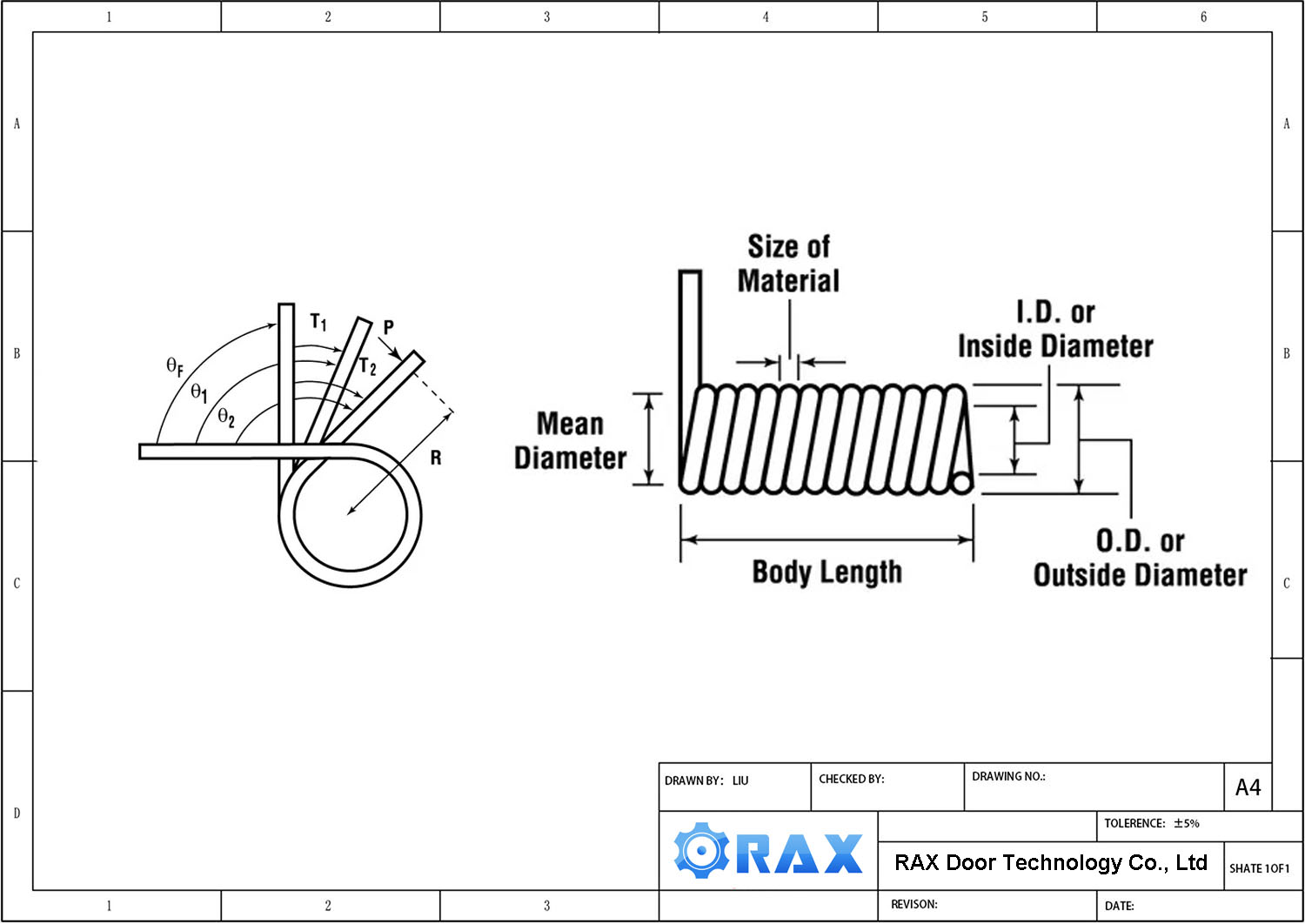
An opener does not lift a balanced door; the springs do that. The motor only overcomes friction, accelerates the mass, and holds the sequence. That is why a door with tired springs turns the operator into a lifting device it was never sized to be. Heat builds in the windings cycle after cycle, and the failure that follows looks like a motor problem while actually being a door problem wearing a motor costume.
Frequency is the second killer. A residential opener is engineered for a handful of cycles a day, and a commercial entrance can log that before lunch. Run a light-duty unit at commercial frequency and the insulation life collapses, the capacitor ages early, and the limit gears wear out of adjustment. None of that shows on day one, which is exactly why the wrong purchase passes commissioning.
The lesson for buying is simple and cheap. Before comparing any products, have the door balanced and the springs inspected, and count the real traffic the opening carries. Those two numbers eliminate more bad garage door opener purchases than any feature list.
Duty Cycle: The Spec That Decides Lifespan
Duty cycle is the number of open-close operations per hour an operator is rated to sustain. It is the single specification that separates a ten-year installation from a two-year one. The number that matters is not the rating on the datasheet. It is your traffic, counted honestly at the opening for a normal shift, converted into cycles per day.
Buyers who skip this arithmetic end up paying twice: once for the undersized unit, and again for the replacement plus the downtime between failures. Suppliers who will not put a duty rating in writing against your counted traffic are telling you where the relationship will hurt. Treat that as the first screening question for any commercial garage door opener purchase.
Seasonality deserves a line of its own. A loading entrance that doubles its traffic in harvest or holiday season needs headroom for the peak, not the mean. The motor that survives the average year still dies in the busy quarter.

Match the Opener to the Door First
Operators are not interchangeable across door families, because each door type moves differently and fails differently. A sectional garage door travels along tracks with a trolley, a rolling shutter coils around a shaft, and a high-speed door demands precise servo control to exploit its speed. Buying the operator that matches the door mechanism comes before any motor spec.
| Door family | Operator family | Why it fits |
|---|---|---|
| Sectional garage doors | Trolley or jackshaft operator | Travels the track with the door panel |
| Rolling shutters | Jackshaft or hoist operator | Drives the barrel the curtain coils on |
| High-speed doors | Dedicated servo operator | Controls acceleration and soft stops |
| Fire and specialty doors | Certified operator per door spec | Compliance follows the whole assembly |
If the facility runs mixed door types, one supplier who builds both doors and operators removes the finger-pointing when a door and its drive interact badly. For choosing between the door families themselves, the high-speed versus sectional comparison covers the insulation and traffic trade-offs.

Operator Types and the Power Questions
Three questions size the drive honestly. What does the door weigh with its hardware, what torque does that mass demand at the drum or trolley, and what does the site supply deliver? A supplier who answers with a motor wattage alone has skipped the engineering that connects your door to their operator.
| Operator type | Typical doors | Note |
|---|---|---|
| Trolley operator | Sectional doors on tracks | Rides the track with the top panel |
| Jackshaft operator | Rolling shutters, barrel doors | Mounts beside the barrel, saves headroom |
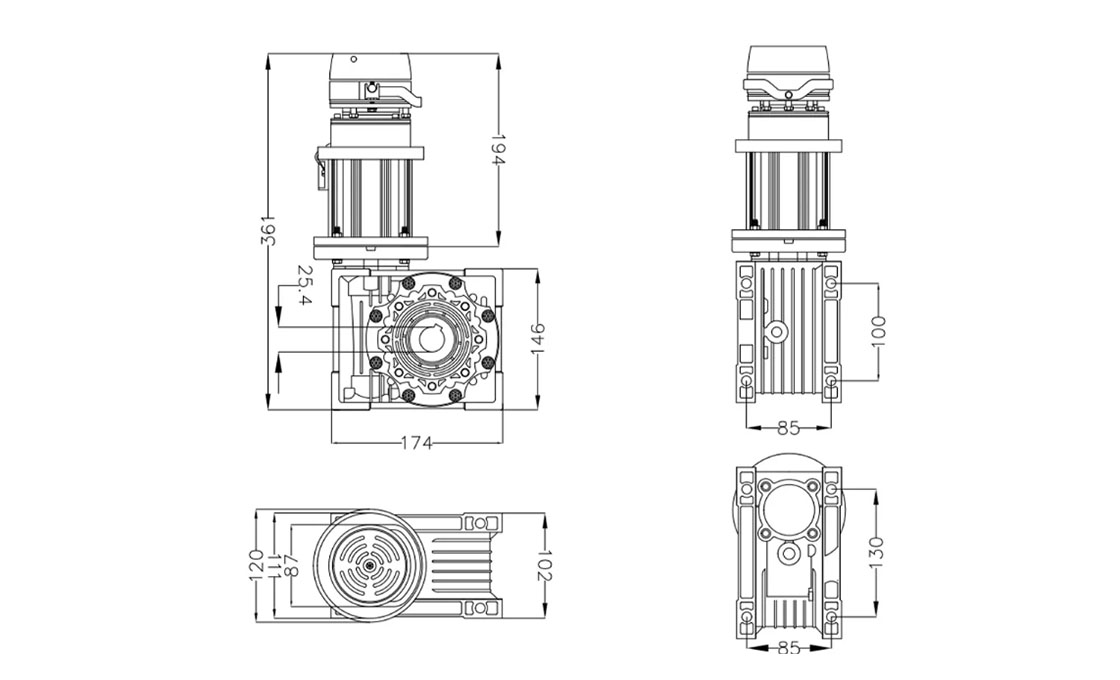
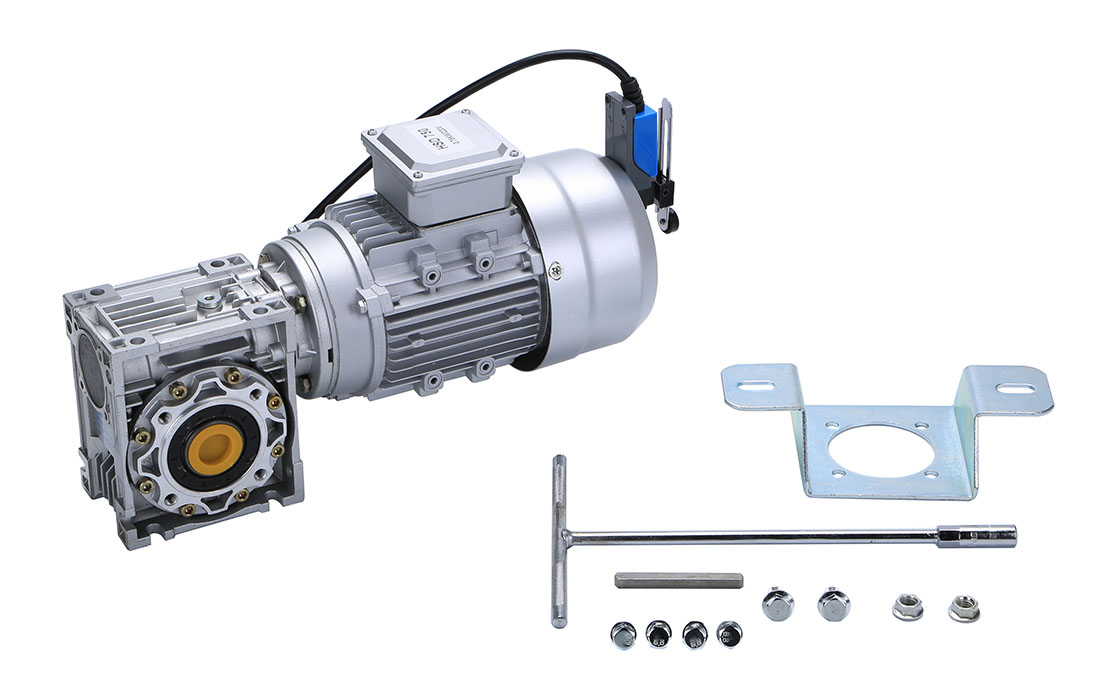
| Hoist operator (gearhead type) | Heavy shutters, large openings | High torque through a reduction gear |
Within each family the power questions stay the same, so answer them once and reuse the answers across every quote.
Where the site allows it, industrial supply arrangements run operators cooler and live longer than domestic circuits, so state your supply honestly rather than adapting the quote afterwards. Servo-driven operators cost more up front and return it on high-cycle entrances through precise soft starts and longer warranty terms. RAX backs its servo motors for five years and its operators and motors for three, which is the manufacturer putting its own money behind the duty math.
Controls and Connectivity That Earn Their Keep
Connectivity on a commercial operator is an operations decision, not a gadget decision. Short-range Bluetooth and WiFi suit commissioning and local adjustments without climbing a ladder. An RS485 bus interface is the industrial answer for connecting door controls into building management and access systems. RAX builds its operators with all three, because facilities use different layers for different jobs.
Apply a simple test to every connected feature. Does it shorten a commissioning visit, feed an audit trail, or let security revoke access centrally? Features that pass none of those tests are consumer inheritance adding cost and failure modes. Ask which functions keep working when the network is down, because in a power or server event the door must still open under local control.
Safety Compliance Is a Procurement Line Item
A powered door is a machine with people walking under it, and the standards exist because that combination has a history. EN 12453 defines the safety functions a powered door must implement, and CE marking under EN 13241 covers the door assembly placed on the market. Treat both as documents on the purchase order, with test evidence behind them, rather than badge words in a brochure.
| Document | What it proves | Ask for |
|---|---|---|
| CE declaration, EN 13241 | Assembly meets the door directive | Signed declaration for your unit |
| EN 12453 safety evidence | Force and reversal functions tested | Test method and results |
| ISO 9001 certificate | Manufacturer runs a real QMS | Certificate scope covering this product |
| IP rating certificate | Enclosure survives its environment | Rating stated for this model |
| Warranty terms | Who pays when what fails | Written terms, years and parts |
UK guidance on powered door standards from the Health and Safety Executive is a useful independent reference for why these documents matter. RAX doors and operators are CE marked to EN 13241 with safety functions to EN 12453, produced under ISO 9001:2015.
Environment Ratings and Where Openers Live
The enclosure rating decides where an operator survives. RAX operators carry IP65, meaning dust-tight and protected against water jets, which covers car wash approaches, washdown bays, and dusty yards in one rating. An operator without a stated enclosure rating is an indoor assumption wearing an outdoor price.
Match the rating to the microclimate at the opening, not the region. A dock face under a leaking gutter, a bakery doorway with flour in the air, and a coastal gate with salt spray each attack electronics differently. The cheap protection is choosing the enclosure for the worst corner of the site, because swapping a corroded control board costs more than the rating upgrade ever did.

Warranty and Spare Parts Strategy
Read the warranty as a durability signal, because manufacturers price what they expect to fail. A three-year warranty on operators and motors, and five years on servo motors, tells you the factory expects the drive to outlast the moving door parts it serves. Compare structures across suppliers on the same basis: years, coverage tiers, and what counts as wear.
Spare parts strategy decides whether a failure costs an hour or a week. Ask where parts ship from, the committed dispatch time, and the price list for wear items before ordering. RAX dispatches in-warranty parts by DHL or FedEx within five to seven days, which turns a breakdown into a maintenance visit instead of a production event.
How to Evaluate a Supplier Beyond the Spec Sheet
Every supplier’s datasheet wins its own comparison, so evaluate evidence instead. A manufacturer who engineers doors and operators together, with 20-plus R&D engineers on staff, answers integration questions a trading company cannot. RAX is exactly that kind of manufacturer, building both sides of the opening, and the operator range lists the current drive families.
Ask for proof that survives scrutiny. Acceptance test reports on the actual unit, material certificates, drawings archived for five years so reorders need no re-engineering, and a signed NDA when your project requires one. A supplier’s willingness to hand over documentation is a preview of how warranty claims will be handled.
Ordering, Sampling, and Lead Times
Plan the calendar around three numbers: sampling, first order, and repeat order. RAX samples in 7 to 15 days, ships first orders in 20 to 35 days, and repeats in 15 to 20, from Tianjin or Qingdao under FOB terms. There is no minimum order quantity, so a single custom operator for one problem opening is a normal order, not an exception.
| Stage | Time | Notes |
|---|---|---|
| Sampling | 7 to 15 days | Verify fit and duty before volume |
| First order | 20 to 35 days | Includes drawings and acceptance docs |
| Repeat order | 15 to 20 days | Drawings archived five years, no tooling cost |
Selection Checklist Before You Order
Work the list in order before you order a commercial garage door opener, because each line protects the one below it. An order that clears all nine lines is boring in the best way.
- ☐ Door balanced and springs inspected before operator sizing
- ☐ Peak-season cycles per day counted, in writing
- ☐ Duty rating stated against that count by the supplier
- ☐ Operator family matched to the door mechanism
- ☐ Torque and door weight answered, not just motor wattage
- ☐ Site supply stated honestly in the enquiry
- ☐ CE declaration and EN 12453 evidence on the purchase order
- ☐ Enclosure rating matched to the worst microclimate
- ☐ Warranty tiers and wear-part price list in hand
Frequently Asked Questions From Buyers
Can a heavy-duty residential opener survive a commercial door?
Not for long. Duty cycle and door mass are sized differently, and the failure usually arrives as a burned motor within the warranty window. A heavy-duty residential garage door opener is still a residential machine.
How do I know what duty cycle I need?
Count vehicles and passes on your busiest shift, add pedestrian cycles and retries, and require the supplier to rate against that number in writing.
Should doors and operators come from one supplier?
On mixed-door sites, yes. One factory engineering both sides removes the integration arguments that follow every door-operator mismatch.
What does one custom operator cost in time?
Sampling takes 7 to 15 days and a first order 20 to 35 days, with no minimum order quantity.
The Five Answers That Pick the Opener
Write down the five answers before you open another tab. Your counted cycles, your door family, your supply and torque reality, the compliance documents you will hold, and the sourcing terms you signed. A garage door opener chosen against those five numbers is a component that disappears into the building’s routine. One chosen from a feature list is a future work order with a delivery date, and the burned-out unit it replaces was almost never the motor’s fault.