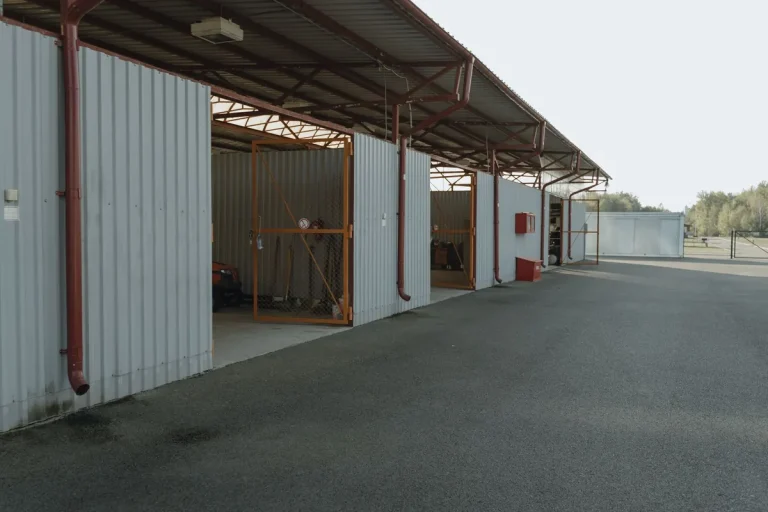
Operating a manual overhead entrance creates persistent daily inconvenience and serious security vulnerabilities for homeowners and facility managers alike. Hauling an unassisted 80 to 250 kg sectional door panel in heavy rain, freezing snow, or dark night conditions causes physical strain and exposes occupants to personal safety risks. Furthermore, conventional manual exterior latch locks offer minimal physical resistance against determined intruders armed with pry bars.
Investing in modern automatic garage door openers transforms an overhead door from a burdensome mechanical barrier into an intelligent, secure, and energy-efficient perimeter asset. In over two decades of engineering heavy-duty entrance systems and automated door operators, field engineering teams have evaluated thousands of motorized configurations. Evaluating the 10 benefits of automatic garage door openers reveals why automated drive systems represent one of the highest-value upgrades for modern residential and commercial properties.
Benefit 1: Enhanced Perimeter Security & Anti-Forcing Self-Locking
Traditional manual garage doors rely on basic sliding side latches or center cylinder locks that can be forced open with simple crowbars or lockpicks in seconds.
In contrast, automated door operators incorporate internal electromechanical worm gear assemblies that provide positive mechanical anti-backdrive self-locking. When closed, internal gear teeth lock the drive shaft positively. This mechanism resists upward prying forces exceeding 500 kg without requiring manual keyed deadbolts.
Furthermore, modern automated operators utilize 128-bit rolling code transmission protocols operating on dual frequencies (433.92 MHz and 868.35 MHz). Every time the remote transmitter is activated, the internal cryptographic chipset generates a unique encrypted security code from trillions of possible combinations. This dynamic token exchange completely neutralizes criminal radio code-grabbing and brute-force replay devices.
For additional perimeter hardening, automated drive systems can be paired with automated electric deadbolts. These auxiliary locking bars physically shoot heavy steel pins into both vertical track frames upon closing, creating a multi-point perimeter vault that resists crowbars and mechanical vehicle ramming attempts.

Benefit 2: Seamless All-Weather Convenience & Hands-Free Access
Among the key 10 benefits of automatic garage door openers, immediate all-weather convenience eliminates the need to exit your vehicle to operate the entrance.
High-frequency long-range radio transmitters and integrated vehicle transponders allow drivers to open the door from up to 50 meters away. During torrential rain, blizzards, or extreme summer heat, drivers can transition directly from the driveway into a dry, secure interior without exposure to harsh elements.
For commercial facilities and busy multi-car households, automated hands-free operation streamlines daily vehicular logistics, saving valuable transit time on every arrival and departure.
Benefit 3: Proactive Entrapment Prevention & EN 12453 Safety Reversing
A heavy manual garage door falling unexpectedly due to cable slippage or human error poses severe crushing hazards to small children, household pets, and vehicle bodywork.
Automated door systems enforce strict international safety standards mandated by the Health and Safety Executive under European standard EN 12453. Certified operators feature a dual-layer safety protection matrix:
Through-Beam Optical Photocells: Active infrared sensors cast an invisible beam 100 mm above the floor. If interrupted by an obstacle during downward travel, motion halts instantly and reverses to full open.
Electronic Dynamic Force Sensing: If the door strikes an obstruction, microprocessors limit dynamic impact force below 400 N. Force decays below 150 N within 0.75 seconds before reversing fully.
Ready to Upgrade to High-Performance Entrance Automation?
Send your clear opening dimensions, door panel weight, and daily cycle requirements to the engineering team for precise motor torque sizing and factory-direct pricing.
Benefit 4: Acoustic Comfort with Ultra-Quiet Belt Drives (<55 dB)
Traditional manual door handling often results in harsh slamming against concrete floor slabs, vibrating structural building walls.
Modern electric door openers equipped with steel-reinforced polyurethane belt drives eliminate metal-on-metal friction entirely. Operating noise levels remain consistently below 55 dB, comparable to a quiet residential library.
This acoustic dampening is crucial for homes with bedrooms located directly above the garage. Occupants can arrive late at night or depart early in the morning without disturbing sleeping family members.
To further isolate acoustic vibration, premium belt drive installations incorporate motor vibration isolation systems (MVIS). Heavy-duty rubber isolation dampeners decouple the steel motor hanger brackets from ceiling joists, preventing low-frequency structural hum from reverberating through residential drywall and ceiling framing.
Benefit 5: Mechanical Shock Reduction via Brushless DC Soft Start/Stop
Manual door operation subjects mechanical hardware to erratic acceleration, violent jerking, and hard end-stop impacts, causing early fatigue failure in counterbalance springs and track rollers.
Brushless DC (BLDC) motorized operators incorporate variable frequency drive (VFD) electronic controllers that execute precise S-curve velocity ramping. The door accelerates gently from rest (soft-start) and decelerates smoothly into the fully open or closed limits (soft-stop).
This controlled motion profile reduces peak mechanical shock loads on hinges, guide cables, and torsion springs by up to 50%, significantly extending the operational lifespan of the entire entrance assembly.
Benefit 6: Superior Thermal Sealing and Energy Efficiency
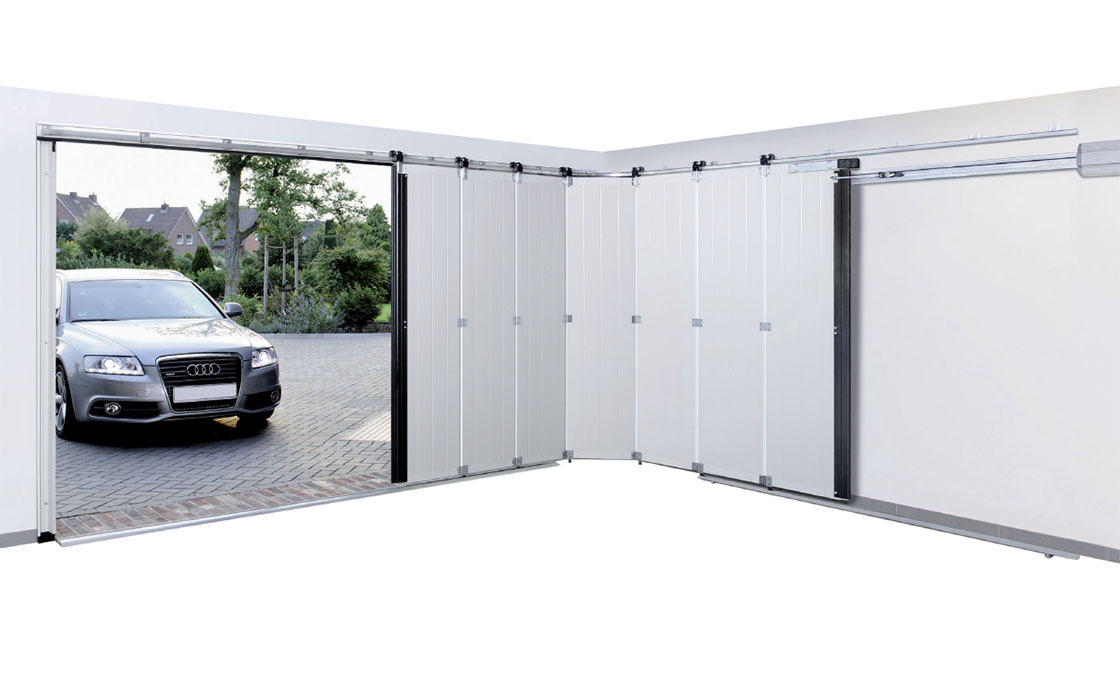
Manual doors frequently rest loosely on uneven floors, leaving 5 mm to 15 mm air gaps that allow cold drafts, dust, and moisture to penetrate conditioned indoor spaces.
Electric door openers utilize precise digital optical encoders to apply calibrated downward clamping pressure on bottom weatherseals upon reaching the floor limit. This mechanical seal compression eliminates thermal bridging and draft infiltration.
Paired with 40 mm polyurethane insulated panels, automated doors reduce thermal loss by 15% to 25%. This airtight barrier noticeably lowers winter heating and summer cooling costs.
Benefit 7: Real-Time Mobile App Connectivity and Smart IoT Integration
Leaving home and wondering whether the garage door was left open is a common anxiety among property owners.
Integrated Wi-Fi connectivity and mobile smart hub apps eliminate this uncertainty. Property managers can monitor door status in real time from any smartphone. They receive instant alerts and can configure automated timer-to-close schedules to prevent open doors.
Additionally, temporary digital guest keys can be generated for delivery drivers, cleaning staff, or service contractors without distributing physical keys or permanent access codes.
Benefit 8: Uninterruptible Battery Backup for Power Outages
When analyzing the 10 benefits of automatic garage door openers, reliable emergency operation remains vital during severe storm power outages.
Modern 24V DC automated operators feature integrated rechargeable lithium or lead-acid battery backup units. When utility power drops, the system switches automatically to DC battery power, providing 20 to 50 complete opening and closing cycles along with full safety sensor operation.
Every professional operator also retains a manual emergency quick-release cord, allowing occupants to disengage the trolley drive in seconds during structural emergency situations.

Benefit 9: High Resale ROI & Property Value
Upgrading to an automated garage door system ranks consistently among the highest return-on-investment exterior remodeling projects.
Independent real estate cost-versus-value studies indicate that replacing an outdated manual door with an automated insulated sectional door delivers an average return on investment of 93.8% upon property resale. In many competitive housing markets, entrance garage automation recoups virtually its entire upfront installation cost during property valuation appraisals.
Modern automated entrances dramatically enhance architectural curb appeal, signal high-grade building maintenance, and provide tangible lifestyle convenience that prospective buyers actively prioritize. Automated entrances also lower home insurance premiums in jurisdictions where certified anti-burglary self-locking doors qualify for residential security discounts.
Quality manufacturing guidelines published by the ISO International Organization for Standardization emphasize verifying electrical insulation and structural safety factors to protect property equity.
Benefit 10: Customizable Access Modes for Multi-User Convenience
Automated entrance systems eliminate the logistical headache of cutting, distributing, and replacing mechanical keys for multiple family members or facility employees.
Modern operators support a wide array of modular access interfaces, including wireless exterior digital keypads with backlit LED buttons, vehicle-integrated HomeLink transceivers, RFID proximity tags, and biometric fingerprint scanners.
Individual access permissions can be customized, scheduled, or revoked instantly, delivering flexible multi-user entrance control across residential and commercial properties.
Automatic vs Manual Garage Door 10-Year Lifecycle Comparison
The matrix below compares the total lifecycle performance, security ratings, and operational characteristics of automated door operators versus conventional manual doors:
| Performance Dimension | Modern Automated Door Opener | Traditional Manual Overhead Door | Operational Advantage |
|---|---|---|---|
| Perimeter Security | Worm-gear self-locking (>500 kg force) + 128-bit rolling code | Mechanical slide bolt vulnerable to pry bar attack | Superior anti-burglary defense |
| Safety & Entrapment | EN 12453 active optical photocell & auto-reversing torque sensing | No automatic reversal; gravitational free-fall risk on spring failure | Full personnel & vehicle protection |
| Acoustic Emission | Belt drive <55 dB with VFD soft-start deceleration | 65 to 80 dB manual slamming and metal rattling | Silent living space integration |
| Weather Convenience | 50-meter remote & mobile app in-vehicle access | Requires exiting vehicle in rain, snow, or dark | 100% all-weather comfort |
| Thermal Air Sealing | Calibrated optical encoder motorized bottom seal clamping | Loose floor contact leaving 5-15 mm draft gaps | 15-25% lower thermal losses |
| Hardware Longevity | Soft-start/stop reduces hardware shock loads by 50% | Violent manual jerking accelerates spring/roller wear | 15-20 year extended system life |
| Real Estate ROI | Average 93.8% return on investment upon resale | Outdated manual operation lowers curb appeal | Measurable property asset appreciation |
Engineering Sizing Consultation for Your Project
Understanding the 10 benefits of automatic garage door openers ensures property owners make an informed, value-driven investment in their building infrastructure. When selecting an automated drive system, verify door panel weight, counterbalance spring balance, and acoustic belt requirements to ensure decades of dependable performance.
Need professional guidance selecting the ideal automatic garage door opener?
If you are planning an automation retrofit or building a new residential or commercial garage, the engineering team is available to review your clear opening dimensions, door weight, and duty cycle requirements to configure the optimal motor drive system.
Frequently Asked Questions About Automatic Garage Door Openers
What are the main benefits of an automatic garage door opener?
The top benefits include positive anti-prying security, all-weather remote convenience, EN 12453 optical safety reversing, ultra-quiet belt operation (<55 dB), and over 93% resale ROI.
How does an automatic door opener improve home security?
Automated operators lock the door mechanically using worm gears resisting over 500 kg of prying force, combined with 128-bit rolling code encryption to prevent signal theft.
Do automatic garage door openers work during a power outage?
Yes. Systems equipped with integrated 24V DC battery backup operate for 20 to 50 cycles during power cuts, and all models include a manual quick-release emergency cord.
How quiet are modern belt-drive garage door openers?
Steel-reinforced polyurethane belt drives run below 55 dB, eliminating metal rattling and making them ideal for garages with living spaces directly overhead.
What safety features are mandatory on automatic garage doors?
Under EN 12453, automatic doors must include infrared photocell sensors and electronic dynamic force sensing to stop and reverse travel within milliseconds if obstructed.