Industrial facilities face constant threats from unauthorized access, theft, and operational accidents. The perimeter defense of any modern logistics hub relies heavily on the physical barriers protecting its most vulnerable access points. Understanding how do overhead sectional doors improve warehouse security is critical for facility managers aiming to safeguard high-value inventory and personnel.
At Raxdoor, our engineers have spent years analyzing intrusion methods and industrial accidents to develop highly resilient barrier solutions. We know that standard loading bays often lack the structural integrity required to withstand determined break-ins. By upgrading to engineered sectional doors, logistics centers can effectively neutralize sophisticated forced entry attempts and daily impact hazards.
Why Warehouse Security Starts at the Loading Dock
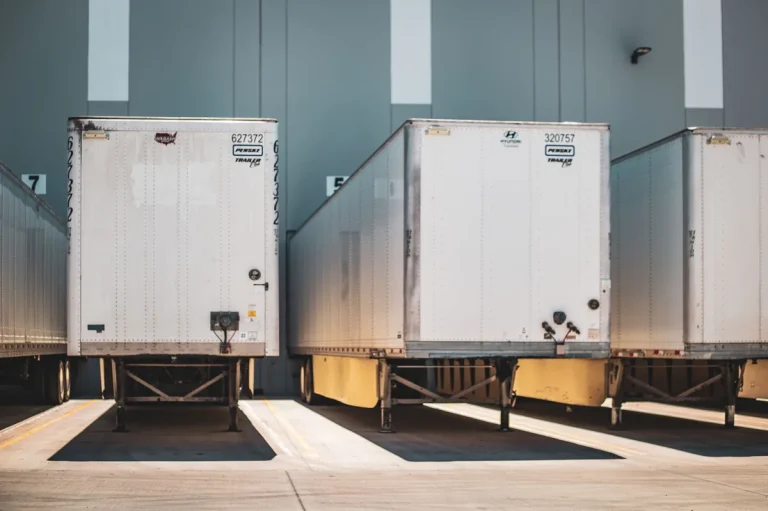
The loading dock represents the busiest and most vulnerable access point in any active supply chain facility. Hundreds of shipments pass through these massive structural openings daily. This creates a high-traffic zone that opportunists often monitor closely. Without robust physical barriers, these wide bays become easy targets for unauthorized individuals looking to exploit brief lapses in supervision. Securing this critical junction requires heavy-duty infrastructure that acts as a primary line of defense.
The Critical Role of Loading Dock Operations
Loading docks bridge the vital gap between internal storage zones and external transport networks. This continuous flow of goods demands barrier systems that can secure the perimeter without causing operational bottlenecks. Overhead sectional doors provide the necessary resilience by sealing massive structural openings against severe external threats. When deployed correctly, these engineered doors prevent unauthorized access while allowing seamless daily logistics workflows. You can explore our warehouse loading dock security strategies for a broader understanding of facility protection.
Space Optimization and Security Coexistence
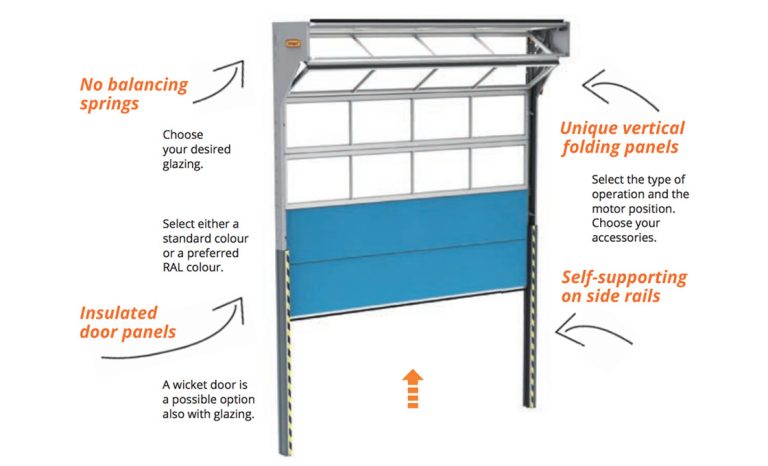
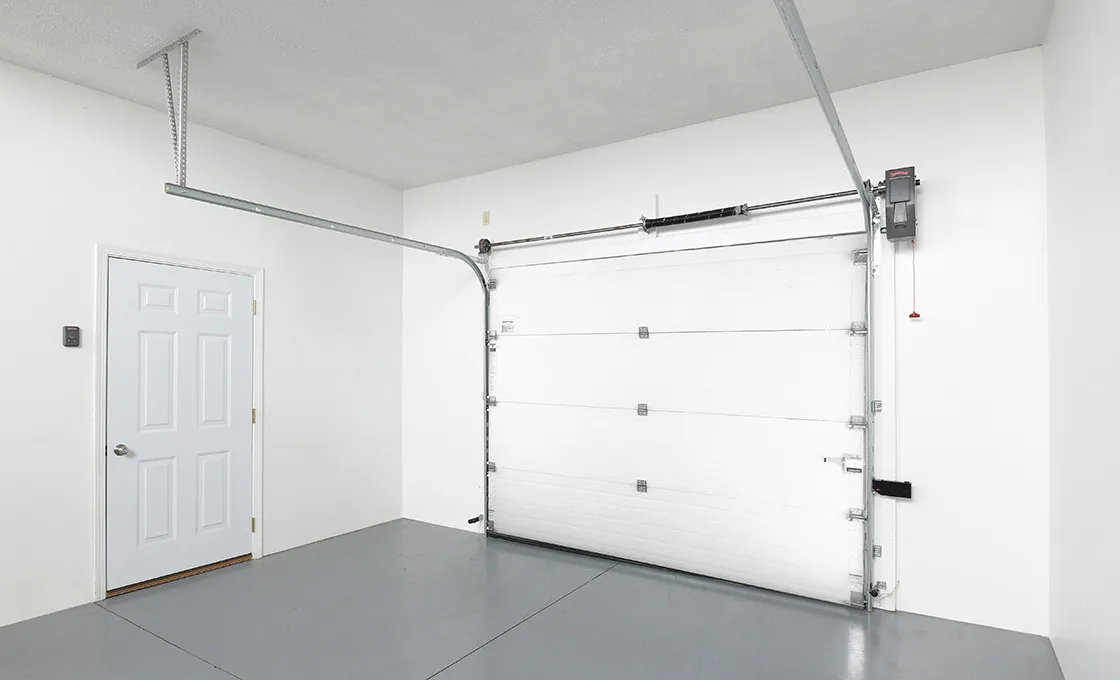
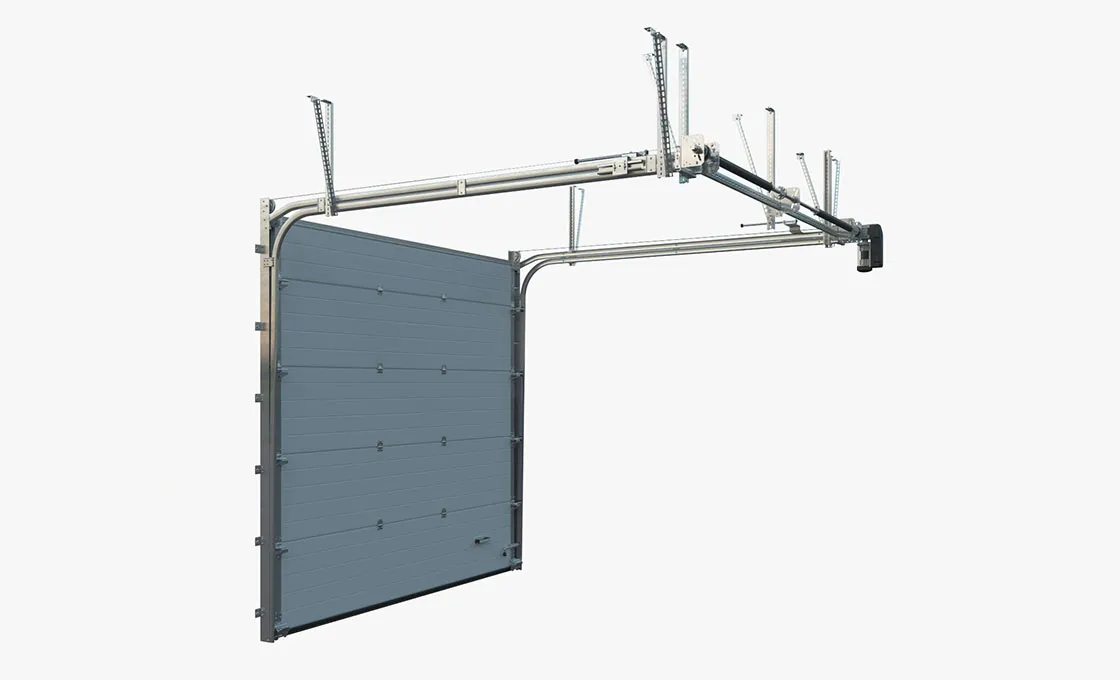
Many industrial sites struggle to balance adequate physical security with limited internal operating space. Traditional swinging or rolling barriers often consume valuable overhead clearance or floor area. Overhead sectional doors solve this dilemma by tracking vertically along the ceiling structure. This configuration leaves the maximum usable space for material handling equipment. This intelligent space utilization ensures that strict security measures never interfere with forklift maneuverability or high-rack storage layouts.
- Vertical tracking: Eliminates the need for vast swing clearance around the doorway.
- Ceiling integration: Protects the vital door panels from accidental floor-level vehicle impacts.
- Clear lines of sight: Allows security cameras to monitor the entire bay without any physical obstruction.
Robust Materials Blocking Forced Entry Attempts
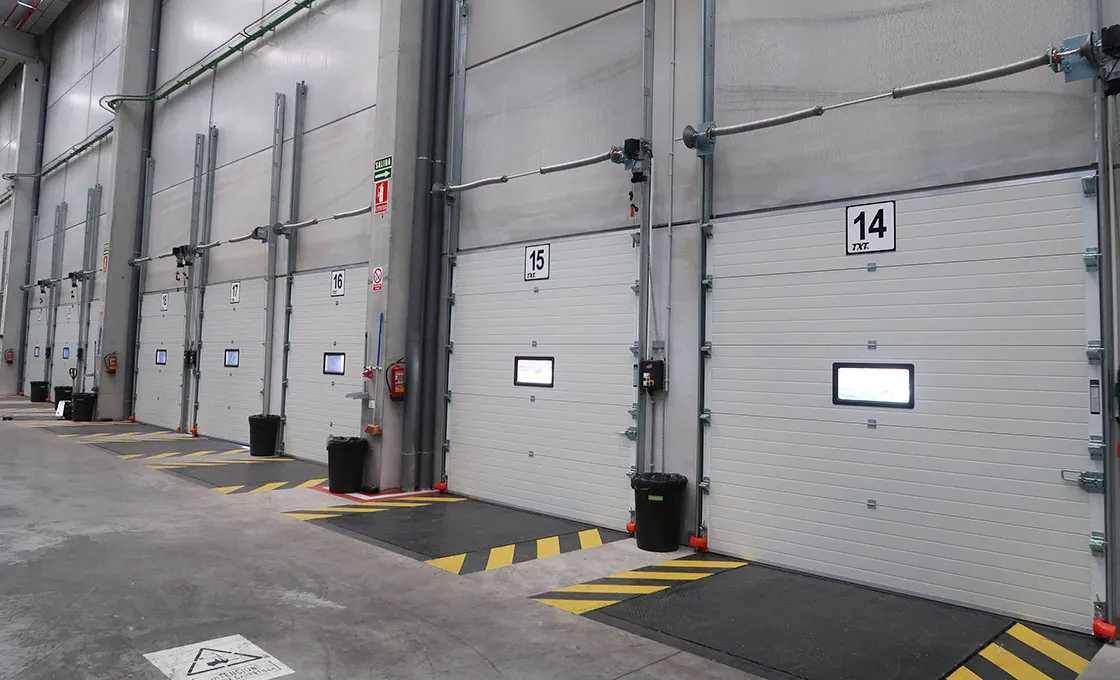
Determined intruders frequently target industrial doors using brute force and heavy hand tools to gain entry. They systematically probe the edges, structural hinges, and bottom seals looking for any weakness. Overhead sectional doors are specifically engineered to counter these physical intrusion techniques through reinforced construction. By utilizing high-yield industrial materials, these doors create an impenetrable wall. This drastic upgrade exponentially increases the time and effort required for criminals to break inside.
Preventing Crowbar Prying and Forced Lifting
The most common method of forced entry involves inserting a heavy crowbar beneath the bottom edge. Intruders aggressively use leverage to pry the panels outward or manually lift the door off the ground. Advanced sectional doors combat this exact threat by featuring heavy-duty guide rails and anti-lift locking mechanisms. Once closed, automated deadbolts engage directly into the thick steel tracks. This secure engagement renders any upward leverage completely ineffective against the door structure.
“Upgrading to rigid anti-lift tracks and reinforced bottom profiles significantly mitigates the risk of successful prying intrusions across distribution centers.”
Steel vs. Aluminum Panel Strength
Selecting the correct panel material is absolutely crucial for resisting violent physical attacks. Double-skinned steel panels offer exceptional impact resistance and are highly effective against aggressive cutting or drilling attempts. In contrast, extruded aluminum provides a lighter alternative that effectively resists long-term environmental corrosion. Aluminum still delivers substantial rigidity when extruded with internal web supports for added strength. Facility managers must rigorously evaluate their specific threat models to choose the optimal metallic defense system.
| Material Type | Intrusion Resistance | Ideal Application |
|---|---|---|
| Double-Skinned Steel | Maximum resistance to cutting and heavy impacts. | High-value electronics or pharmaceutical storage facilities. |
| Extruded Aluminum | High structural rigidity with excellent corrosion defense. | Chemical storage centers or highly humid environments. |
Securing Standard Padlocks and Latches
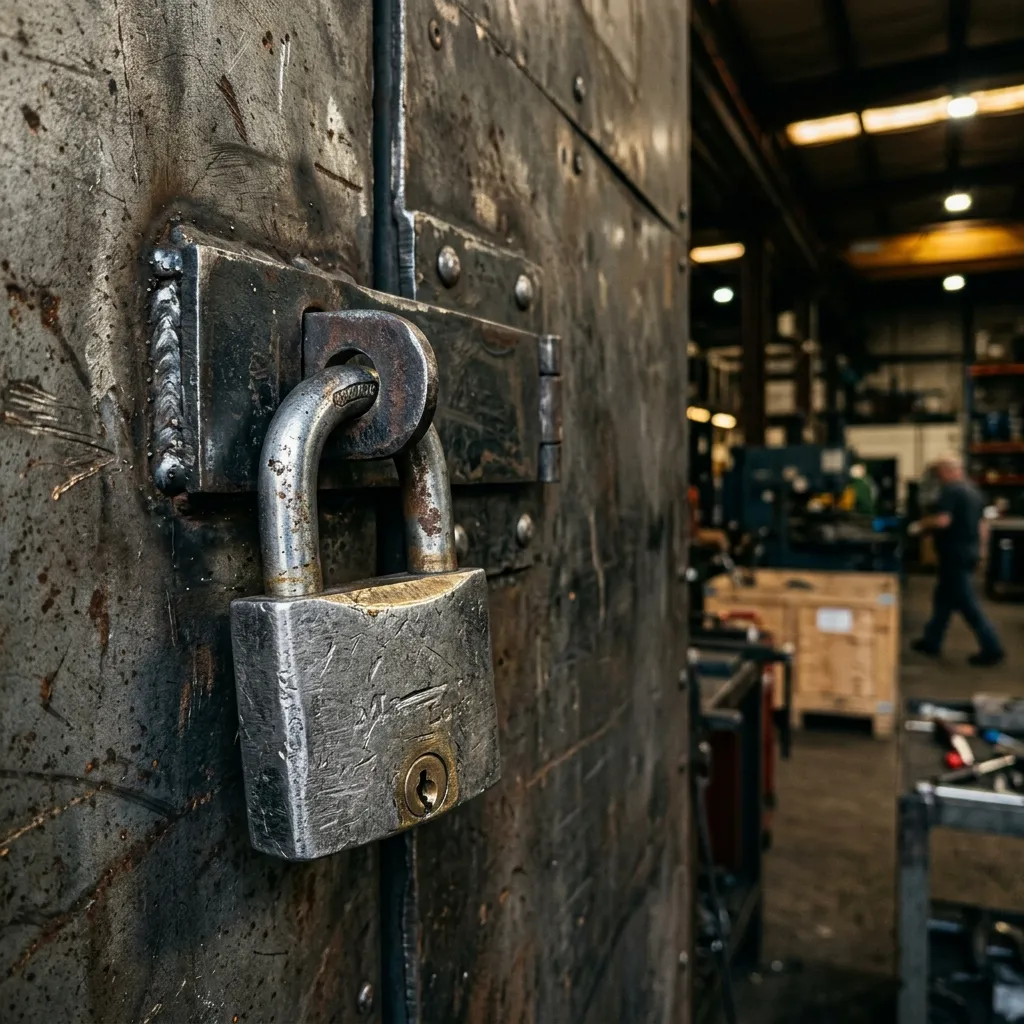
Thieves regularly bypass older warehouse doors by simply smashing external padlocks with a heavy sledgehammer. Modern overhead sectional doors eliminate this obvious vulnerability by integrating internal sliding bolts and concealed locking cylinders. Because the sensitive locking hardware is protected behind thick layers of solid steel, criminals cannot access the latch. This internal mechanism makes tampering from the exterior virtually impossible. For more technical insights, read our comprehensive industrial sectional doors guide.
Advanced Automation to Stop Sensor Bypassing
Physical strength alone cannot fully protect a facility if the electronic control systems remain highly vulnerable to manipulation. Tech-savvy criminals now rapidly deploy signal cloning devices and sensor jammers to trick warehouse doors. To actively combat this growing threat, modern overhead sectional doors incorporate highly encrypted communication protocols. These intelligent automation systems reliably ensure that only properly authorized personnel can initiate the access sequence. This modernizes the entire concept of secure access control at the dock.
Anti-Spoofing Remote Technologies
Legacy garage door openers typically transmit static radio frequencies that are easily intercepted by malicious actors. Contemporary industrial controllers utilize dynamic rolling code technology to permanently prevent unauthorized signal spoofing. Each time a remote is pressed, the cryptographic access code changes immediately. This constant variation makes any previously intercepted signals completely useless to a waiting thief. This high-level digital encryption successfully secures the wireless perimeter against sophisticated electronic data breaches.
Fast-Acting Mechanisms to Prevent Tailgating
A major physical security flaw in older distribution centers is the incredibly slow closing speed of massive bay doors. Intruders or unauthorized vehicles can easily slip inside the building directly behind a legitimate delivery truck. By integrating variable frequency drives, automated sectional doors achieve rapid closing cycles that drastically reduce open-door exposure time. This rapid motion stops unauthorized tailgating dead in its tracks. If high speed is a primary operational concern, consider reviewing our analysis on high speed doors vs sectional doors.
IoT Integration and Smart Monitoring
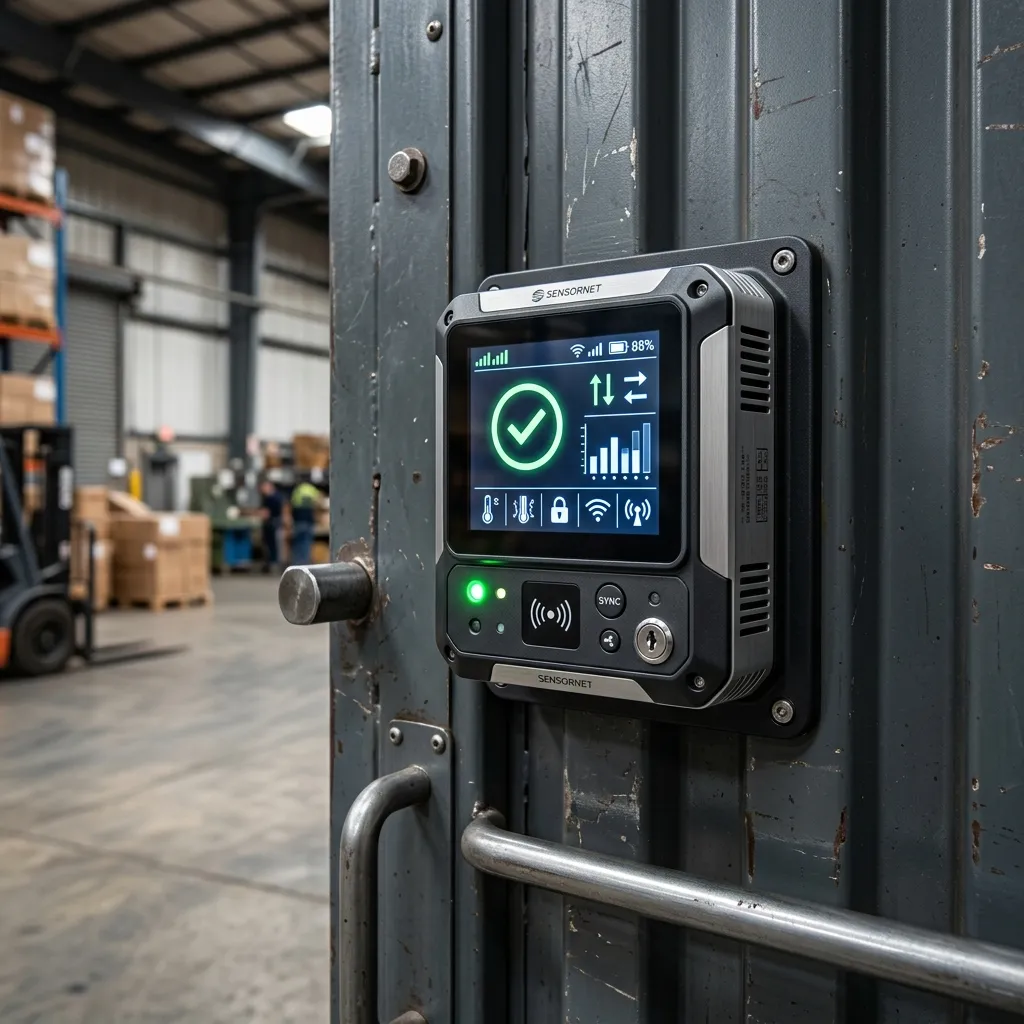
Modern warehouse security strictly requires real-time visibility into the exact status of every active access point. Industrial overhead sectional doors can now seamlessly integrate directly into a massive facility’s Internet of Things network. Facility managers receive instant digital alerts if a door is violently forced open or experiences a sudden mechanical failure. This continuous smart monitoring allows rapid response security teams to address potential breaches immediately. It eliminates the slow reaction times typically associated with standard physical guard patrols.
- Real-time alerts: Generates instant digital notifications for any unauthorized forced access attempts.
- Audit trails: Maintains highly detailed digital logs of exactly when and by whom the door was actively operated.
- Remote lockdown: Provides the critical ability to digitally secure all loading bays instantly during a facility emergency.
Impact Resistance and Structural Integrity
Modern logistics facilities demand barriers that provide uncompromising strength against both accidental collisions and deliberate vehicular assaults. The structural integrity of a loading dock enclosure determines its capability to maintain a secure perimeter during unexpected stress events. Without substantial impact resistance, even minor collisions can compromise the mechanical track alignment, leaving the facility vulnerable to immediate unauthorized access.
Defending Against Forklift Ramming
Forklift ramming represents one of the most persistent threats to loading bay enclosures. Industrial environments frequently experience low-speed, high-mass impacts that can permanently distort standard aluminum profiles. High-performance models deploy reinforced steel bottom sections and specialized breakaway track architectures to mitigate these precise kinetic forces.
When a forklift collides with the panel, the energy distribution mechanism disperses the kinetic load across the horizontal struts. This prevents localized panel ruptures and maintains the critical seal along the guide rails. Incorporating flexible bottom edges further absorbs shock, allowing the barrier to flex rather than fracture during accidental warehouse loading dock security incidents.
Secure Your Loading Docks Against All Threats
Don’t let vulnerable entry points compromise your high-value inventory. Our engineering team specializes in custom-built defensive solutions designed to withstand severe impacts and forced entry.
Extreme Wind Load Ratings and Resilience
Structural resilience extends beyond vehicular impacts to include severe environmental stressors. High wind loads exert tremendous negative and positive pressure dynamics on large surface area enclosures. If the panels bow or buckle under severe meteorological conditions, the resulting gaps offer an immediate vector for intruders utilizing pry bars.
To combat pressure-induced deformation, heavy-duty commercial units incorporate horizontal wind struts engineered to withstand category-level hurricane forces. Standardized testing protocols dictate that these assemblies must resist dynamic pressures exceeding 50 pounds per square foot (PSF). This rigid architectural configuration guarantees that the barrier remains immovably seated within the structural steel opening, neutralizing weather-related breaches.
Weather Sealing as a Perimeter Defense
While often categorized purely under climate control, the perimeter weather seal acts as a highly critical component of the physical security apparatus. An airtight perimeter drastically reduces the mechanical leverage available to sophisticated intruders. Advanced elastomeric seals form a compressed, impenetrable gasket between the exterior environment and the internal facility.
Preventing Entry Through Deteriorated Seals
Deteriorated or poorly fitted bottom astragals provide the necessary clearance for pry bars, reciprocating saws, and heavy-duty crowbars. When seals lose their structural elasticity, the resulting millimeter-scale gaps compromise the entire defensive posture of the loading bay. Maintaining a rigid, compressed seal prevents tool insertion and eliminates the mechanical advantage required for forced leverage.
High-security configurations utilize dual-flap EPDM rubber seals paired with reinforced aluminum retainers. This combination resists deliberate cutting attempts while conforming perfectly to uneven concrete thresholds. By neutralizing these microscopic vulnerability points, facility managers effectively eliminate the most common vector for covert perimeter breaches.
Thermal Insulation and Climate Control
The injection of high-density polyurethane foam into the core of steel panels achieves superior thermal resistance while simultaneously multiplying structural rigidity. This composite sandwich construction creates a dense, impenetrable barrier that deters cutting torches and heavy impact tools. The thermal break not only isolates internal climates but also masks internal acoustic signatures from external surveillance.
| Seal Component | Primary Security Function | Material Specification |
|---|---|---|
| Bottom Astragal | Blocks tool insertion at floor level | Heavy-duty EPDM Rubber |
| Jamb Seals | Prevents lateral track manipulation | Co-extruded PVC |
| Header Seal | Secures upper lintel vulnerabilities | Brush and Rubber Hybrid |
Integration with Comprehensive Safety Systems
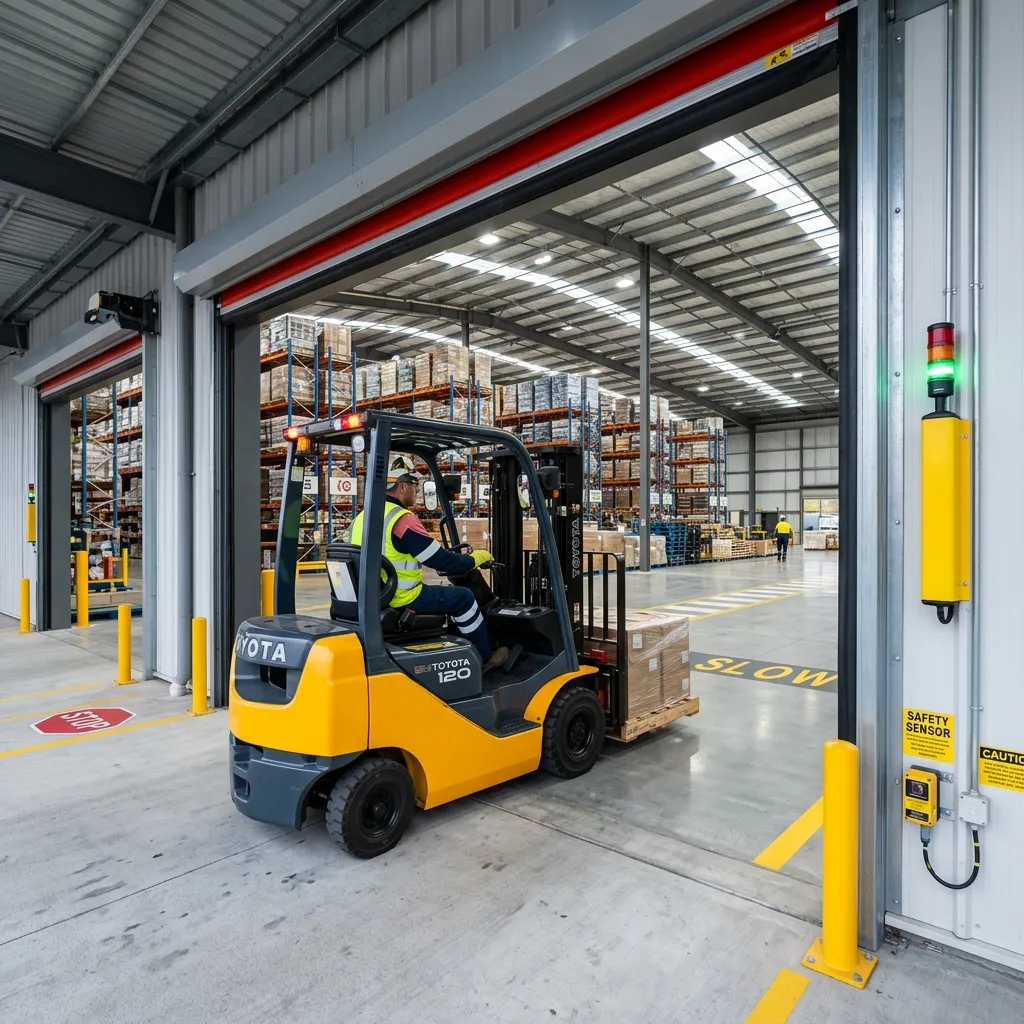
Modern industrial access points operate as intelligent nodes within a holistic facility safety ecosystem. Isolated barriers offer limited protection compared to fully integrated hardware that communicates continuously with central monitoring stations. Syncing these automated systems guarantees that both life-safety protocols and anti-intrusion parameters are enforced simultaneously without conflict.
Integrated Safety Sensors and Fire Ratings
Advanced photoelectric sensors and pneumatic reversing edges ensure that rapid-closure mechanisms do not crush personnel or valuable cargo. These same sensors detect unauthorized presence within the door’s threshold, instantly alerting the central security matrix of a potential intrusion. Furthermore, selecting components with stringent fire resistance ratings ensures the enclosure acts as a reliable firewall during combustion events.
When investigating a comprehensive industrial sectional doors guide, the synergy between fire compartmentalization and physical security becomes evident. Heavy-gauge steel panels inherently resist high thermal loads, preventing arson attempts from spreading into highly sensitive storage zones.
Compliance with Industrial Safety Standards
Strict adherence to OSHA and UL 325 standards ensures that automated hardware operates within defined kinetic energy limits. Compliance mandates the installation of fail-safe braking mechanisms that engage instantaneously if a lifting cable snaps or loses tension. These mechanical fall-arrest devices prevent catastrophic free-falls while simultaneously halting manual lifting attempts by intruders.
“Regulatory compliance transforms access barriers from passive mechanical shields into proactive, fail-safe security assets.”
Emergency Exits and Protocols
Balancing impenetrable exterior security with rapid emergency egress remains a complex engineering challenge. Integrated pedestrian pass-doors feature specialized multi-point locking mechanisms that secure the perimeter against outside threats while maintaining panic-bar compliance for inside occupants. This dual-functionality ensures seamless evacuation protocols during critical emergencies while denying external exploitation.
Long-Term Maintenance and Security ROI
The operational longevity and defensive efficacy of industrial barriers depend entirely on rigorous, preventative maintenance schedules. Neglected mechanical components inevitably degrade, transforming robust security features into easily exploited vulnerabilities. Facility managers must calculate the true return on investment by factoring in the mitigation of catastrophic theft and extreme energy loss.
Routine Inspections for Vulnerabilities
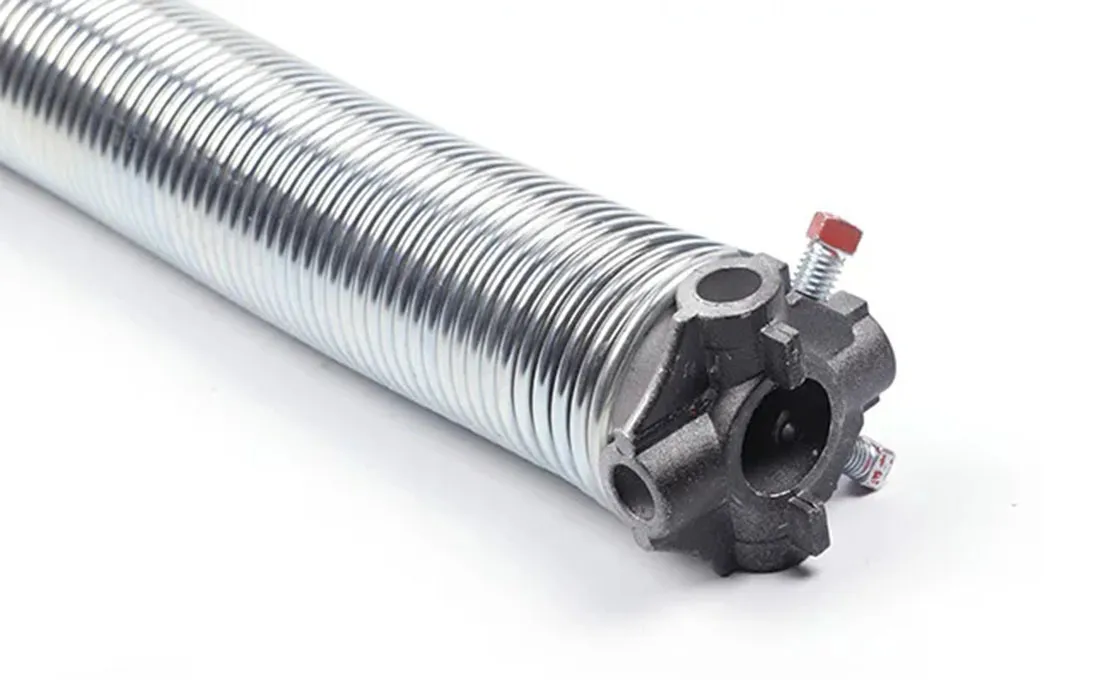
A poorly maintained track system or a degraded torsion spring provides attackers with the mechanical slack needed to force entry. Routine diagnostics must include tension calibration, roller alignment checks, and the immediate replacement of compromised photo-eye sensors. Identifying microscopic stress fractures in the lifting hardware prevents sudden mechanical failures that leave the facility fully exposed.
Scheduled maintenance protocols should rigorously evaluate the integrity of the locking algorithms and rolling code transmitters. By prioritizing these comprehensive diagnostics, organizations maintain an uncompromising defensive posture that deters even highly coordinated intrusion attempts.
Cost Analysis and Operational Savings
Deploying advanced enclosures generates a measurable financial return that heavily offsets the initial capital expenditure. By halting inventory shrinkage and drastically lowering HVAC operational costs through superior thermal breaks, the hardware pays for itself within multiple fiscal cycles. When comparing high-speed doors vs. sectional doors, the long-term energy savings and theft prevention metrics strongly justify the investment.
Ultimately, a robust physical perimeter eliminates the severe financial liabilities associated with unauthorized access and workplace accidents. As our engineers at these high-security doors continually demonstrate, investing in uncompromising structural integrity delivers both total peace of mind and an accelerated return on investment for forward-thinking facility managers.
Frequently Asked Questions
How do overhead sectional doors prevent unauthorized access in warehouses?
They use heavy-duty materials, anti-prying mechanisms, and secure latches to physically block forced entry attempts, alongside smart sensors that detect tampering.
Can high-performance sectional doors withstand forklift impacts?
Yes, many feature reinforced steel panels and flexible bottom edges designed to absorb accidental forklift ramming without compromising the door’s security or structure.
How does automation in sectional doors stop thieves from tailgating?
Automated doors offer fast opening and closing speeds, minimizing the time the door is open and preventing unauthorized individuals from slipping inside.
Why are weather seals important for warehouse security?
Intact weather seals prevent intruders from exploiting gaps to insert crowbars or tools, acting as both an energy barrier and a physical security measure.
Are smart sectional doors vulnerable to remote spoofing?
Modern smart doors use advanced encryption and rolling code technology to prevent thieves from copying or bypassing remote signals to gain entry.